Pineapple on Pizza
The argument is about sweetness and acid against salt and fat. It is a question of balance, not of tradition, and balance is something you can actually reason about.
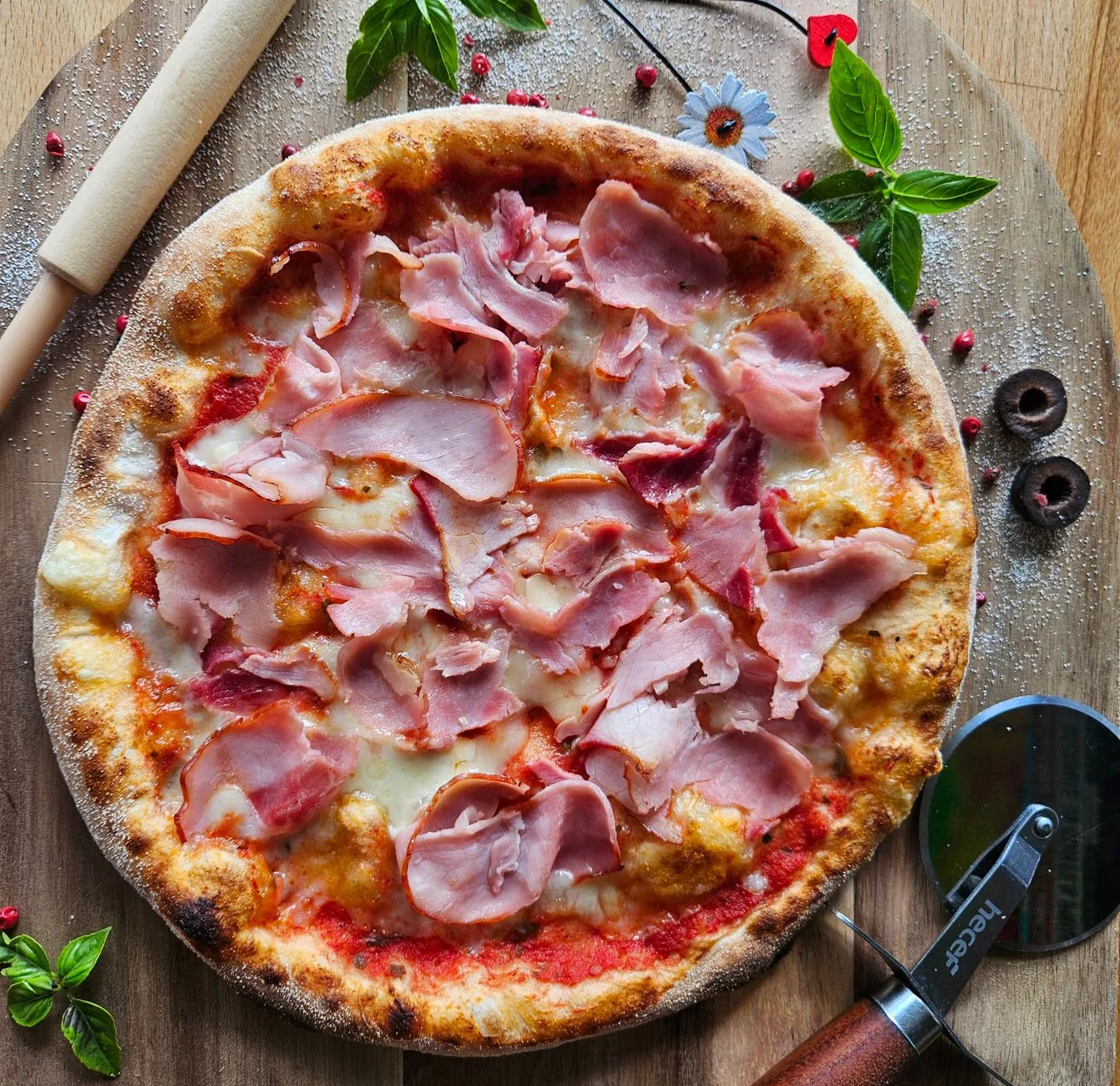
Pineapple divides people more than any other topping, and almost none of the argument is about how it tastes. It is about whether it belongs.
Set that aside and there is a straightforward food question underneath: sweet and acidic fruit against salty cured meat and fatty cheese. That combination is unremarkable everywhere else — and there is one genuine technical fault, which has nothing to do with taste.
| Element | Brings | Against |
|---|---|---|
| Pineapple | Sweetness, sharp acid | Salt and fat |
| Ham | Salt, savoury depth | Sweetness |
| Mozzarella | Fat, mildness | Acid |
| Tomato base | More acid | The fat |
What the argument is really about
Sweet-with-salty is one of the oldest pairings in cooking. Ham with apple, pork with apricot, melon wrapped in cured ham — nobody objects to any of those.
Pineapple on pizza gets treated differently because pizza carries an idea of authenticity that a plate of ham and melon does not. The objection is cultural rather than culinary, which is why it is argued so loudly and settled so rarely.
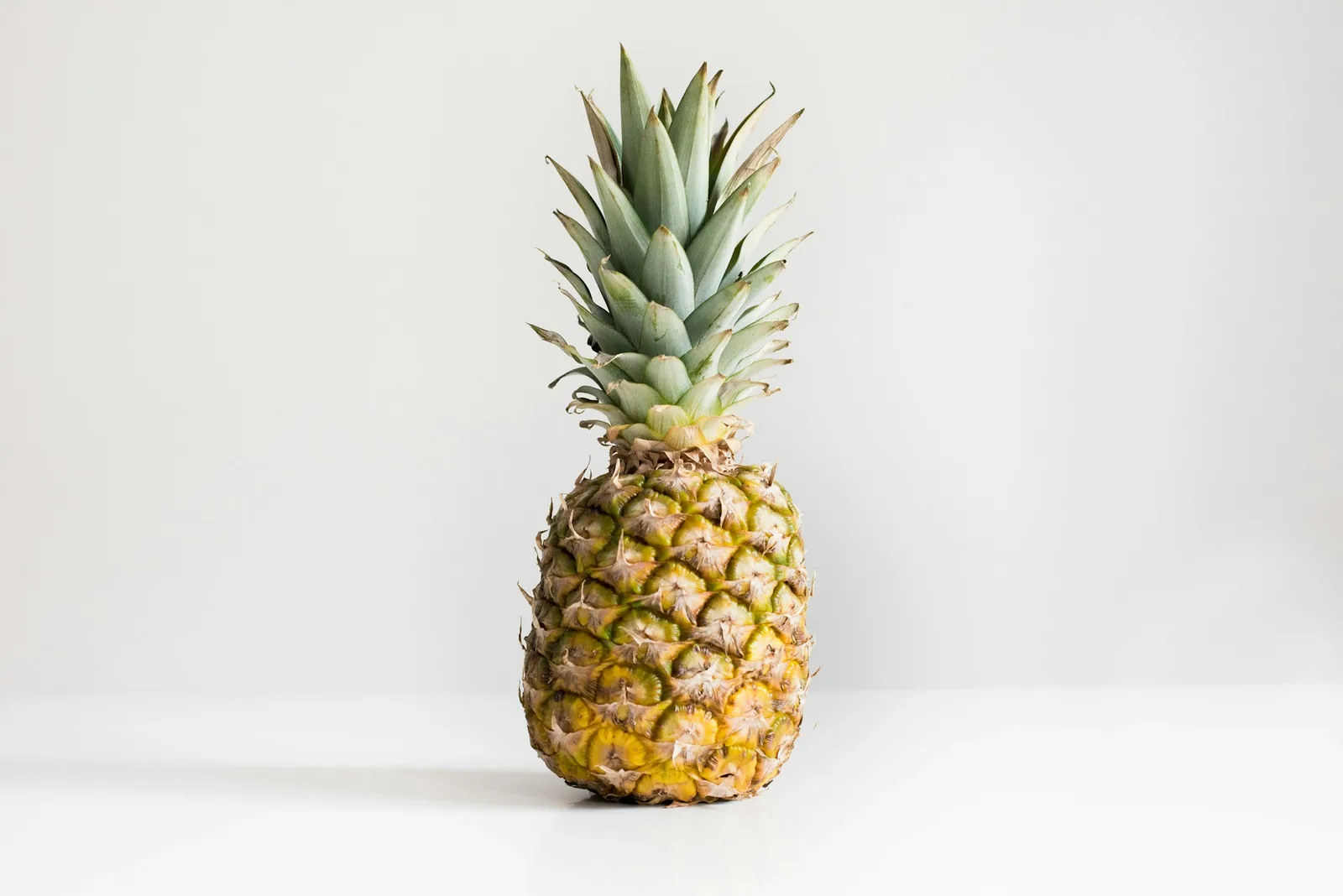
The culinary case is simple. Pineapple brings sweetness and a strong acid hit, and acid cuts fat. On a pizza carrying mozzarella and cured pork, the fat is exactly what needs cutting.
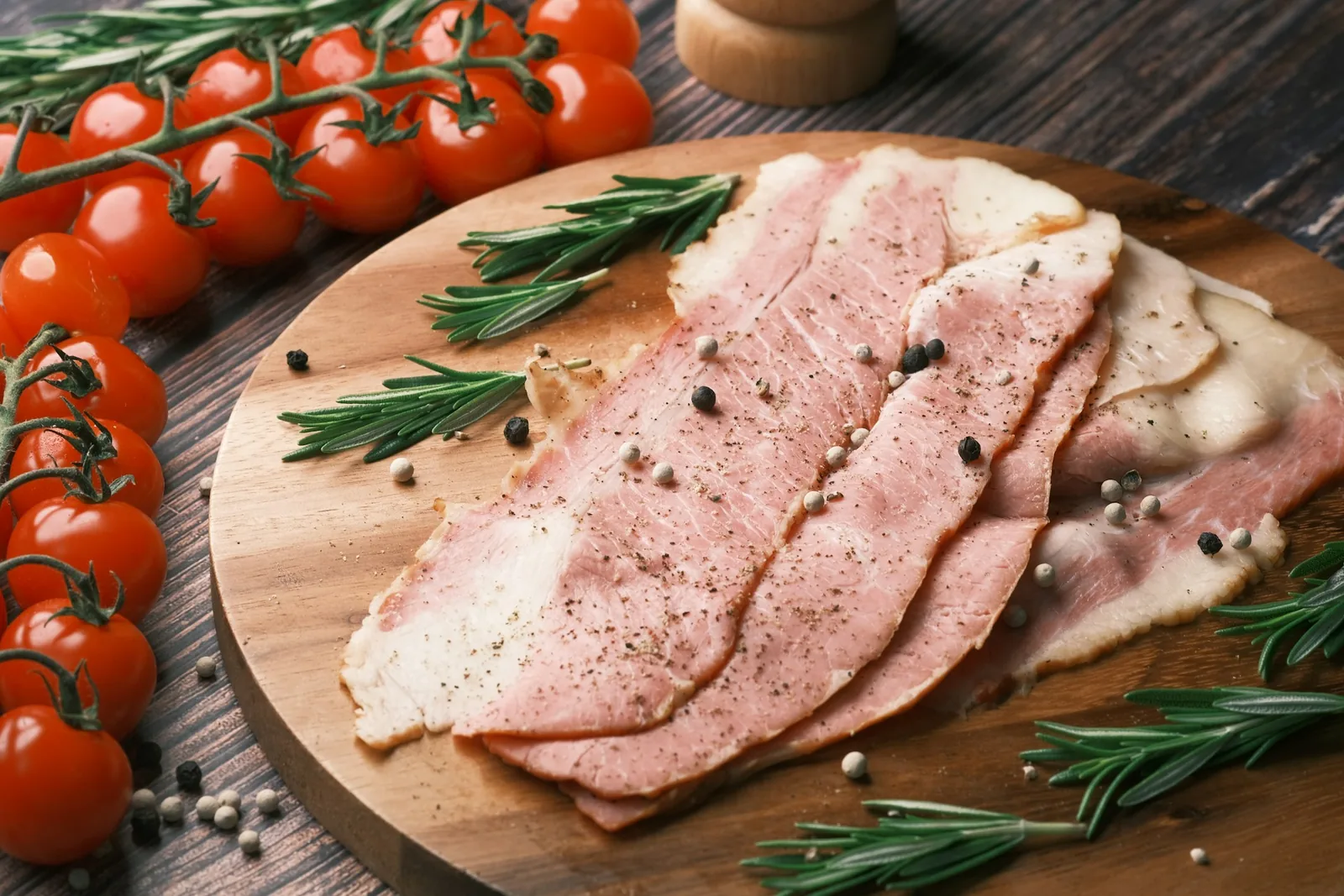
Hawaiian pizza is Canadian
It was created in Ontario, Canada, in the early 1960s, by a Greek-born cook running a restaurant there. The name came from the brand of tinned pineapple.
So the dish claimed as an offence against Italian tradition was never Italian in the first place, and never pretended to be. It belongs to the same North American tradition that produced most of what a neighbourhood pizzeria actually serves.
That matters for the argument. A pizza does not become inauthentic by adding pineapple; it was already a North American pizza. Nobody is defending anything that existed before 1960.
The real fault is water, not sweetness
Here is the part the shouting misses entirely.
Tinned pineapple is packed in juice, and pineapple is largely water regardless. Put it on a pizza straight from the tin and all of that liquid ends up on the base during the bake — the same mechanism that makes wet vegetables a problem.
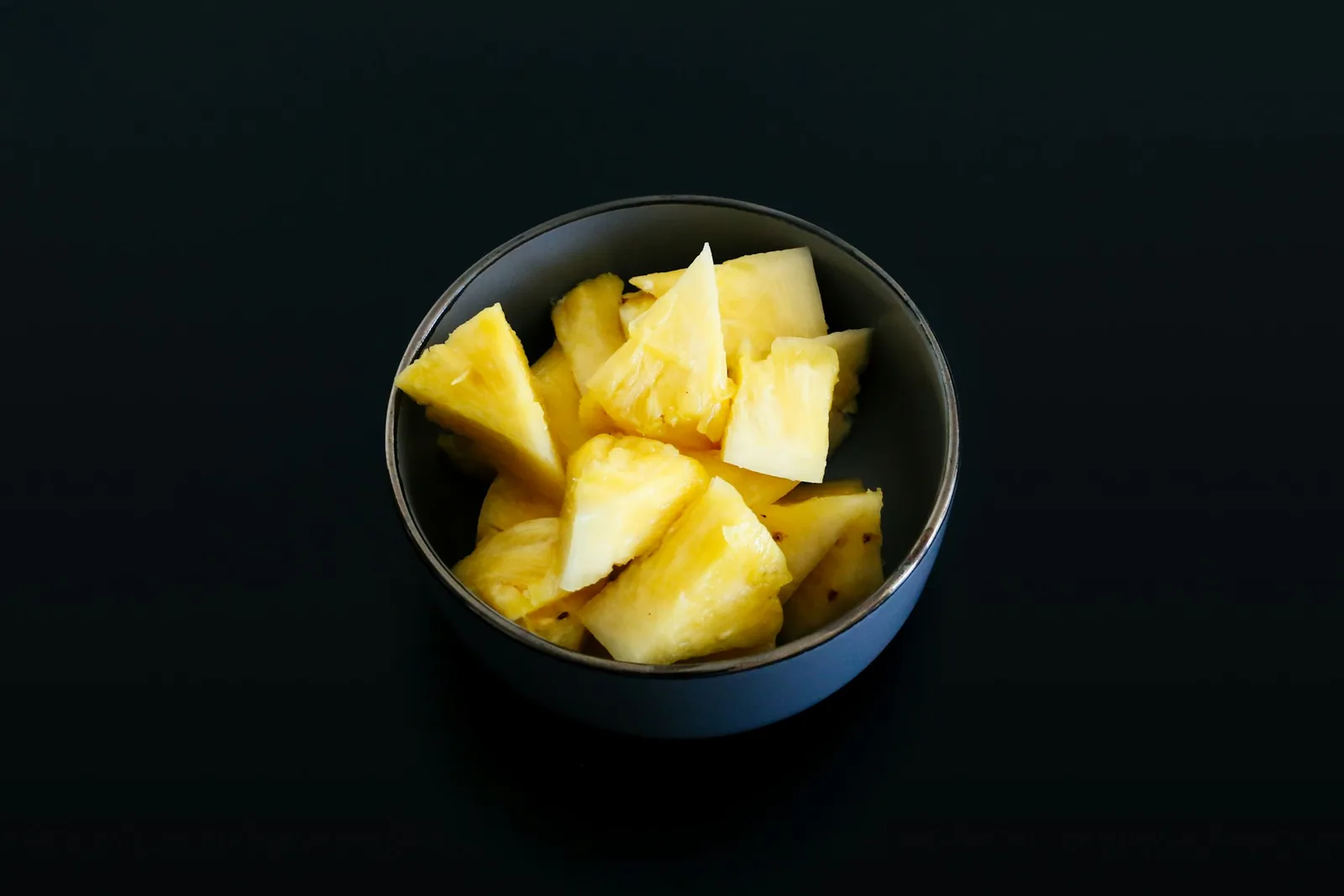
A soggy middle is what most people actually taste when a Hawaiian goes wrong. They blame the sweetness because sweetness is the thing they were already suspicious of, but the failure is textural.
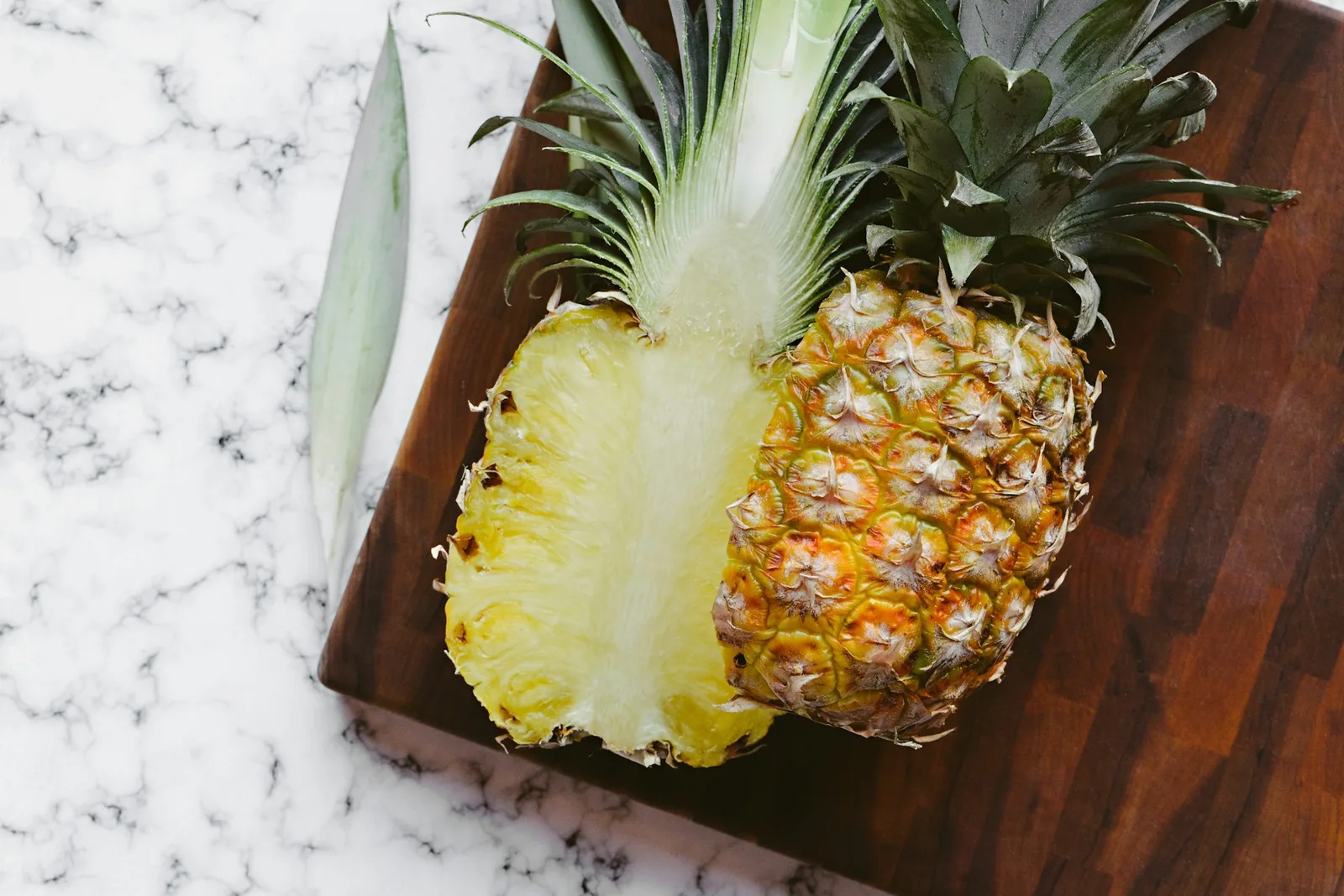
Drained thoroughly and cut into modest pieces, pineapple releases no more liquid than a sliced tomato. That single step is the difference between the version people rave about and the version that gave the dish its reputation.
When it works
It works when something salty is pulling hard in the other direction.
Ham is the standard partner and the reason is not sentimental — cured pork is salty enough to stand up to the sweetness without being overwhelmed. Bacon does the same job with more smoke. A plain cheese pizza with pineapple and nothing else tends to taste flat, because there is nothing for the fruit to push against.
- Ham or bacon — salt against sweet, the entire mechanism.
- Red onion — sharpness that sits between the two.
- Chilli flakes — heat and sweet is a well-established pairing.
- Jalapeño — the same idea with acid attached.
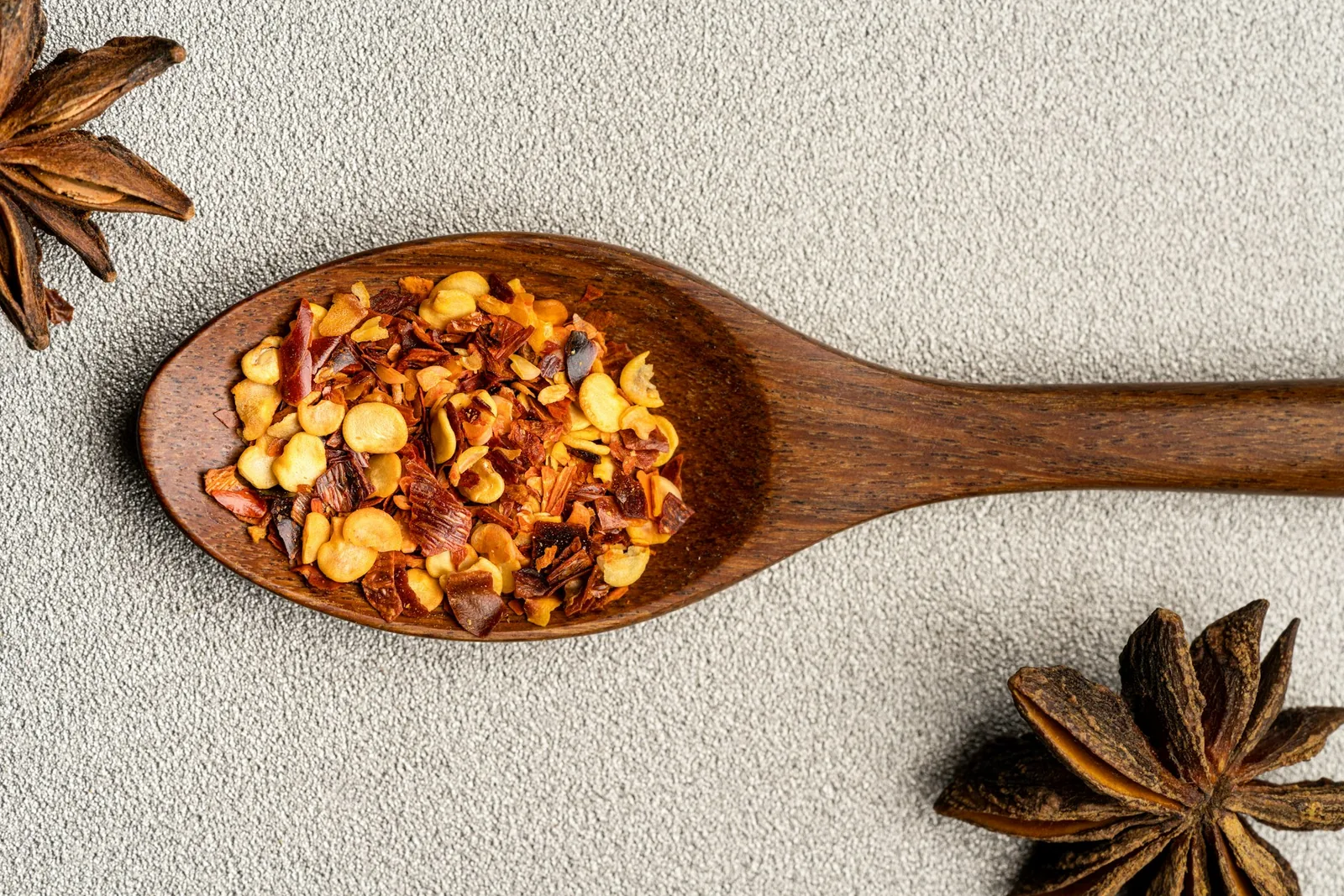
What it does not want is a second sweet element. Sweetcorn, caramelised onion and barbecue sauce alongside pineapple gives you a pizza with no savoury anchor at all, which is where the dish earns its critics.
Why the cheese matters more than you’d think
Mozzarella is mild, fatty and slightly milky, and that is doing quiet work under the fruit.
Fat coats the tongue and blunts sharp flavours, which is why a strongly acidic topping is far less aggressive on a pizza than it is on its own. Swap in a sharper cheese and the balance shifts immediately — the acid has less to push against and the whole thing reads as sour rather than sweet.
It is the same reason our guide to cheese on pizza treats mozzarella as a base rather than a flavour. Here it is functioning almost as a buffer, and a Hawaiian made with a low-moisture mozzarella is a noticeably calmer thing than one made with something sharp.
How to order it
Two things make the difference on a takeaway order.
- Ask for it well done. A longer bake drives off more of the fruit’s moisture, which is precisely the problem you are managing.
- Keep the topping count low. Pineapple plus one salty meat is the balanced version. Piling on more fights it.
Both are covered in more detail in our guide to customising an order, and both matter more here than on almost any other pizza.
Ray’s lists a Hawaiian Pizza among its gourmet pizzas.
Pizza Questions, Answered.
Does pineapple belong on pizza?
It is a normal sweet-and-salty pairing, the same idea as ham with melon. The objection is cultural rather than culinary – the combination itself is unremarkable.
Is Hawaiian pizza Italian?
No. It was created in Ontario, Canada, in the early 1960s, and named after the brand of tinned pineapple used on it.
Why does pineapple make pizza soggy?
Tinned pineapple is packed in juice and the fruit is largely water. Undrained, that liquid ends up on the base during the bake. Draining it thoroughly removes most of the problem.
What goes well with pineapple on a pizza?
Something salty – ham, bacon – so the sweetness has an opposite. Red onion and chilli also work. Avoid adding a second sweet topping.
The short version
Sweet against salt is ordinary cooking, and the dish is Canadian rather than Italian, so there is less tradition at stake than the argument suggests. The one real fault is water, and draining fixes it.
The Ray’s menu is open daily 10:30am to 9:00pm.
Ray’s Pizza Team
Ray’s Pizza & Sub Shop is a neighborhood pizzeria at 95 Woodstown Rd, Swedesboro, New Jersey, serving pizza, stromboli, hot and cold subs and dinners seven days a week from 10:30am to 9:00pm. These guides are written by the people behind the counter.
Visit Ray’sMore From Ray’s