Pizza Topping Combinations That Actually Work
Good combinations balance salt, fat, acid and moisture. Bad ones usually fail on the last of those.
A pizza is a salt-and-fat delivery system on a bread base. The combinations that work add acid to cut the fat, aromatics to give it lift, and keep moisture under control so the base survives the bake.
That last one is the difference between a good pizza and a soggy one, and it is the one most topping lists never mention.
| Topping | Brings | Water released |
|---|---|---|
| Pepperoni | Salt, fat | None |
| Sausage | Salt, fat | Little |
| Mushroom | Savoury depth | A lot |
| Fresh tomato | Acid, sweetness | A lot |
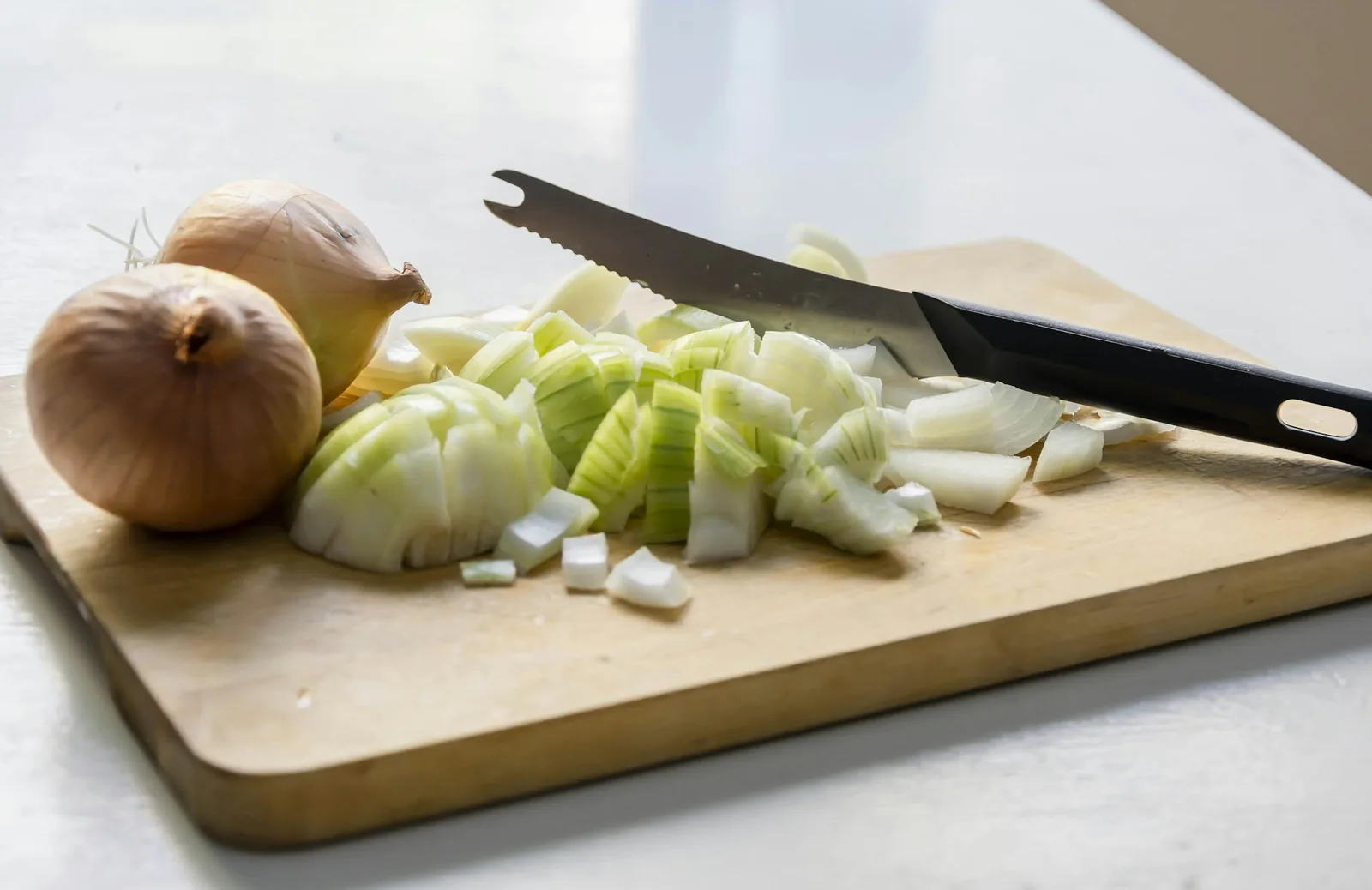
| Onion | Sweetness | Some |
| Olives | Salt | None |
| Basil (after bake) | Aroma | None |
Why some combinations work
Think in four roles. A salty element — cured meat, hard cheese, olives. A fatty one, usually the cheese. Something acidic to stop it cloying: tomato, pickled peppers, a squeeze of lemon after the bake. And an aromatic: garlic, basil, oregano, onion.
Most combinations that disappoint are missing the acid. Meat, cheese and more meat tastes flat by the third slice because nothing is cutting through it.
- SaltCured meat, hard cheese, olives, anchovy.
- FatMozzarella, and whatever the meat renders.
- AcidTomato, pickled peppers, red onion.
- AromaticGarlic, basil, oregano, chilli.
- RestraintEvery extra topping takes something from the rest.
The moisture problem
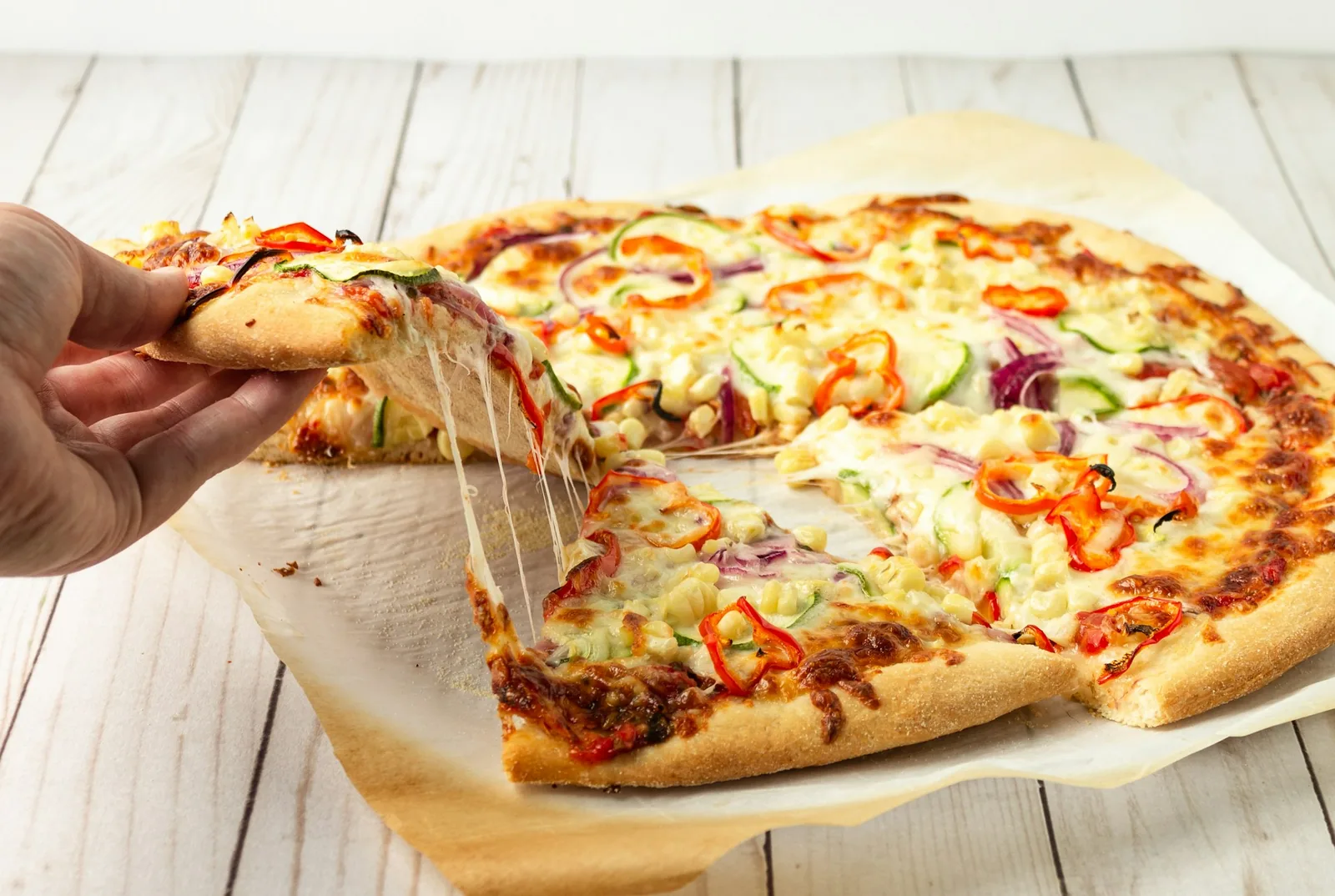
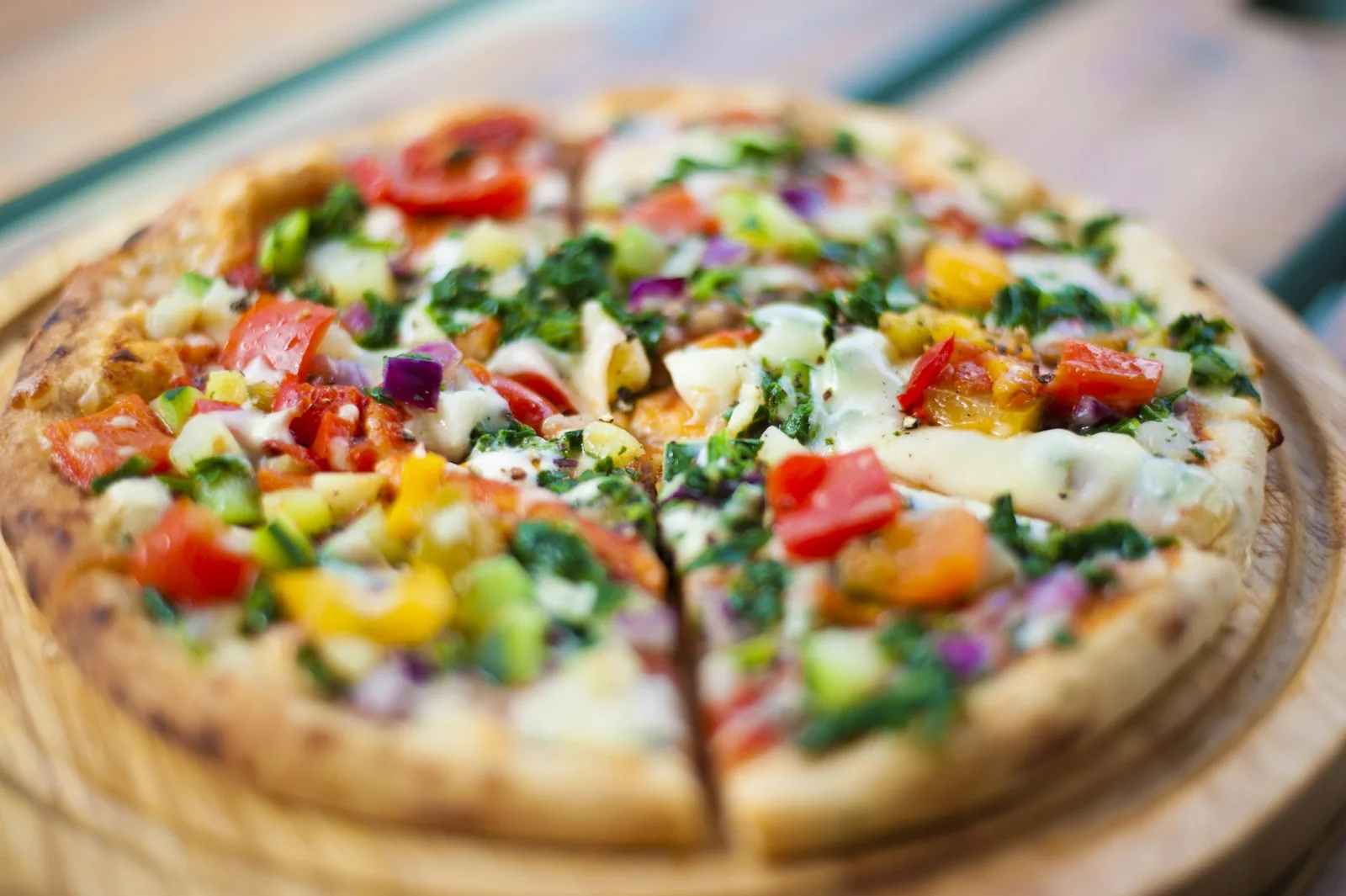
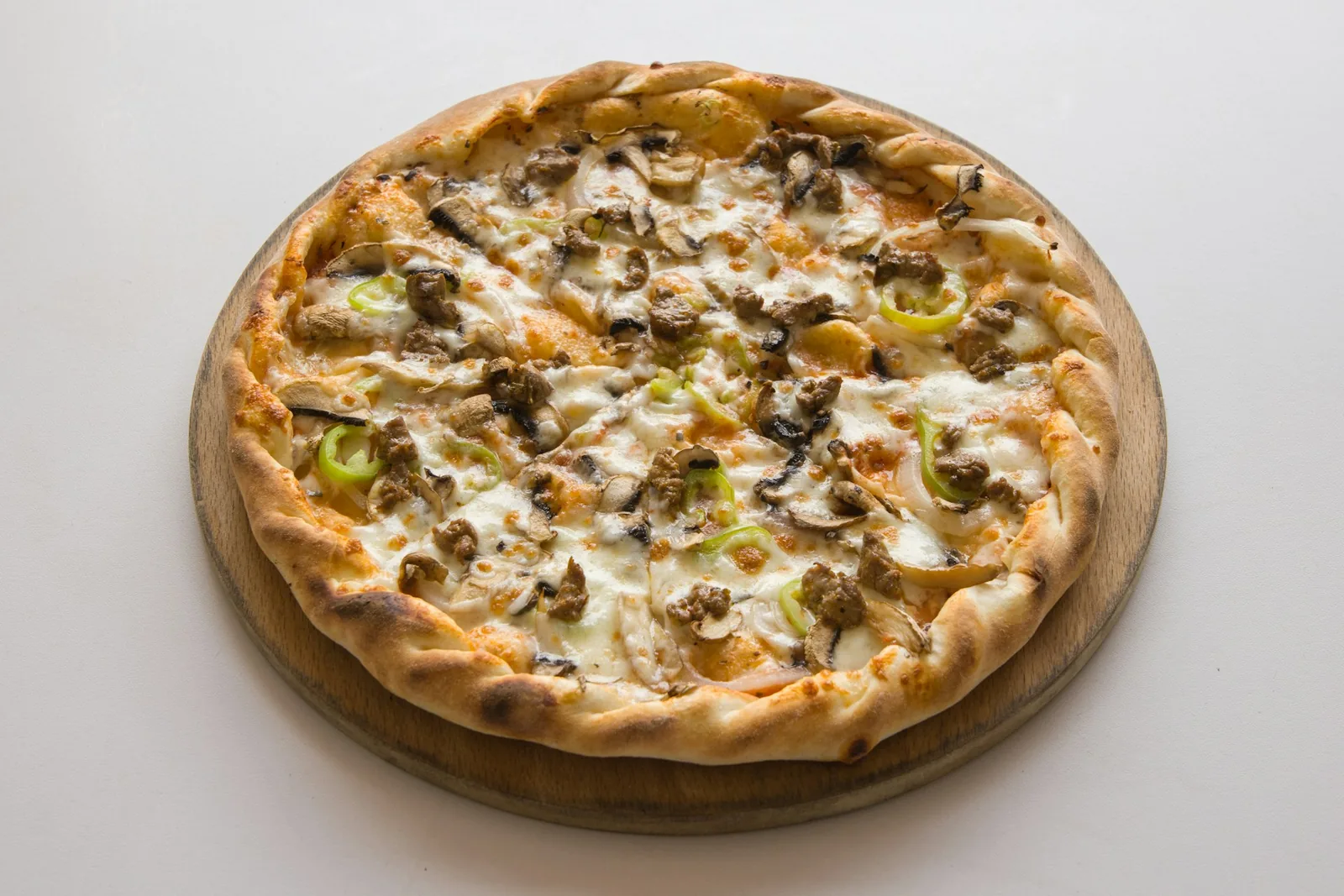
Raw vegetables release water as they heat. On a pizza that water has nowhere to go except down into the base, which is why a loaded vegetable pizza can arrive with a wet middle.
The worst offenders are mushrooms, fresh tomato, courgette and peppers. It is not a reason to avoid them — it is a reason not to pile four of them on at once.
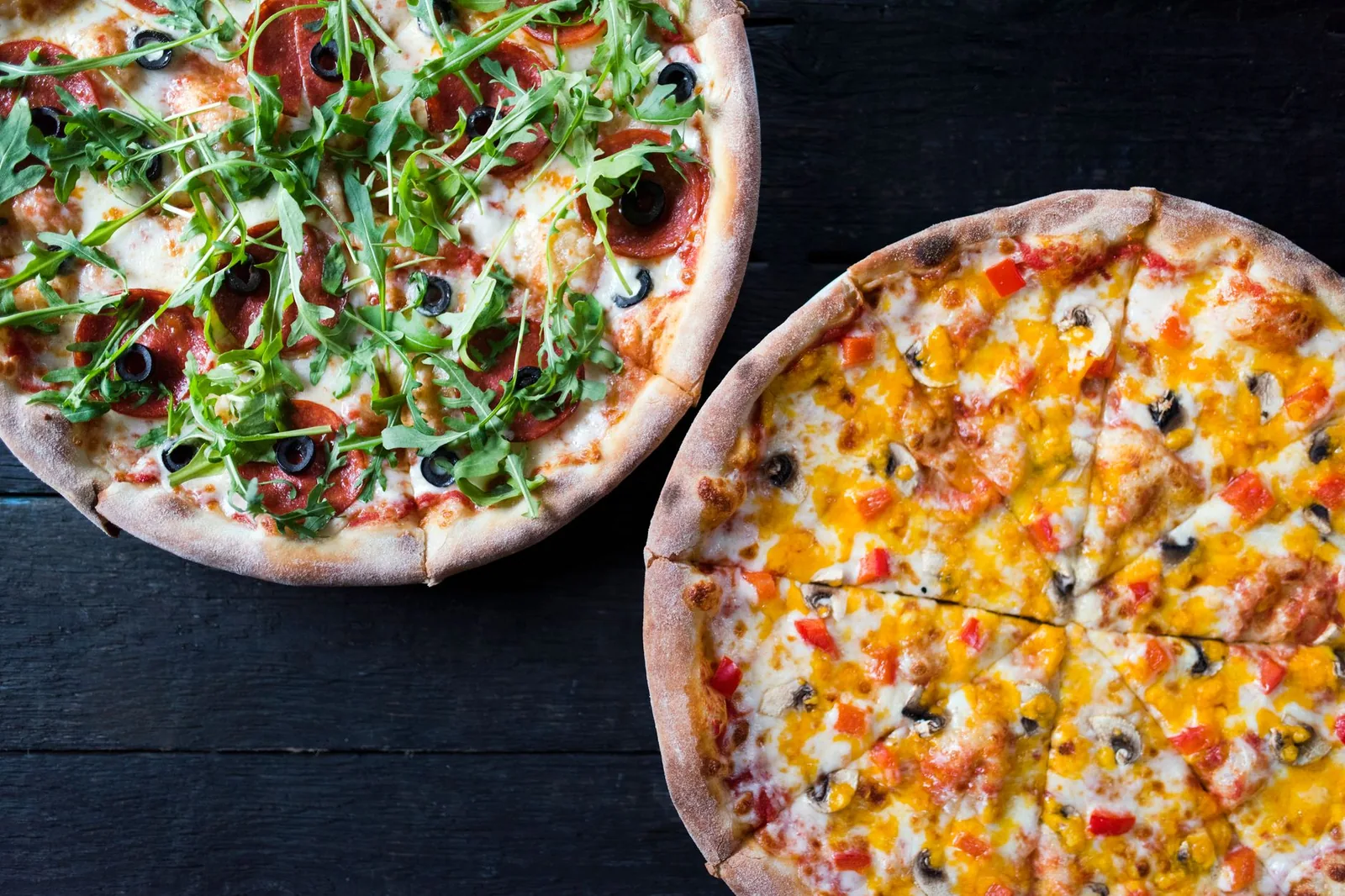
Anything added after the bake dodges the problem entirely. Rocket, fresh basil, a drizzle of oil and shaved hard cheese all work better as finishers.
Combinations worth ordering
Pepperoni and hot honey
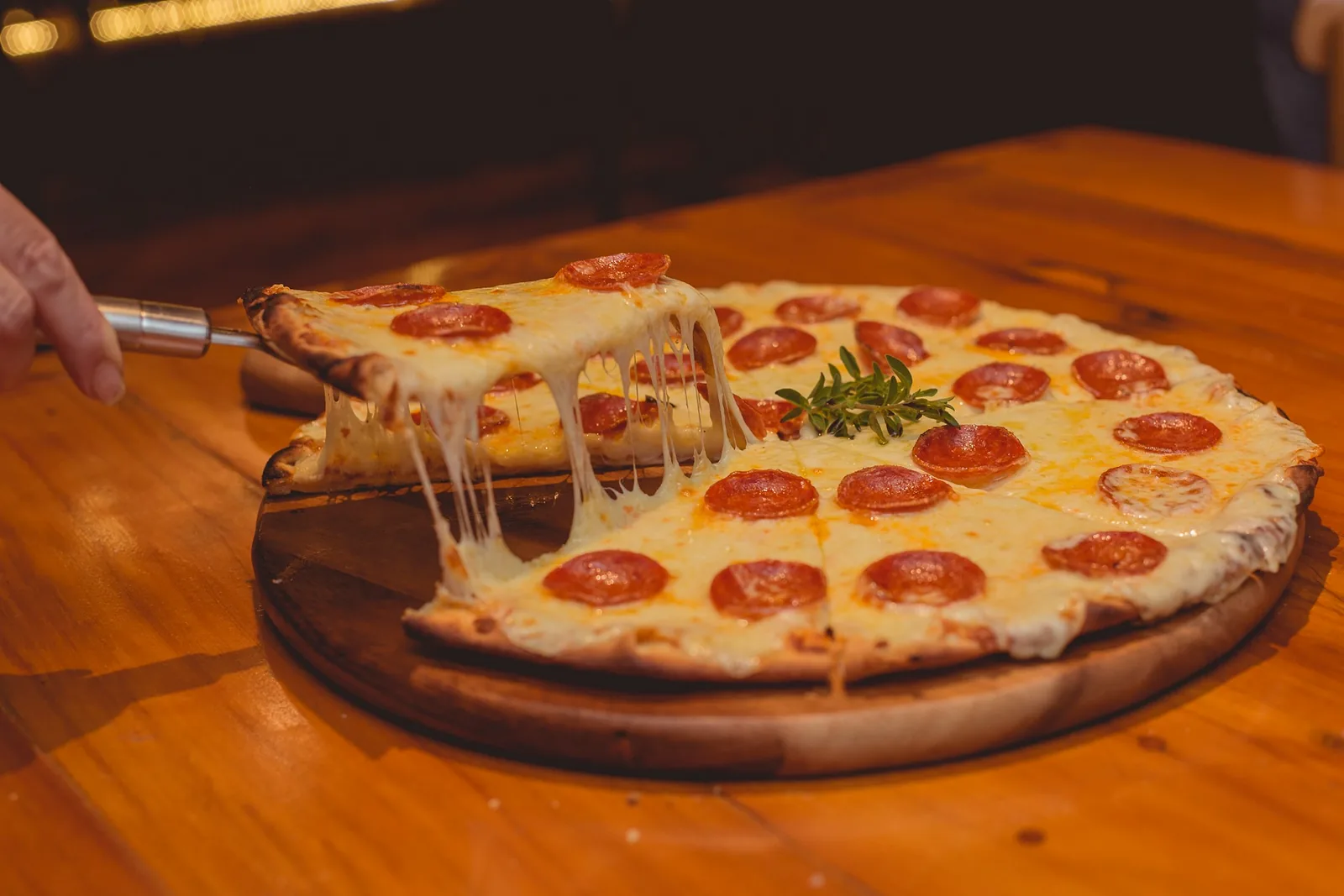
Pepperoni brings salt and fat and crisps into cups that hold rendered oil. Something sweet and sharp against it is the whole point — it turns a one-note pizza into a balanced one.
Sausage, onion and peppers
The sausage covers salt and fat, the onion sweetens as it bakes, and the peppers bring acid. It is a complete build with three toppings, which is the ideal number.
Mushroom, garlic and hard cheese
Earthy rather than salty, so it needs the garlic for lift and a sharp grated cheese for the salt. Keep the mushrooms in a single layer.
Margherita, done properly
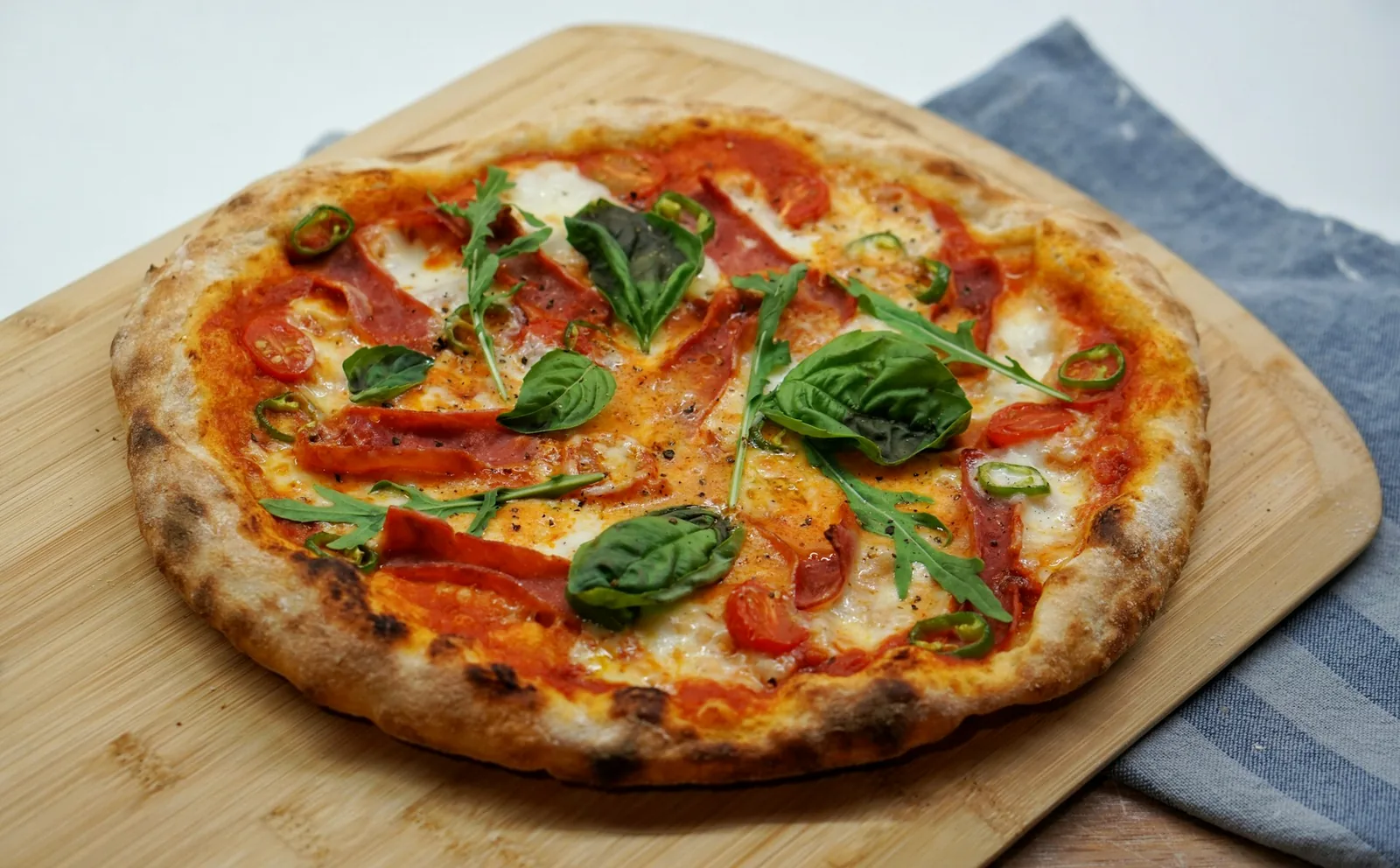
Tomato, mozzarella, basil. Nothing to hide behind, which is why it is the honest test of a pizzeria.
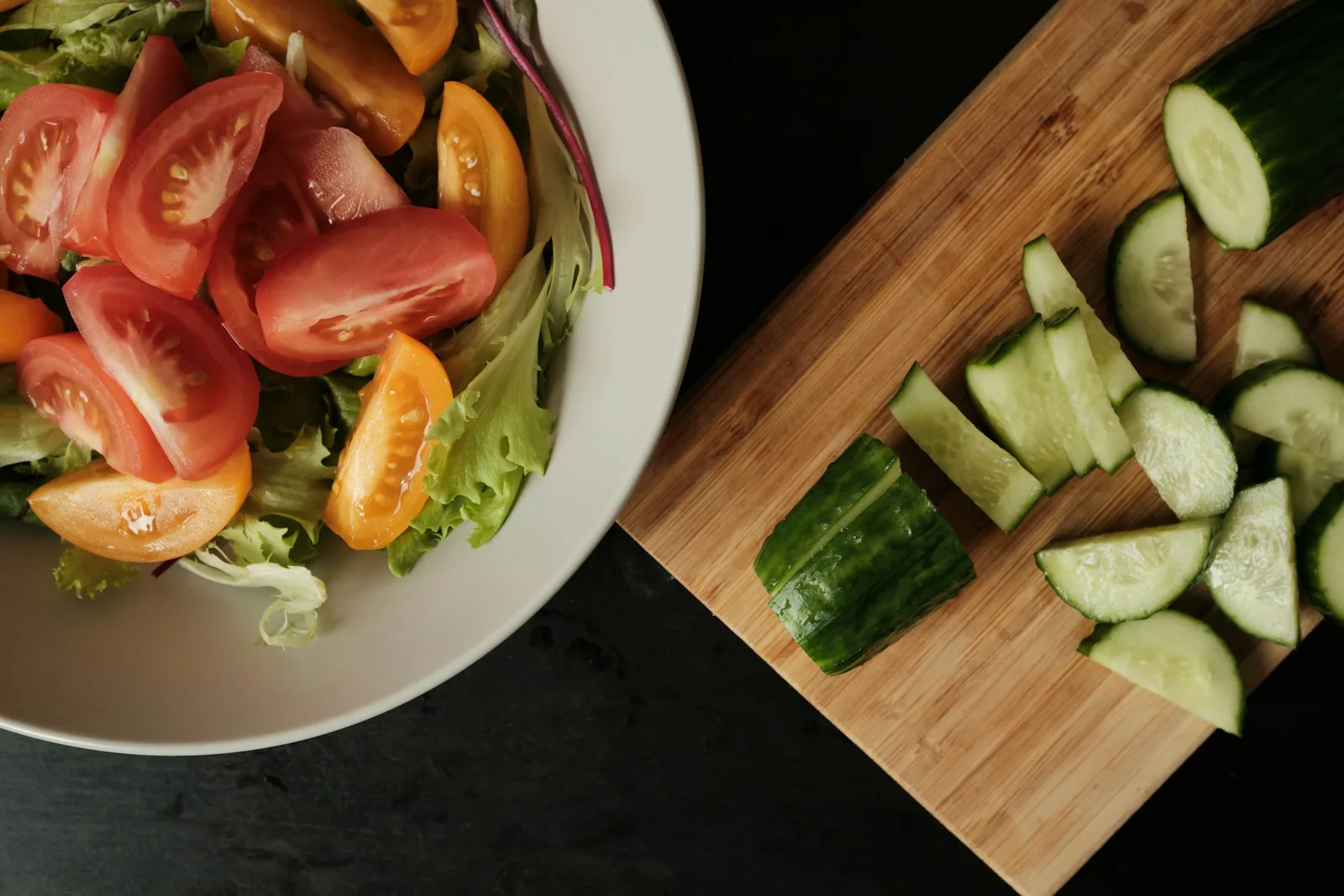
Ray’s gourmet pizzas include Hawaiian, Buffalo Chicken, BBQ Chicken, Chicken Parm, Meat Lover’s, a Vegetarian Special and Ray’s Special, alongside the Cheese, White and Tomato pies.
Building a vegetarian pizza that works
Vegetarian pizzas fail when they become a vegetable dump. Without meat there is no rendered fat and usually not enough salt, so the build has to supply both deliberately.
- Pick one wet vegetable, not three.
- Add something salty that is not just mozzarella — olives, capers, a hard grated cheese.
- Roast or sauté anything watery first if you are making it at home.
- Finish with something fresh after the bake.
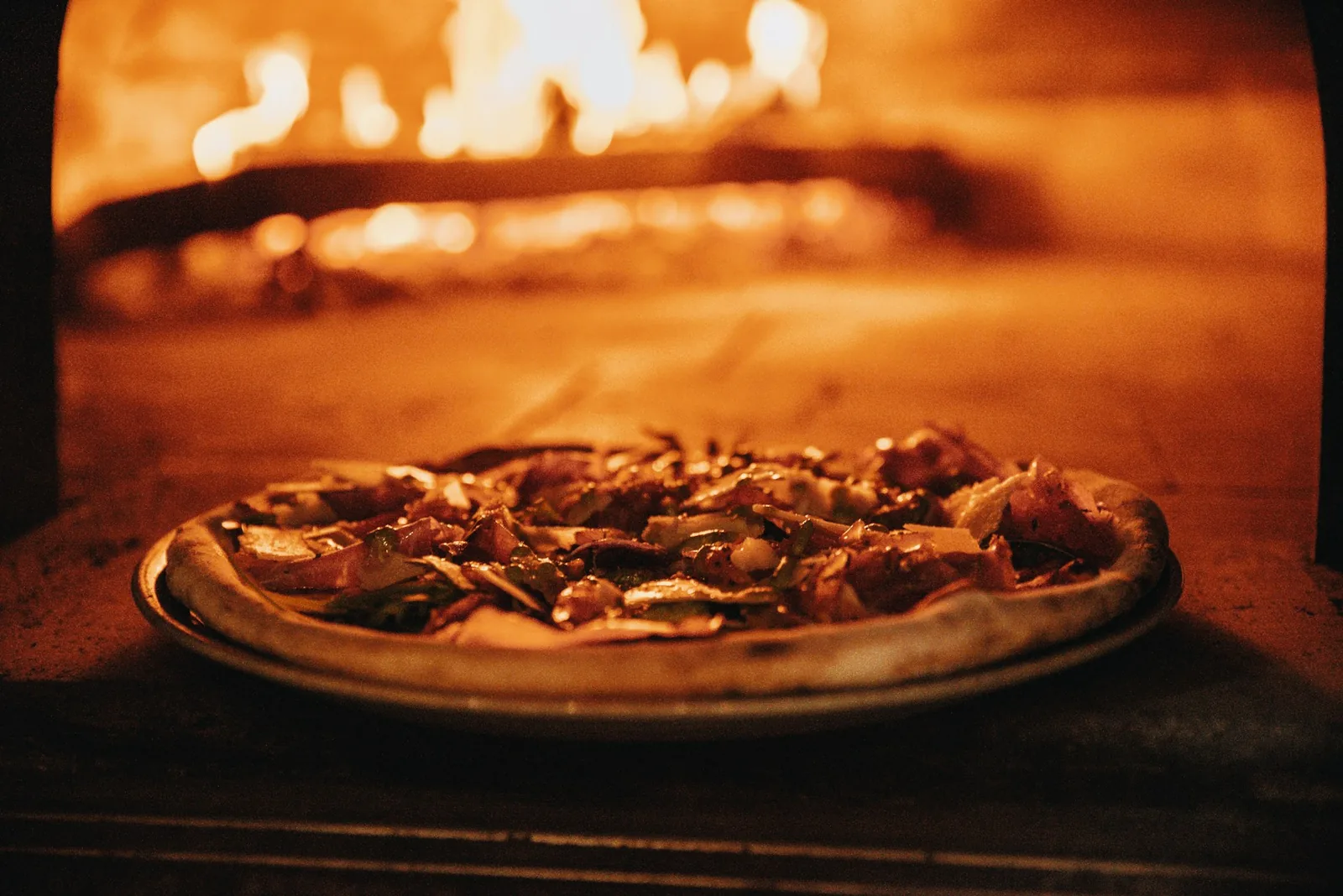
Order matters as much as choice
Where a topping sits changes what it does. Anything under the cheese is insulated: it steams gently and stays soft. Anything on top is exposed to direct heat, so it browns, crisps and renders.
That is why pepperoni almost always goes on top — it needs the heat to curl and crisp. It is also why delicate herbs put on before the bake come out black and bitter, and the same herbs added afterwards taste of something.
Cheese itself is a shield. A vegetable buried under mozzarella will release its water into the cheese layer rather than the base, which is one way to use a wet topping without ruining the crust.
The practical version: meat on top, wet vegetables underneath, fresh everything after the bake.
How many toppings is too many
Three is the sweet spot. Four is fine if one of them is a finisher. Beyond that, the toppings stop tasting like themselves and the bake suffers because there is simply too much sitting on the base.
A loaded pizza is also harder on the crust. If you want five things on it, order a thicker base that can carry the weight.
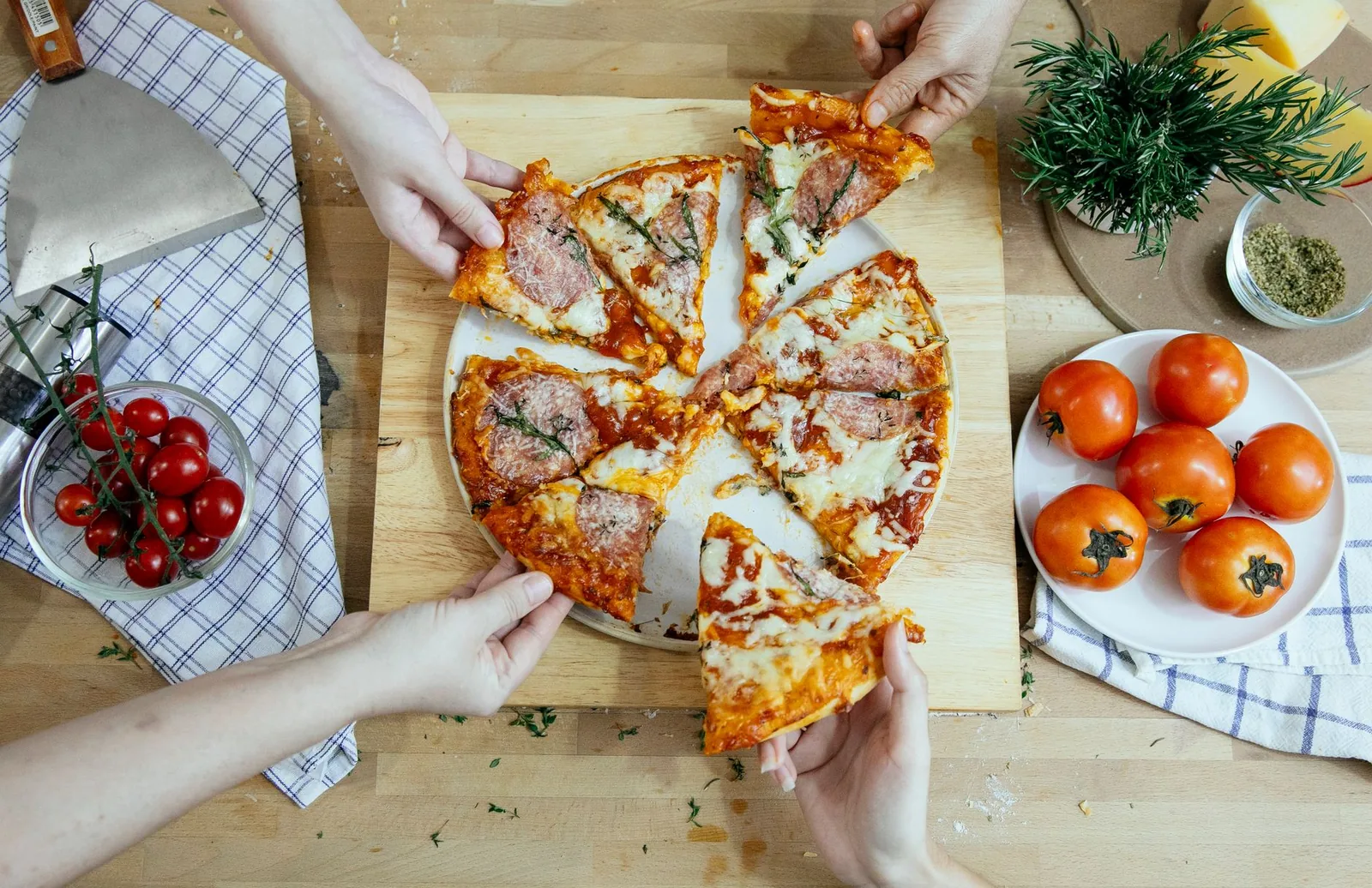
There is a practical version of this rule for groups. Rather than building one pizza with everything on it, order two with three toppings each. You get more variety, both pizzas bake properly, and nobody has to pick something off.
Pizza Questions, Answered.
What are the most popular pizza toppings?
Pepperoni is consistently the most ordered in the US, followed by sausage, mushroom, onion and extra cheese. Popular is not the same as best-balanced, though.
Why does my pizza go soggy in the middle?
Usually too many watery toppings. Mushrooms, fresh tomato and peppers release water as they cook, and on a thin base it has nowhere to go.
Should toppings go under or over the cheese?
Under the cheese protects delicate items from the heat; over it lets meat crisp. Most pizzerias put meat on top and vegetables underneath.
What goes well with pepperoni?
Something sweet or sharp to cut the fat – hot honey, pickled peppers, or red onion. Piling on a second salty meat tends to flatten it.
The short version
Salt, fat, acid, aromatic. One wet vegetable at most, three toppings as a rule, and put anything fresh on after the bake rather than before it.
If you are choosing a base to carry it, our guide to pizza crust styles covers which one holds a heavy load, and the current gourmet range is on the menu.
Ray’s Pizza Team
Ray’s Pizza & Sub Shop is a neighborhood pizzeria at 95 Woodstown Rd, Swedesboro, New Jersey, serving pizza, stromboli, hot and cold subs and dinners seven days a week from 10:30am to 9:00pm. These guides are written by the people behind the counter.
Visit Ray’sMore From Ray’s