Frozen Pizza vs a Pizzeria Pizza
It is not mainly about ingredient quality. It is about oven temperature, dough that was never frozen, and the fact that one of them was made twenty minutes ago.
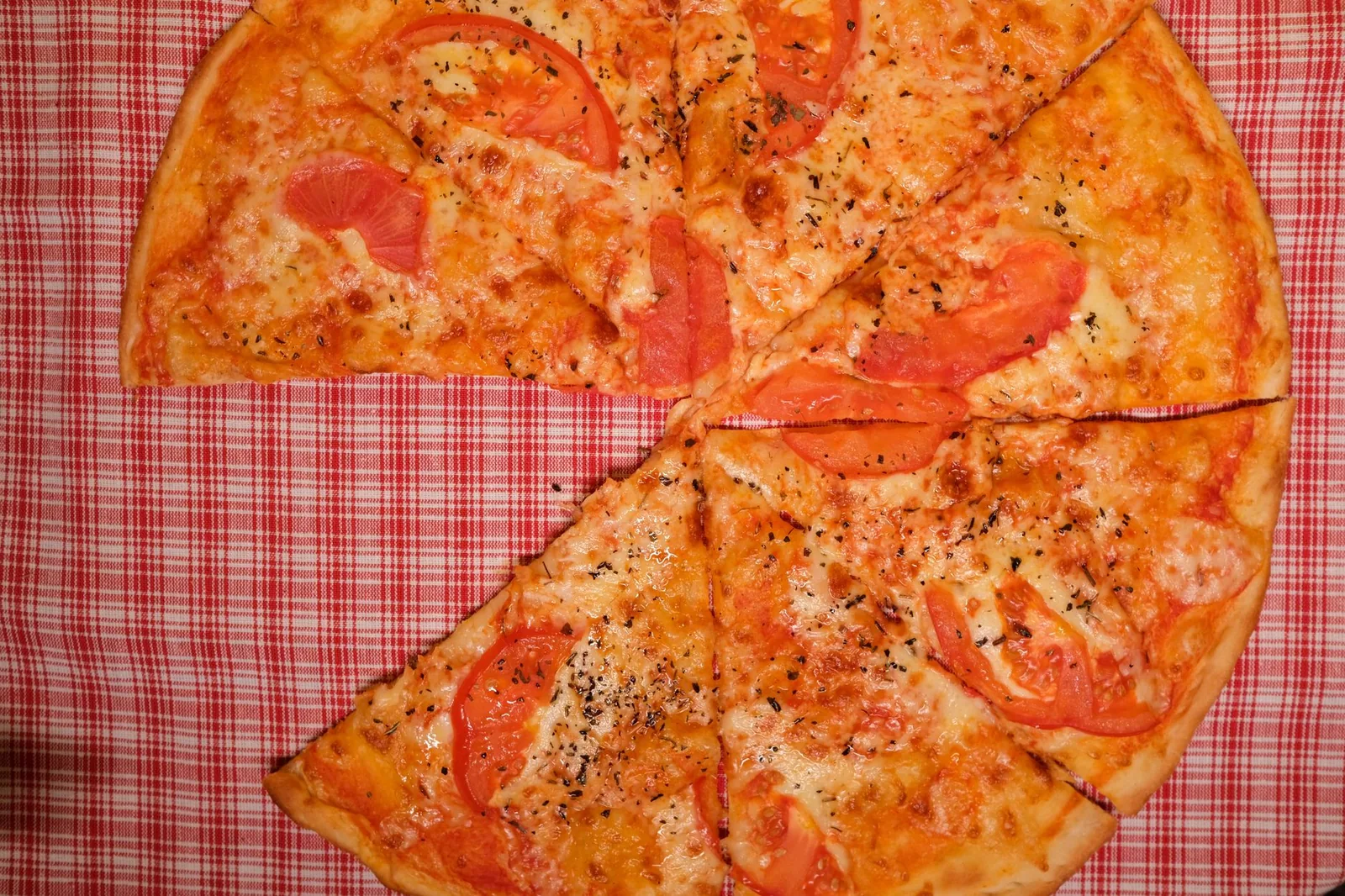
Most comparisons of frozen and pizzeria pizza talk about ingredients. That is the least interesting difference, and often not much of one — flour, tomato and mozzarella are not exotic.
The real gaps are three: the temperature the pizza is cooked at, whether the dough was ever frozen, and how long ago it was made.
| Frozen at home | Made in a pizzeria | |
|---|---|---|
| Oven temperature | Domestic maximum | Far hotter, deck or conveyor |
| Bake time | Fifteen to twenty minutes | A few minutes |
| Dough | Frozen, then thawed | Proved and used |
| Cheese | Applied before freezing | Applied minutes before baking |
| Age when eaten | Weeks or months | Minutes |
The oven is the biggest single gap
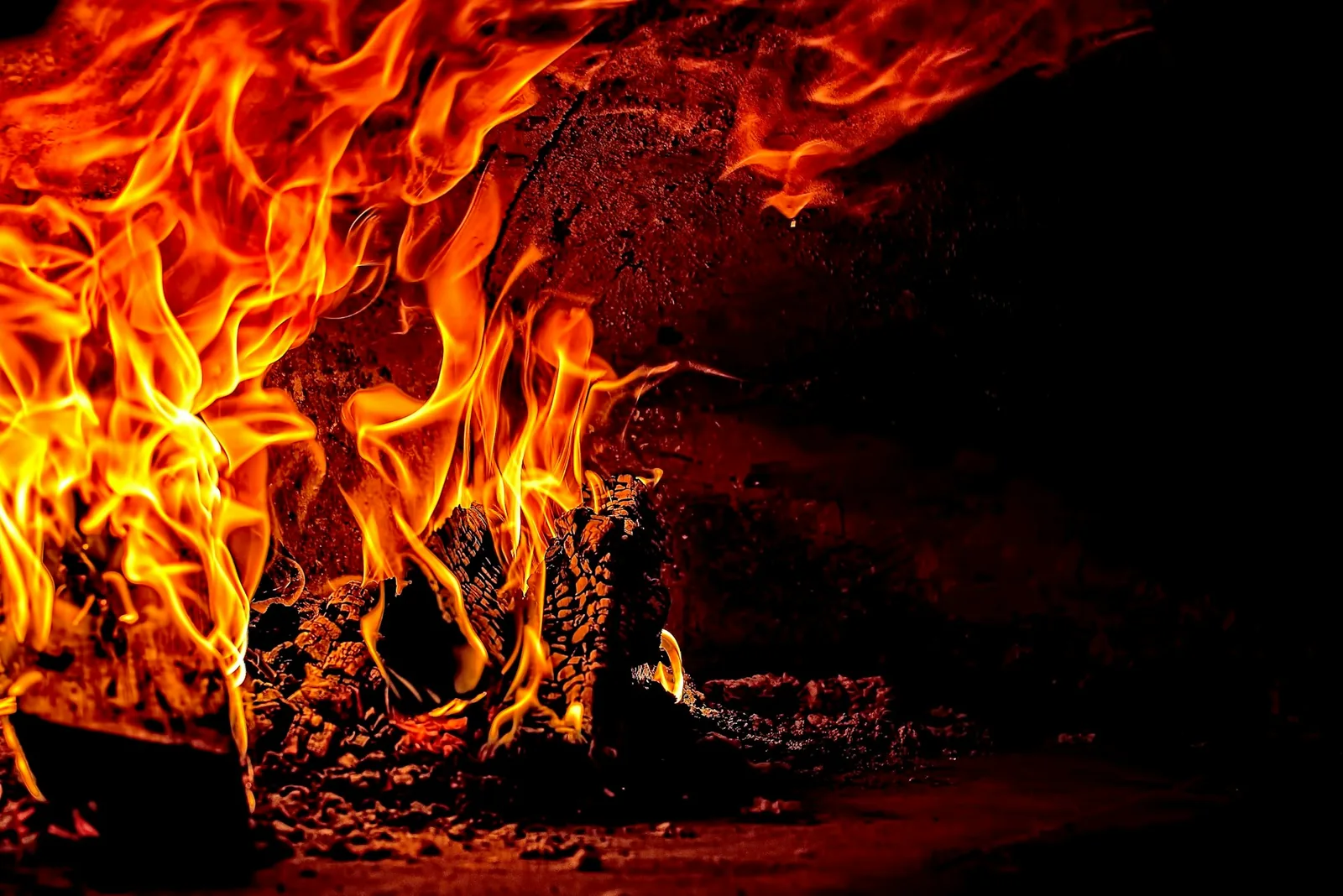
A domestic oven has a ceiling, and it is well below what a pizza wants. A commercial deck oven runs far hotter, and a wood-fired one hotter still.
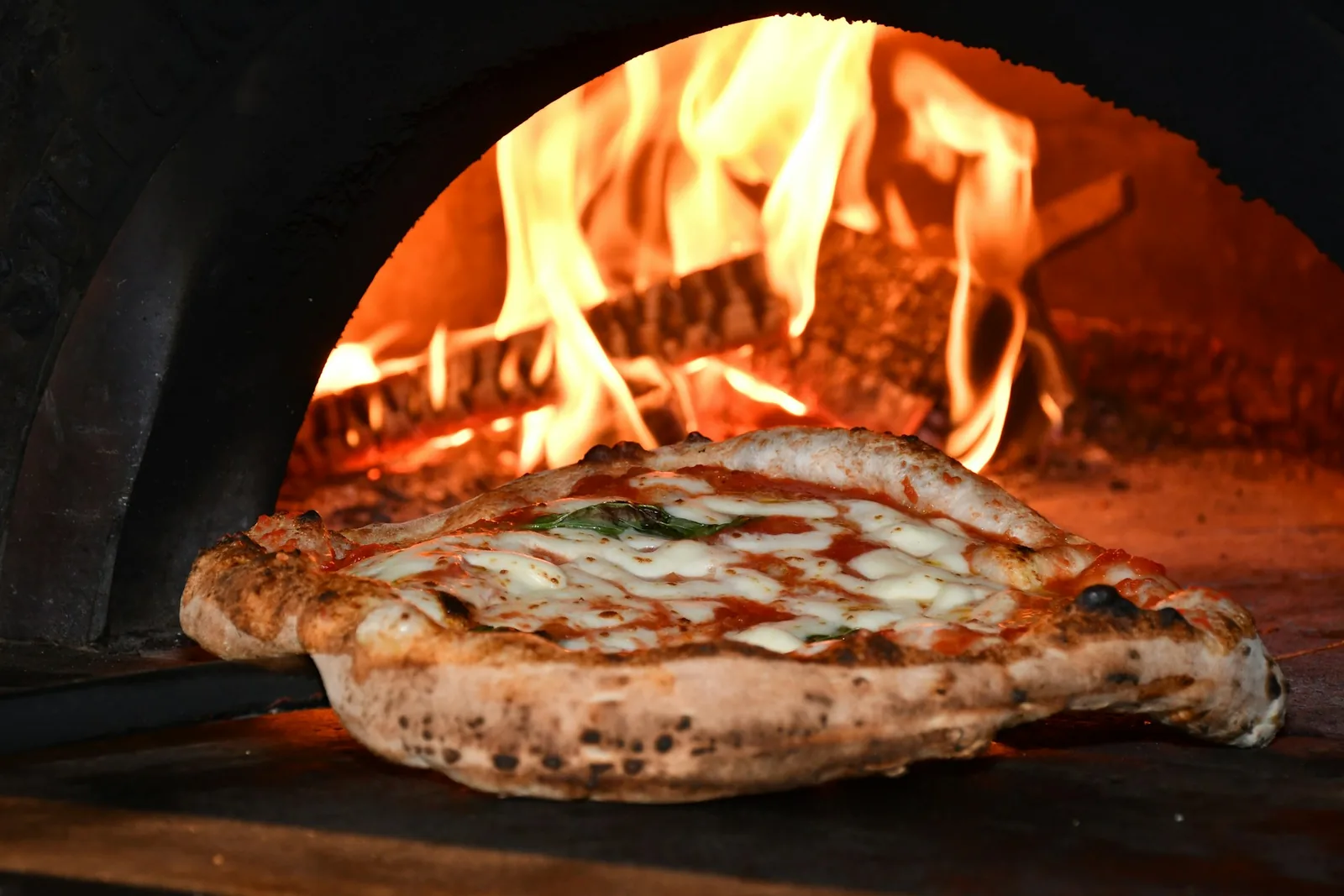
Temperature does not simply speed things up — it changes what happens. At a high enough heat the base sets and browns before the moisture in the sauce and cheese can soak into it. The crust is crisp because it was cooked faster than it could go soggy.
At a lower temperature the same pizza spends fifteen or twenty minutes with wet toppings sitting on raw dough. The base is absorbing that moisture the entire time, and by the time it is cooked through it has already been softened from above.
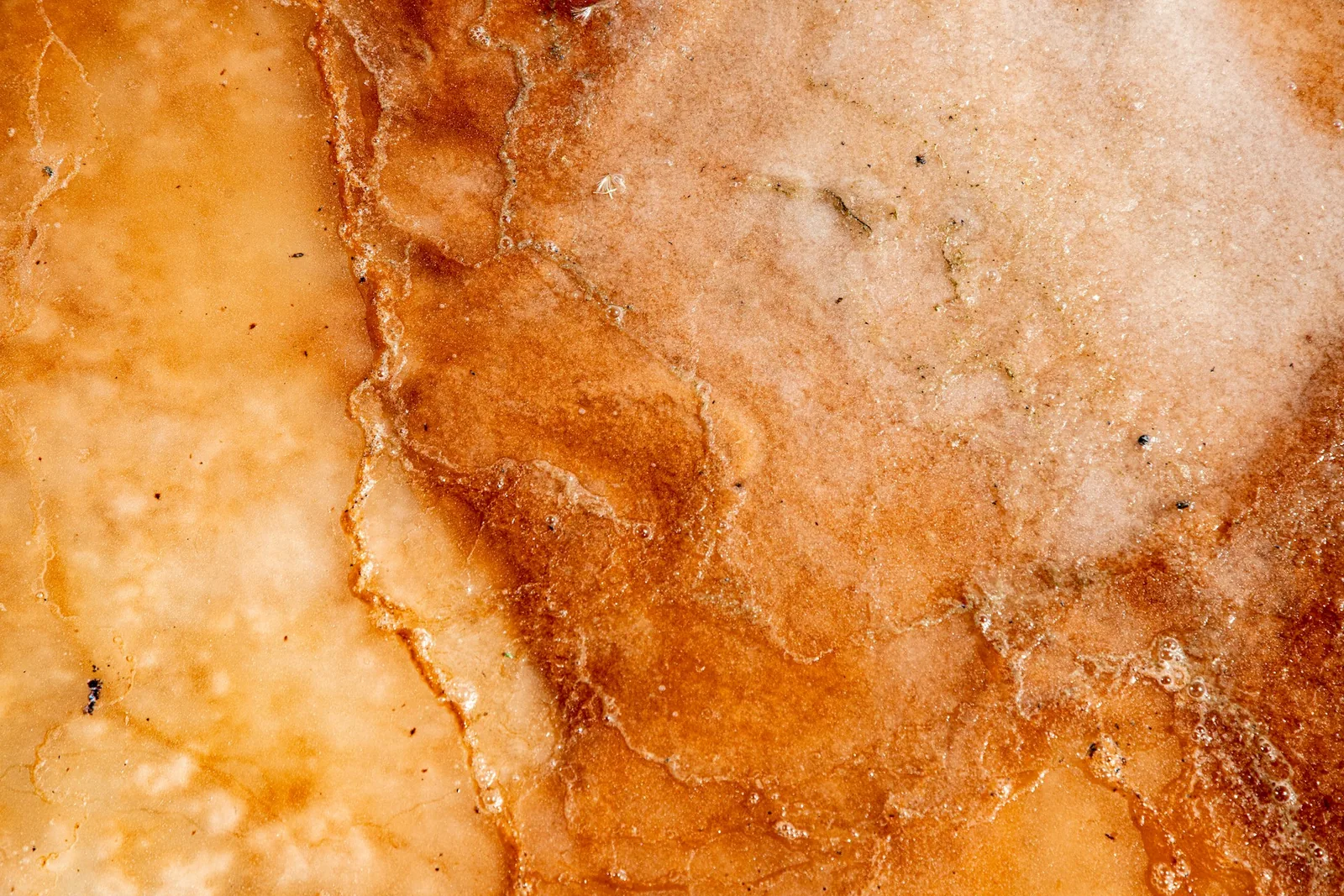
This is the whole argument in one sentence: a hot oven wins a race that a warm oven loses. Our guide to how pizza ovens work goes through the mechanics in more detail.
Freezing damages dough specifically
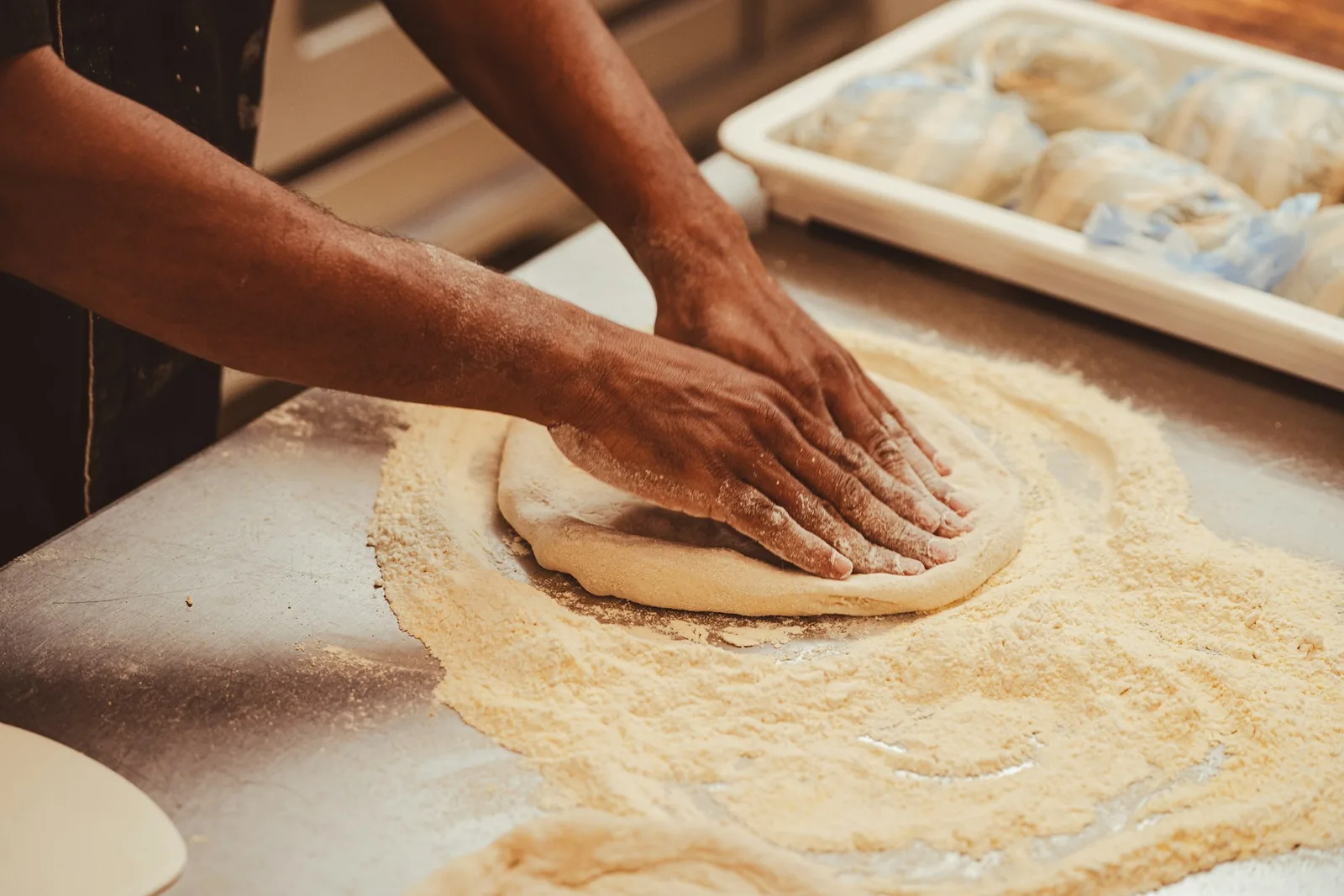
Dough is a gluten network holding pockets of gas produced by yeast. That structure is what makes a good crust chewy and open rather than dense.
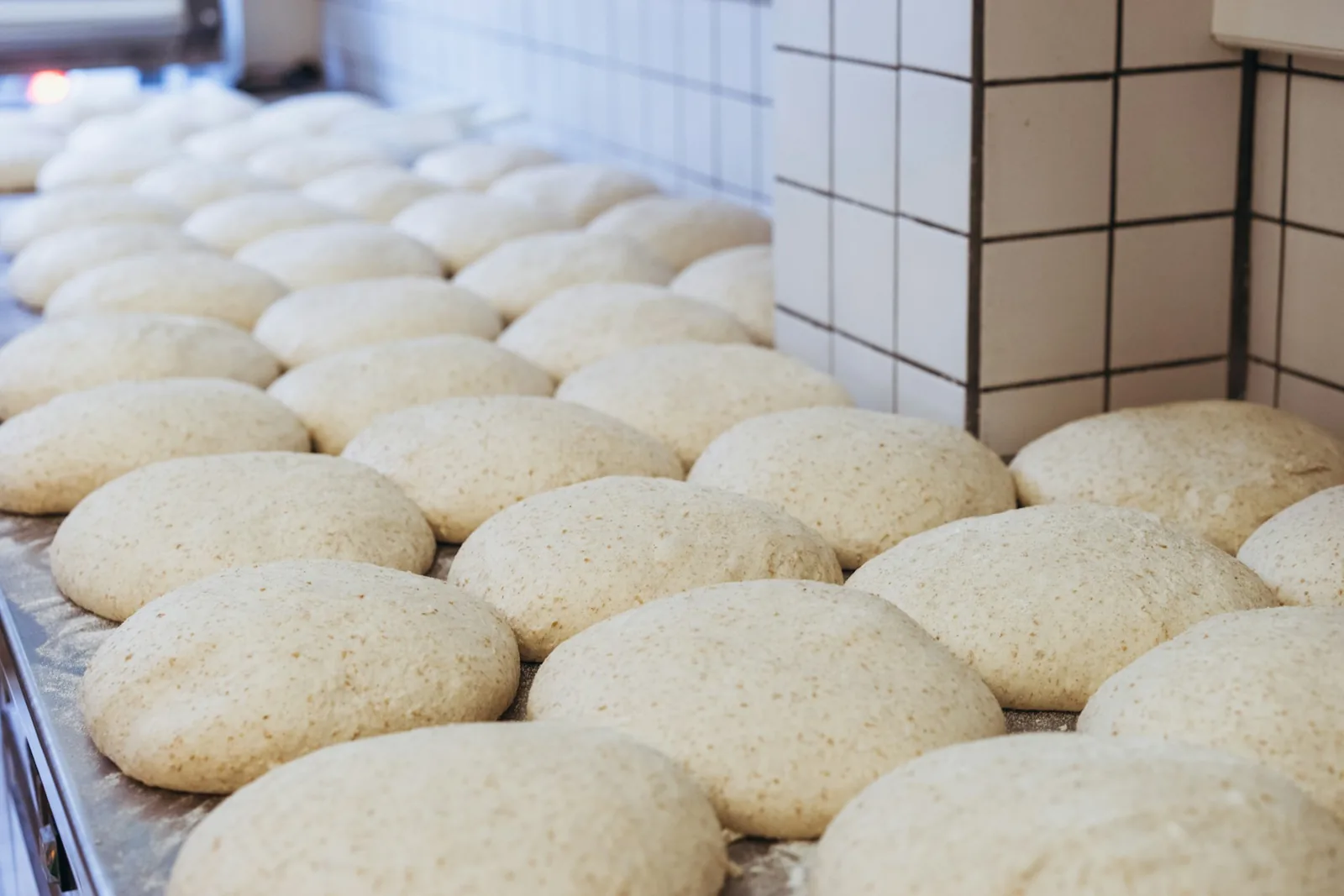
Freezing puts ice crystals through that network. They form between and inside the structures, and as they grow they cut. Thawed, the dough has a weaker gluten network and a good deal of the yeast is dead.
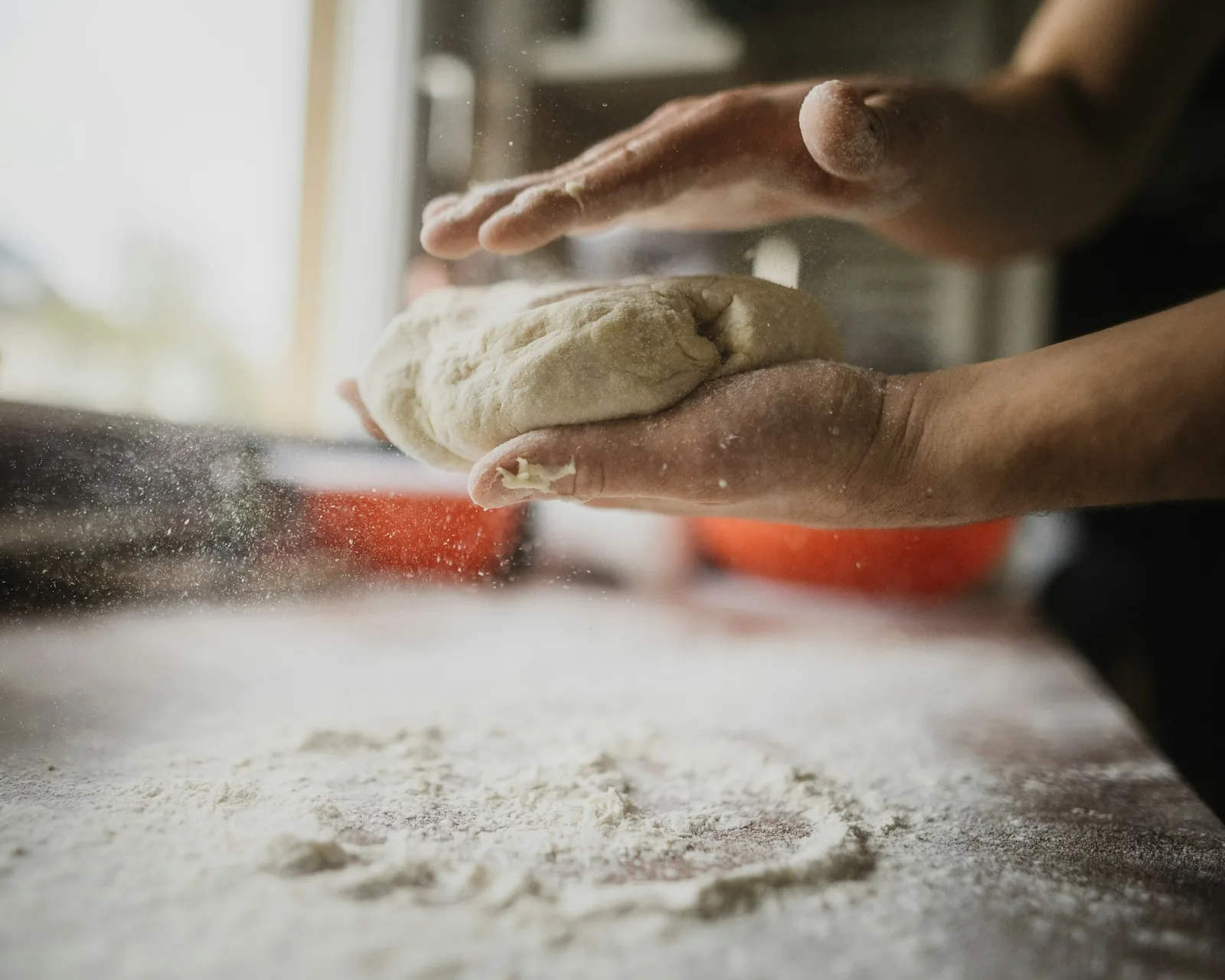
That is why a frozen base is usually either dense and bready or thin and cracker-like, and rarely the open, slightly chewy structure our dough guide describes. The manufacturer is generally choosing which failure to accept.
Made to order is a real advantage
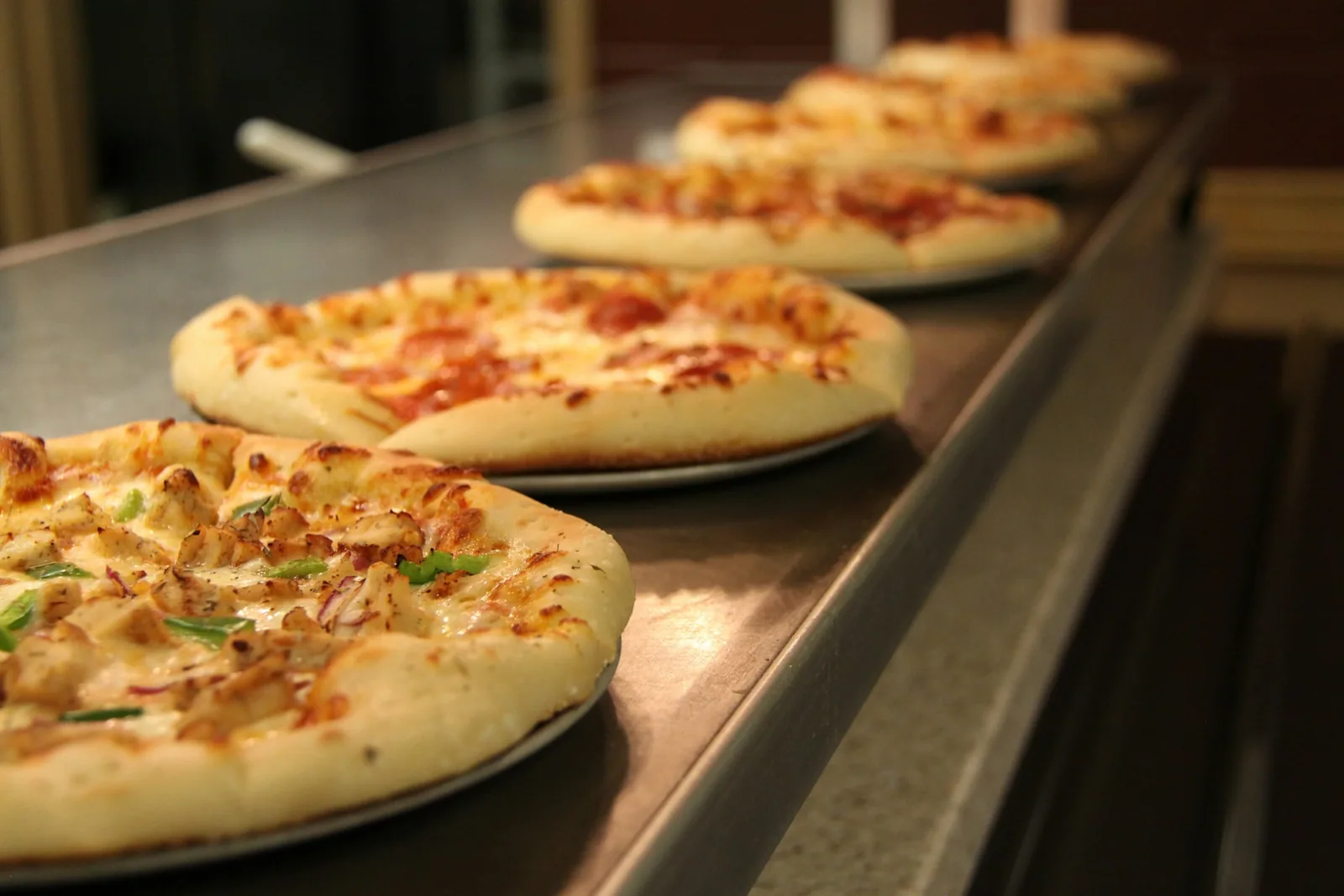
A frozen pizza was assembled at a factory, at speed, with ingredients chosen partly for how they survive freezing and storage.
Cheese has to be a type that freezes and thaws without separating. Sauce has to be stable for months. Vegetables must not turn to mush. Every one of those constraints costs something, and none applies to a pizza built minutes before it is baked.
There is also the simple matter of time. A pizza is at its best within a few minutes of leaving the oven, and everything after that is decline. Our guide to cold pizza makes the case that the decline is enjoyable in its own right, but it is still decline.
What frozen genuinely does better
Being fair about this is worth more than pretending otherwise.
- It is there at eleven at night when nothing is open. That is not a small advantage.
- It is consistent. A factory pizza is the same every time, which a kitchen having a bad night is not.
- It costs less and requires nobody to go anywhere.
- It keeps. A pizza in the freezer is a meal you have not had to decide about yet.
None of that is a claim about how it tastes. It is a claim that frozen pizza is solving a different problem — availability and convenience — and it solves that problem well.
Closing the gap at home
If you are cooking a frozen pizza, three things account for most of the improvement available.
- Preheat hard and long. The oven dial reaching temperature is not the same as the oven being at temperature. Give it another fifteen minutes.
- Heat the surface, not just the air. A tray, steel or stone left in the oven while it preheats transfers heat into the base immediately, which is the one thing a deck oven does that a domestic oven does not.
- Skip the middle rack. Lower is usually better, because the base needs the heat more than the top does.
What does not help is adding more toppings. More moisture on a base already struggling in a cool oven makes the central problem worse, not better.
Why the middle is the tell
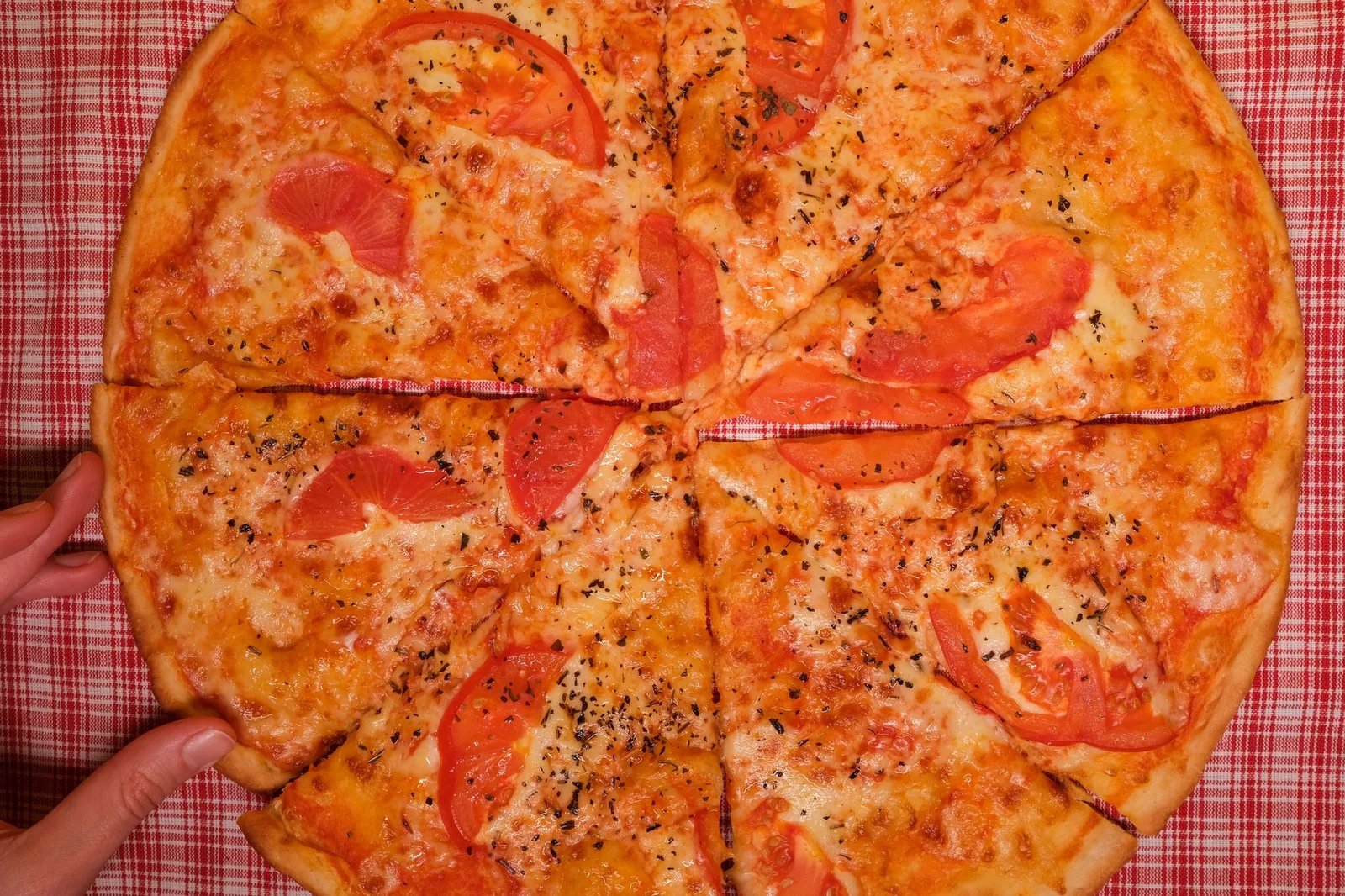
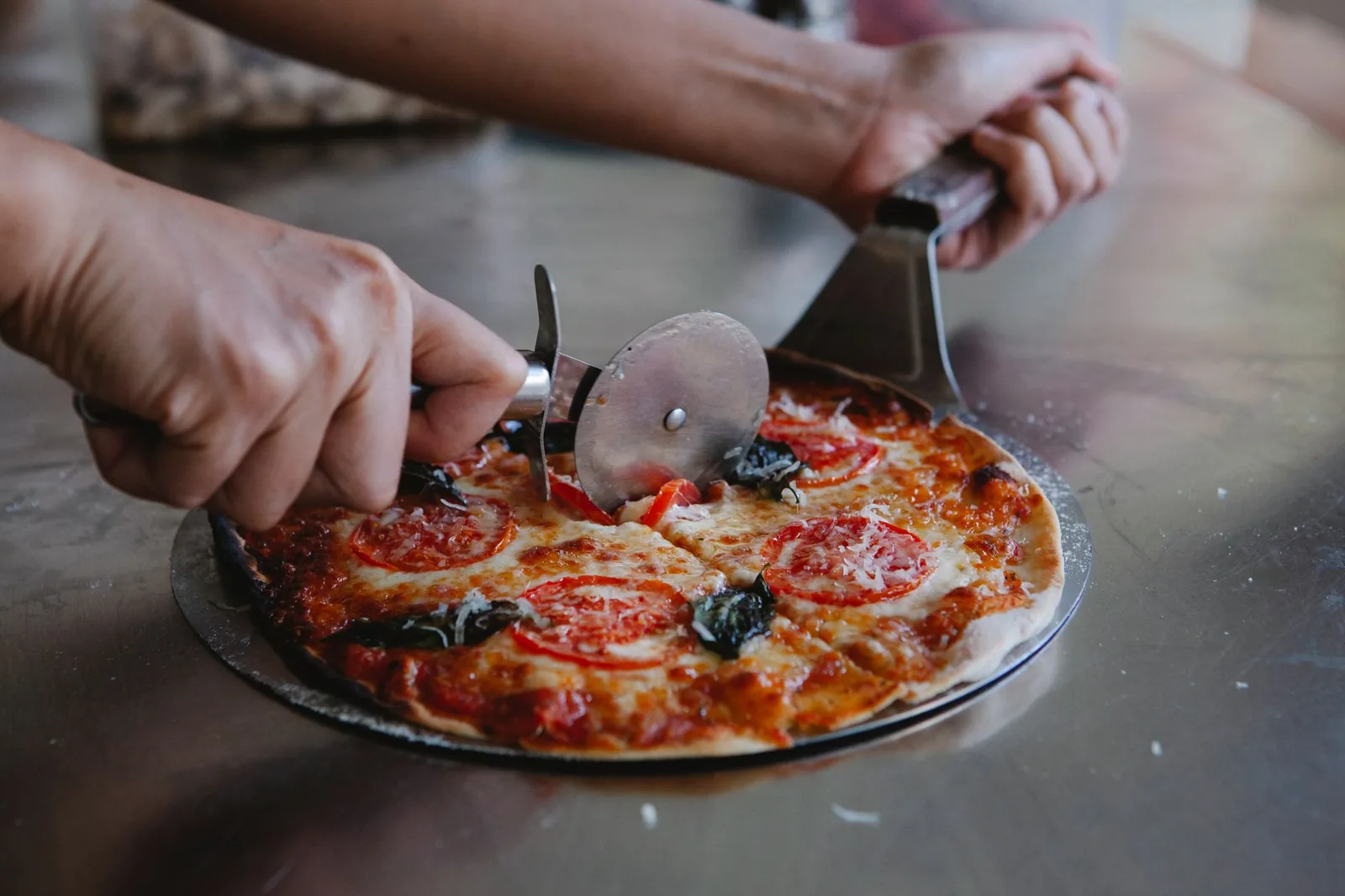
If you want to judge any pizza quickly, look at the centre rather than the crust.
The rim is the easy part. It carries no sauce and no cheese, so it browns and crisps almost regardless of conditions. A frozen pizza can produce a perfectly respectable edge.
The middle is where the race between setting and soaking is actually run. A slice that holds itself out horizontally from the crust was baked fast enough; a slice that folds limply under its own weight was not, whatever the edge looks like.
That is the same test our guide to judging a pizzeria applies, and it works identically on something out of a freezer.
Pizza Questions, Answered.
Why is frozen pizza worse than pizzeria pizza?
Mostly oven temperature. A domestic oven cannot set and brown the base before the sauce and cheese soften it, so the middle absorbs moisture for the whole bake.
Does freezing ruin pizza dough?
It damages it. Ice crystals cut through the gluten network and kill much of the yeast, so a thawed base is denser or more cracker-like than a proved one.
How do you make a frozen pizza taste better?
Preheat as high as the oven goes, for longer than seems necessary, with a tray or stone already inside so the base gets heat immediately. Bake low in the oven rather than in the middle.
Is frozen pizza ever the better choice?
For availability, consistency and cost, yes. It solves a different problem – it is there when nothing is open and it is the same every time.
The short version
Heat, dough and time. A hot oven wins a race a domestic one loses, freezing damages the gluten network that makes a crust, and nothing replicates a pizza made twenty minutes ago. Frozen pizza is not trying to win that comparison.
The Ray’s menu is open daily 10:30am to 9:00pm.

Ray’s Pizza Team
Ray’s Pizza & Sub Shop is a neighborhood pizzeria at 95 Woodstown Rd, Swedesboro, New Jersey, serving pizza, stromboli, hot and cold subs and dinners seven days a week from 10:30am to 9:00pm. These guides are written by the people behind the counter.
Visit Ray’sMore From Ray’s