Hot Peppers or Sweet Peppers?
Two toppings that sit next to each other on the menu and do completely different jobs. One is a vegetable; the other is a seasoning that happens to be shaped like one.
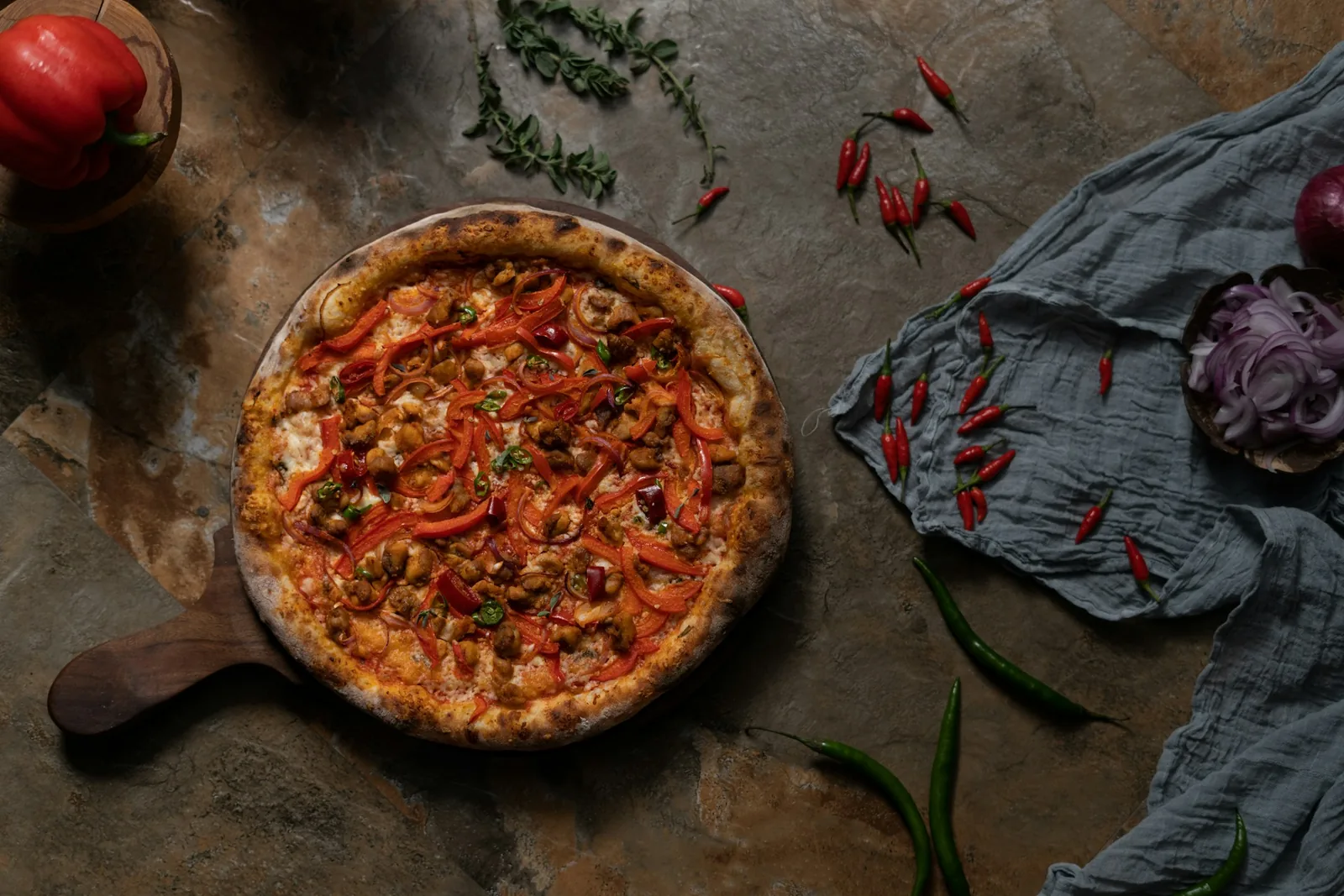
Most topping lists carry hot peppers and sweet peppers as separate items, and a lot of people order one meaning the other.
They are the same species. The difference is a single group of compounds — capsaicin — which sweet peppers do not produce and hot ones do. Everything else follows from that.
| Sweet peppers | Hot peppers | |
|---|---|---|
| Job on the pizza | Bulk, sweetness, texture | Heat, seasoning |
| Quantity | Cover the pizza | Scattered |
| Water released | Moderate to high | Low |
| Sliced | Strips or rings | Thin rounds or chopped |
| Survives the bake | Softens, sweetens | Heat intensifies slightly |
What actually separates them
Capsaicin is concentrated in the pale membrane inside a pepper, not in the flesh and not really in the seeds — the seeds simply sit against the membrane and pick it up.
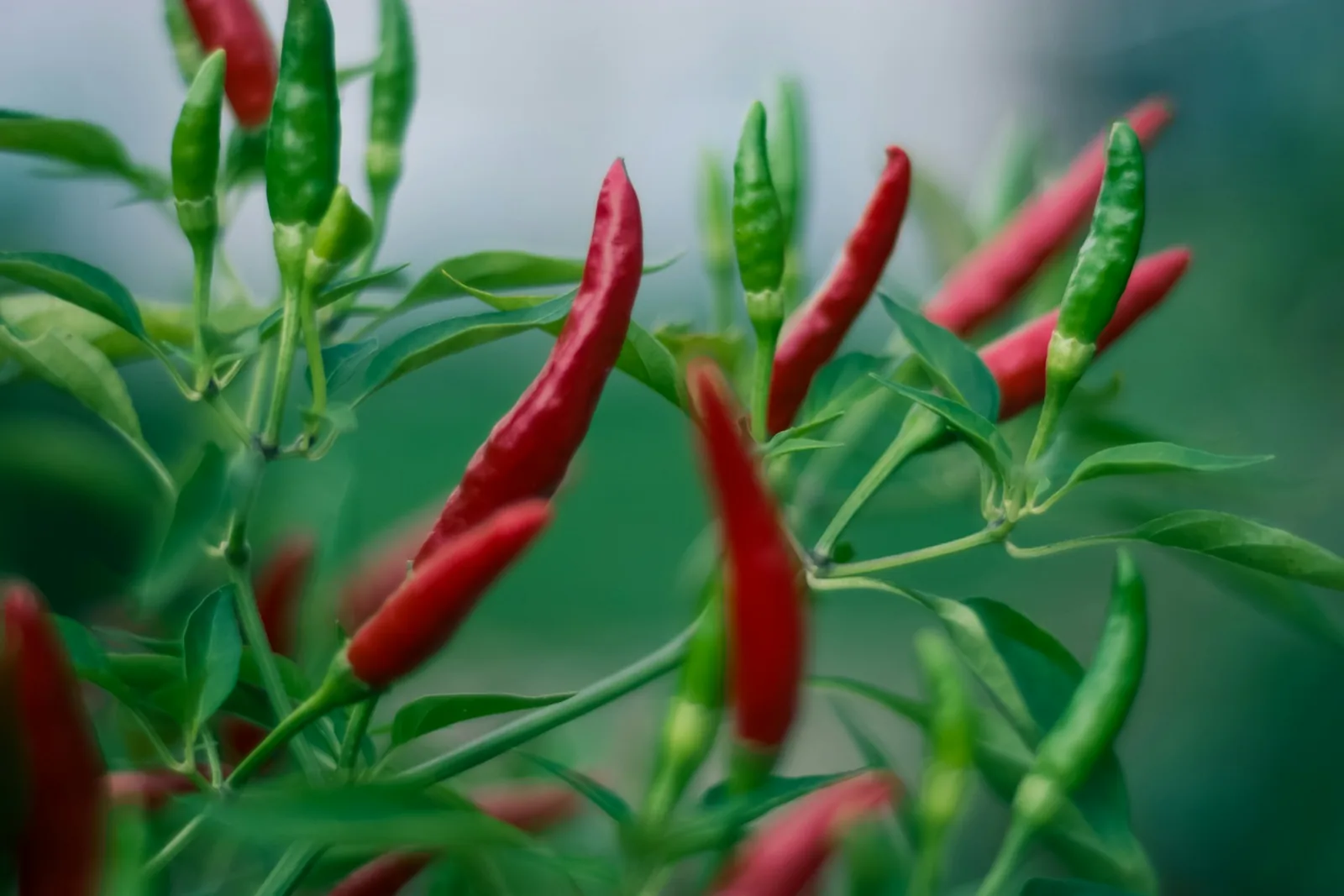
Sweet peppers are varieties bred to produce none of it. What is left is a thick, watery, faintly sweet flesh that behaves on a pizza like any other vegetable — it softens, releases moisture and adds bulk.
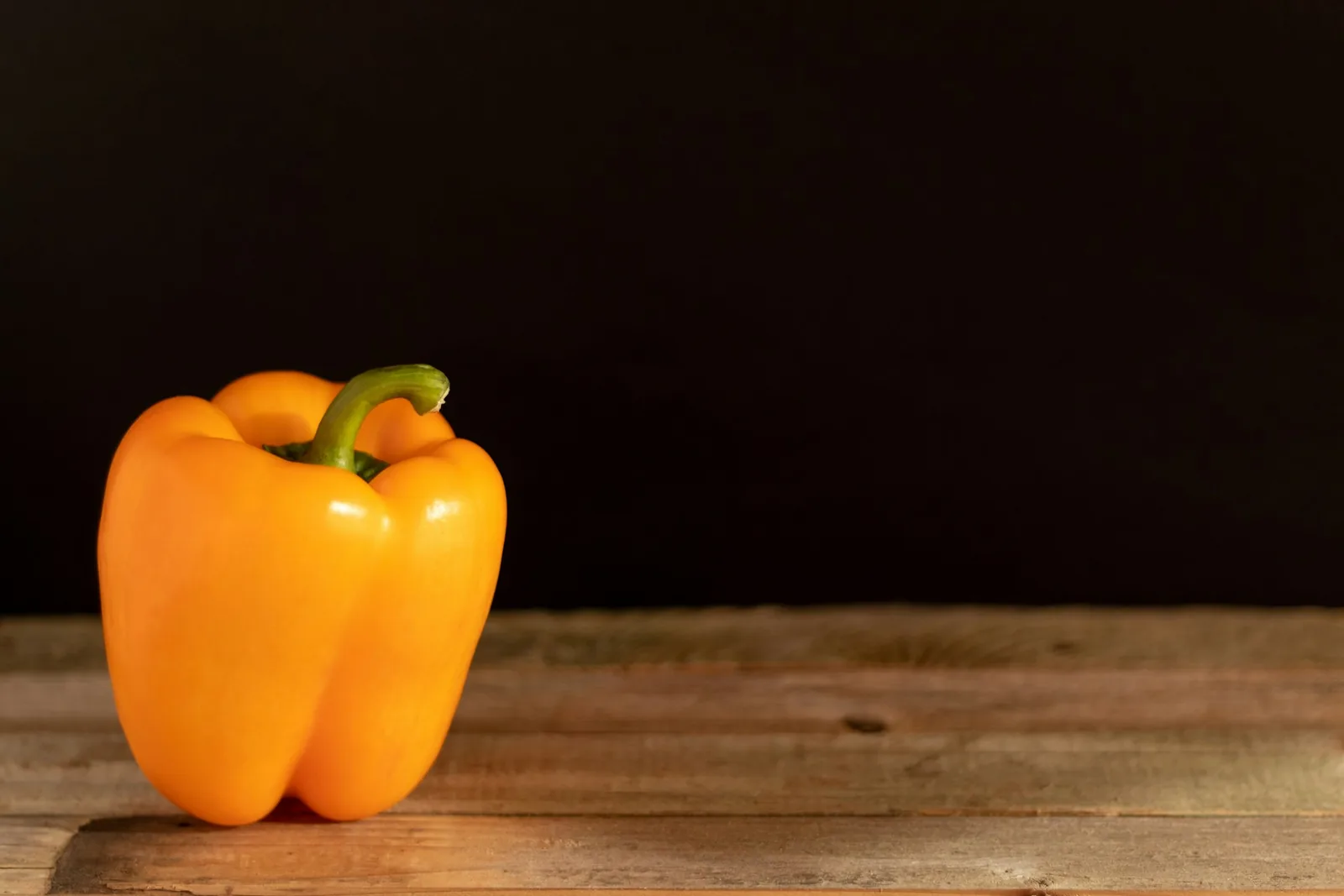
Hot peppers are usually smaller, thinner-walled and much drier. They add almost no bulk and very little water. Used properly there are only a few pieces on the whole pizza, doing the same job salt or oregano does.
Cheese blunts heat, which surprises people
This is the part nobody mentions, and it explains most disappointment with spicy pizza.
Capsaicin is fat-soluble. Fat dissolves it and carries it away from the receptors that detect it, which is exactly why milk works on a burnt mouth and water does not.
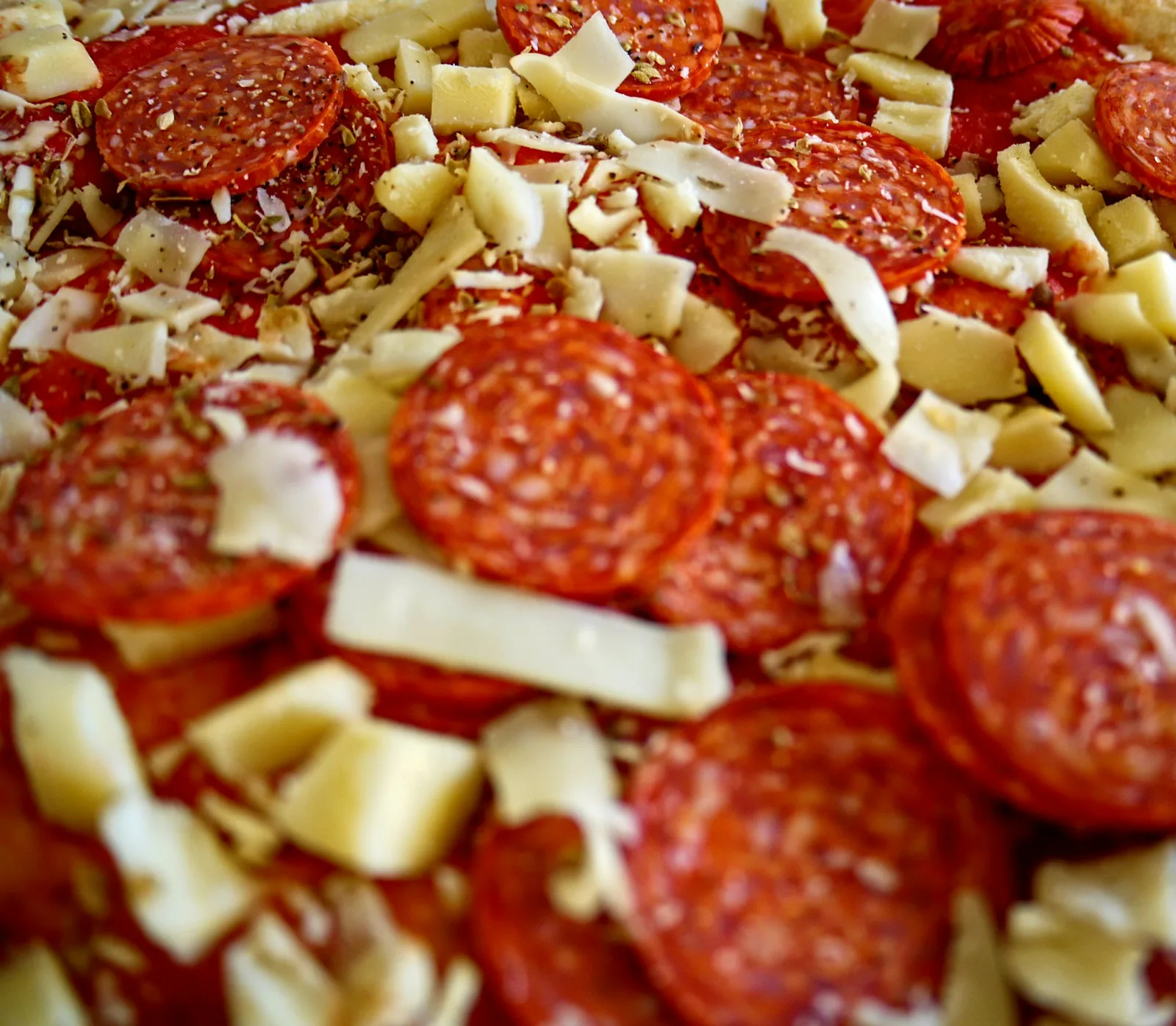
A pizza is a layer of melted fat spread across its entire surface. Whatever heat goes under or into that cheese is being actively muted by it before it reaches you.
The practical consequence is that a pizza needs noticeably more heat than a dry dish to register as spicy at all — and that heat added after the bake, on top of the cheese, hits considerably harder than the same amount baked in.
The water question
Sweet peppers are a genuine moisture risk; hot peppers essentially are not.
A thick-walled sweet pepper is largely water, and in the oven it goes where all vegetable water goes — down onto the base. Our guide to vegetables on pizza ranks it as a middling offender, worse in thick chunks than in thin strips.
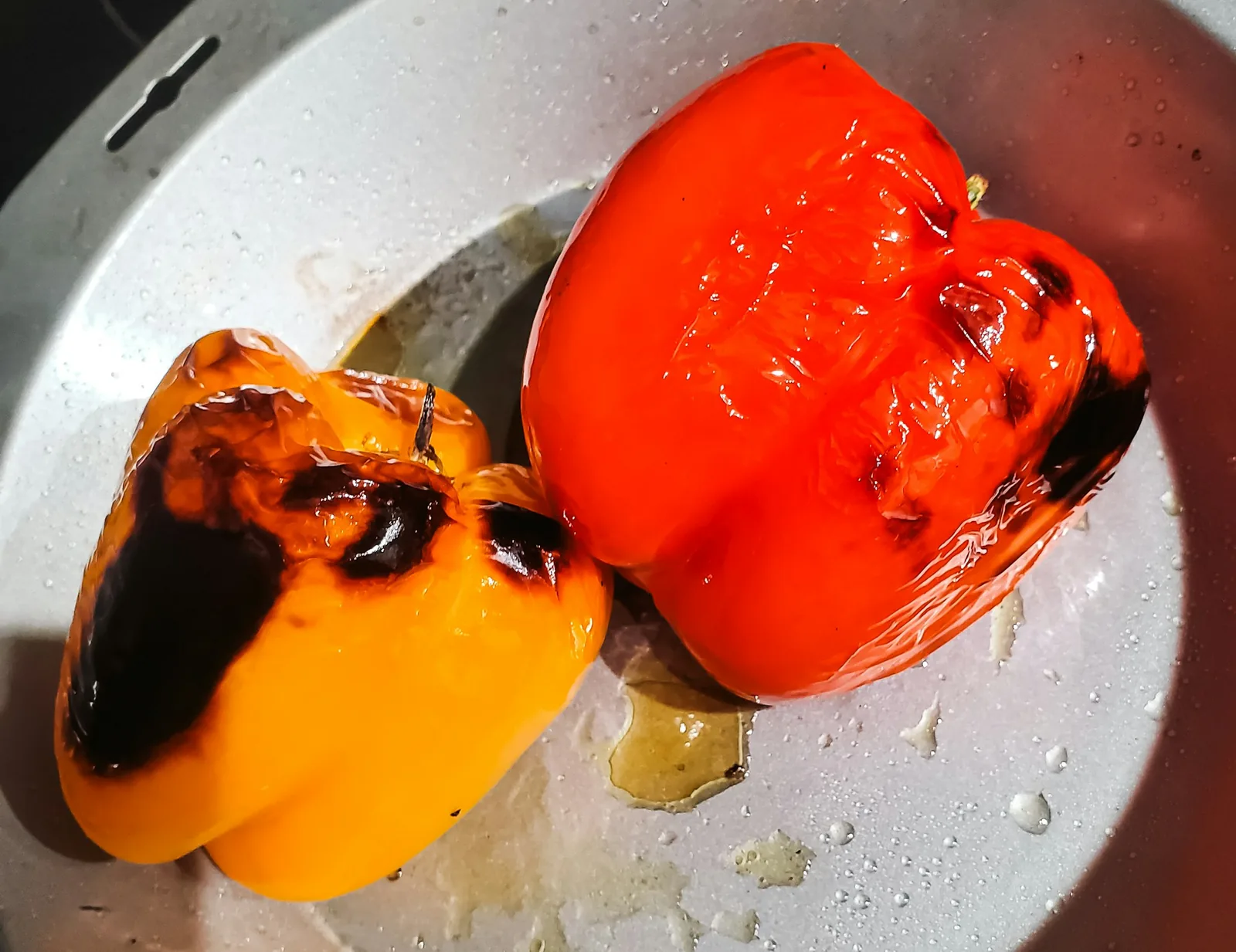
Roasting them beforehand fixes both problems at once. The water goes off in the tray rather than onto the dough, and the sugars concentrate into something much more interesting than a raw strip.
Hot peppers, being small and dry, can go on raw without any of this consideration. That asymmetry is worth knowing when you are counting how many wet toppings a pizza is already carrying.
Fresh, pickled or dried
Heat arrives in three forms and they are not interchangeable.
Fresh gives clean heat with some fruitiness behind it. It softens in the oven and the heat spreads to whatever it is touching.
Pickled brings acid alongside the heat, and the acid is doing as much work as the capsaicin — it cuts fat, which is exactly what a cheesy pizza needs. Pickled peppers also stay firm rather than collapsing.
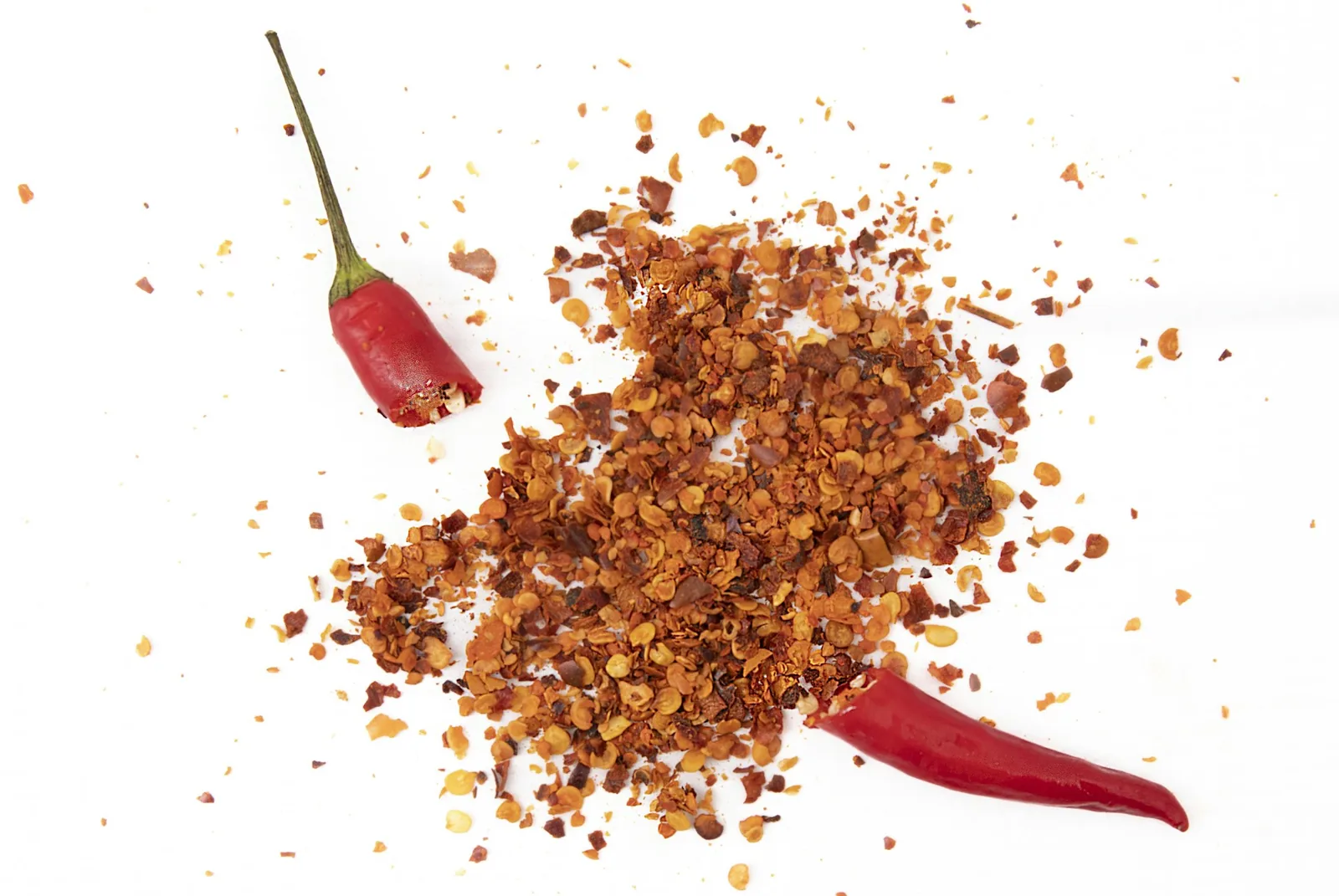
Dried flakes are the most controllable, because they can go on after the bake. Nothing has blunted them, and you can add heat by the half-teaspoon until it is right.
Getting a pizza that is actually spicy
Four things, in order of how much they help.
- Add heat at the table. Flakes on top of hot cheese are far more effective than anything baked in.
- Ask for pickled rather than fresh if the option exists. The acid amplifies the perception of heat.
- Use a spiced meat as well. Pepperoni carries chilli of its own, as our guide to it covers.
- Keep the cheese moderate. Extra cheese is extra fat, and extra fat is a heat suppressor.
What does not work is asking for a lot of hot peppers baked into a heavily cheesed pizza. That combination fights itself, and the usual outcome is patchy — some bites hot, most not.
Green peppers are a third thing
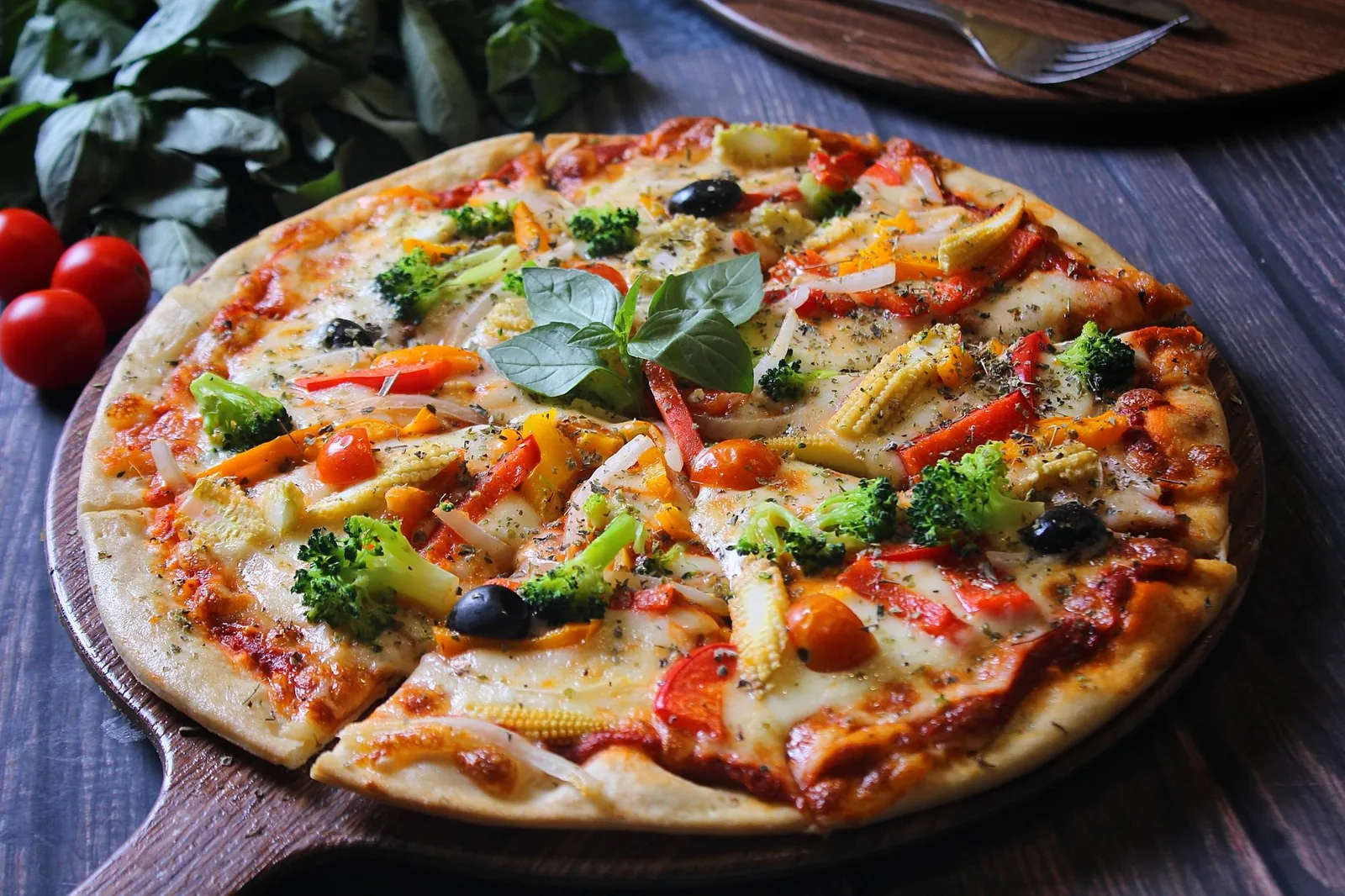
Menus often list green peppers separately again, and that is not padding.
A green pepper is an unripe sweet pepper. Left on the plant it would turn red, yellow or orange and become considerably sweeter; picked green, it keeps a grassy, faintly bitter edge that the ripe ones lose.
That bitterness is the point. On a pizza carrying fatty cured meat, a green pepper cuts through in a way a sweet red one does not, which is why the classic combinations reach for green rather than red almost every time.
It is also firmer and slightly less watery than a fully ripe pepper, so it holds its shape better through a bake. If you find red peppers too sweet on a pizza, green is usually what you actually wanted.
Pizza Questions, Answered.
What is the difference between hot peppers and sweet peppers on pizza?
Sweet peppers produce no capsaicin, so they act as a vegetable – bulk, sweetness and moisture. Hot peppers act as a seasoning and are scattered rather than spread across the pizza.
Why isn’t my spicy pizza very spicy?
Capsaicin is fat-soluble and a pizza is covered in melted fat, which dissolves it and mutes the heat. Adding chilli flakes after the bake is far more effective than baking heat in.
Are green peppers the same as sweet peppers?
Green peppers are unripe sweet peppers. They keep a grassy, slightly bitter edge that ripe red or yellow ones lose, and they hold their shape a little better in the oven.
Should peppers be cooked before going on a pizza?
Sweet peppers benefit from it – roasting drives off water in the pan rather than onto the base, and concentrates the sweetness. Hot peppers are small and dry enough to go on raw.
The short version
Sweet peppers are a vegetable and want thin slicing or roasting. Hot peppers are a seasoning and want scattering. Cheese fights heat, so if you want a genuinely spicy pizza, add it after the bake rather than before.
Hot, sweet and green peppers are all on the Ray’s topping list, and the kitchen is open daily 10:30am to 9:00pm.

Ray’s Pizza Team
Ray’s Pizza & Sub Shop is a neighborhood pizzeria at 95 Woodstown Rd, Swedesboro, New Jersey, serving pizza, stromboli, hot and cold subs and dinners seven days a week from 10:30am to 9:00pm. These guides are written by the people behind the counter.
Visit Ray’sMore From Ray’s