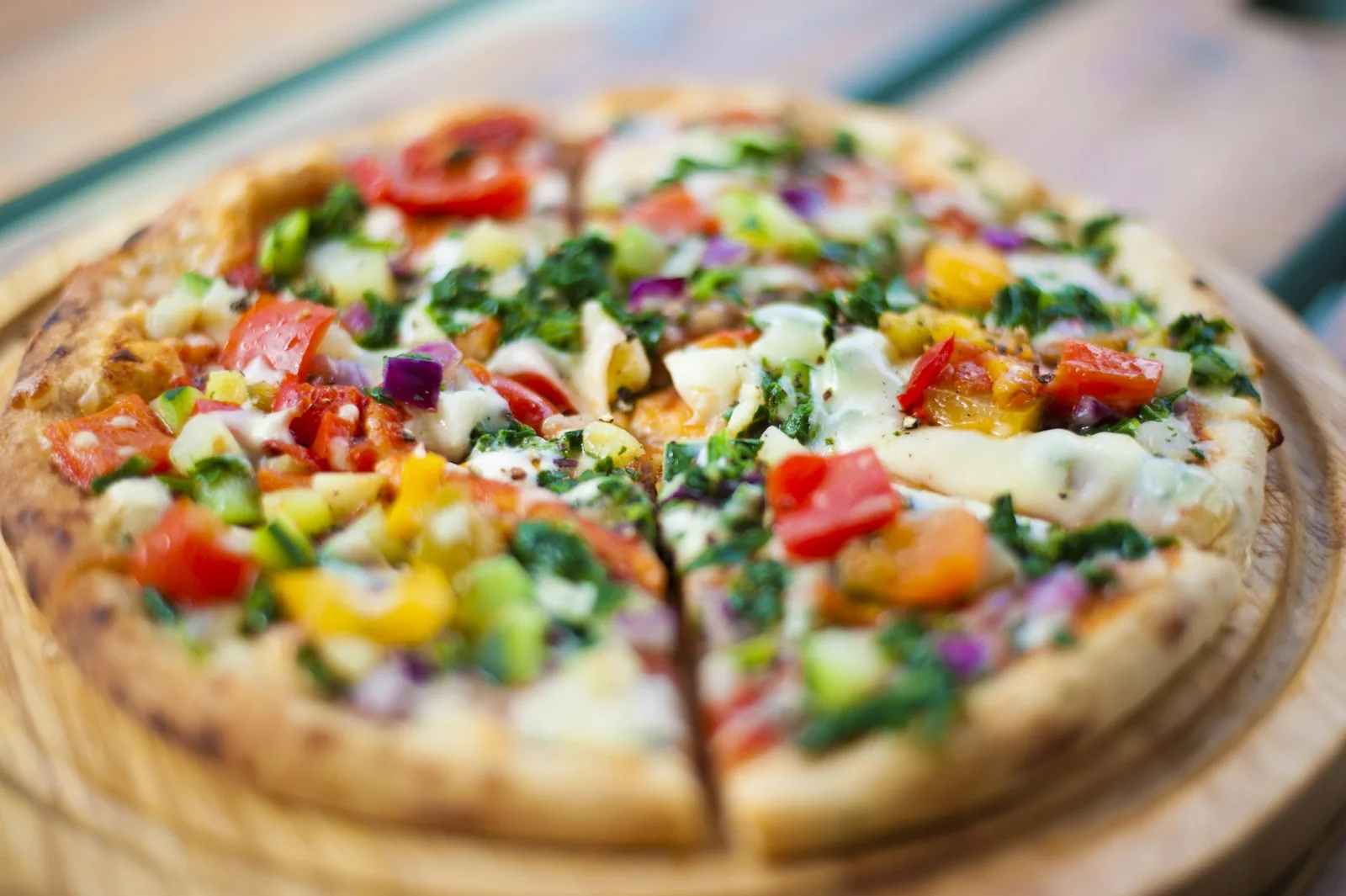
Vegetables on Pizza
Every vegetable on a pizza is a water problem. Rank them by how much they release and the whole thing becomes predictable.
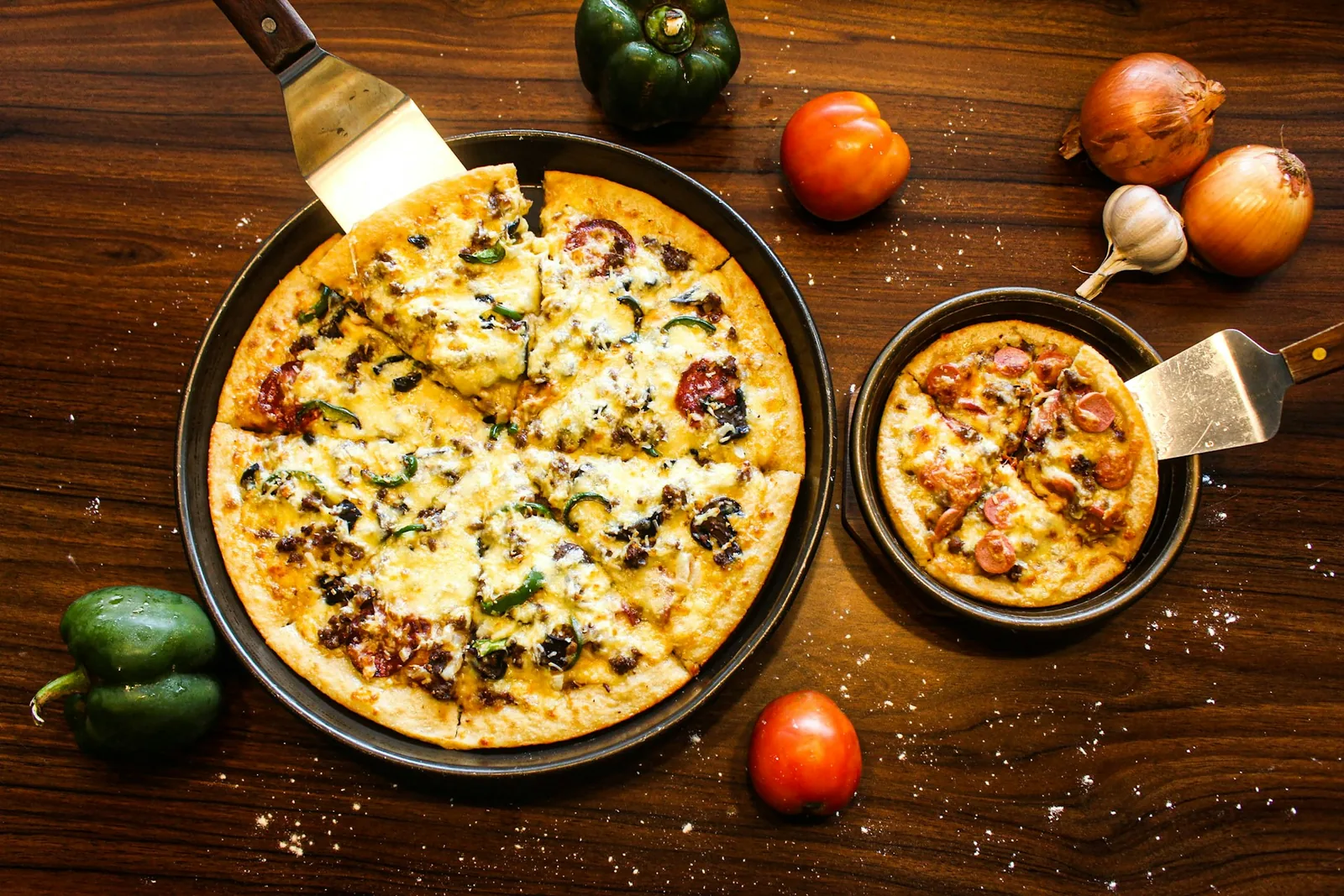
A vegetable pizza goes wrong in one way and one way only: the middle turns wet. Not because vegetables are a bad idea, but because most of them are largely water and the oven drives it out onto the base.
Sort vegetables by water content and everything else follows — which to use raw, which to cook first, and how many can go on at once.
| Vegetable | Water released | Use it |
|---|---|---|
| Mushroom | High | Cooked first, or sparingly |
| Fresh tomato | High | Sliced thin, seeds out |
| Courgette | High | Salted or roasted first |
| Pepper | Medium | Raw is fine, sliced thin |
| Onion | Medium | Raw; sweetens as it bakes |
| Olives | None | Straight on |
| Artichoke | Low (drained) | Drain thoroughly |
Everything comes back to water
Heat ruptures plant cells and the water inside has nowhere to go but down. On a base already carrying sauce and melting cheese, that is the difference between a crisp middle and a limp one.
It is not a small amount. A generous layer of raw mushroom can release several spoonfuls of liquid during a bake, and all of it lands on the dough.
The wet ones
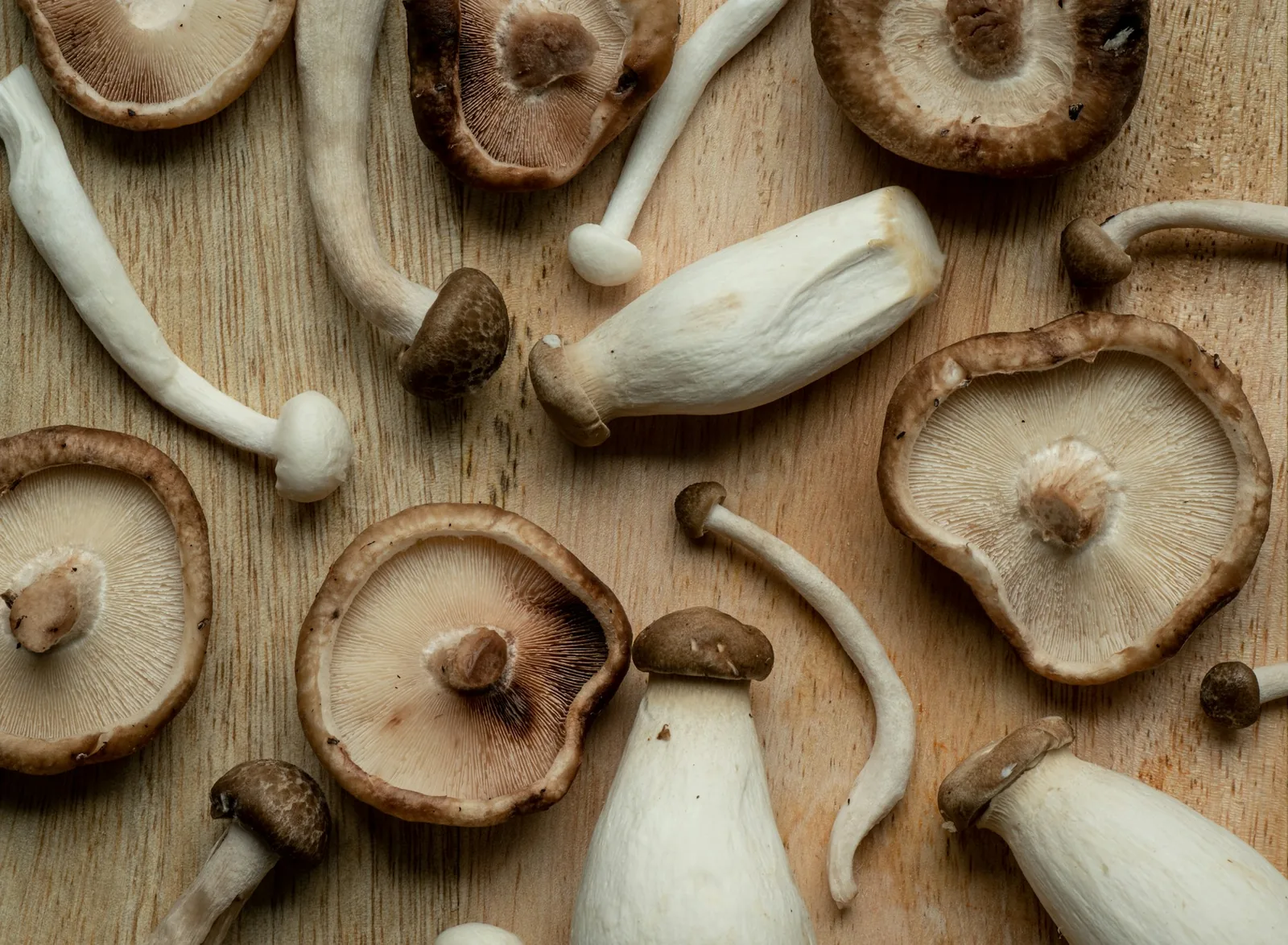
Mushrooms top the list. They are mostly water, they collapse fast, and sliced thin they cover a lot of surface. Excellent flavour, real cost.
Fresh tomato is next, and worse than it looks because the seeds and surrounding gel hold most of the liquid. Scooping those out before slicing removes most of the problem.
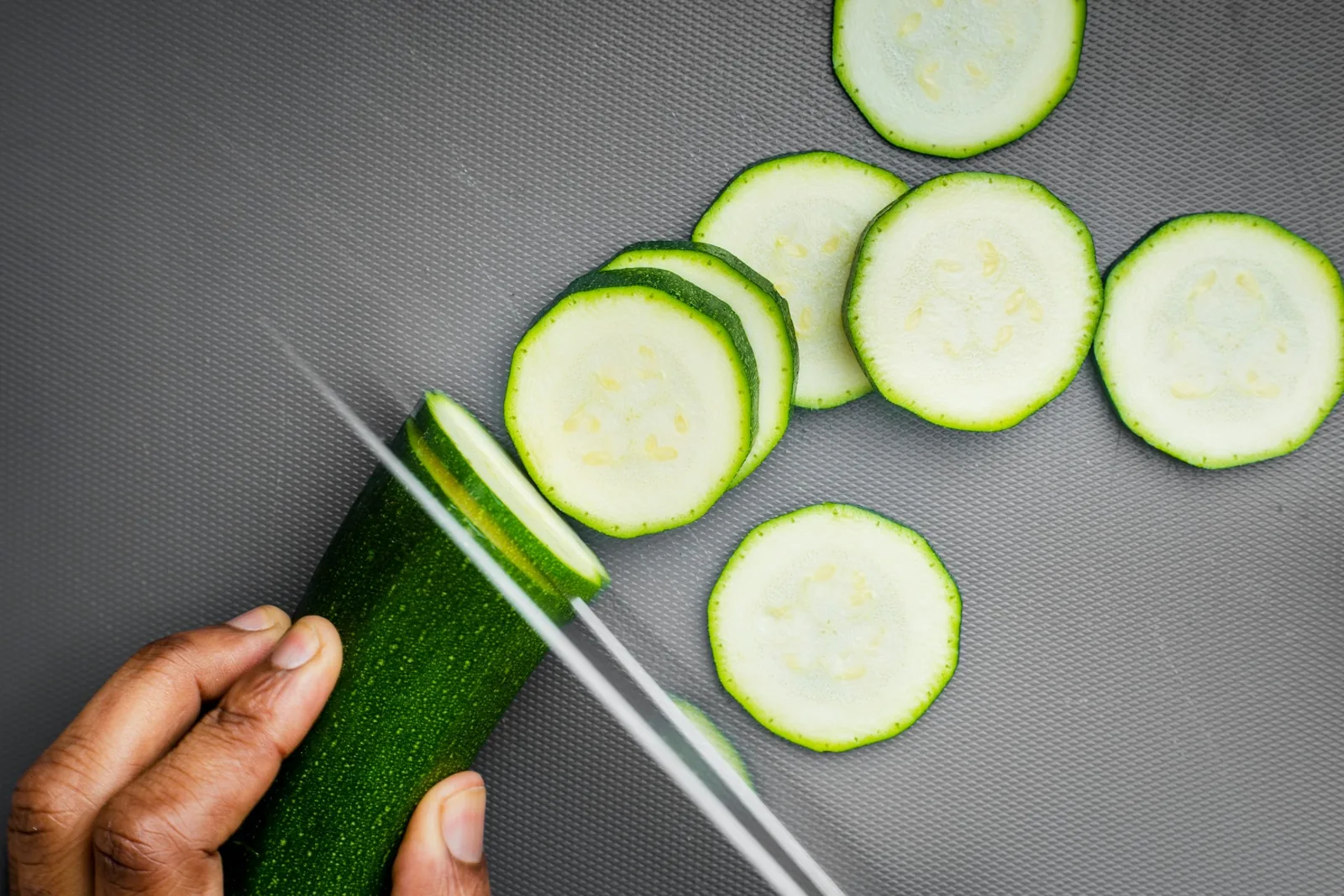
Courgette releases steadily and goes limp rather than softening pleasantly. It wants salting or roasting first.
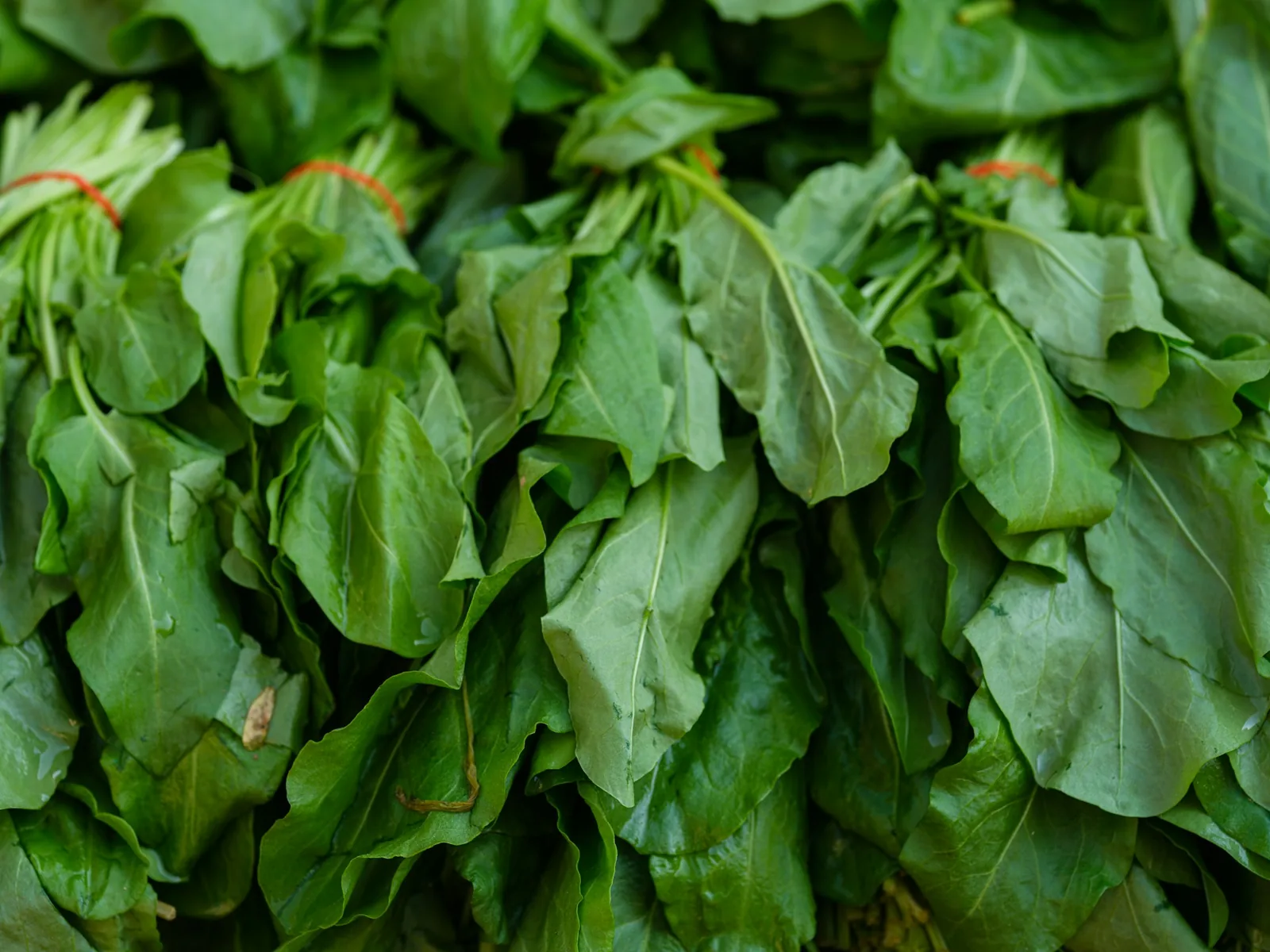
Spinach is a special case — enormous water content but it collapses to almost nothing, so a large handful becomes a small amount. Squeeze it dry if it was cooked first.
The reliable ones
Olives release nothing and bring salt, which is the thing most vegetable pizzas are short of. They are close to a free ingredient.
Onion holds structure, sweetens as it bakes and cuts fat. Red onion keeps more bite; white goes sweeter.
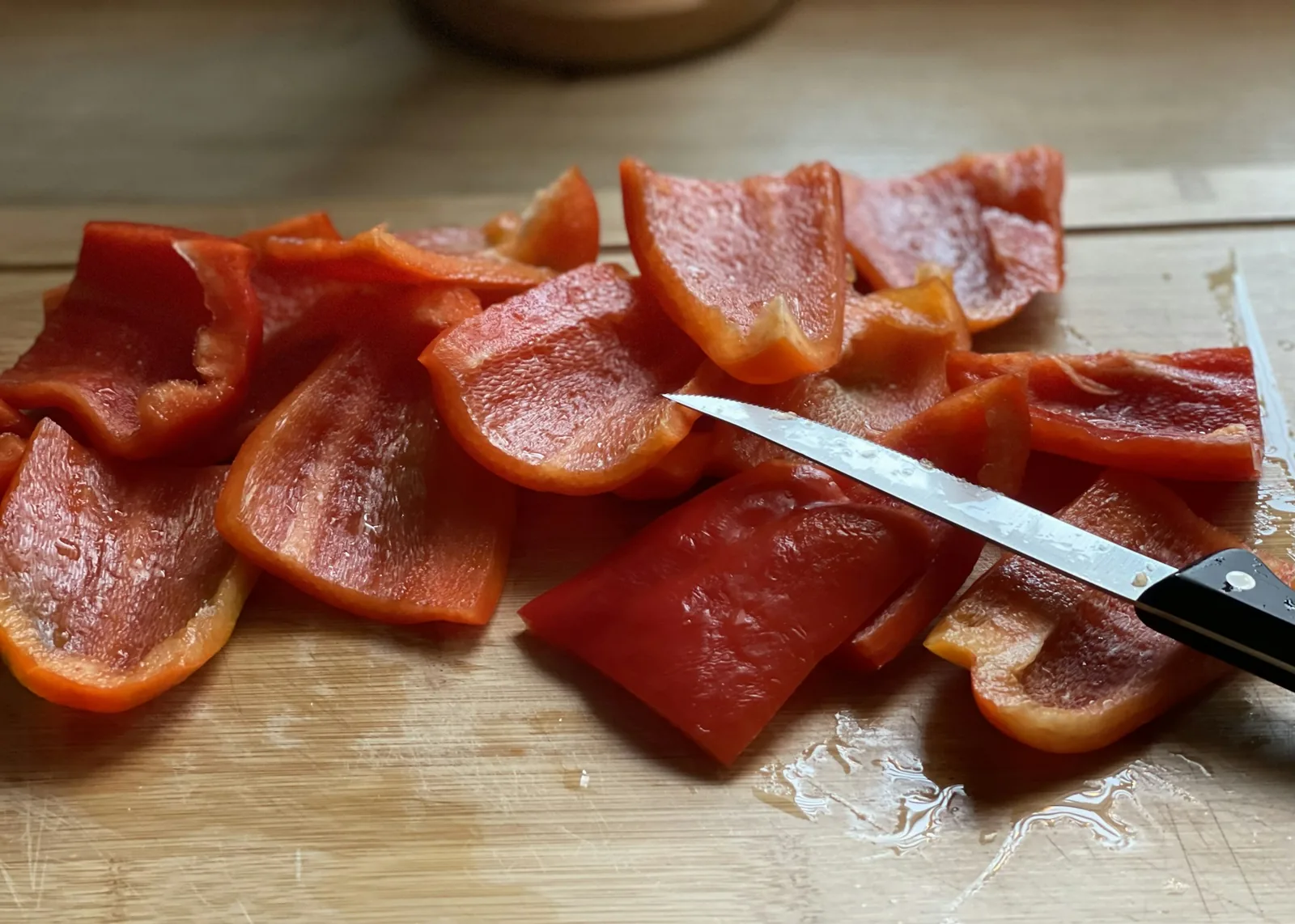
Peppers sit in the middle. Sliced thin they are fine raw; thick chunks stay crunchy and watery at once, which is the worst of both.
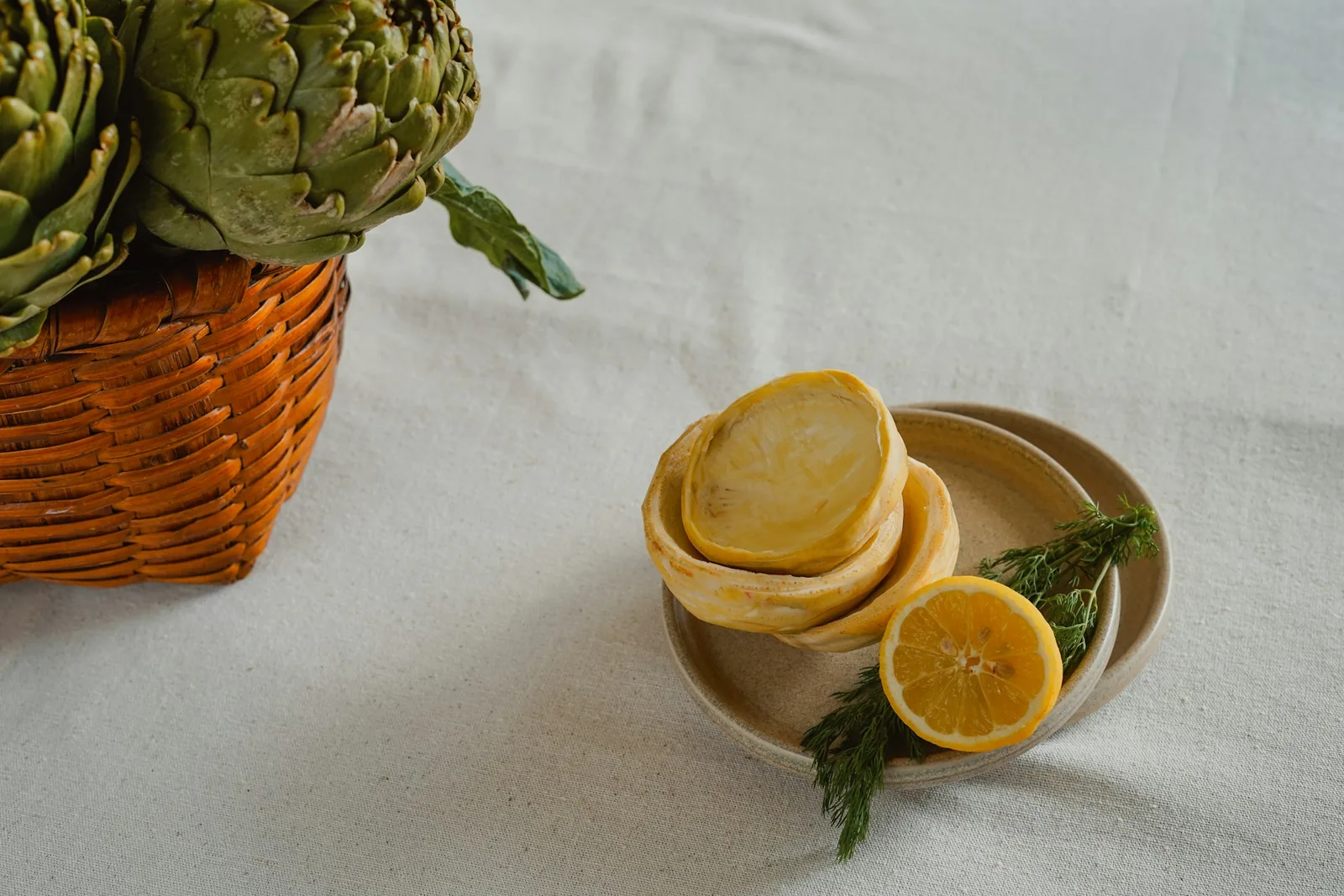
Artichokes are excellent provided they are drained properly. Straight from the jar they carry a surprising amount of brine.
Pre-cooking is the fix nobody mentions
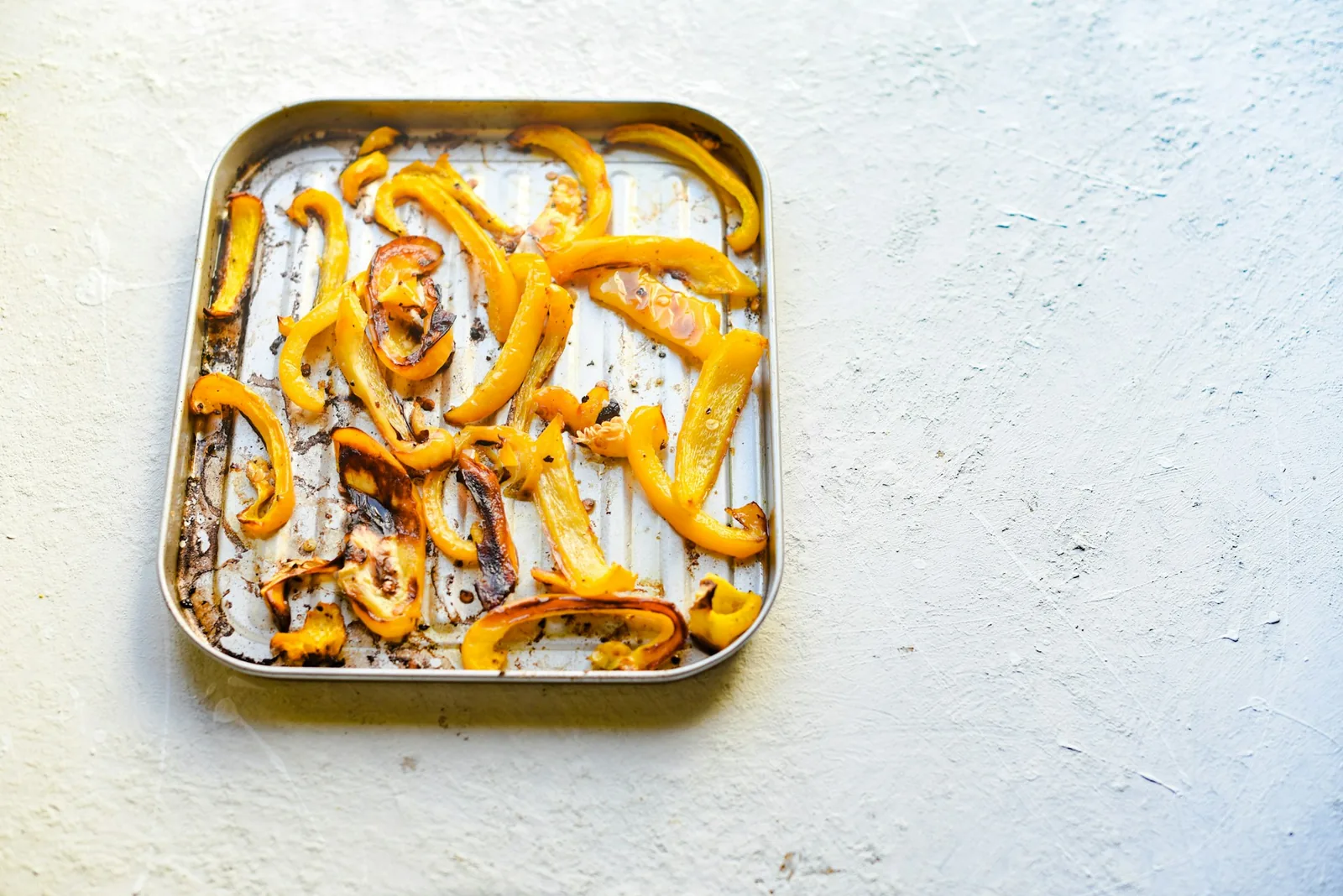
Roasting or sautéing a wet vegetable before it goes on the pizza drives off most of its water in a pan, where it can evaporate, rather than on the dough, where it cannot.
It also concentrates the flavour. Roasted peppers taste of considerably more than raw ones, and roasted mushrooms more again.
This is what separates a good vegetarian pizza from a wet one, and it is why a kitchen that roasts its vegetables produces a noticeably better version than one that scatters them raw.
Where the vegetables sit matters
Two pizzas with identical toppings can come out quite differently depending on whether the vegetables went under the cheese or on top of it.
Under the cheese, a vegetable is insulated. It steams gently in its own moisture and stays soft, and crucially the water it releases goes into the cheese layer rather than straight down into the base. That is a genuine technique for using a wet vegetable without ruining the crust.
On top of the cheese, it is exposed to direct heat. Edges brown and caramelise, moisture evaporates upward, and the flavour concentrates. Better tasting, but the water it does release has further to travel and picks up speed.
Most kitchens put the wetter vegetables underneath and the drier ones on top, which is exactly backwards from what looks best and exactly right for how the pizza eats.
Building a vegetable pizza that works
- Pick one wet vegetable, not three. Mushroom or tomato or courgette – choose.
- Add salt from somewhere. Without meat there is no cured salt on the pizza. Olives, capers or a hard grated cheese supply it.
- Slice thin. Thin cooks through and dries; thick stays raw and wet.
- Finish with something fresh after the bake – rocket, basil, a squeeze of lemon.
Point two is the one most vegetable pizzas fail. A meat pizza gets salt free from cured meat; a vegetable one has to be seasoned deliberately, which our guide to topping combinations covers in more detail.
Ray’s lists a Vegetarian Special among its gourmet pizzas, in Medium and Large.
Pizza Questions, Answered.
Why does my vegetable pizza go soggy?
Vegetables are largely water, and heat drives it out onto the base. Too many wet ones at once – mushroom, fresh tomato, courgette – is the usual cause.
Should you cook vegetables before putting them on pizza?
For the wet ones, yes. Roasting or sautéing drives off water in a pan where it can evaporate, and concentrates the flavour at the same time.
Which vegetables are best on pizza?
Olives, onion and thinly sliced peppers are the most reliable – they hold structure and release little water. Olives also supply salt, which vegetable pizzas often lack.
How many vegetables can you put on one pizza?
As many dry ones as you like, but only one genuinely wet one. Beyond that the base cannot cope regardless of how well it bakes.
The short version
Rank by water. One wet vegetable at most, roast it first if you can, slice everything thin, add salt deliberately, and finish with something fresh off the heat.
The Ray’s menu is open daily 10:30am to 9:00pm.

Ray’s Pizza Team
Ray’s Pizza & Sub Shop is a neighborhood pizzeria at 95 Woodstown Rd, Swedesboro, New Jersey, serving pizza, stromboli, hot and cold subs and dinners seven days a week from 10:30am to 9:00pm. These guides are written by the people behind the counter.
Visit Ray’sMore From Ray’s