How to Customise a Pizza Order
Well done is the most useful thing you can ask for and almost nobody does. Here is what a kitchen can change, and what it cannot.
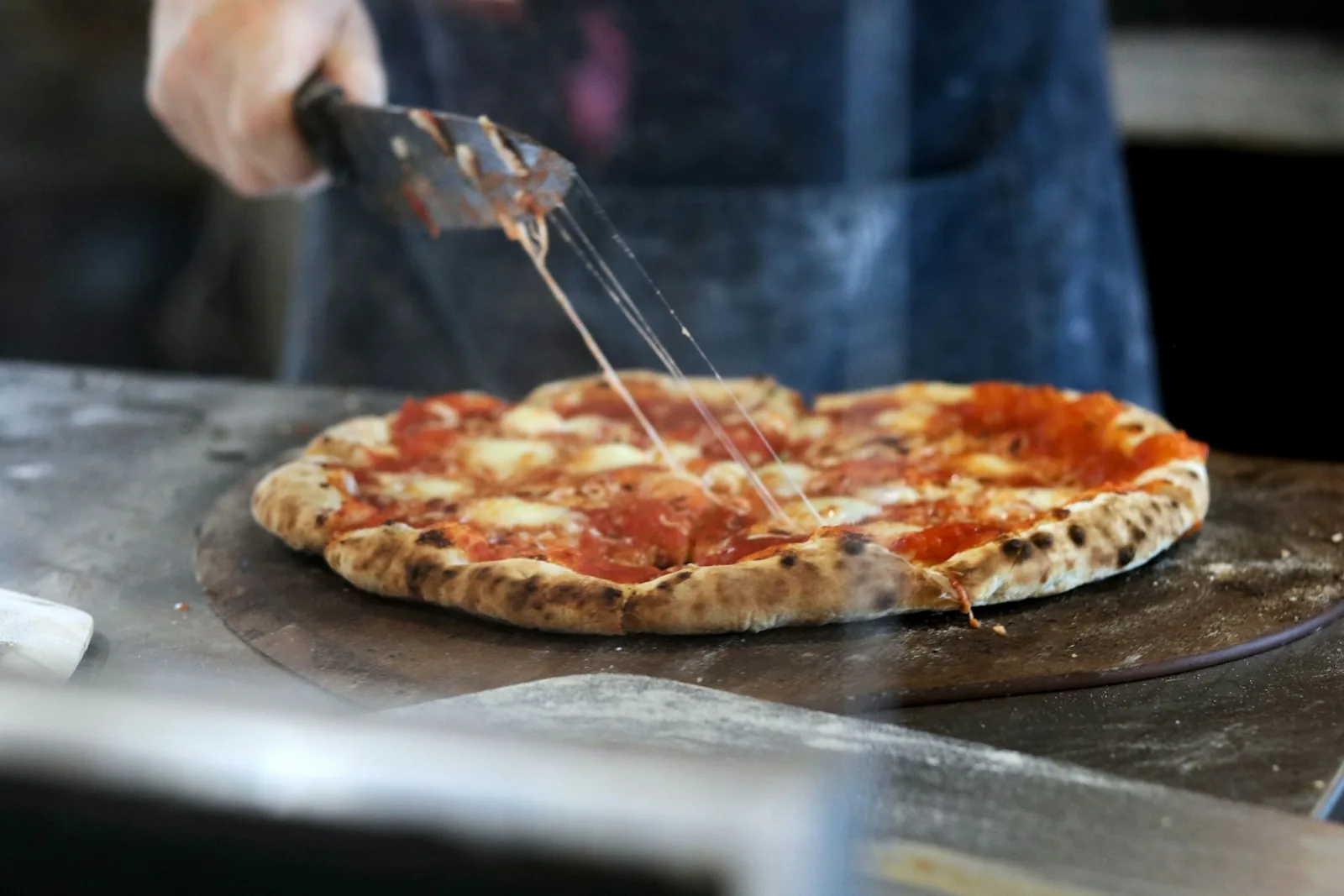
Most people order a pizza exactly as it appears on the menu, and then wish one thing about it had been different. Nearly all of those things are a single sentence at the counter.
The requests below are ordinary. None of them is difficult, and none of them is the sort of thing a kitchen minds being asked.
| Ask for | What changes | Worth it when |
|---|---|---|
| Well done | Longer bake, firmer base | Almost always |
| Light sauce | Drier, crisper middle | Wet toppings |
| Extra cheese | Richer, slower bake | Plain pizzas |
| Half and half | Two builds, one pie | Small mixed tables |
| Cut in squares | Smaller pieces | Children, crowds |
Well done is the one to learn
It means a longer bake. The base dries further, the underside darkens, the cheese browns more, and the whole pizza firms up.
It is the single most useful request because it fixes the most common complaint. A slice that flops at the tip, a base that feels damp in the middle, a pizza that went soft on the way home — well done addresses all three.
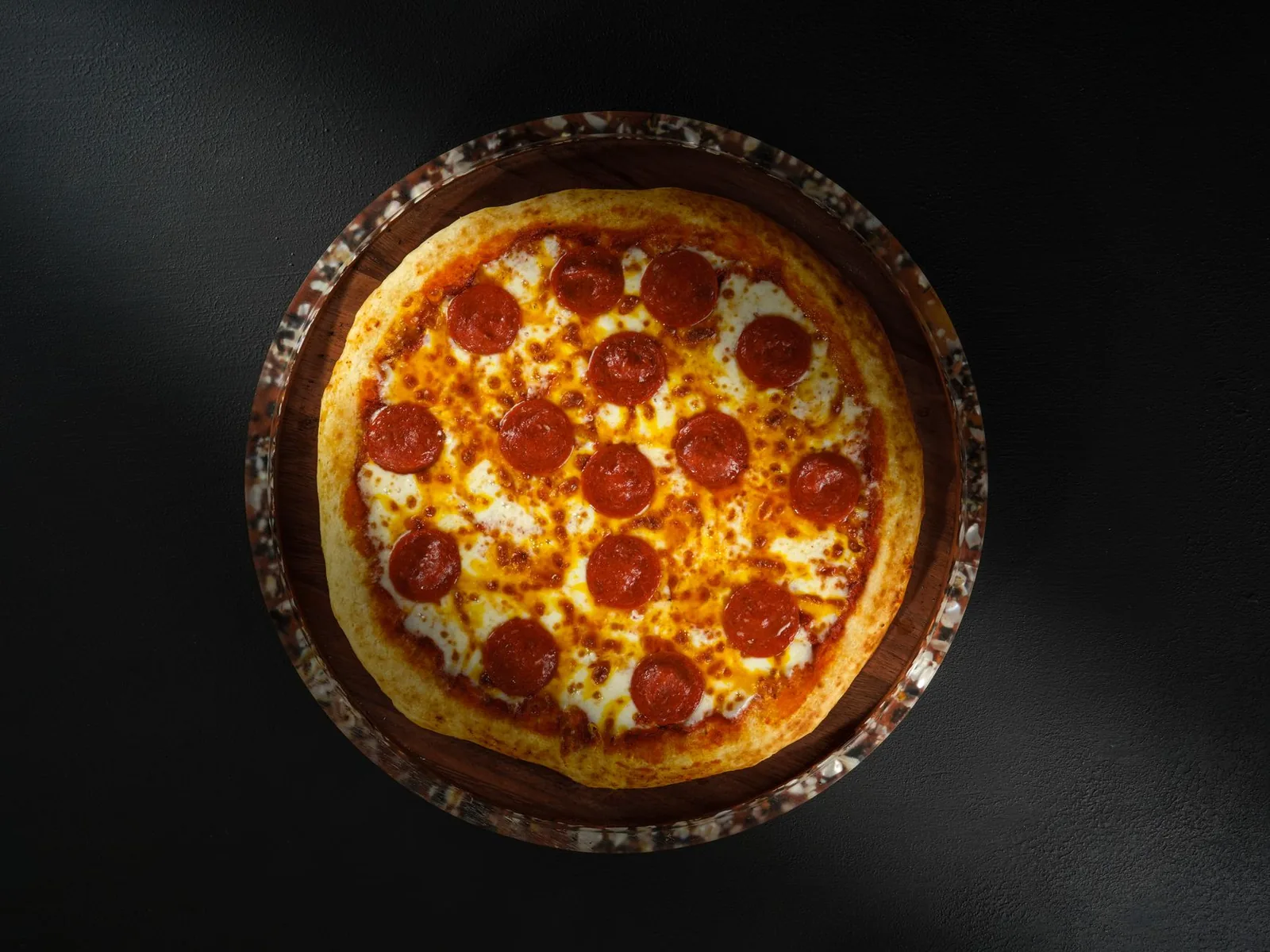
It costs the kitchen a minute or two and nothing else. If you are ordering takeout it is close to essential, because the pizza will keep steaming in the box all the way home.
Sauce and cheese
Light sauce is the fix for a soggy middle. Sauce is mostly water, and less of it means less moisture going into the base. Worth asking for if you are also ordering wet toppings like mushroom or fresh tomato.
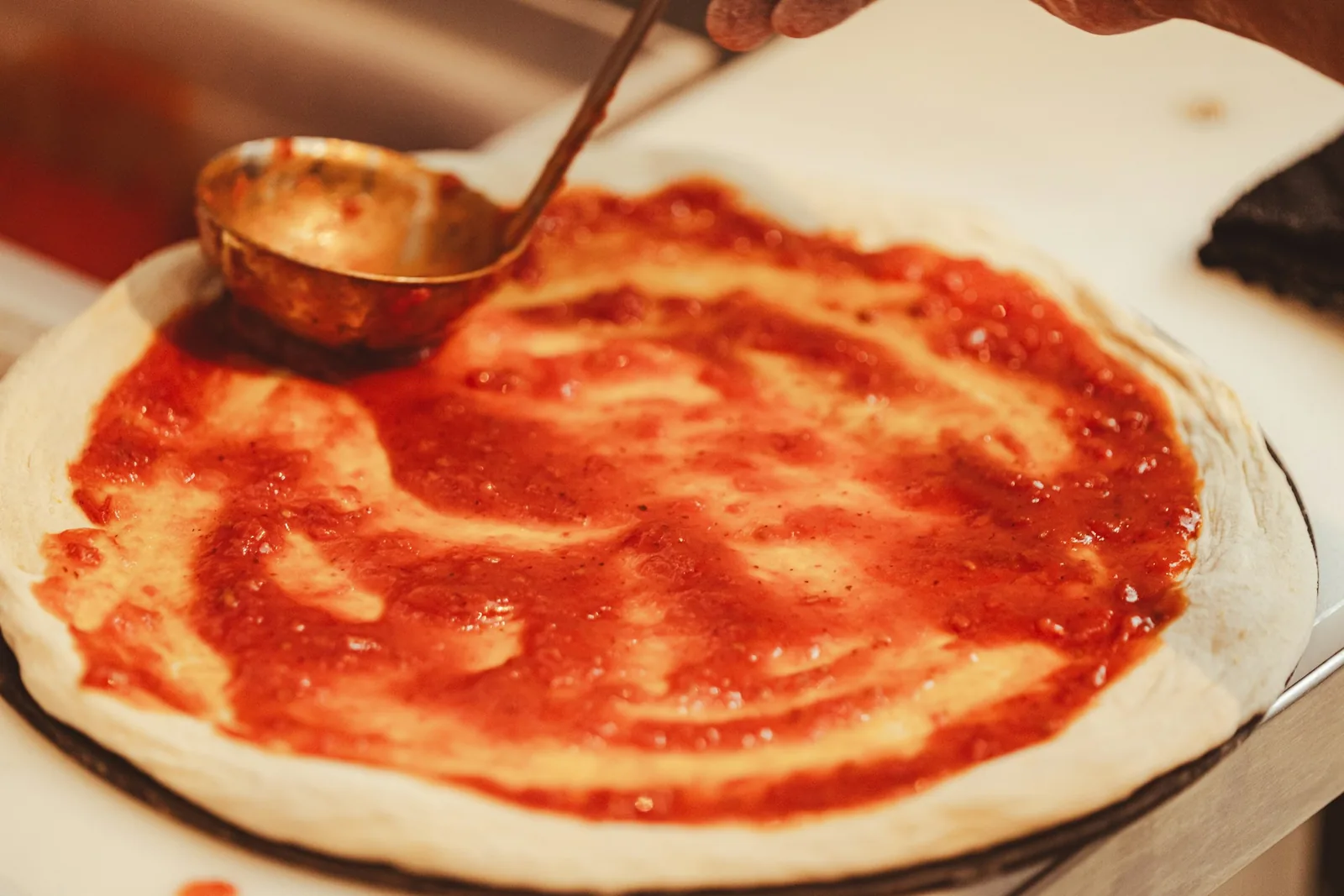
Extra sauce works the other way and is riskier. On a thin base it is the most reliable route to a wet centre. On a thicker Sicilian or pan base it is fine.
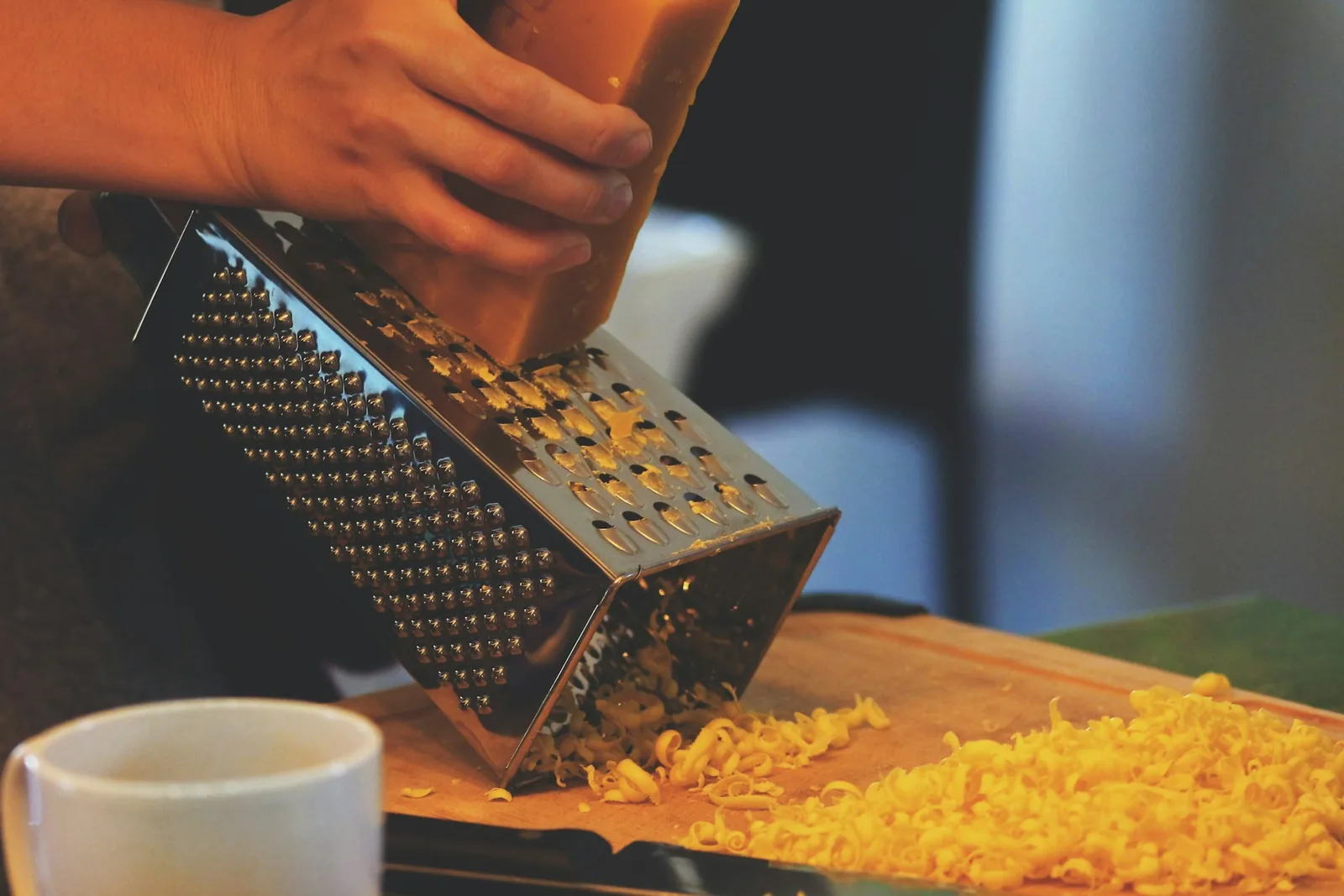
Extra cheese is worth it on a plain pizza and less so on a loaded one. Past a certain thickness the cheese layer stops browning and starts sliding off in a sheet when you lift a slice.
Half and half
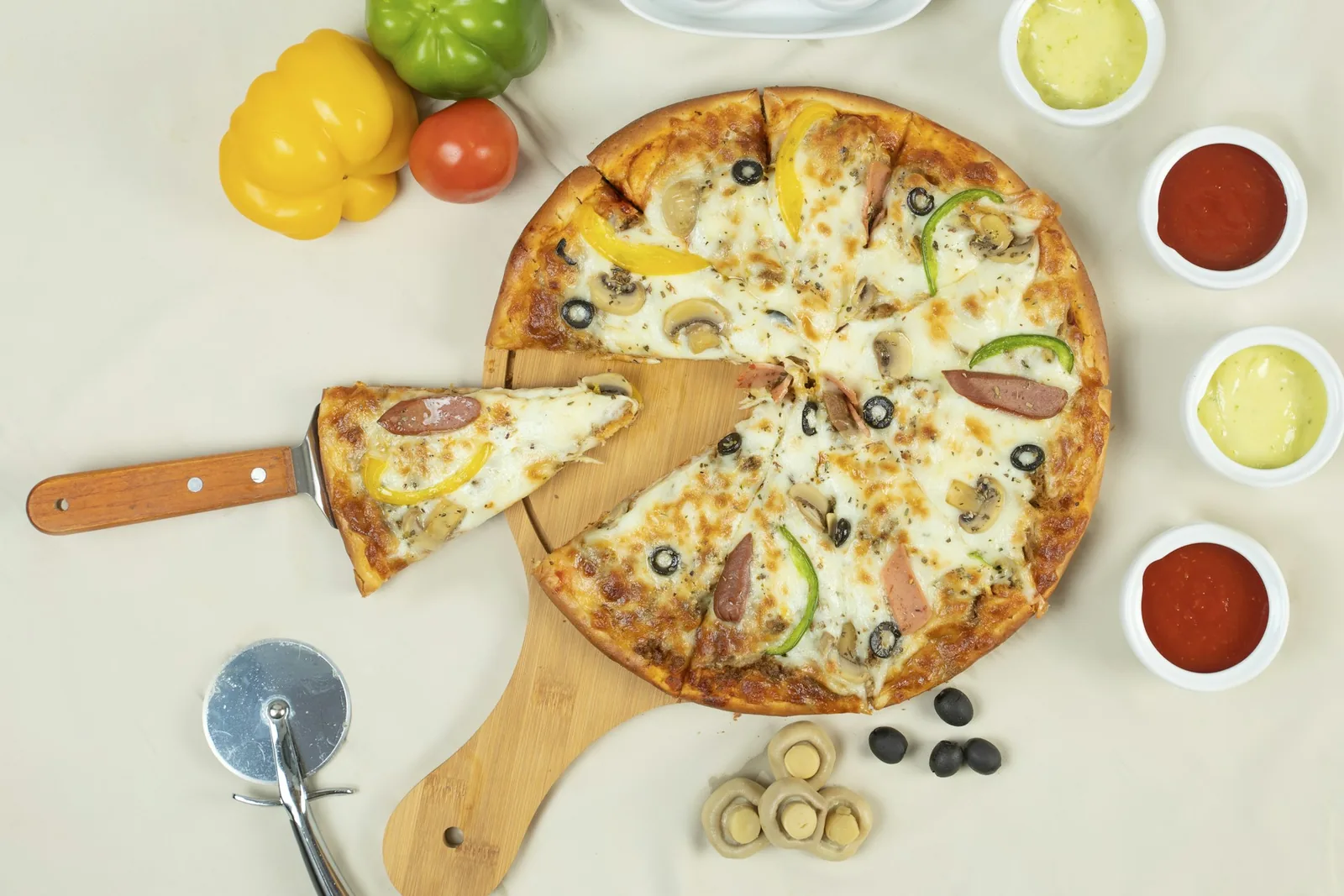
Two different topping combinations on one pizza. It solves the mixed-table problem without ordering two pies.
It works well for four people and badly for eight, because the popular half runs out first and then you have a half pizza nobody chose. Past about five people, two whole pizzas is the better order — our guide to ordering for a group works through the arithmetic.
How it is cut
The most under-used request on the list, and free.
Cut in squares gives smaller, more manageable pieces. It is what a table with children wants, and it portions far more evenly across a crowd than wedges do.
Cut into more slices works the same way on a round pie. Ask for twelve instead of eight and everyone takes more, smaller pieces.
Not cut at all is worth knowing about for takeout. An uncut pizza holds its heat marginally better and does not steam through the cut lines, though you will need a wheel at home.
Requests worth skipping
A few things get asked for regularly and rarely improve the pizza.
Extra sauce and extra cheese together is the classic. Both add moisture, and the two compound – you get a base that cannot dry out and a cheese layer too thick to brown. Pick one.
Well done plus extra cheese pulls in opposite directions. The longer bake exists to dry the base, and the extra cheese insulates it from the heat doing that work.
Very light bake is worth avoiding unless the pizza has a journey ahead and will keep cooking in its own heat. Otherwise it arrives pale and soft in the middle.
Toppings on the side rarely works on a pizza. Unlike a salad, the toppings are supposed to cook into the cheese, and adding them cold at the table gives you a different dish.
What cannot change
Being realistic about this makes the rest of it easier to ask for.
- The dough. It was mixed a day or more ago and portioned into balls. Nobody is making a different base for one order.
- The size. Those balls are weighed to a size. A “slightly bigger medium” does not exist.
- The crust style. A shop making round pies is not making you a Sicilian unless it already makes both.
- Removing something already on a named pizza is usually fine, but it rarely changes the price.
How to ask
Two practical points, both from the kitchen’s side.
Say it when you order, not after. Once a pizza is dressed and in the oven, nothing about it can change. A request made at the start costs nothing; the same request two minutes later costs a whole pizza.
Keep it to one or two things. A pizza with five modifications is a pizza that gets made wrong, especially during a rush. Pick the change that matters most — usually well done — and let the rest go.
If it is a large or unusual order, ring ahead rather than turning up with it. Ray’s is on (856) 467-9911, open daily 10:30am to 9:00pm.
Pizza Questions, Answered.
What does ‘well done’ mean when ordering pizza?
A longer bake. The base dries further and firms up, the underside darkens and the cheese browns more. It is the best single request for takeout.
Should I ask for light sauce?
If you are ordering wet toppings, or you find pizza bases soft in the middle, yes. Sauce is mostly water and less of it means a drier base.
Is extra cheese worth it?
On a plain pizza, usually. On an already-loaded one, less so – too thick a layer stops browning and slides off the slice.
Can you order half and half?
Most pizzerias will. It works well for a small table; beyond about five people two whole pizzas is the better order.
The short version
Ask for well done, especially for takeout. Light sauce if you are ordering anything wet. Cut in squares for children or a crowd. Say it at the start, and keep it to one or two changes.
The Ray’s menu is open daily 10:30am to 9:00pm.
Ray’s Pizza Team
Ray’s Pizza & Sub Shop is a neighborhood pizzeria at 95 Woodstown Rd, Swedesboro, New Jersey, serving pizza, stromboli, hot and cold subs and dinners seven days a week from 10:30am to 9:00pm. These guides are written by the people behind the counter.
Visit Ray’sMore From Ray’s