Types of Pizza Crust, Explained
Crust styles differ in one thing above all: how much water is in the dough, and how hot and how long it bakes.
Four styles cover most of what you will meet on an American pizzeria menu: thin, hand-tossed, Sicilian or pan, and Neapolitan. They are made from broadly the same four ingredients and behave completely differently.
The variables are hydration, thickness and bake. Everything else follows.
| Style | Texture | Best with |
|---|---|---|
| Thin | Crisp, snaps when folded | Light toppings |
| Hand-tossed | Chewy centre, airy rim | Most combinations |
| Sicilian / pan | Thick, open, fried base | Heavy toppings |
| Neapolitan | Soft, blistered, foldable | Two or three toppings |
What actually separates them
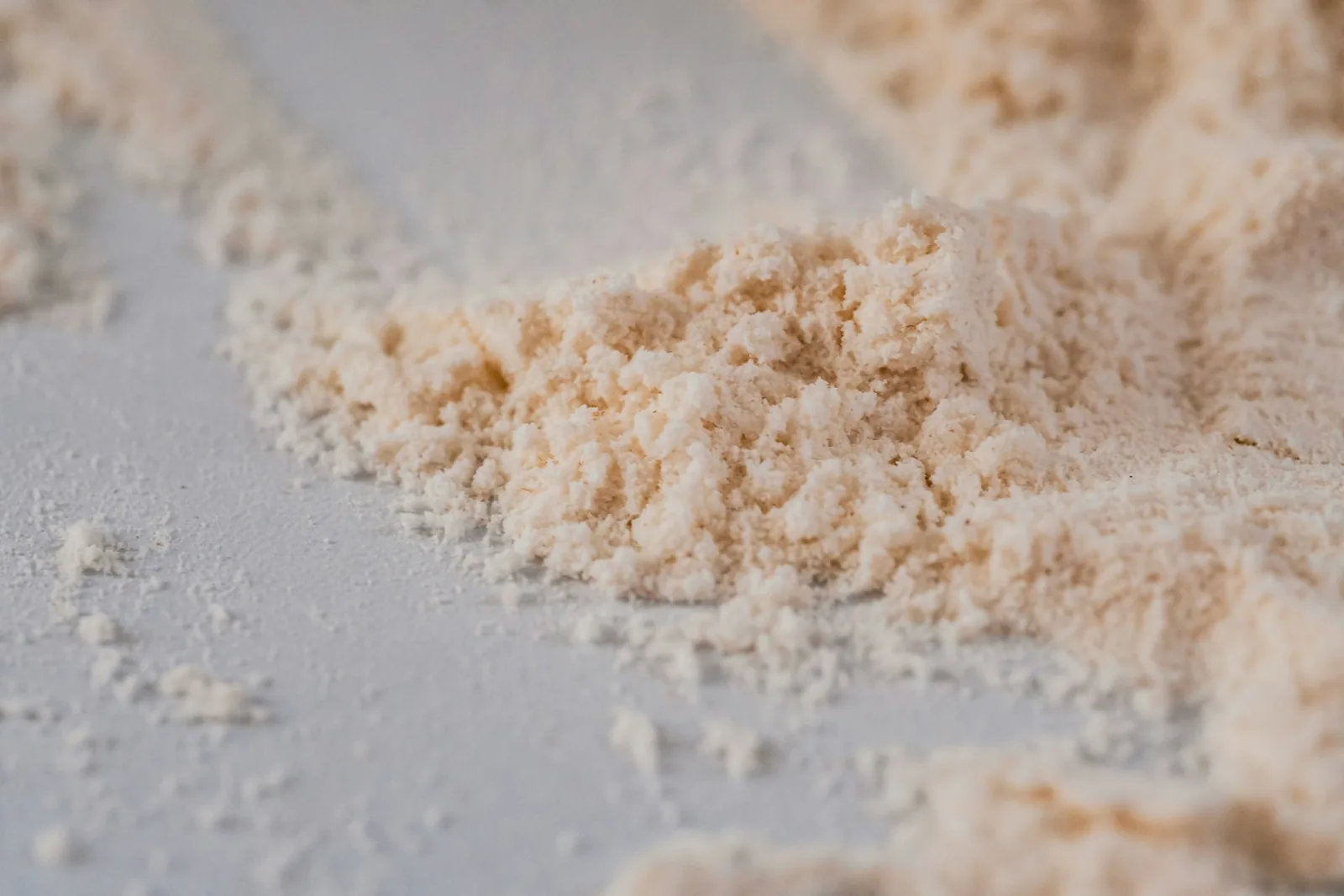
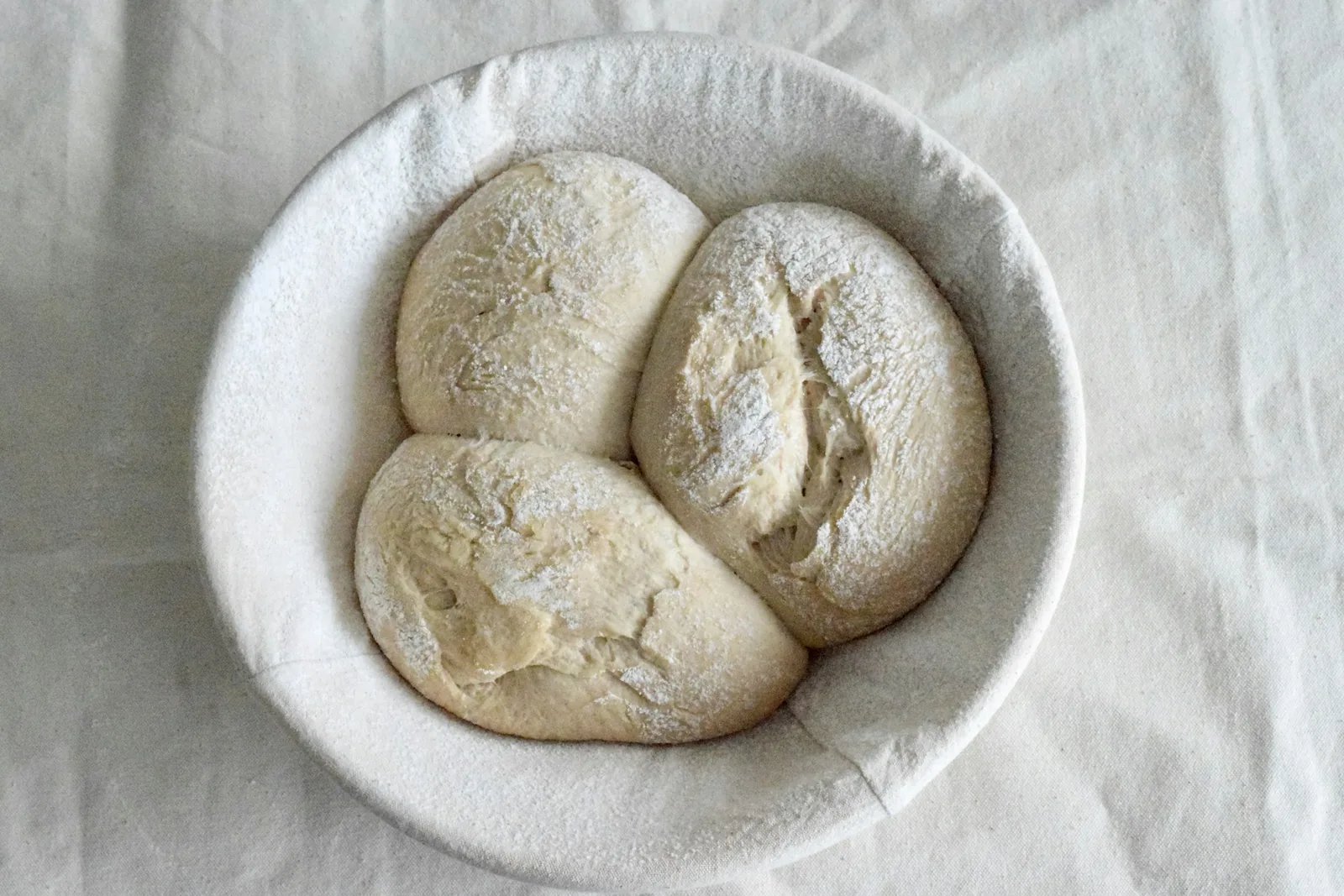
Hydration is how much water the dough holds relative to flour. More water gives a more open, airier crumb; less gives a denser, crisper one.
Thickness decides how much of the base stays soft. A thin base dries through and crisps; a thick one keeps a bready middle.
Bake does the rest. A very hot, short bake blisters the rim and leaves the centre soft. A moderate, longer bake dries the whole base evenly and crisps it.
Thin crust
Rolled rather than stretched, and baked until the base dries through. The result snaps rather than folds, and the edge is thin all the way round instead of puffing into a rim.
It carries light toppings well and heavy ones badly. Load a thin base with wet vegetables and the middle gives way.
There is a second kind of thin crust worth knowing about. Tavern-style, common around Chicago and the upper Midwest, is rolled cracker-thin and cut into squares rather than wedges. It is a different thing from a folded New York slice, even though both get called thin.
Hand-tossed
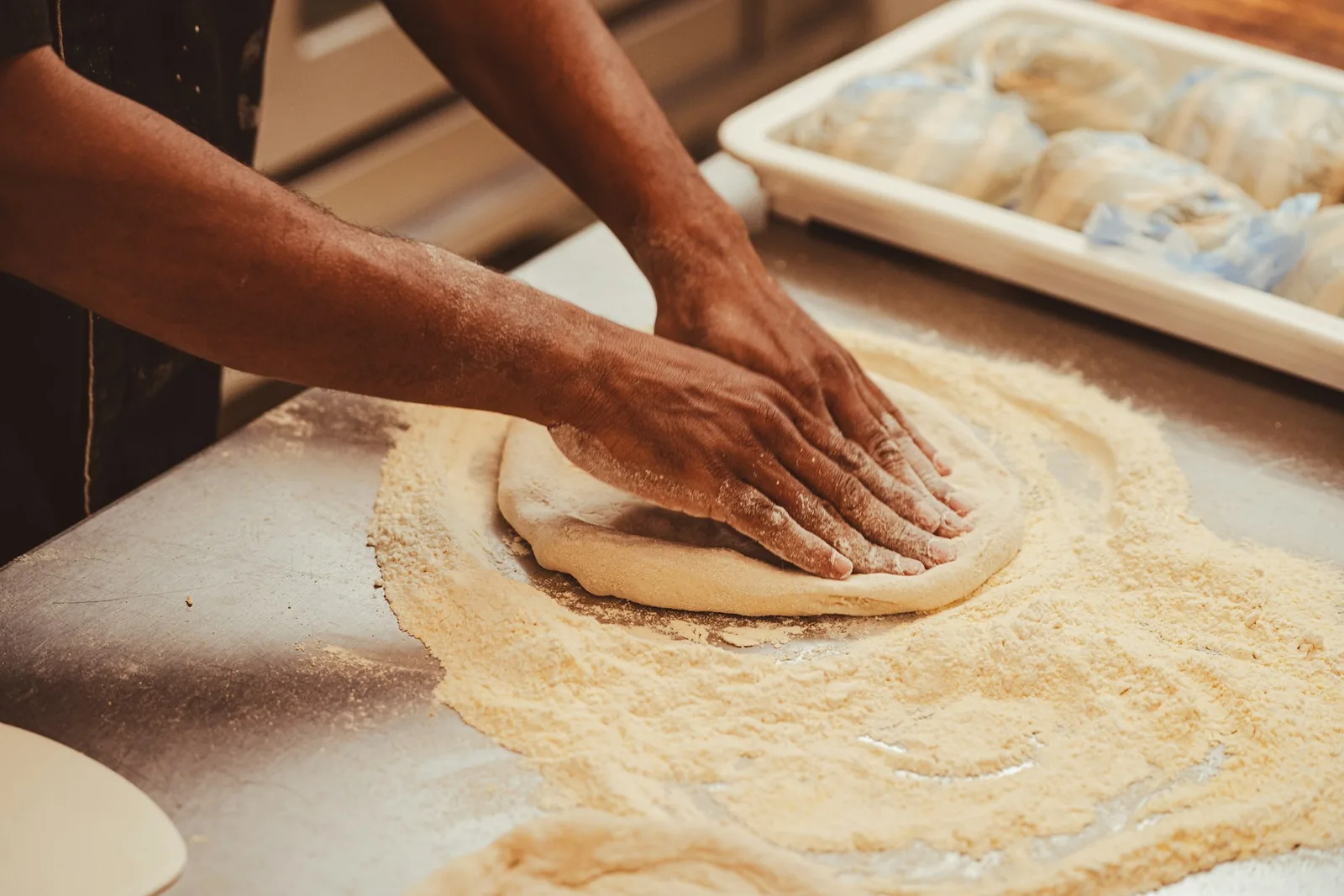
The default at most American pizzerias, and the one people picture when they think of a pizza slice. Stretched by hand rather than rolled, which leaves air in the outer edge.
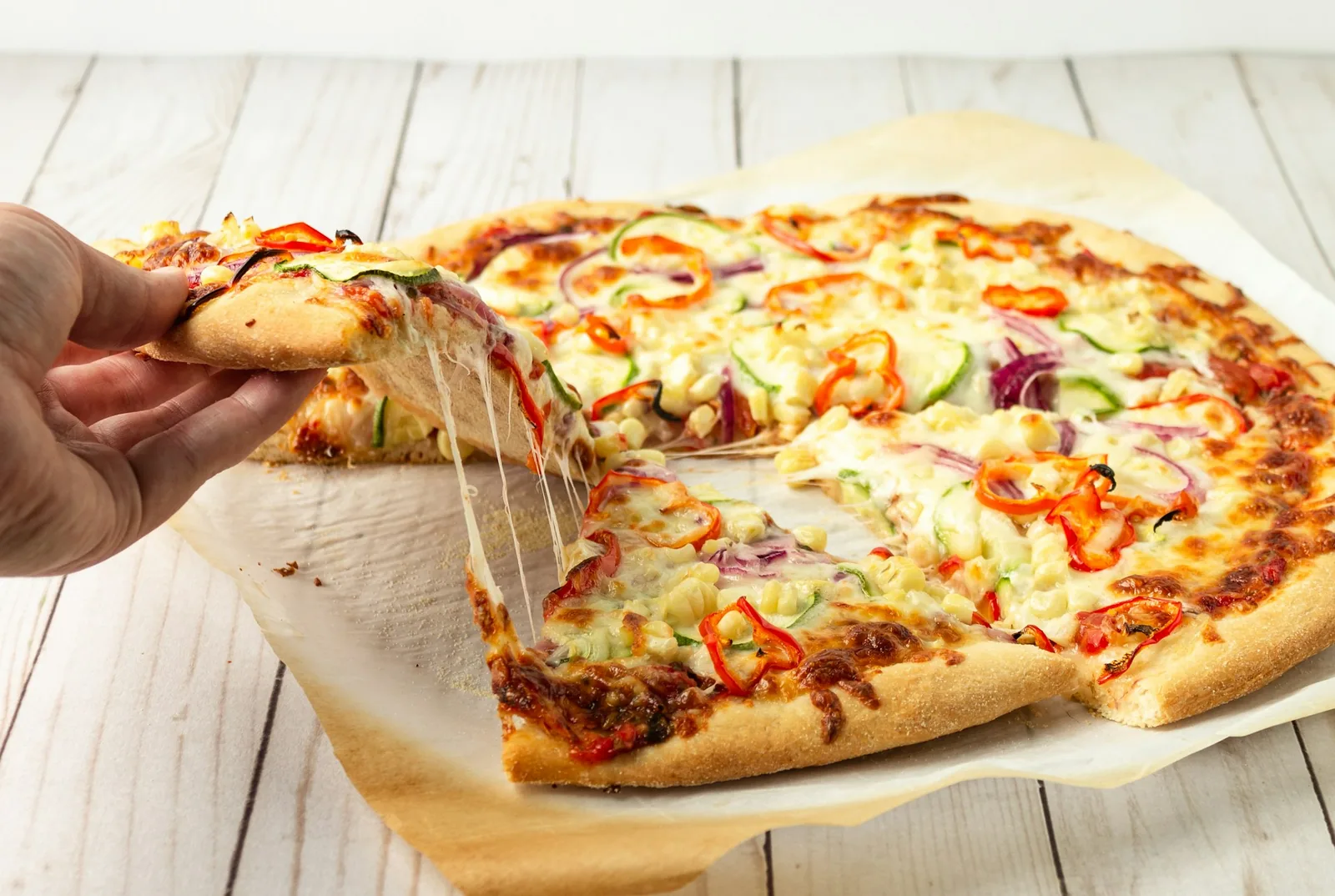
You get a chewy centre, a puffed rim, and enough structure to hold a decent weight of toppings. It is the most forgiving style and the reason it is the standard.
Sicilian and pan
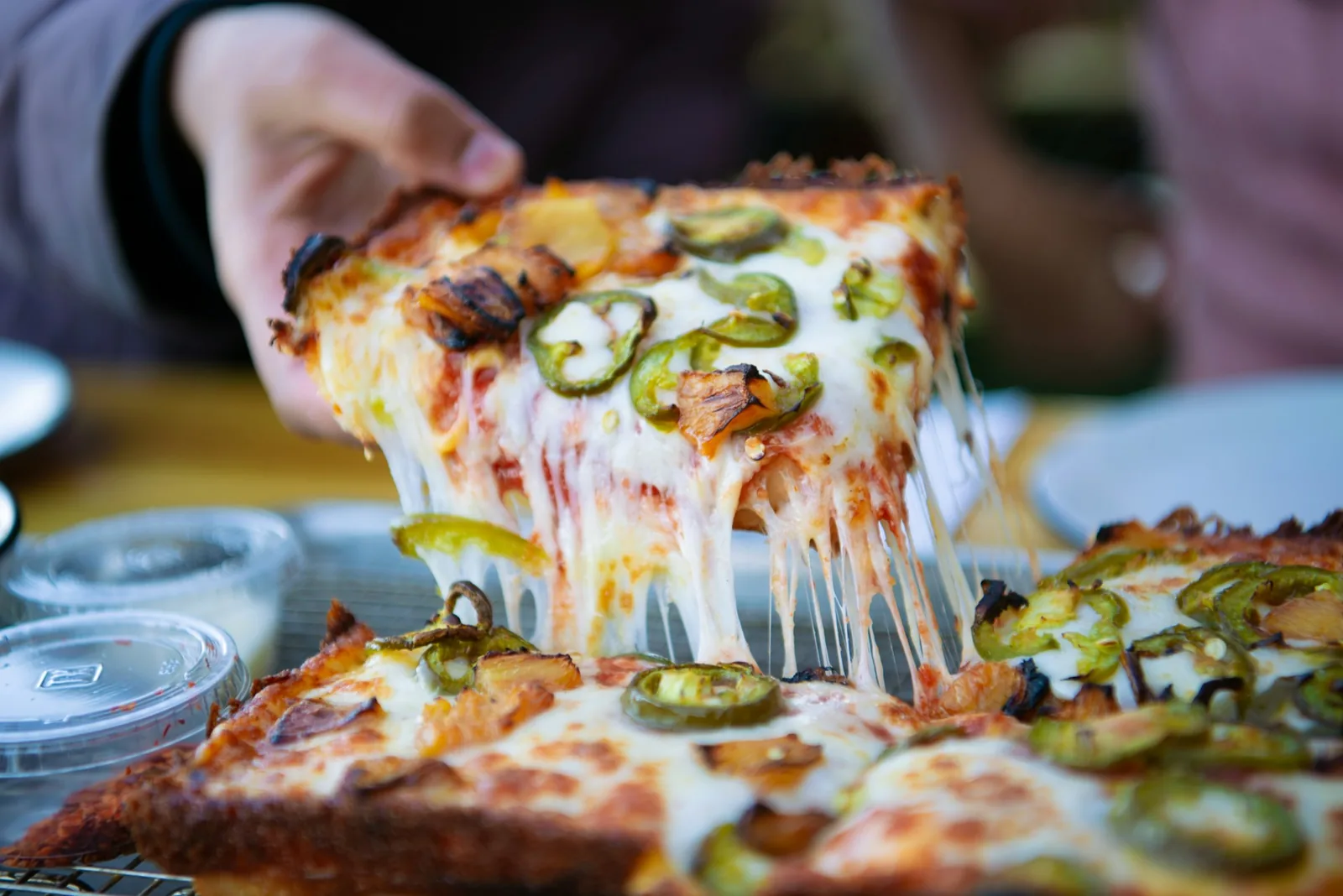
These are the thick ones, and they are close cousins rather than the same thing. Both are pressed into an oiled tray and baked in it, so the base effectively fries against the metal while the top bakes.
That gives a crisp, almost fried underside and a soft, open interior — a completely different eating experience from a round pie. Sicilian is cut into squares rather than wedges.
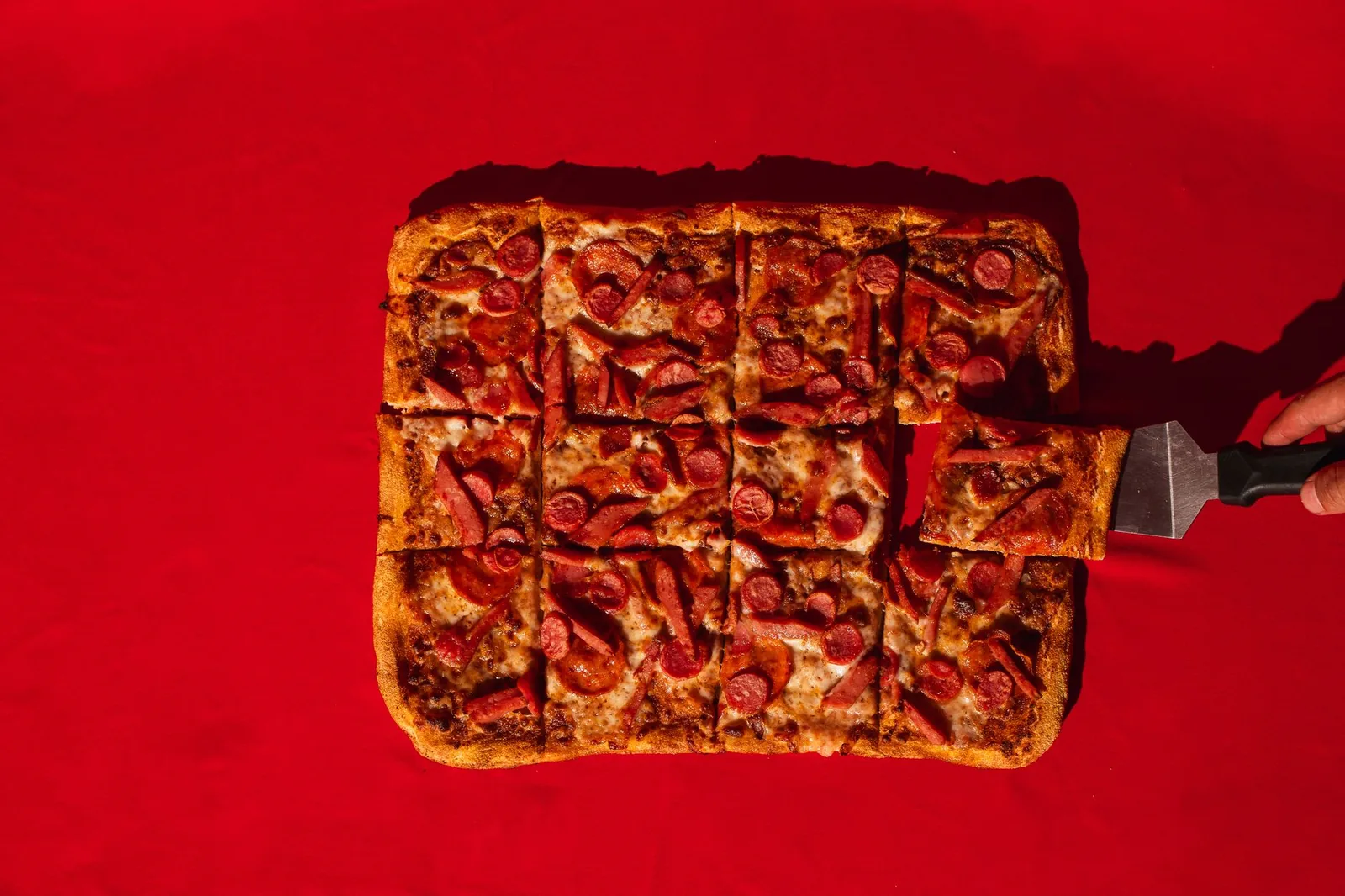
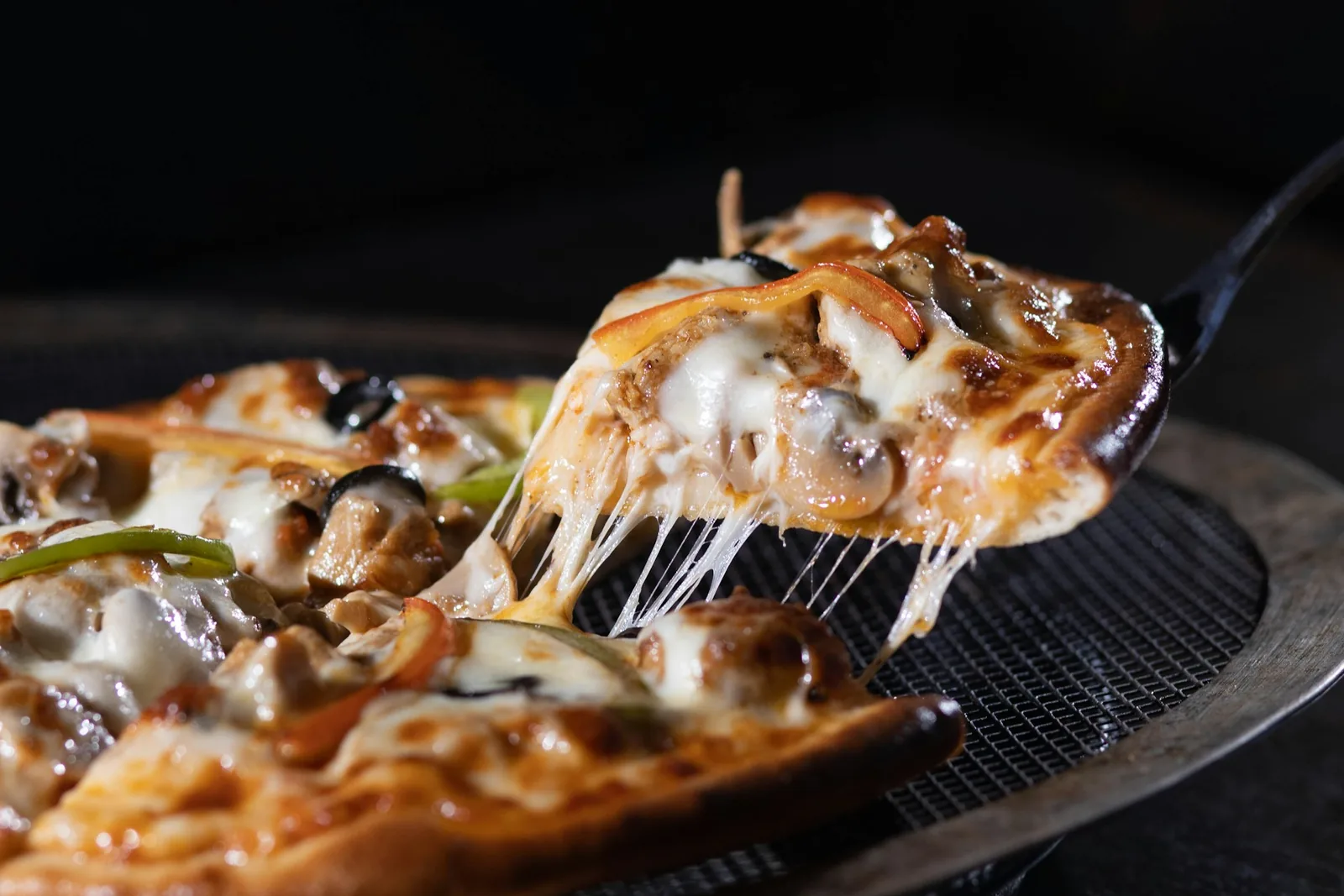
It is the style to pick when you want something substantial, or when you are dividing a pizza across a group and want even portions. Ray’s makes a Sicilian alongside its Medium and Large round pies.
Neapolitan
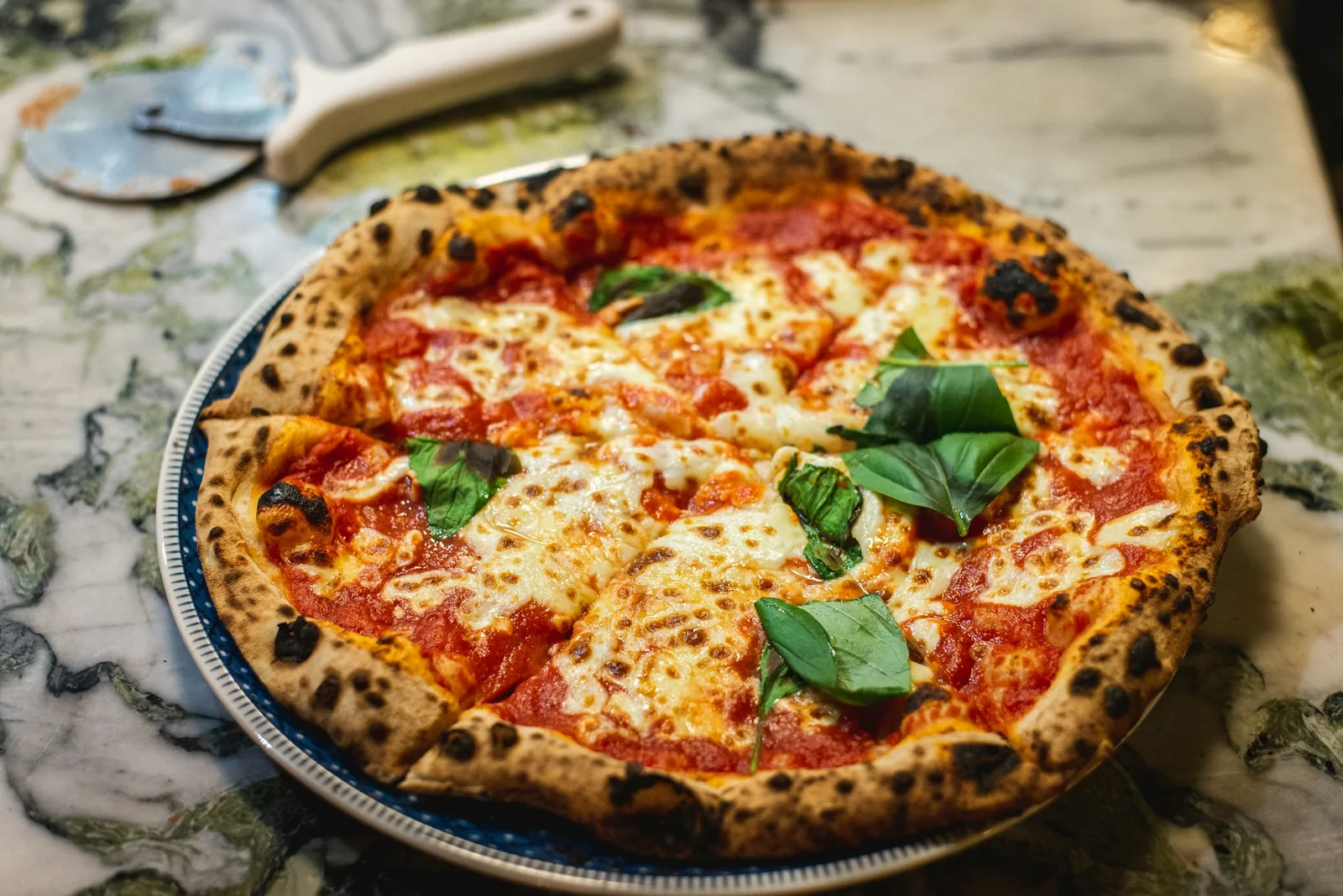
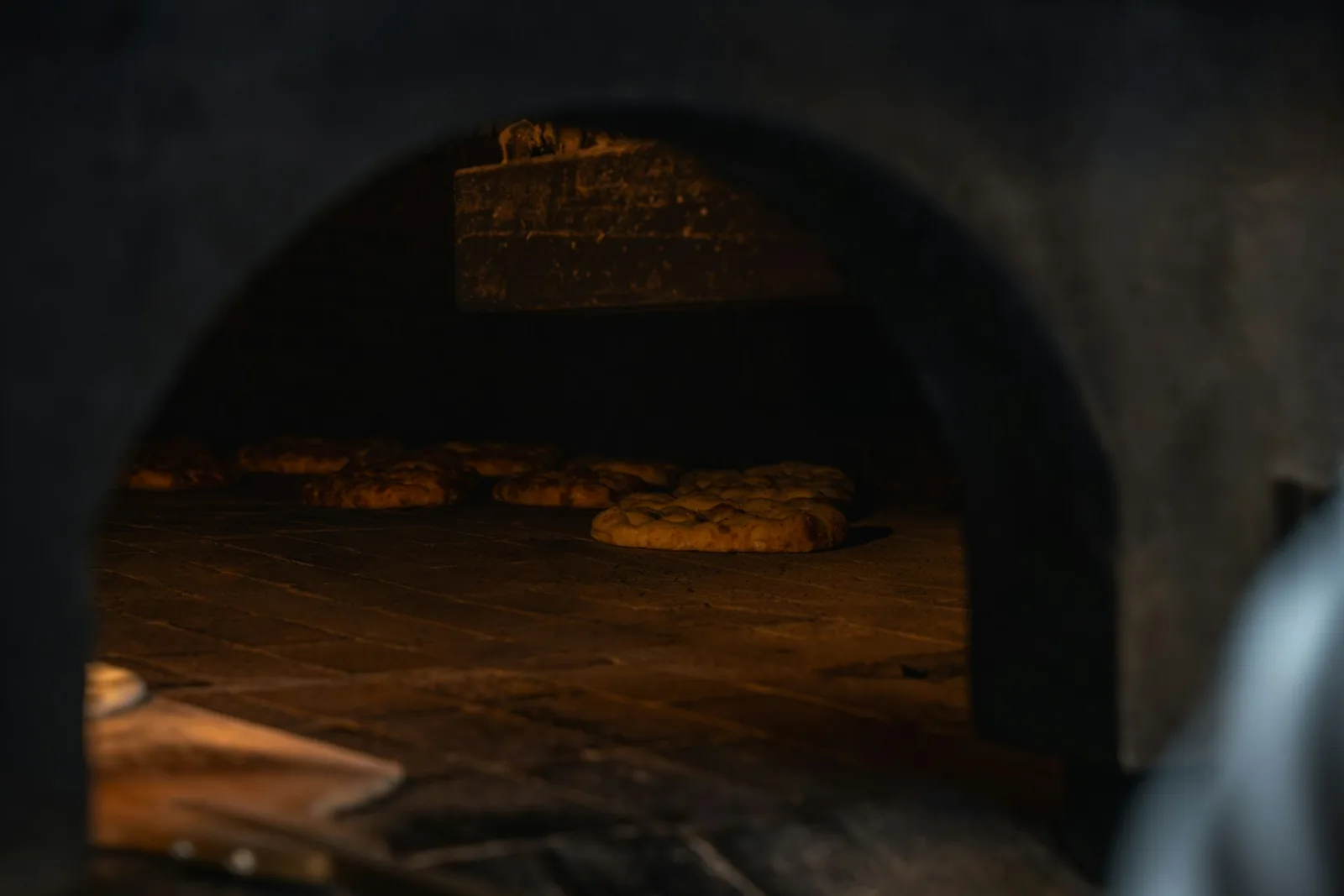
The original, and the outlier. Very wet dough, a very hot oven, and a bake measured in seconds rather than minutes.
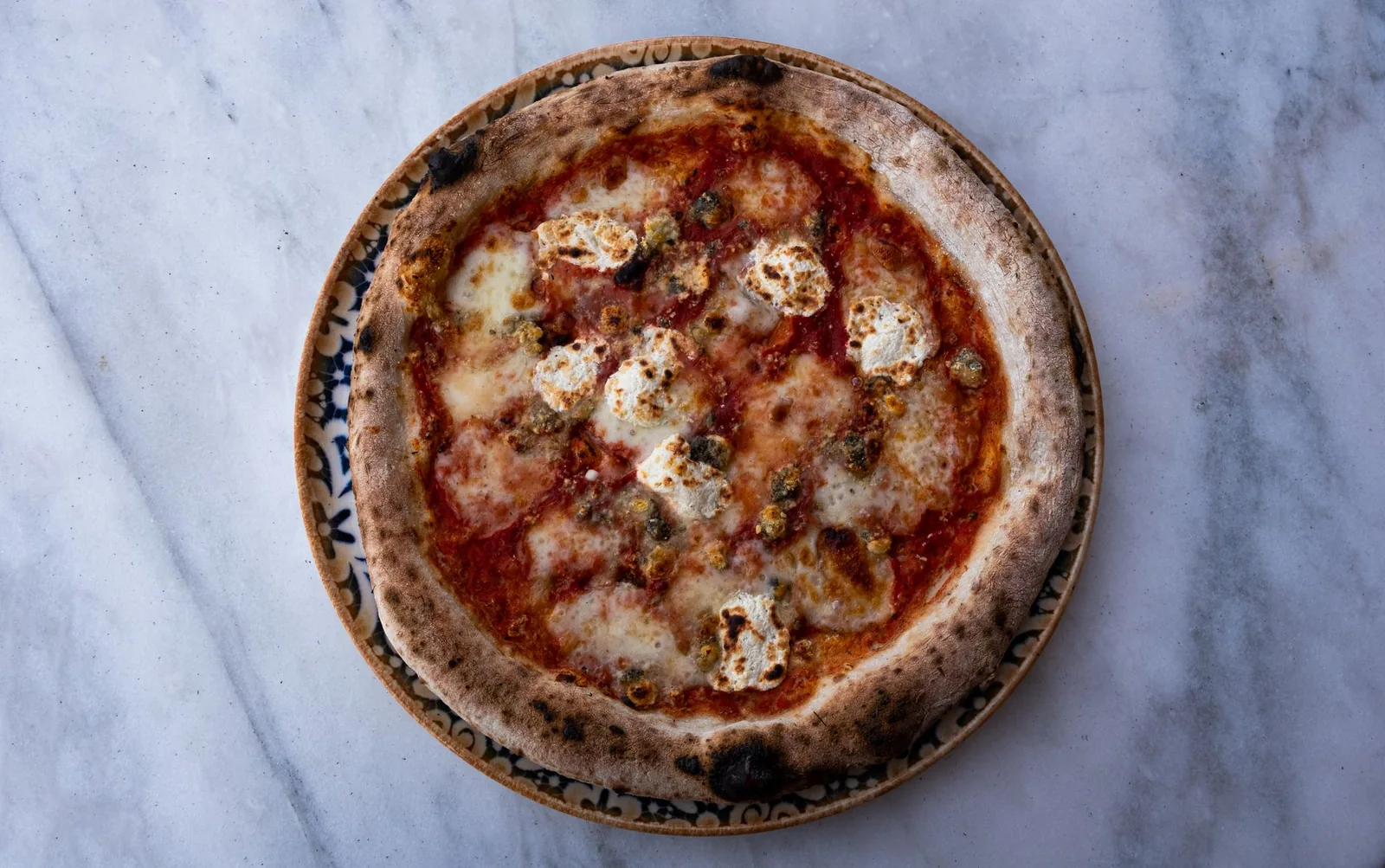
The rim blisters and chars in spots, the centre stays soft enough that a slice will not hold itself horizontal, and the toppings are kept deliberately sparse. It is meant to be eaten immediately, with a knife and fork if necessary.
How to tell what you are eating
You can usually identify a crust without asking. Three things give it away.
Look at the rim. A puffed, uneven, slightly blistered edge means the dough was stretched by hand and baked hot. A rim that is the same thickness as the middle means it was rolled.
Fold a slice. A hand-tossed slice folds and holds. A thin slice cracks. A Neapolitan slice will not support itself at all, which is why it usually arrives uncut.
Look at the underside. Spotted and dry means it baked on a stone or deck. Evenly golden and slightly greasy means it baked in an oiled tray, which puts it in the Sicilian and pan family.
None of this makes one style better. It tells you what to expect, which is more useful when you are choosing between two pizzas on the same menu.
Which one to order
- Thin if you want crisp and are ordering one or two light toppings.
- Hand-tossed if you want the familiar thing that works with anything.
- Sicilian or pan if you want something filling, or you are feeding a group and want even squares.
- Neapolitan if you are eating it the moment it lands and you like a soft, charred rim.
Toppings should follow the crust rather than the other way round. A base that suits your toppings matters more than which style is objectively best — our guide to topping combinations that work covers which loads sit well on which base.
Pizza Questions, Answered.
What is the difference between Sicilian and pan pizza?
Both are thick and baked in an oiled tray, so the base crisps against the metal. Sicilian is the Italian-American version, traditionally cut into squares; pan pizza is the broader term for the same method.
Why is my pizza crust chewy?
Chew comes from gluten development and hydration. A well-developed, moderately wet dough is meant to be chewy – it is a feature of hand-tossed and Neapolitan styles rather than a fault.
Which crust is best for lots of toppings?
A thicker base. Sicilian and pan styles have the structure to carry weight without the middle giving way, which a thin base will not.
Is thin crust healthier?
It uses less dough, so a slice has less bread in it. Beyond that it depends entirely on what goes on top, and we cannot make nutrition claims about any specific pizza.
The short version
Hydration, thickness and bake. Thin for crisp, hand-tossed for versatile, Sicilian for substantial, Neapolitan for soft and charred.
If you want to know what is happening underneath all of it, our explainer on what pizza dough actually does covers the four ingredients and the one variable that matters most. Current sizes are on the Ray’s menu.
Ray’s Pizza Team
Ray’s Pizza & Sub Shop is a neighborhood pizzeria at 95 Woodstown Rd, Swedesboro, New Jersey, serving pizza, stromboli, hot and cold subs and dinners seven days a week from 10:30am to 9:00pm. These guides are written by the people behind the counter.
Visit Ray’sMore From Ray’s