Anchovies on Pizza
The most argued-about topping on any menu, and the one most people have never actually tasted in the right quantity. It is a seasoning that happens to look like a topping.
Anchovy is not really a topping. It is a seasoning that arrives in the shape of a fish, and almost every complaint about it comes from treating it as the former.
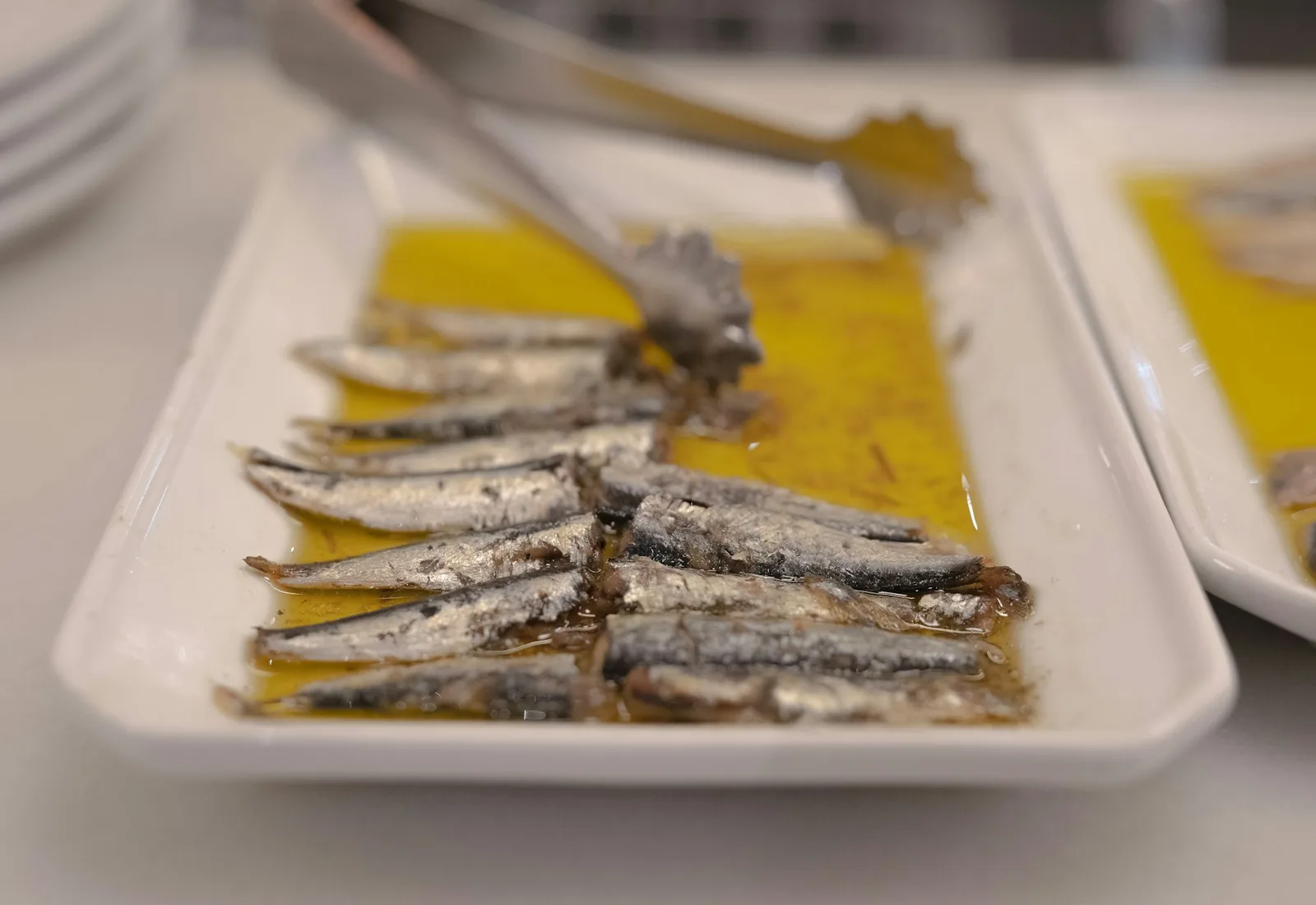
Cured anchovy fillets are soft, oily and packed with salt. In an oven they do not sit on the pizza the way pepperoni does — they slump, break up and largely melt into the cheese and sauce beneath them.
| Anchovy | A normal topping | |
|---|---|---|
| Behaviour in the oven | Softens and dissolves | Holds its shape |
| Where the flavour goes | Through the whole pizza | Where you put it |
| Right quantity | Two or three fillets | Enough to cover |
| Job | Seasoning | Substance |
It dissolves, which changes everything
A cured anchovy fillet is mostly broken-down protein and oil. Heat finishes what the curing started, and within a few minutes in a hot oven the fillet has lost its structure.
What is left is not a piece of fish sitting on cheese. It is a savoury depth distributed through the sauce and the cheese around where it lay. You taste it everywhere and see it almost nowhere.
This is why anchovy is used in Caesar dressing, in many pasta sauces and in countless dishes where nobody announces it. Most people who are certain they dislike anchovy have eaten it, unknowingly and happily, many times.
What it actually does
Anchovy is unusually rich in glutamates — the compounds responsible for the savoury quality usually called umami.
Glutamates do not taste of much on their own. What they do is make other savoury things taste more strongly of themselves. Tomato tastes more like tomato; cheese tastes rounder; the whole pizza reads as having been cooked longer and more carefully than it was.
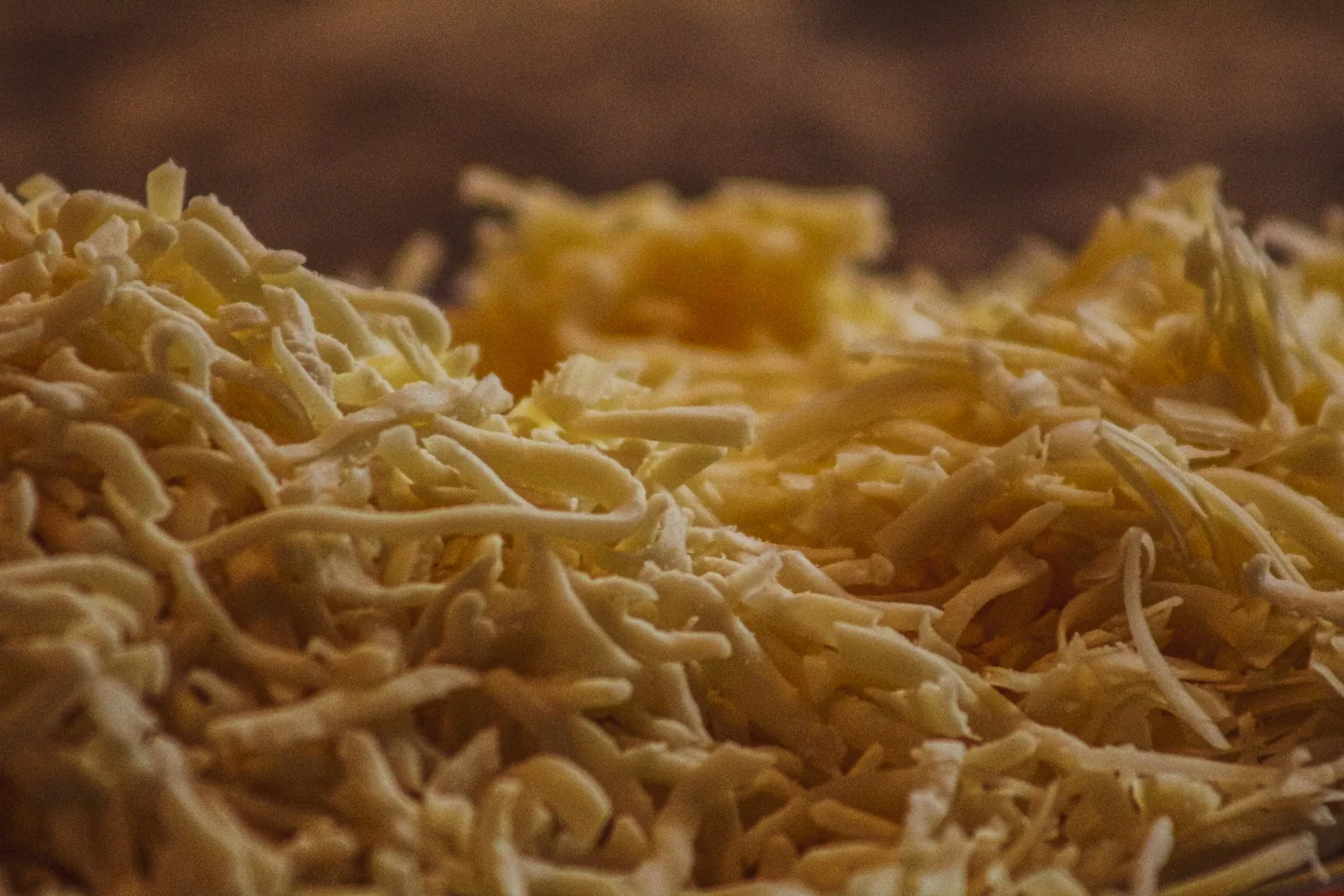
Tomato and hard cheese are both glutamate-rich themselves, which is part of why a plain cheese pizza is satisfying at all. Anchovy pushes further in the same direction rather than adding a new flavour.
Almost everyone overdoes it
This is the practical heart of it.
Because anchovy looks like a topping, it gets applied like one — a fillet or two per slice, laid out in a pattern. At that concentration the salt and the fish flavour stop being background and become the entire pizza.
Two or three fillets across a whole pizza is closer to right. Broken up and distributed, they season the thing without dominating it, and most people who try that version are surprised by how much they like it.
The comparison worth making is salt itself. Nobody would spoon salt onto a pizza in visible piles, but nobody would leave it out of the dough either. Anchovy occupies the same position and gets treated as though it were pepperoni.
Why it tastes so salty
Because it is. Salt is the preservation method, not a seasoning choice.
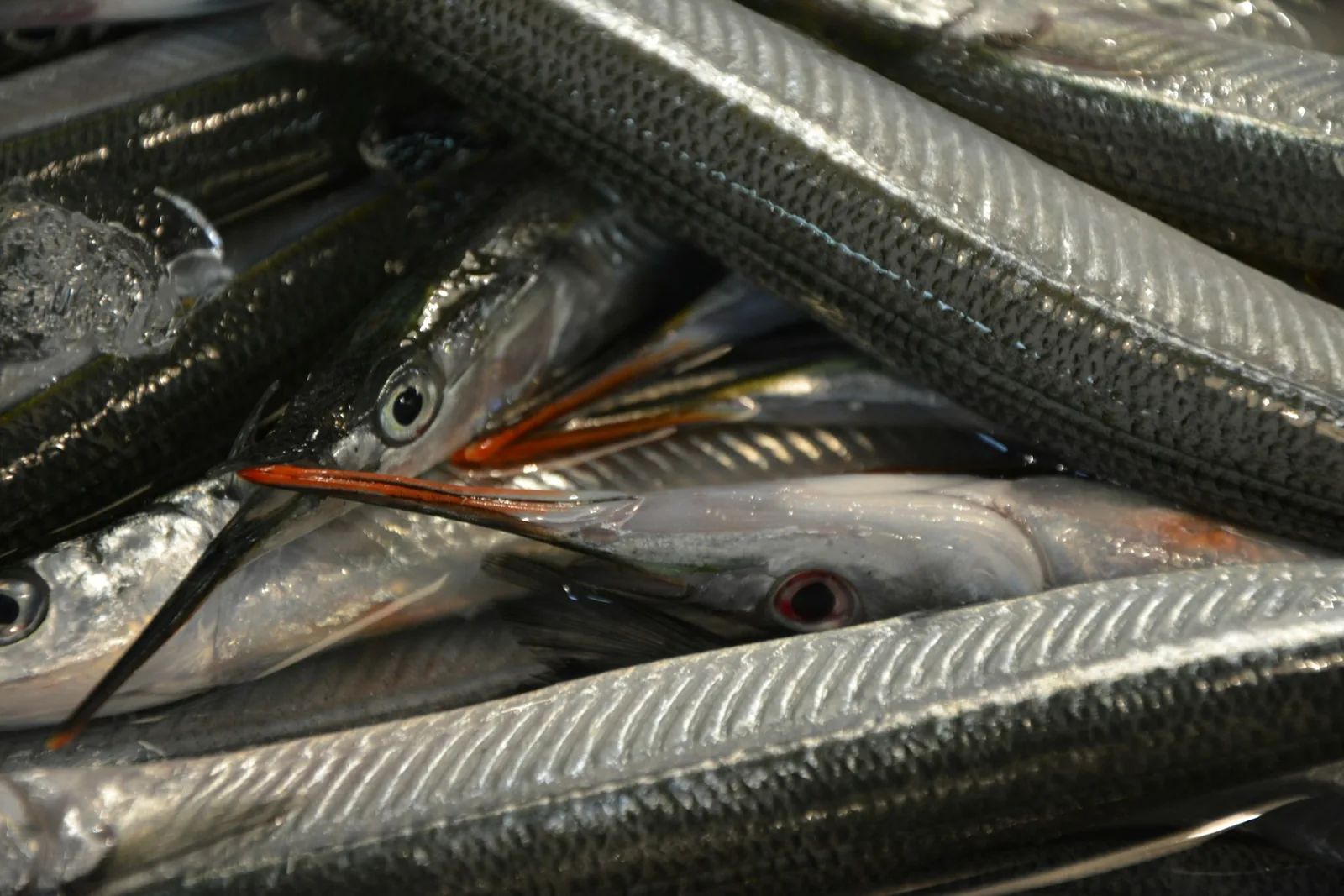
Anchovies are packed in salt for months, which draws out water, prevents spoilage and breaks down the flesh into something soft and intensely savoury. The salt is doing the curing, and a great deal of it stays in the fillet.
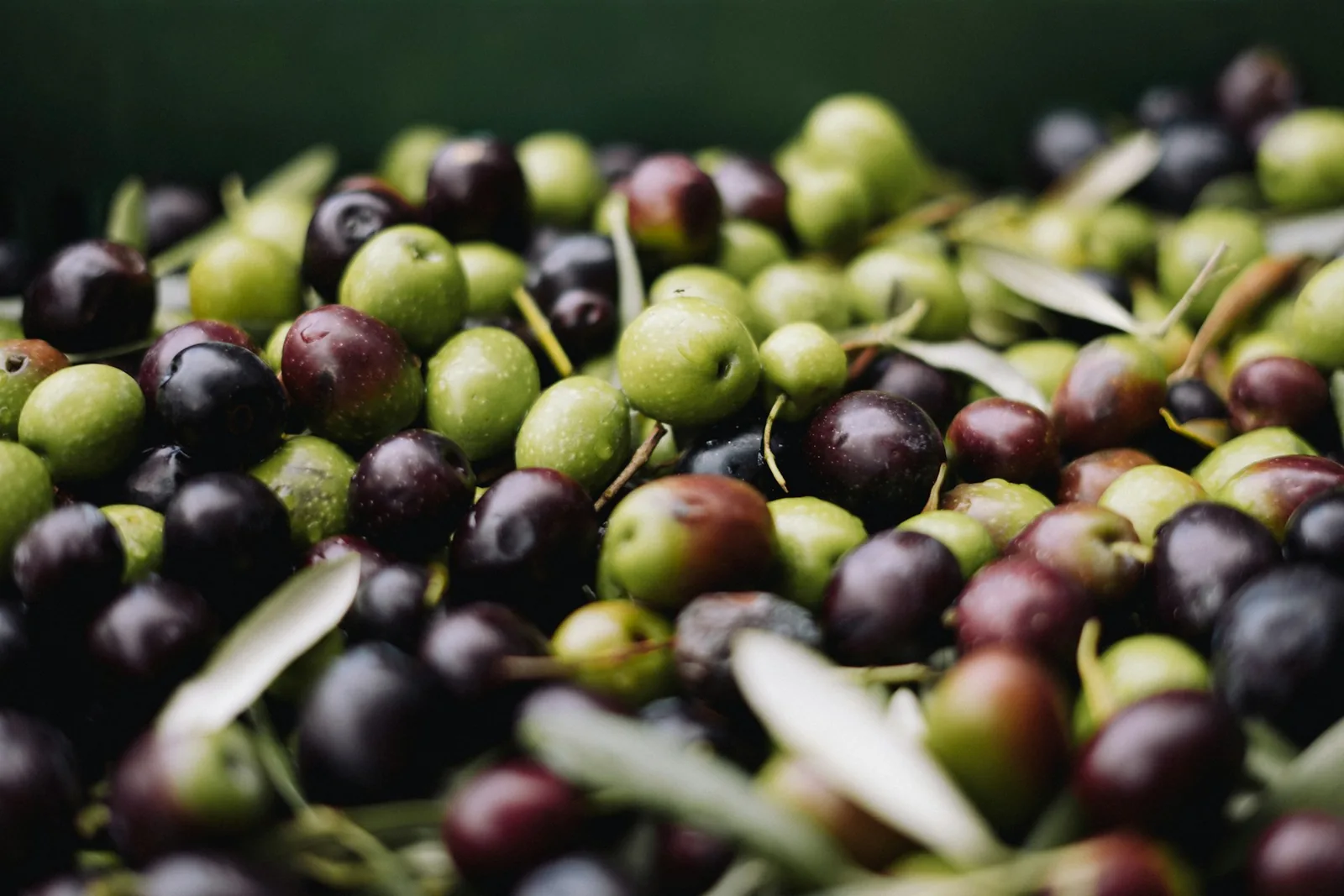
That has one consequence worth planning around: a pizza with anchovy needs less salt from everywhere else. Anchovy plus olives plus cured meat plus a hard cheese is four salty things at once, and the result is a pizza nobody finishes.
What it goes with
The classic pairings are classic because they answer the salt.
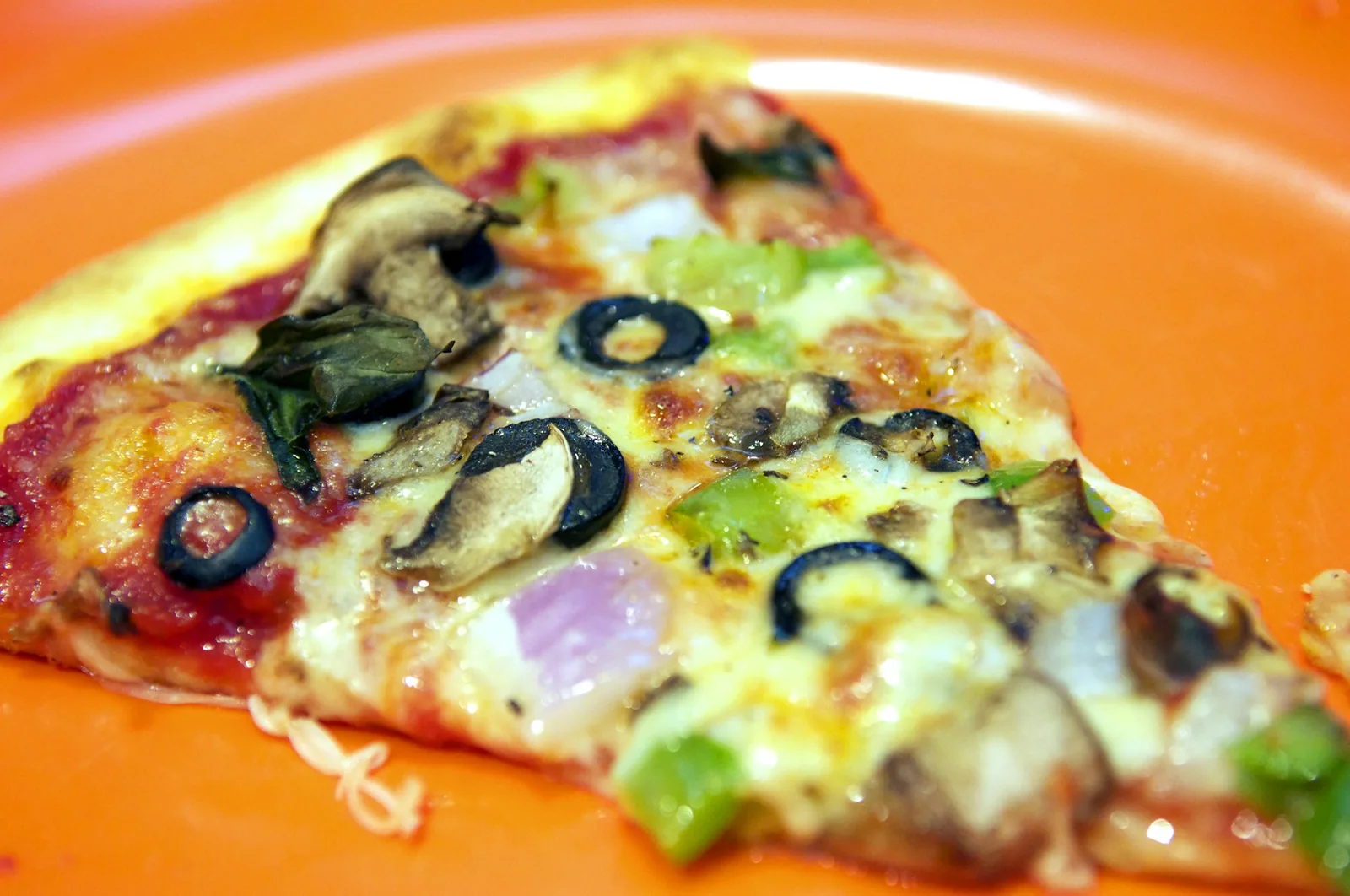
- Garlic — sweet and pungent when baked, and it does not compete.
- Fresh tomato — acid, which cuts salt more effectively than anything else.
- Red onion — sweetens as it bakes.
- Chilli — heat and salt reinforce each other pleasantly.
Capers are the traditional partner and the one to be careful with, because they are also salt-cured. A pizza with anchovy, capers and olives is a study in one flavour.
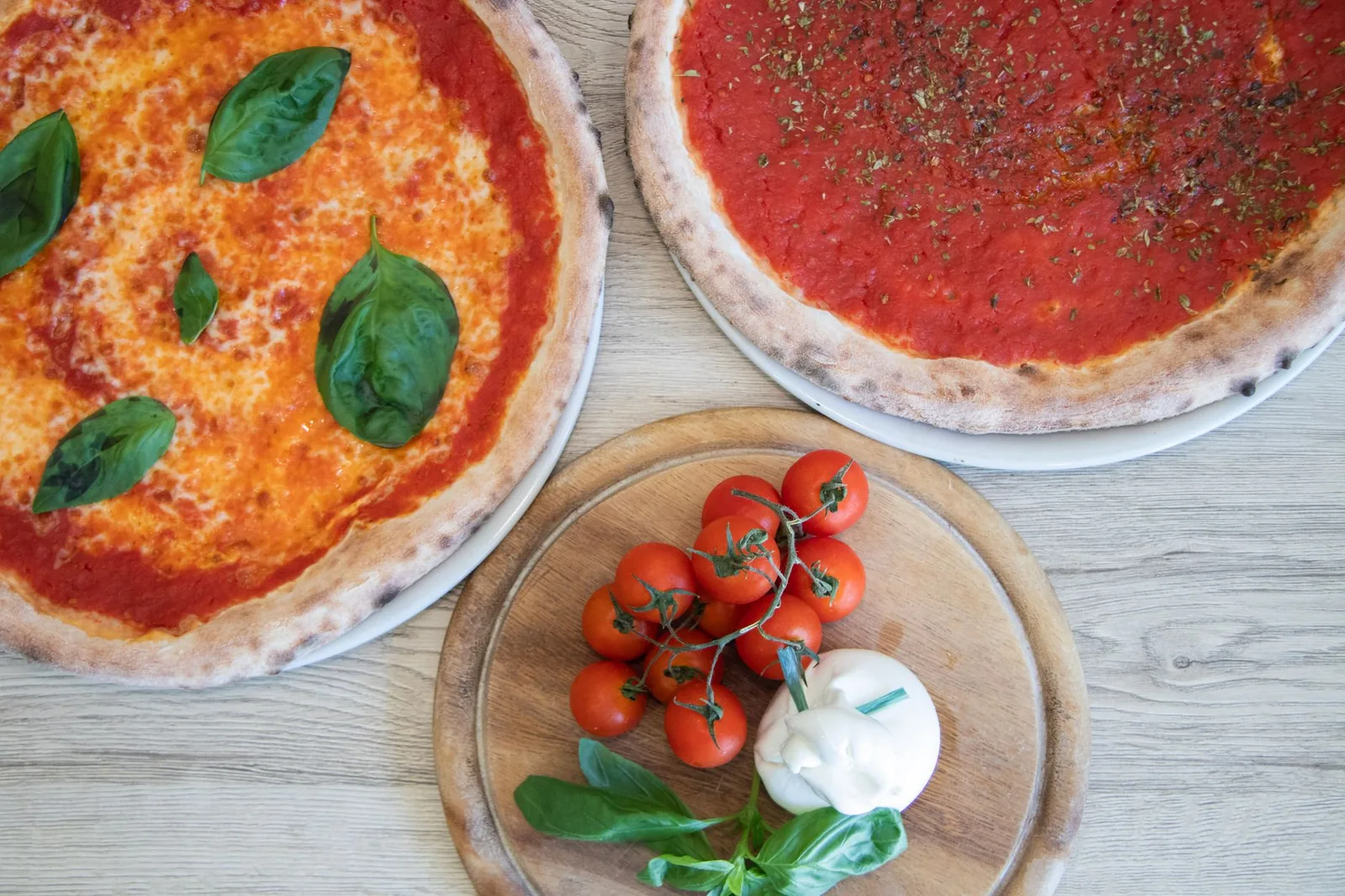
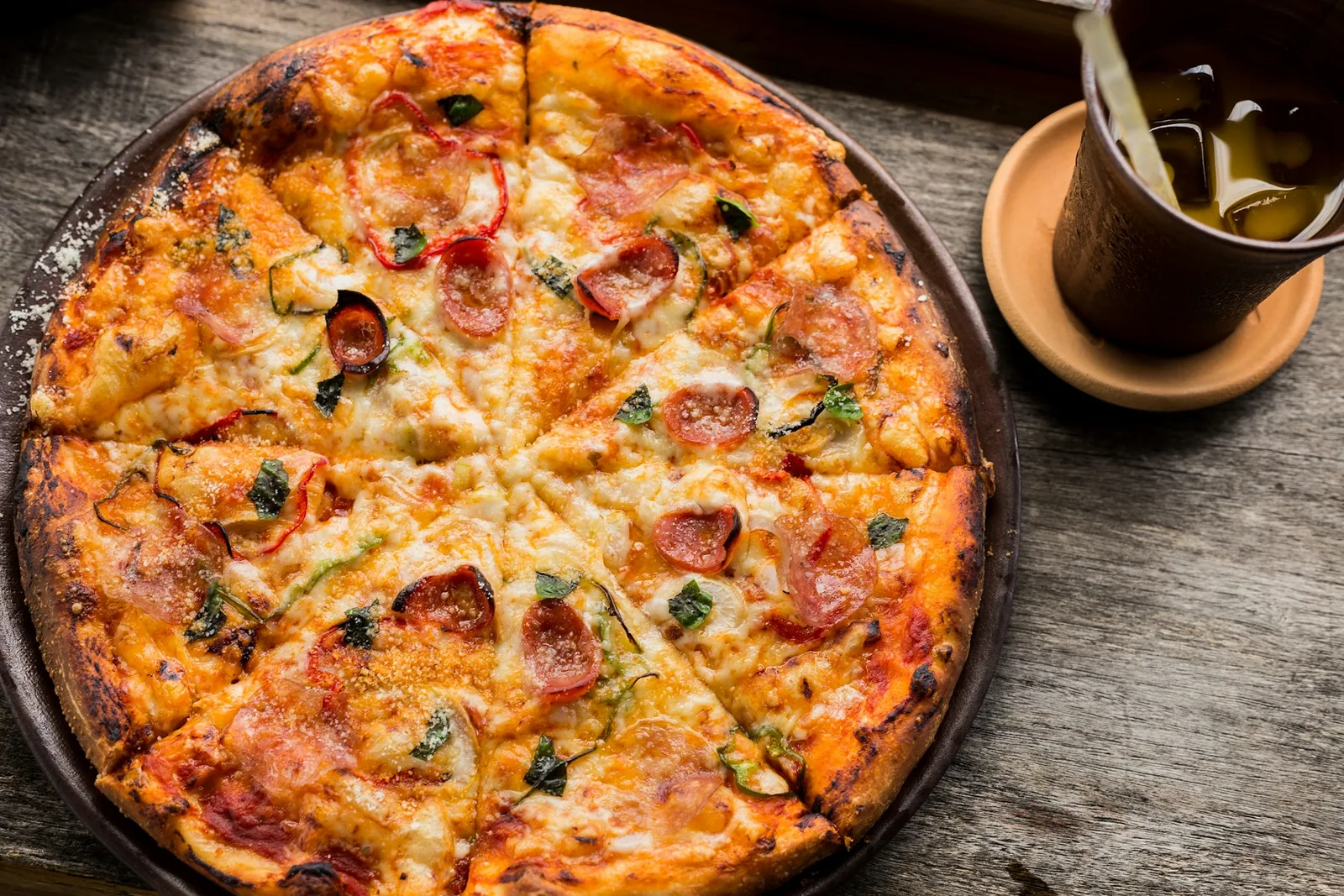
Where it is genuinely excellent is on a simple base. On a tomato pizza with little or no cheese — the style our guide to cheese, white and tomato pizzas covers — there is nothing blunting it, and the depth it adds is obvious rather than subtle.
Why it divides people so sharply
Two things, and neither is really about taste.
The first is quantity, covered above. A first encounter is usually a pizza carrying far too many, and that experience is genuinely unpleasant — it is not a matter of an unrefined palate.
The second is that anchovy is one of the few toppings that is unmistakably an animal. A disc of pepperoni does not look like a pig; an anchovy fillet looks exactly like a small fish, and for some people that is the whole objection before anything reaches the mouth.
Neither is a reason to insist anybody should like it. But both are reasons why the argument is louder than the flavour warrants, and why the version most critics are rejecting is not the version worth defending.
Pizza Questions, Answered.
Do anchovies melt on pizza?
Largely, yes. Cured anchovy is soft and oily, and in a hot oven it loses its structure and distributes through the sauce and cheese rather than sitting on top.
Why are anchovies so salty?
Salt is how they are preserved. They are packed in it for months, which cures the flesh and leaves a great deal of salt in the fillet.
How many anchovies should go on a pizza?
Two or three across a whole pizza, broken up. Applied like a normal topping – one or two per slice – the salt and fish flavour take over completely.
What is umami, and what does anchovy have to do with it?
Umami is the savoury quality carried by glutamates, which anchovy is unusually rich in. It makes other savoury ingredients taste more strongly of themselves rather than adding a flavour of its own.
The short version
A seasoning shaped like a fish. It dissolves, deepens everything around it, and brings a lot of salt with it. Use two or three on a whole pizza, keep the other salty toppings down, and it stops being a joke.
Anchovies are on the Ray’s topping list, and the kitchen is open daily 10:30am to 9:00pm.
Ray’s Pizza Team
Ray’s Pizza & Sub Shop is a neighborhood pizzeria at 95 Woodstown Rd, Swedesboro, New Jersey, serving pizza, stromboli, hot and cold subs and dinners seven days a week from 10:30am to 9:00pm. These guides are written by the people behind the counter.
Visit Ray’sMore From Ray’s