Pizza Sauce, Explained
Most pizza sauce is never cooked before it goes on the pizza. That is the fact that surprises people, and it explains almost everything else about it.
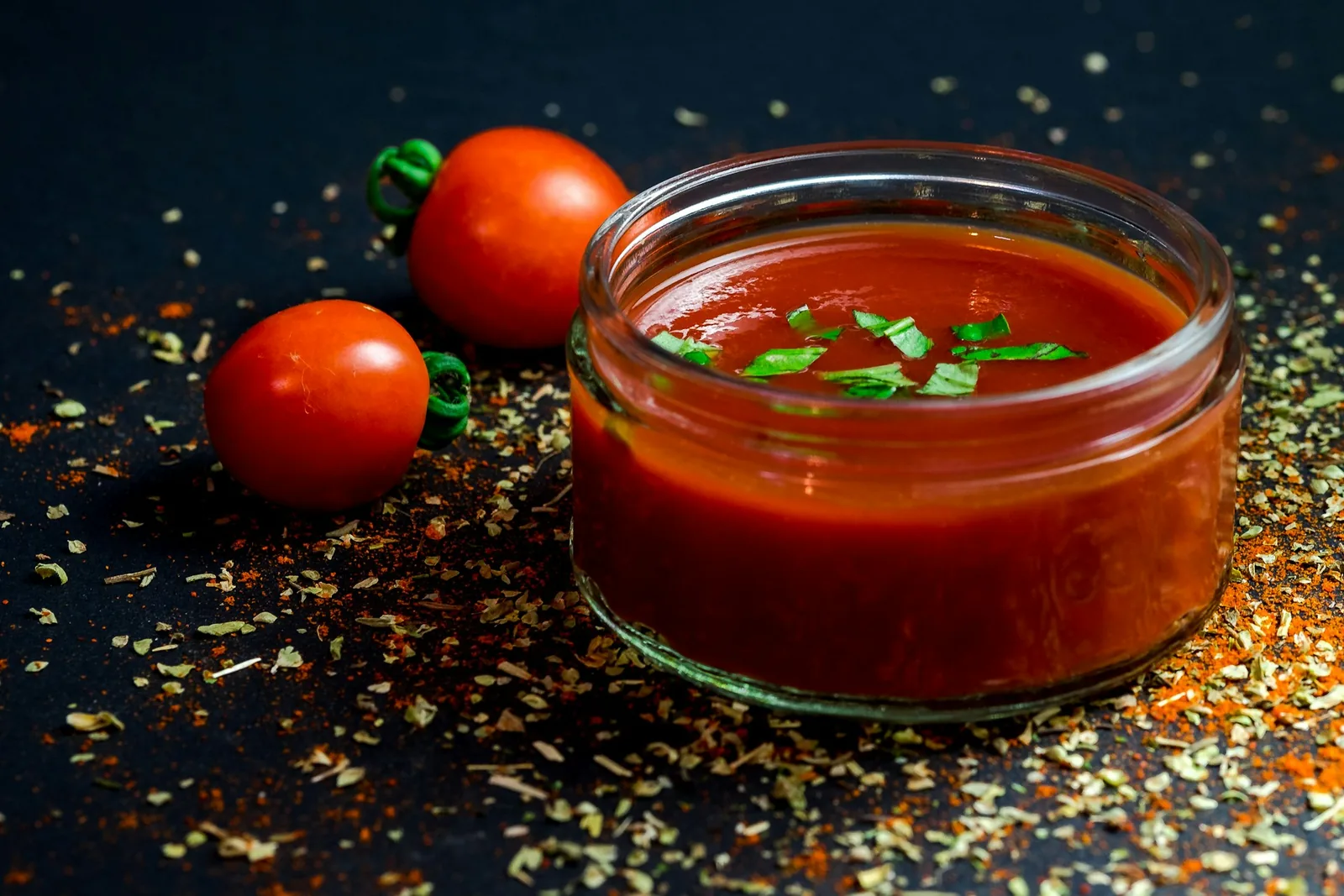
A traditional pizza sauce is crushed raw tomatoes, salt, and sometimes a little dried oregano or a clove of garlic. It goes onto the base uncooked and does its cooking in the oven, on the pizza.
That is not a shortcut. It is the reason a good pizza tastes bright rather than heavy.
| Pizza sauce | Pasta sauce | |
|---|---|---|
| Cooked first | Usually not | Almost always |
| Consistency | Loose, spreadable | Thick, clinging |
| Flavour | Bright, fresh | Deep, savoury |
| Seasoning | Minimal | Onion, garlic, herbs, often meat |
| Cooked when | On the pizza | In the pot |
Why it isn’t cooked first
A pizza spends a few minutes in a very hot oven. During that time the sauce is boiling, reducing and concentrating on the surface of the dough. It gets cooked whether you cooked it beforehand or not.
Cook it first and you cook it twice. The bright, slightly acidic character of fresh tomato disappears, and you end up with something closer to a condensed paste sitting under the cheese.
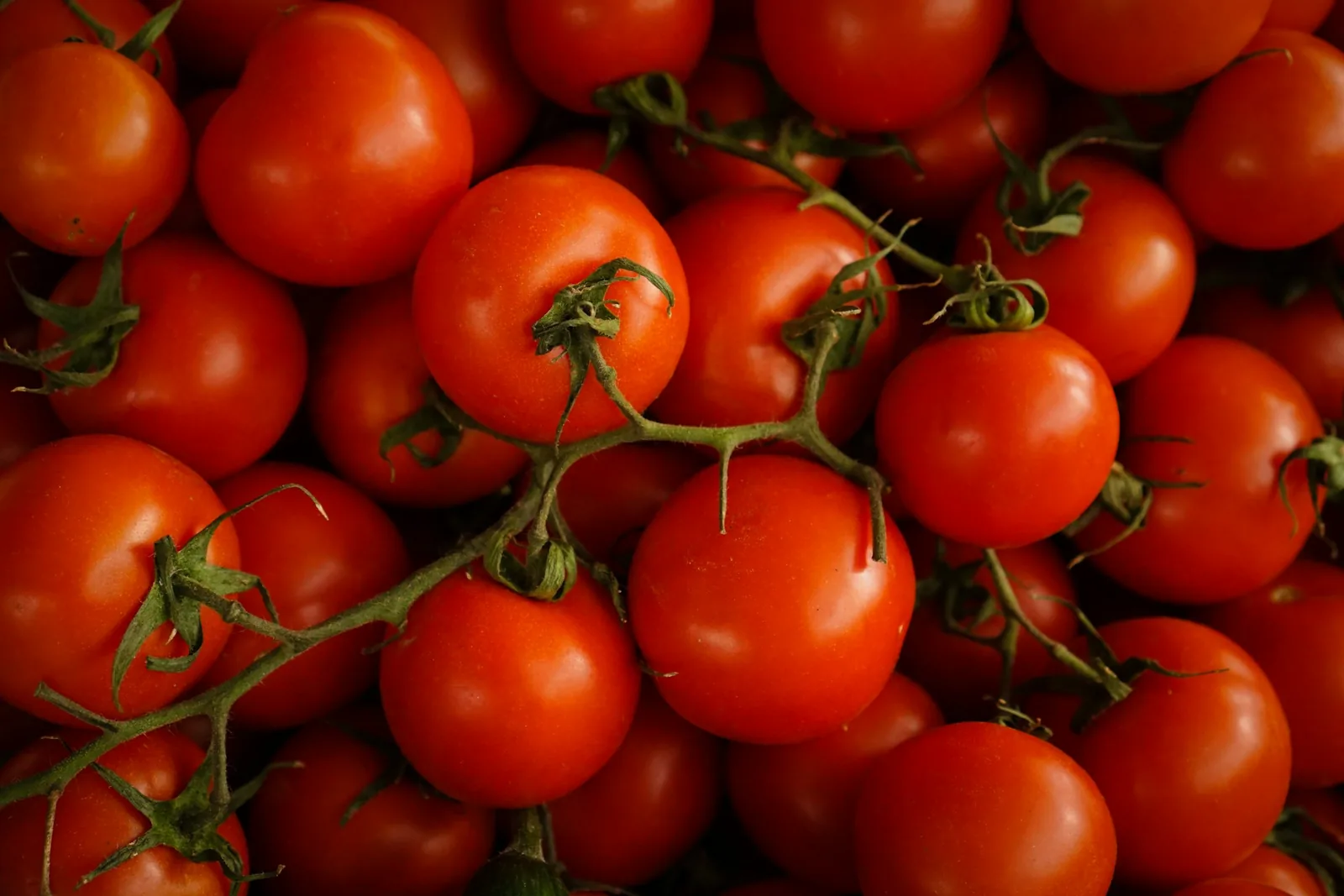
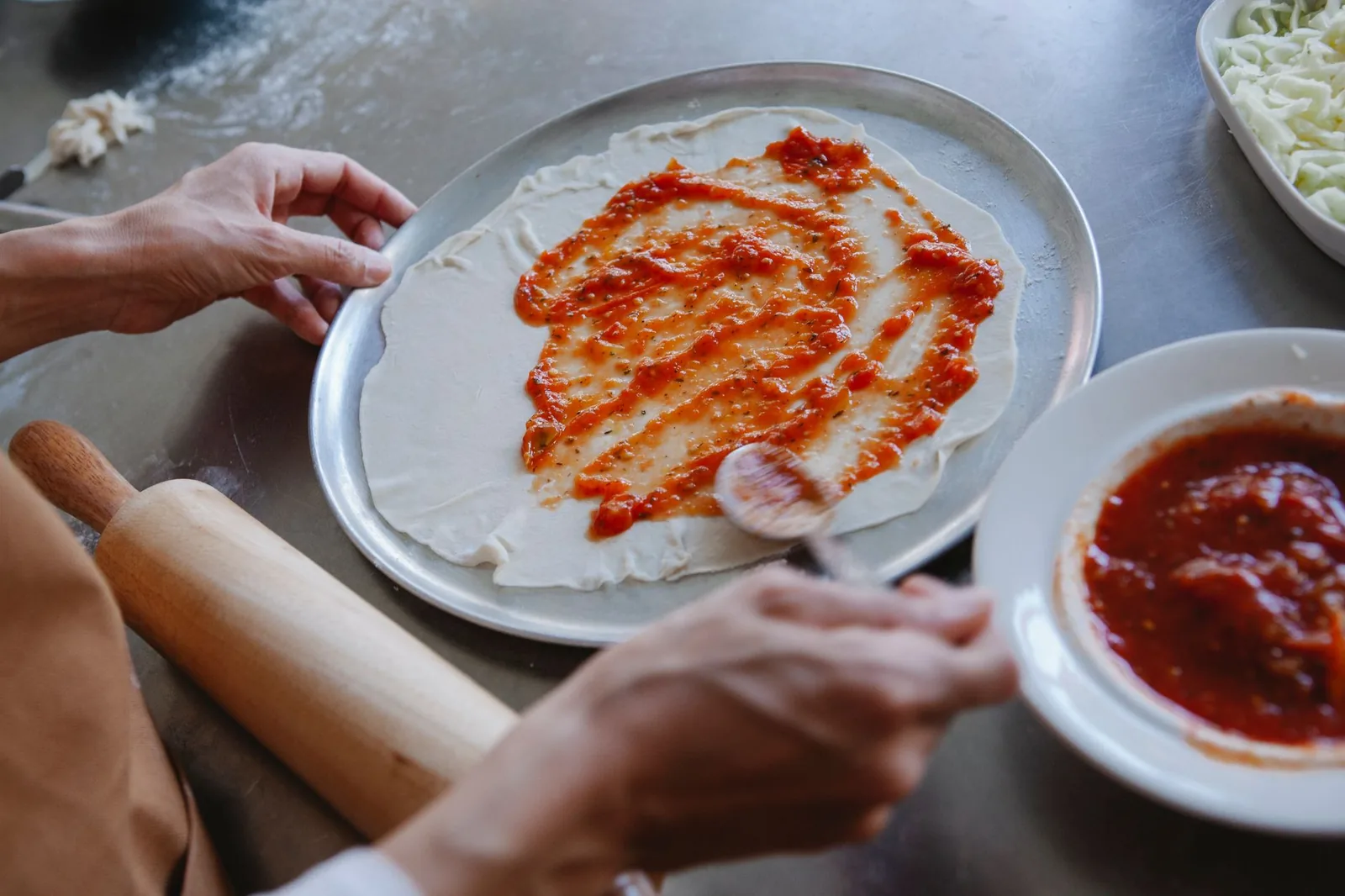
There is a practical reason too. Raw sauce is looser, so it spreads thinly and evenly. A thick cooked sauce sits in ridges and cooks unevenly.
What actually goes in
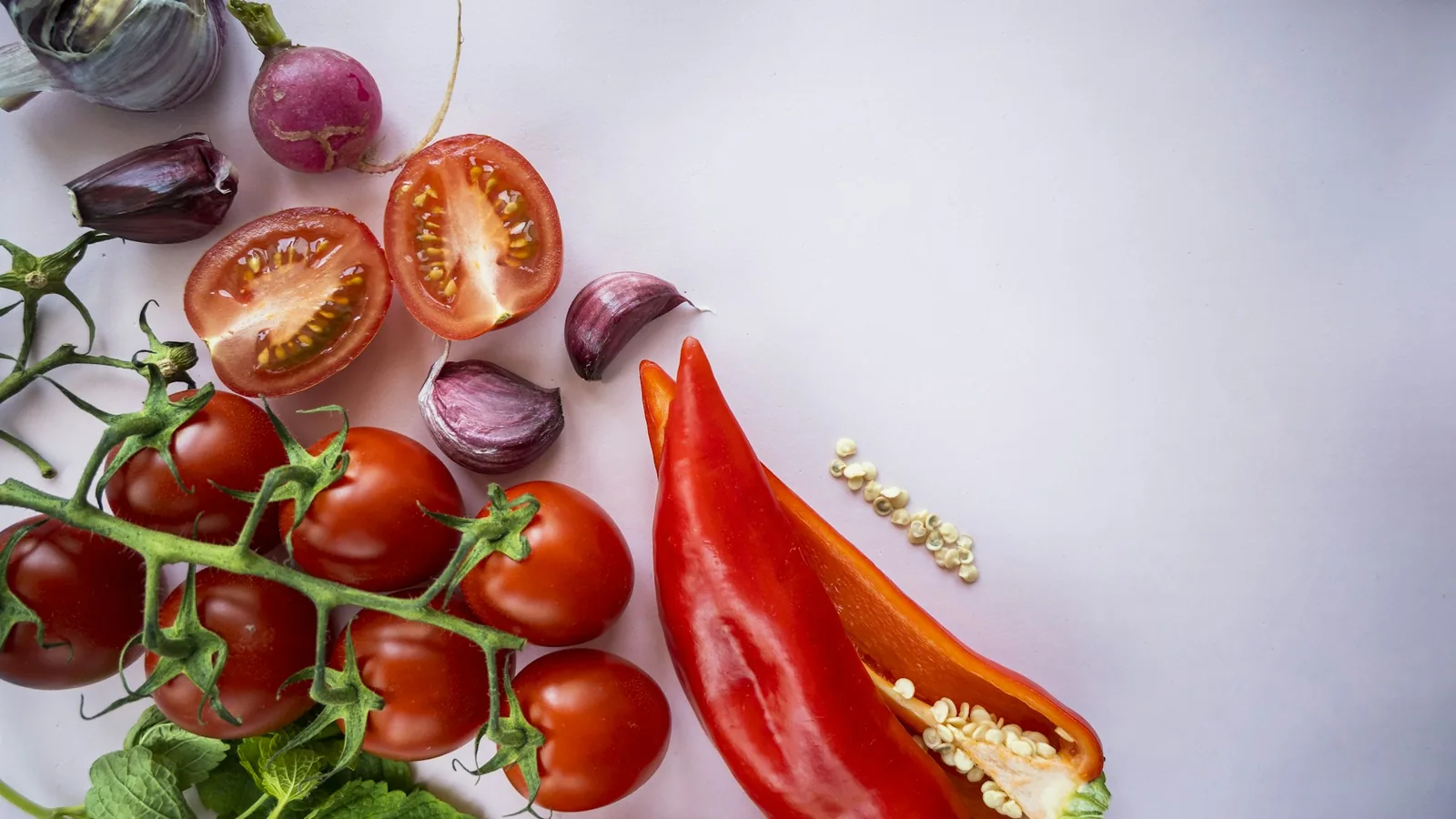
Less than most people expect. The classic version is tomatoes and salt.
Common additions are dried oregano, a little olive oil, sometimes garlic and sometimes a basil leaf dropped in and removed. What is generally not in it is onion, carrot, celery, sugar, or anything simmered.
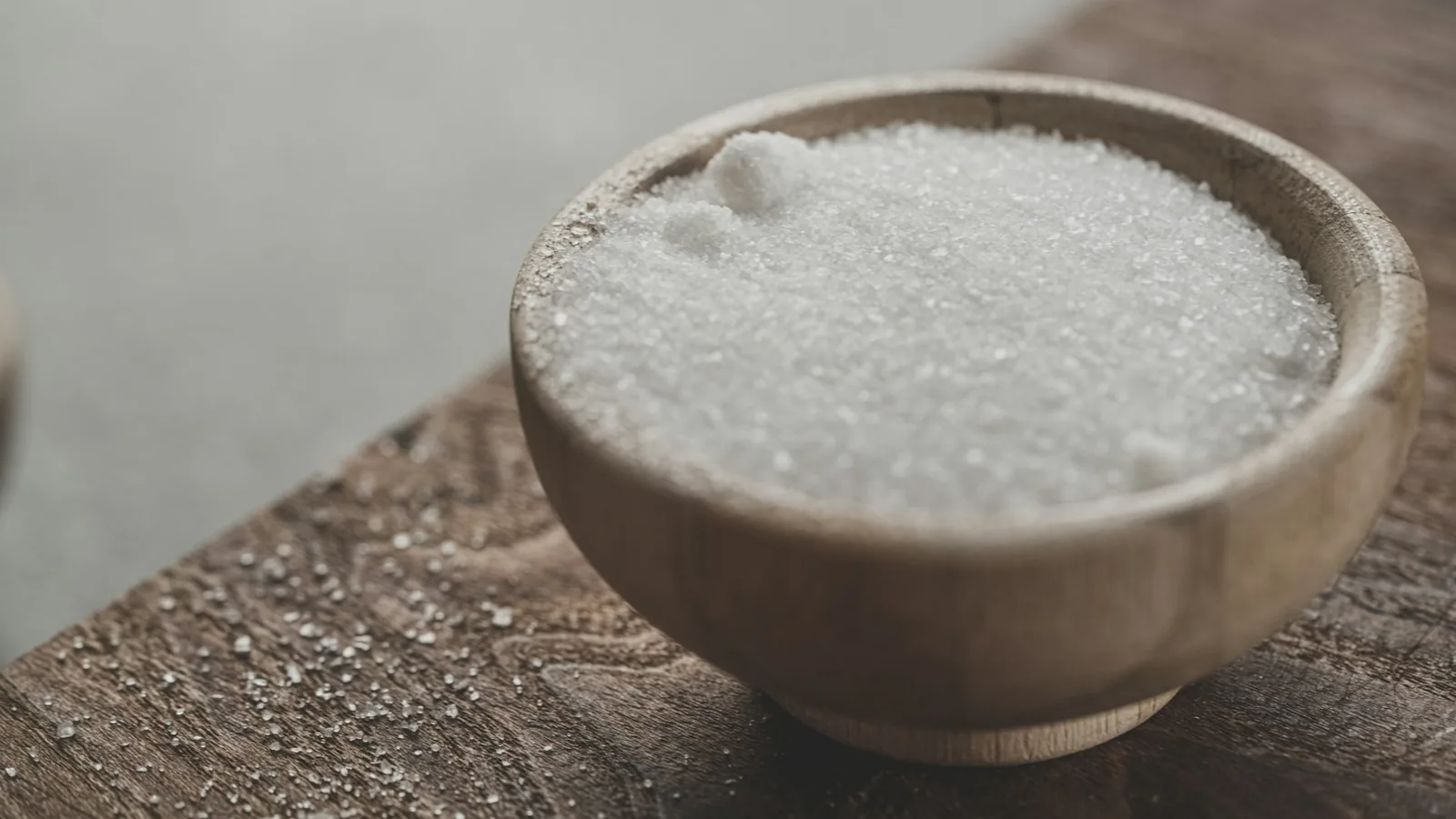
The restraint is deliberate. A pizza already has cheese, usually a topping, often cured meat, and a seasoned crust. A complex sauce underneath all that competes rather than supports.
Where the oregano goes
Dried oregano is the one seasoning that turns tomato into something recognisable as pizza sauce, and there are two schools about when to add it.
Stirred into the sauce, it has time to soften and infuse while the pizza bakes, which distributes it evenly and mellows it. Scattered over the sauce on the base instead, it stays in distinct specks and reads as sharper and more aromatic.
Neither is wrong, and plenty of kitchens do both. What does not work is adding it to a finished pizza, for the reason our guide to herbs and seasoning covers: dried herbs need heat and fat to release anything at all.
The tomatoes are the whole thing
With so few ingredients, the tomatoes carry the sauce entirely.
Tinned peeled tomatoes are the standard, and they are usually better than fresh for this. They are picked ripe and processed immediately, where a fresh tomato in February was picked hard and ripened in transit.
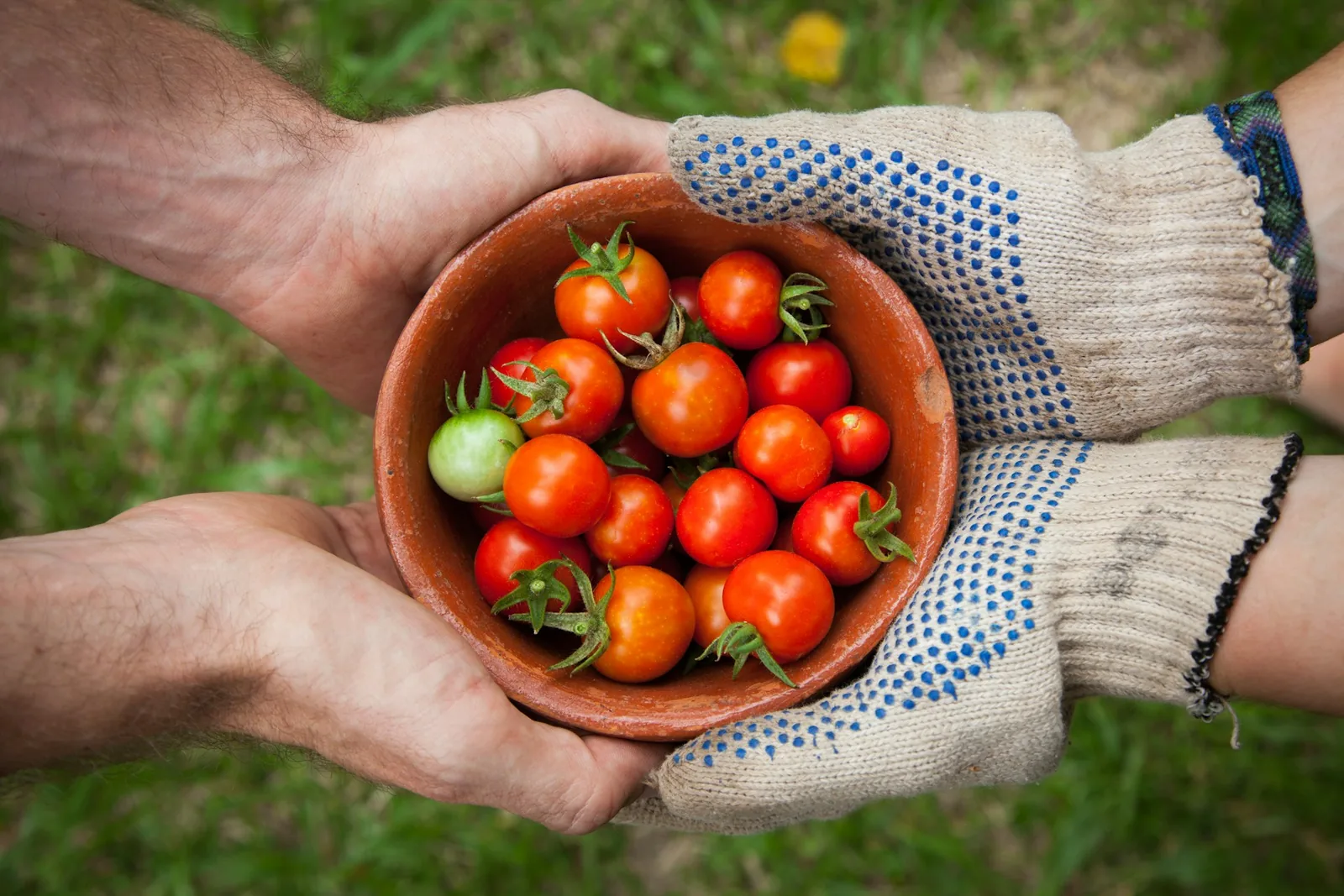
Crushing by hand or through a food mill keeps the texture. A blender whips air into the sauce, lightens its colour, and breaks up the seeds, which adds bitterness.
It is not pasta sauce
They get used interchangeably at home and they are built on opposite principles.
Pasta sauce is cooked down in a pot for a long time. It is built to cling to pasta that brings nothing but starch, so it needs depth, body and its own seasoning. Onion, garlic, herbs, often meat.
Pizza sauce is a thin layer under a pile of other flavours. It needs to be bright and simple, and it will finish cooking in the oven.
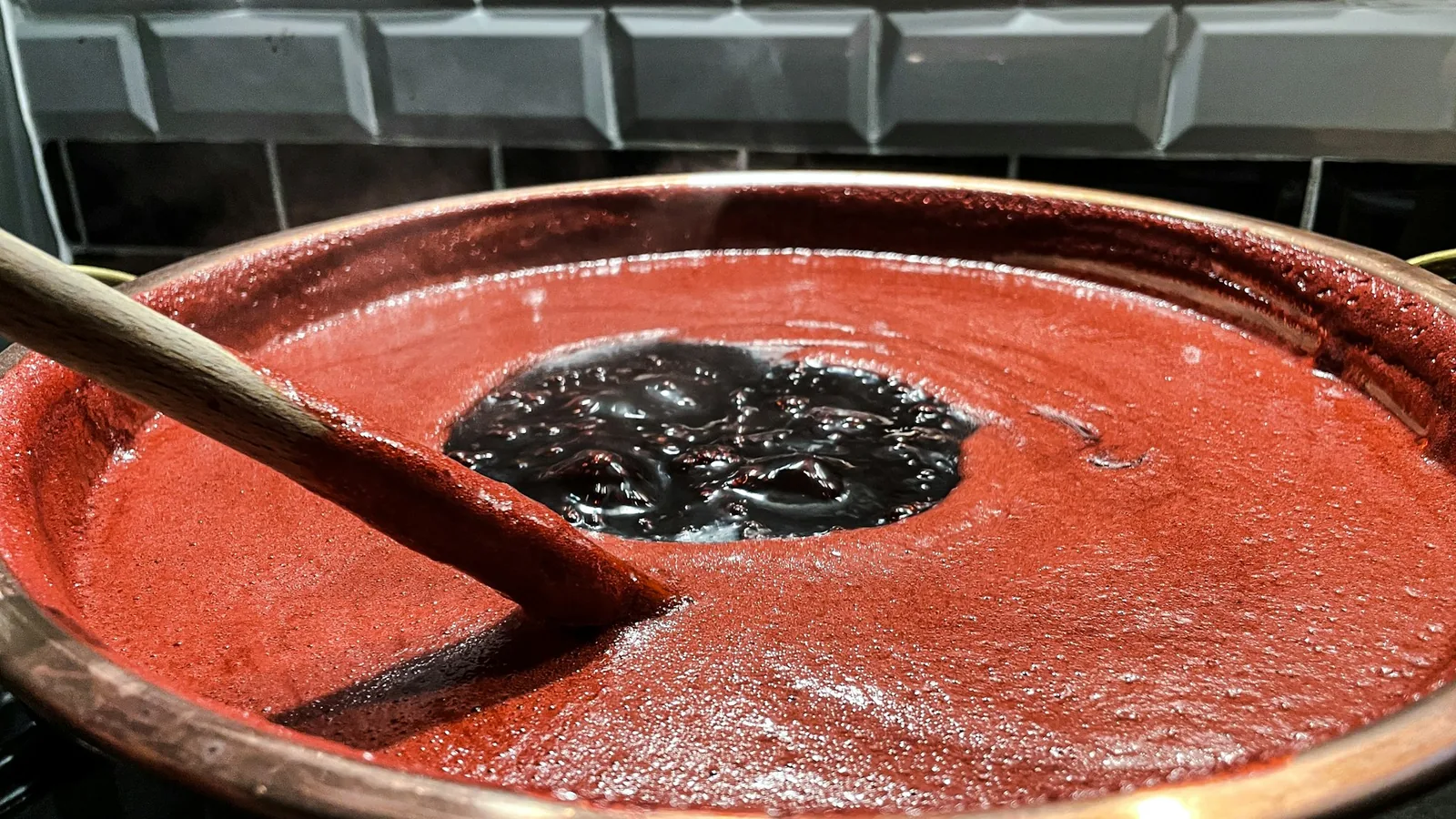
Use pasta sauce on a pizza and it tastes muddy and heavy. Use pizza sauce on pasta and it tastes thin and raw. Neither is a fault of the sauce.
How much sauce is right
Less than most home cooks use, and this is the most common mistake made with pizza at home.
A pizzeria uses a thin layer that lets a little of the dough show through in places. It looks sparse on an unbaked base and is correct, because the sauce concentrates and spreads as it heats.
Too much sauce does two things, both bad. It floods the base with water that has nowhere to go, which is the most reliable route to a soft middle. And it tips the balance of the whole pizza toward tomato, drowning the cheese and whatever else is on it.
The test is visual. If you cannot see any dough at all through the sauce before it goes in the oven, there is too much on there.
Why some pizza sauce tastes sweet
Usually the tomatoes, not added sugar.
Tomatoes vary enormously in sugar and acid depending on variety and ripeness. A sauce made from very ripe tomatoes tastes noticeably sweeter without anything being added.
Sugar does get added sometimes, and it is not automatically wrong — a pinch balances a batch of unusually acidic tomatoes. It becomes a problem only when it is used to cover for poor tomatoes rather than to correct good ones.
Pizza Questions, Answered.
Is pizza sauce cooked?
Traditionally no. It goes on raw and cooks on the pizza in the oven. Cooking it first tends to make it heavy and jammy.
What is the difference between pizza sauce and pasta sauce?
Pizza sauce is uncooked, thin and minimally seasoned. Pasta sauce is simmered, thick and seasoned to stand on its own.
What tomatoes are best for pizza sauce?
Tinned peeled tomatoes are the standard and usually better than out-of-season fresh, because they are picked ripe and processed immediately.
Should you blend pizza sauce?
Better to crush it by hand or use a food mill. Blending aerates the sauce, lightens the colour, and breaks the seeds, which adds bitterness.
The short version
Crushed raw tomatoes and salt, spread thin, cooked once in the oven. Simple on purpose, because everything above it is doing the heavy work.
What goes on top of it is its own question, and where the sauce sits changes the pizza again. The Ray’s menu is open daily.
Ray’s Pizza Team
Ray’s Pizza & Sub Shop is a neighborhood pizzeria at 95 Woodstown Rd, Swedesboro, New Jersey, serving pizza, stromboli, hot and cold subs and dinners seven days a week from 10:30am to 9:00pm. These guides are written by the people behind the counter.
Visit Ray’sMore From Ray’s