Herbs and Seasoning on Pizza
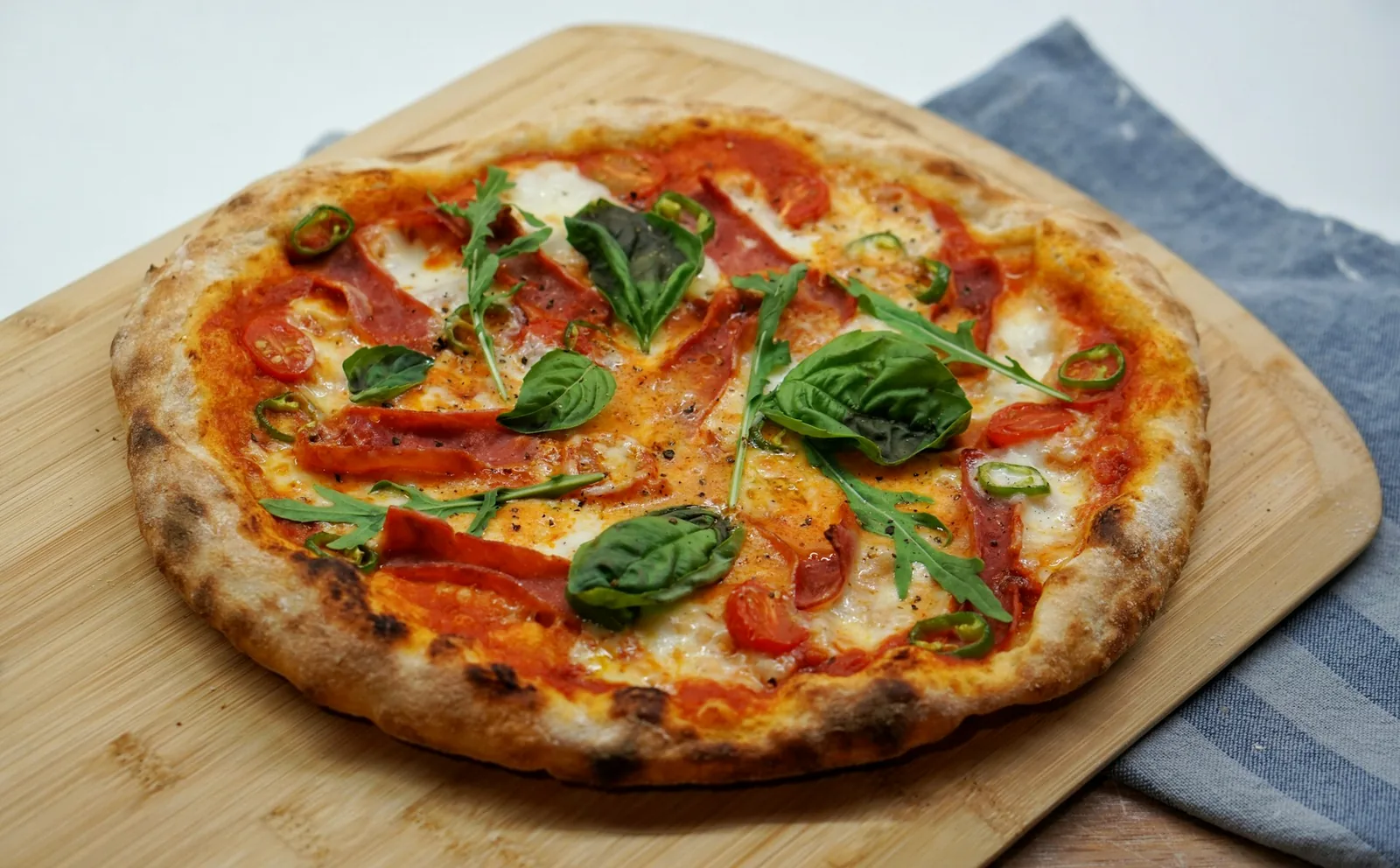
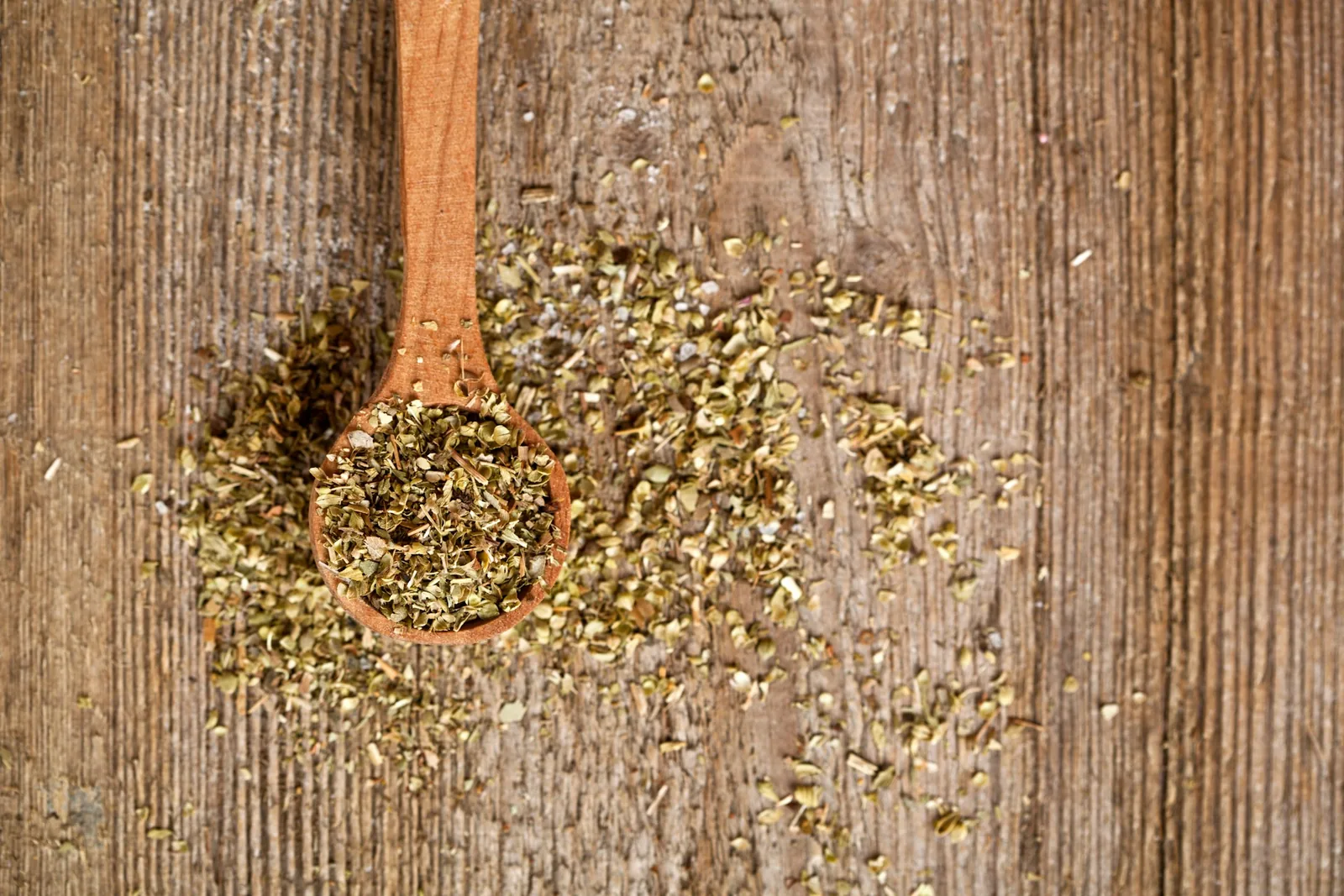
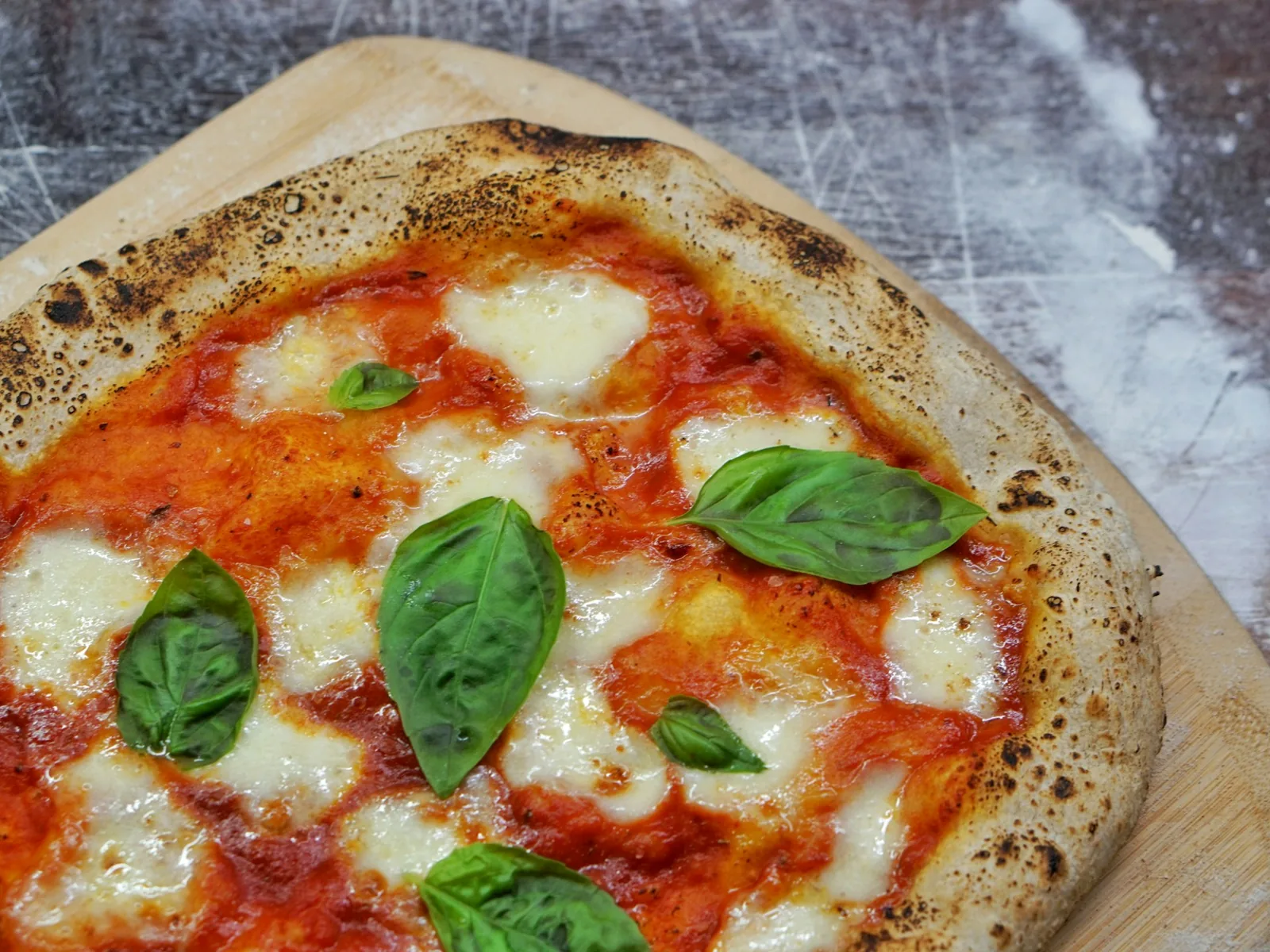
Dried oregano before the bake, fresh basil after. Almost every seasoning question on a pizza comes down to that timing.
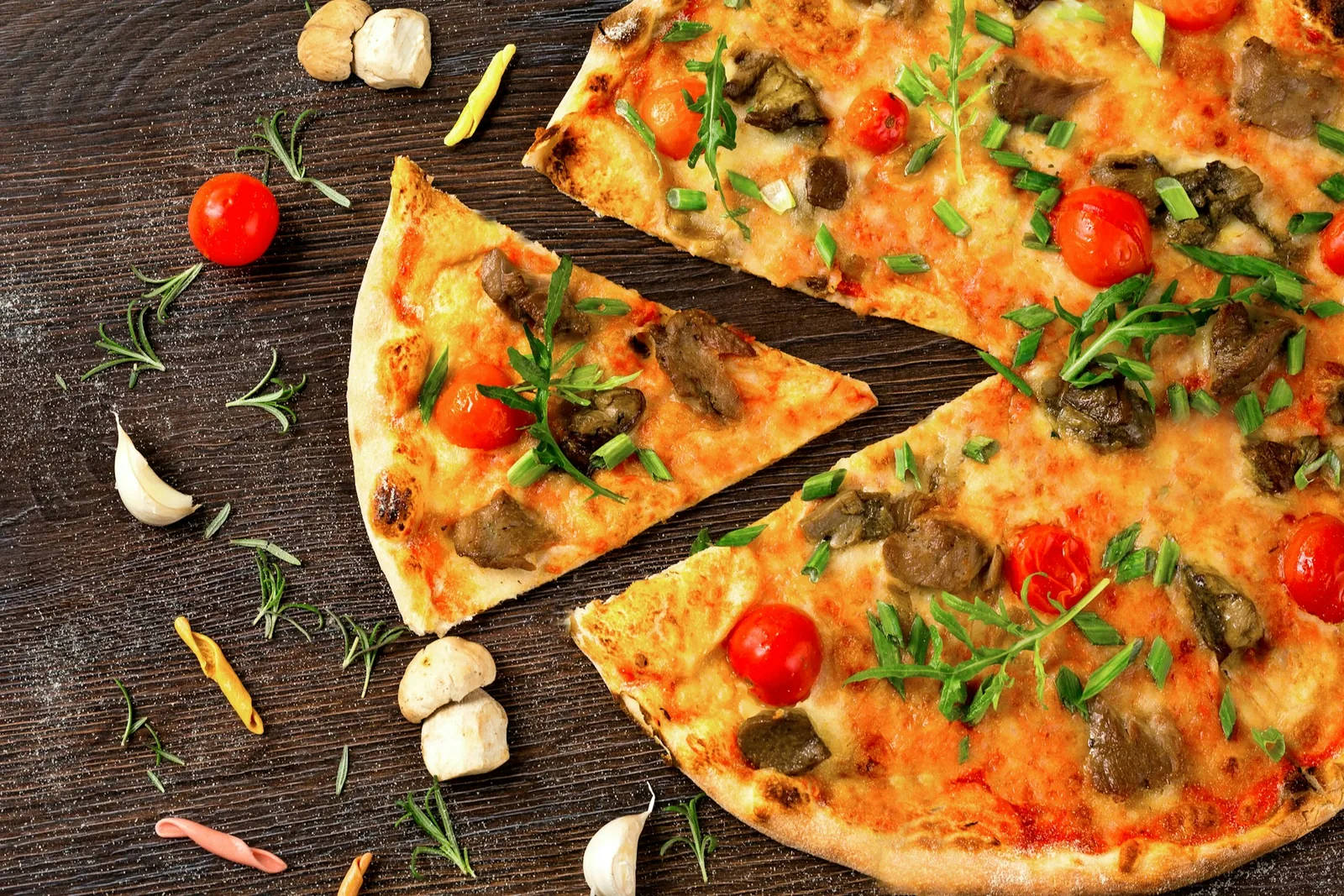
Herbs go on a pizza at one of two moments, and picking the wrong one is why home pizza often tastes flat or bitter.
Dried herbs go on before the bake. They need heat and fat to release what they have. Fresh herbs go on after. Heat destroys their aromatics and turns delicate leaves black.
| Herb | Add it | Why |
|---|---|---|
| Dried oregano | Before baking | Needs heat to open up |
| Fresh basil | After baking | Blackens and turns bitter in the oven |
| Dried chilli | Either | Robust; heat only deepens it |
| Fresh rosemary | Before baking | Woody, survives the heat |
| Black pepper | After baking | Aroma is volatile and cooks off |
Why the timing matters so much
Dried herbs have already lost their water. What is left is concentrated aromatic oil locked in dry plant matter, and it needs warmth and fat to come out. Scatter dried oregano on a finished pizza and it mostly tastes of dust.
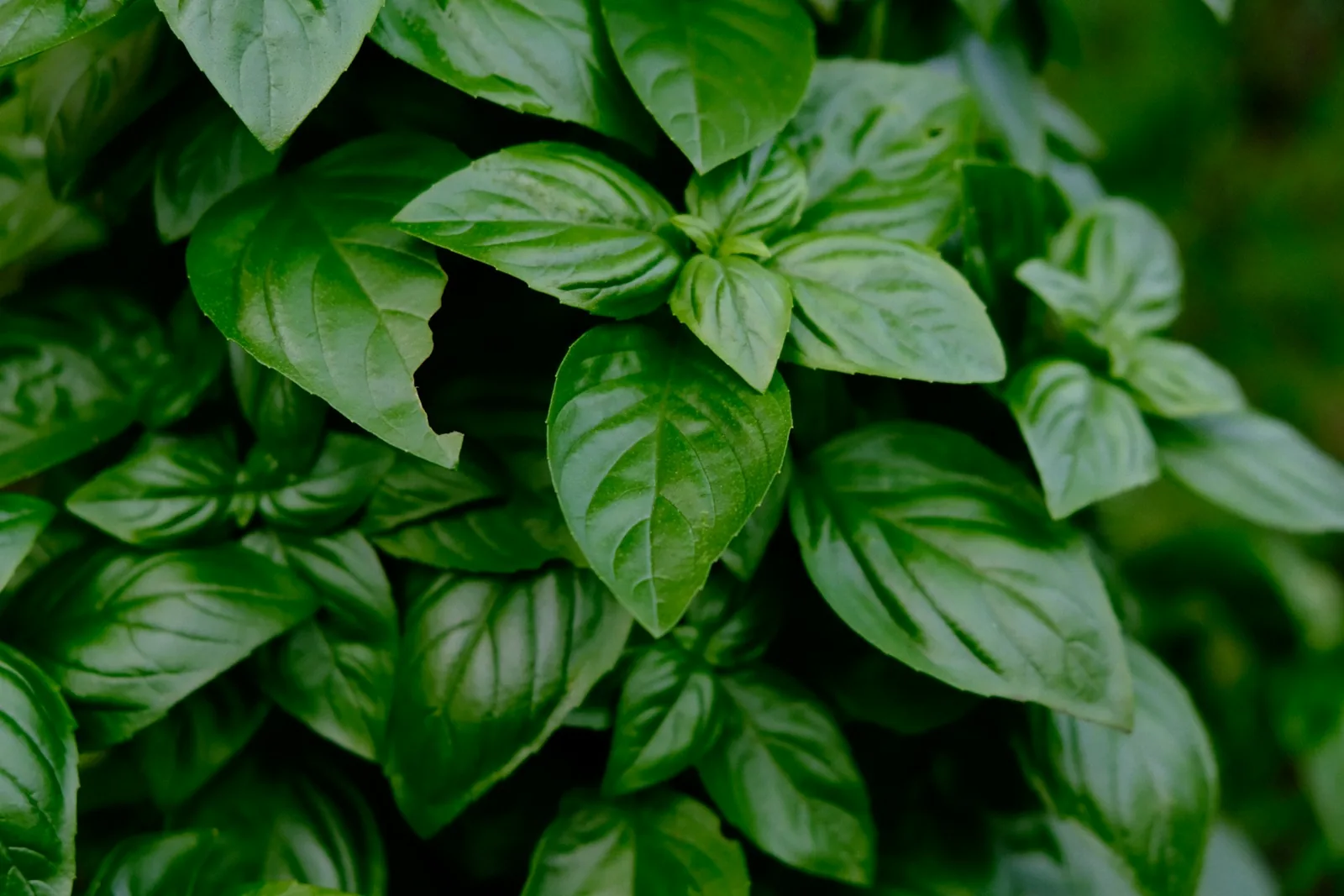
Fresh herbs are the opposite. Their aroma sits in volatile compounds that evaporate quickly under heat, and their leaves are thin enough to scorch in seconds. A basil leaf baked at pizzeria temperatures comes out black, brittle and bitter.
This is also why restaurants tuck basil under the cheese when it goes in before the bake. The cheese shields it. Left exposed, it burns.
Oregano is the pizza herb
If a pizza tastes like pizza rather than simply bread with cheese, dried oregano is usually why. It is the one herb that reads as unmistakably Italian-American in this context.
It is unusual among herbs in being genuinely better dried than fresh. Drying concentrates its aromatic oils rather than muting them, which is not true of most soft-leaved herbs.
A little goes a long way. Too much and it becomes medicinal.
Basil is a finishing herb
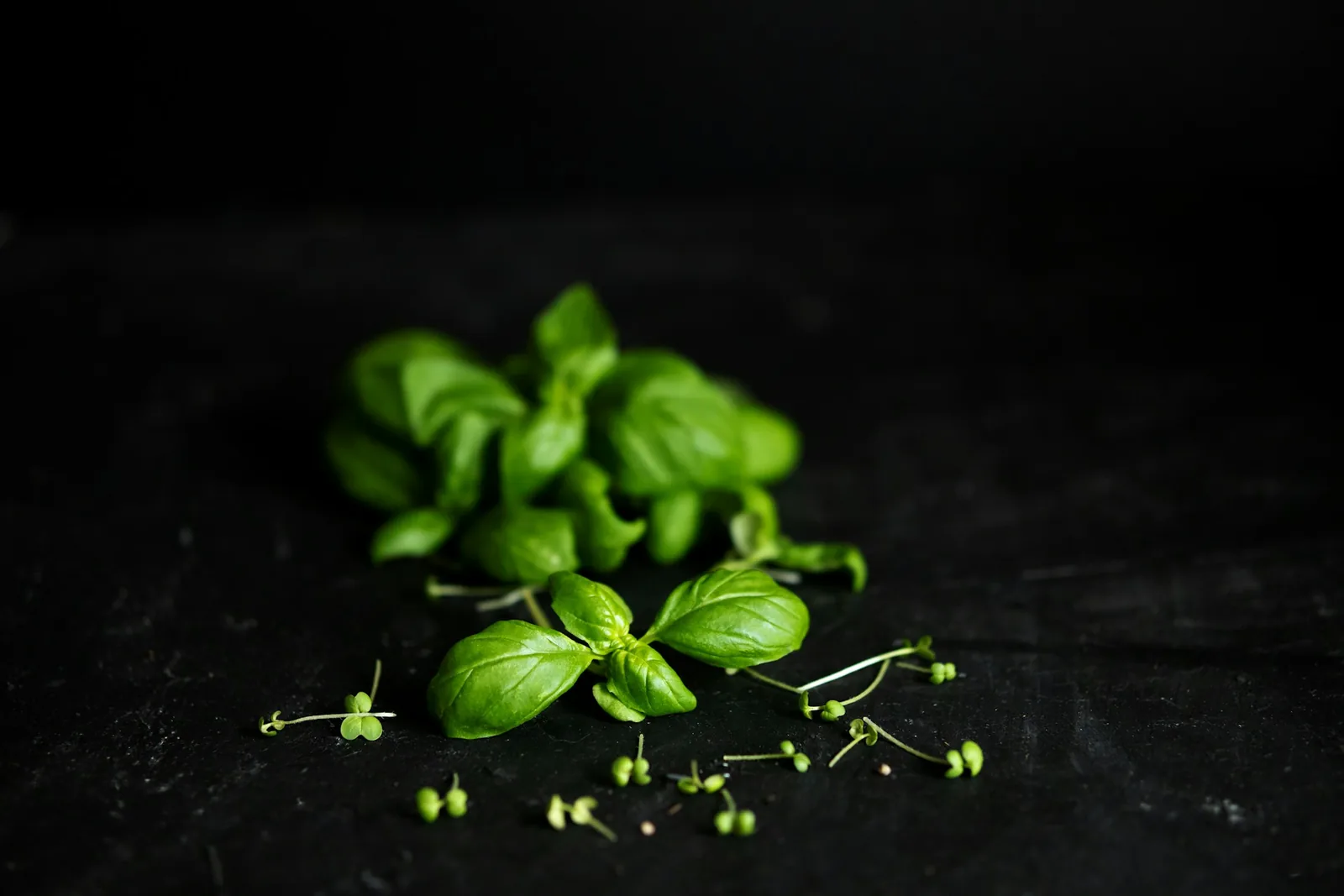
Fresh basil belongs on a pizza after it leaves the oven, or protected under cheese if it goes in at all.
Torn rather than chopped, and torn at the last moment. Cutting basil with a knife bruises the cut edges and they darken quickly; tearing does less damage.
Rosemary and thyme are the exceptions among fresh herbs. Their leaves are tough and oily enough to take direct heat, which is why they work on a white pizza going into the oven while basil does not.
Chilli and pepper
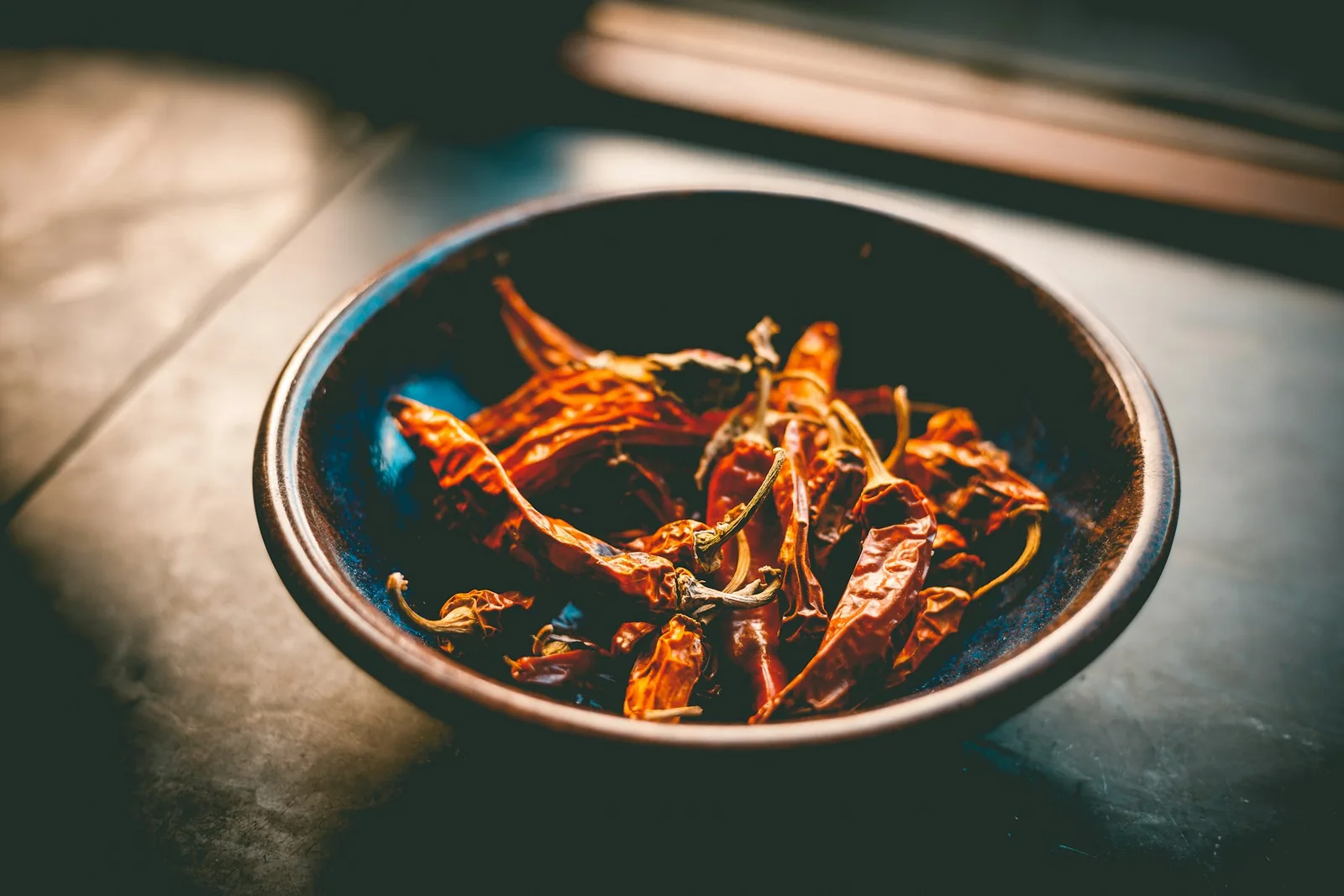
Dried chilli flakes are robust. Heat does not damage them, so they can go on before or after depending on whether you want the heat baked through the cheese or sitting on top.
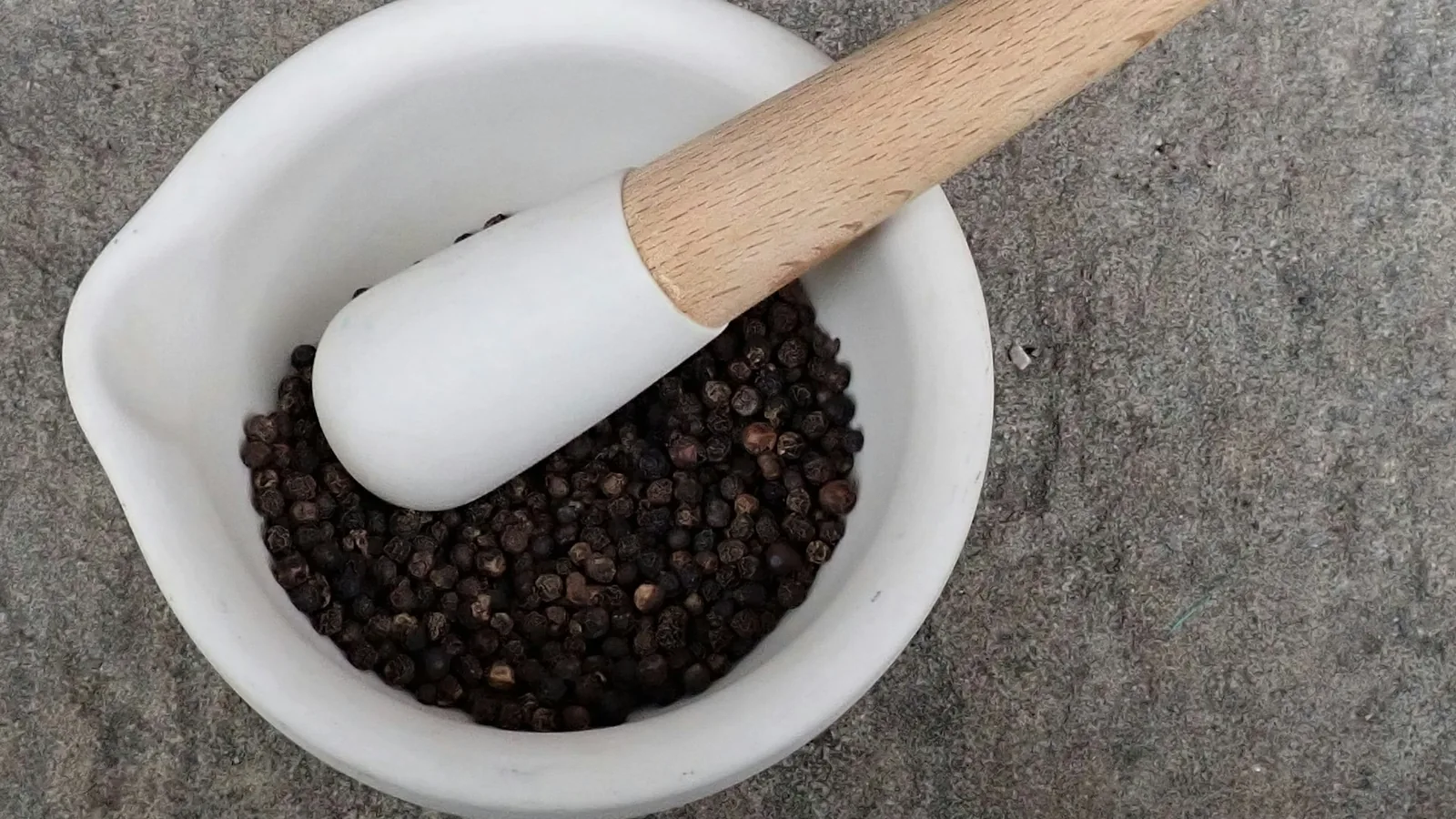
Black pepper is the opposite of what most people assume. Its aroma is volatile, so pepper ground onto a pizza before a hot bake loses most of what makes it interesting. Grind it on afterwards.
Garlic is a seasoning too
It gets treated as a topping and behaves like a herb, which is why it belongs in this conversation.
Raw garlic on a pizza going into a very hot oven will burn. Small pieces have almost no mass, they sit on the surface, and they go from golden to acrid in well under a minute. That bitter, slightly metallic taste on an otherwise good pizza is almost always scorched garlic.
The fixes are the same as for herbs. Slice it thickly rather than mincing it, so there is enough mass to survive. Soften it in oil first, so it goes on already cooked. Or put it under the cheese, where it is protected.
Garlic oil brushed onto the base before the sauce is the version most pizzerias use, because it distributes the flavour without leaving anything on the surface to burn.
The shakers on the table
Every pizzeria has the same two or three, and they exist because a pizza is seasoned for the average person rather than for you.
- Dried oregano. Adds herb aroma to a finished slice. Works better than you would expect given everything above, because the hot cheese gives it just enough warmth and fat.
- Chilli flakes. The most-used shaker, and the one that does the most for a slice that tastes slightly flat.
- Grated hard cheese. Salt, mostly. If a pizza tastes underseasoned rather than underspiced, this is the one to reach for.
Reaching for salt directly is rare and usually a mistake — the cheese and cured meats are already carrying it, and the shaker cheese delivers salt with flavour attached.
None of this is fussiness. A pizza is seasoned once in the kitchen, for everybody, and the shakers exist so it can be seasoned a second time for you.
Pizza Questions, Answered.
What herbs go on pizza?
Dried oregano before baking is the classic. Fresh basil goes on after. Rosemary and thyme are tough enough to bake, and dried chilli works either way.
Why does basil turn black on pizza?
Its leaves are thin and its aromatic compounds are volatile, so direct oven heat scorches them. Add it after the bake, or tuck it under the cheese.
Should you use fresh or dried oregano on pizza?
Dried. Oregano is one of the few herbs genuinely better dried, because drying concentrates its oils rather than muting them.
When should you add black pepper to pizza?
After it comes out of the oven. Pepper’s aroma is volatile and mostly cooks off during a hot bake.
The short version
Dried before, fresh after. Oregano is the one that makes it taste like pizza, basil belongs on top, and pepper belongs at the table.
If you are thinking about what else goes on it, our guide to topping combinations covers the same logic applied to everything heavier. The Ray’s menu is open daily.

Ray’s Pizza Team
Ray’s Pizza & Sub Shop is a neighborhood pizzeria at 95 Woodstown Rd, Swedesboro, New Jersey, serving pizza, stromboli, hot and cold subs and dinners seven days a week from 10:30am to 9:00pm. These guides are written by the people behind the counter.
Visit Ray’sMore From Ray’s