Why People Leave the Crust
The abandoned rim is usually a fault in the pizza rather than a quirk of the eater. On most pizzas it is the only unseasoned part.
Leaving the crust gets treated as a personality trait. It is usually simpler than that: on a great many pizzas, the outer rim is the only part with nothing on it.
No sauce, no cheese, no salt on the surface. Just baked dough. If the dough itself is under-seasoned or over-baked, there is nothing there worth eating.
| Complaint | Actual cause | Fix |
|---|---|---|
| Dry and tough | Over-baked or low hydration | Shorter, hotter bake |
| Tastes of nothing | Under-salted dough | Salt in the dough |
| Hard and cracker-like | Rolled, not stretched | Hand-stretched rim |
| Too much of it | Over-wide border | Sauce closer to the edge |
Why it gets left
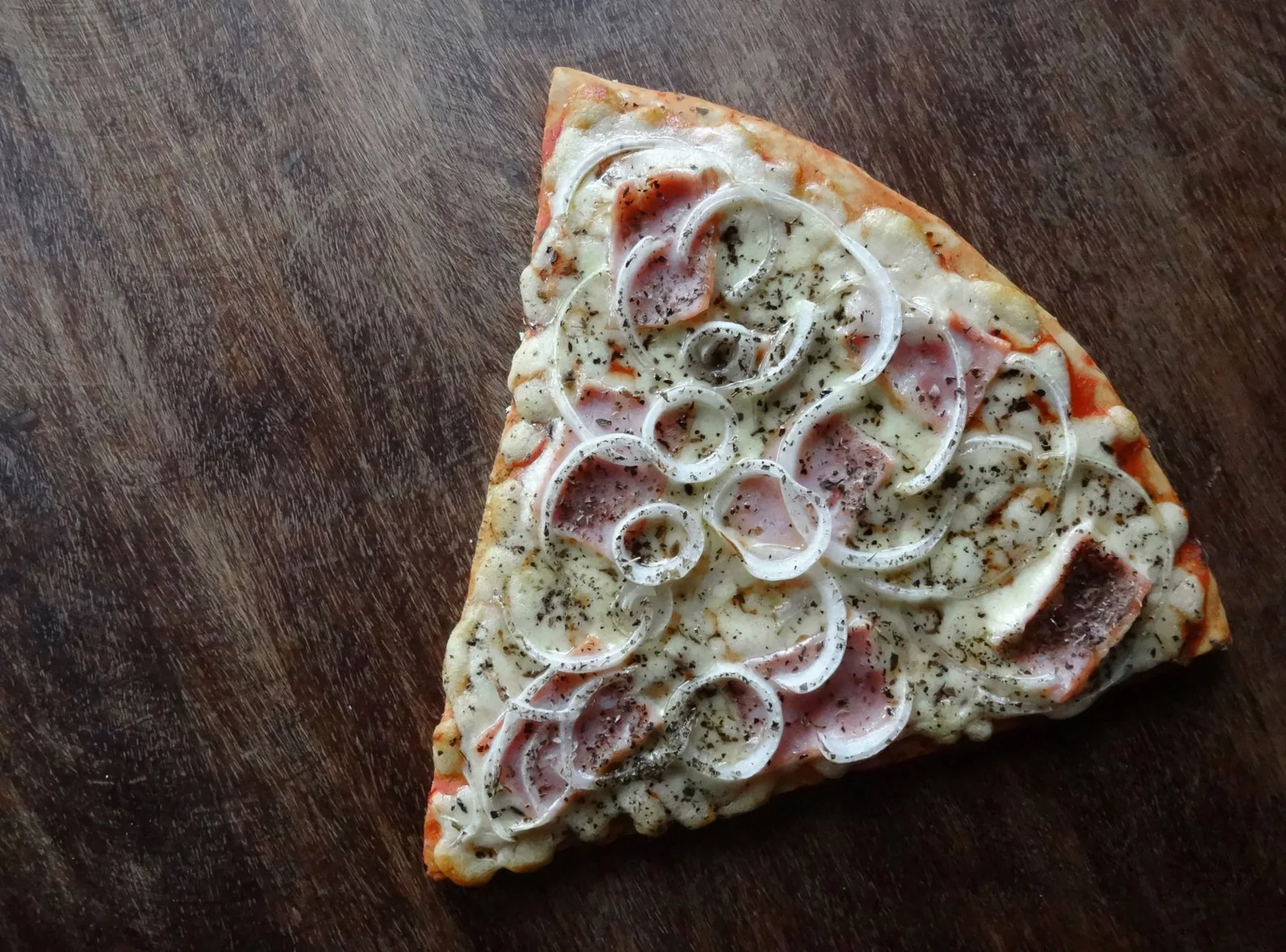
Work through a slice and the eating experience declines steadily. The tip has sauce, cheese and toppings. The middle has slightly less. The rim has none of it.
So the last bite is the least interesting by design, and by then you are also the least hungry. That is a hard combination for any food to survive.
People even have a name for the leftovers — pizza bones — which tells you how normal it is.
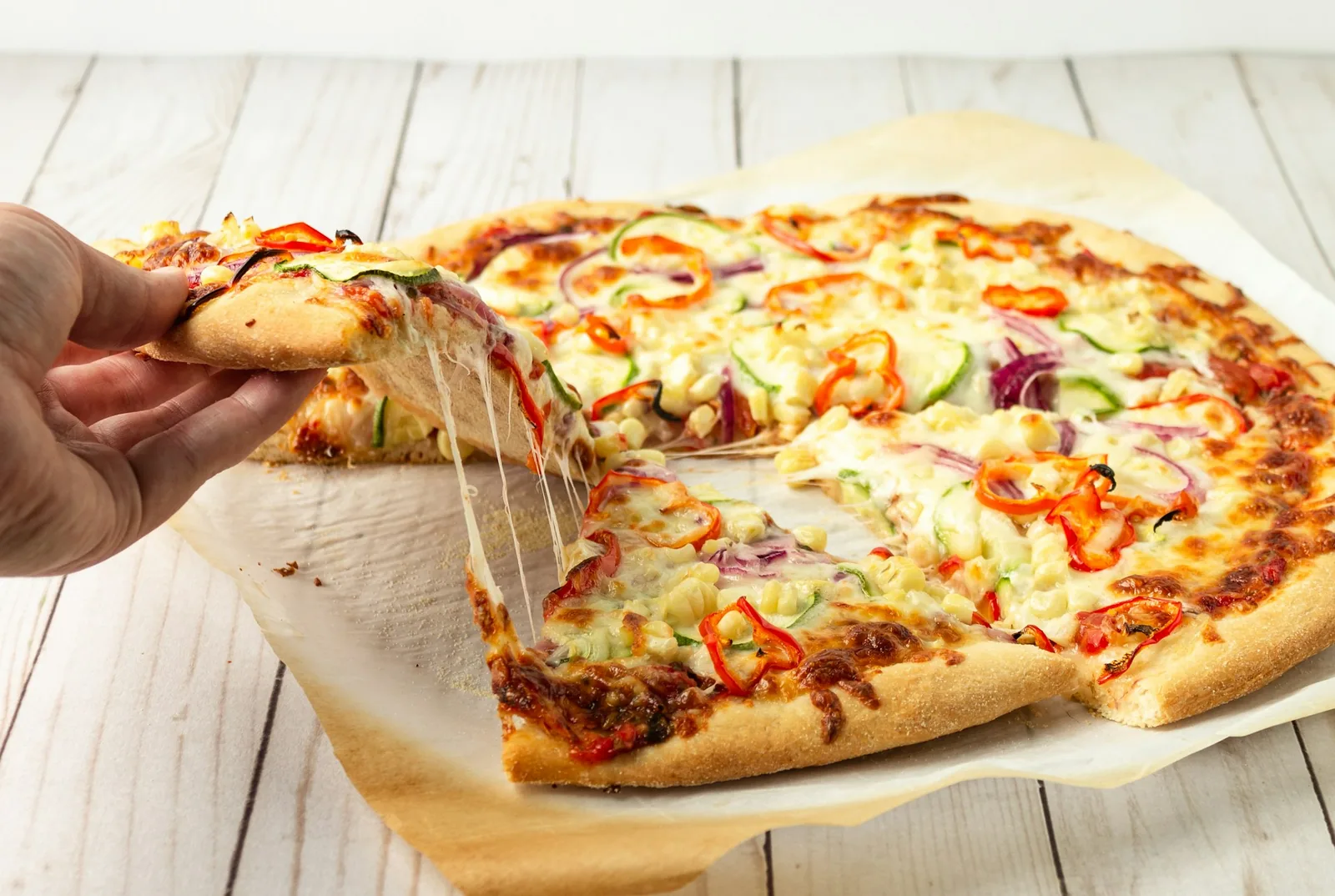
There is a proportion problem underneath it too. The border is a fixed width whatever size the pizza is, so on a small pie it is a modest edge and on a large one it can be an inch and a half of plain bread on every slice. The bigger the pizza, the more of it is rim.
The seasoning problem
This is the real cause and it is almost never discussed.
Salt goes into pizza dough during mixing, and the quantity is set by what the dough needs structurally as much as by taste — salt slows fermentation, so there is a limit to how much can go in. The result is bread that is seasoned, but lightly.
On the rest of the pizza that does not matter, because sauce and cheese are both salty and they sit on top. On the rim there is nothing to compensate.
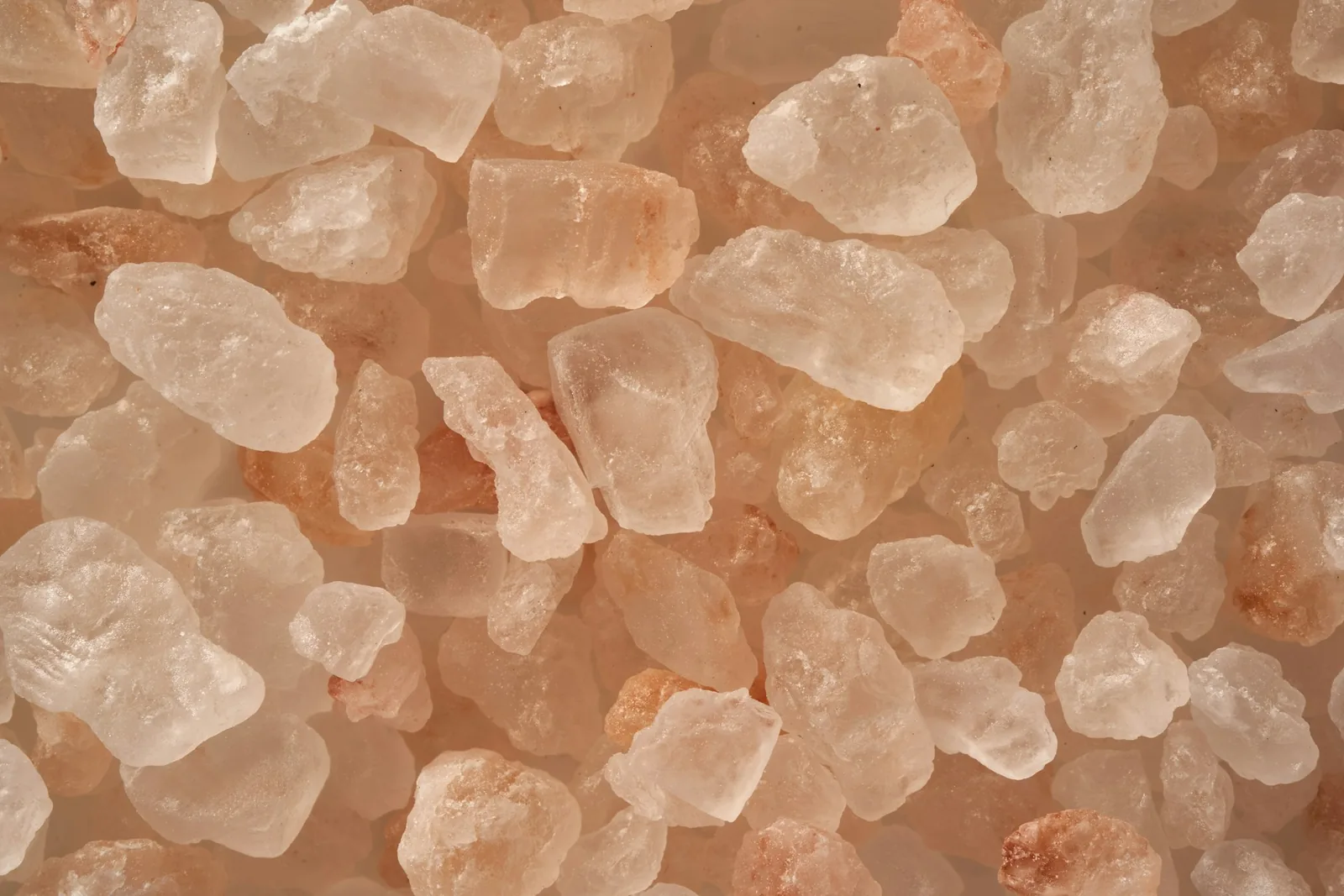
Which is why brushing the rim with garlic butter or oil before or after baking works so well. It is not a garnish; it is the seasoning the rim never got.
Bake and texture
The second cause is texture, and it comes down to how long the pizza was in the oven.
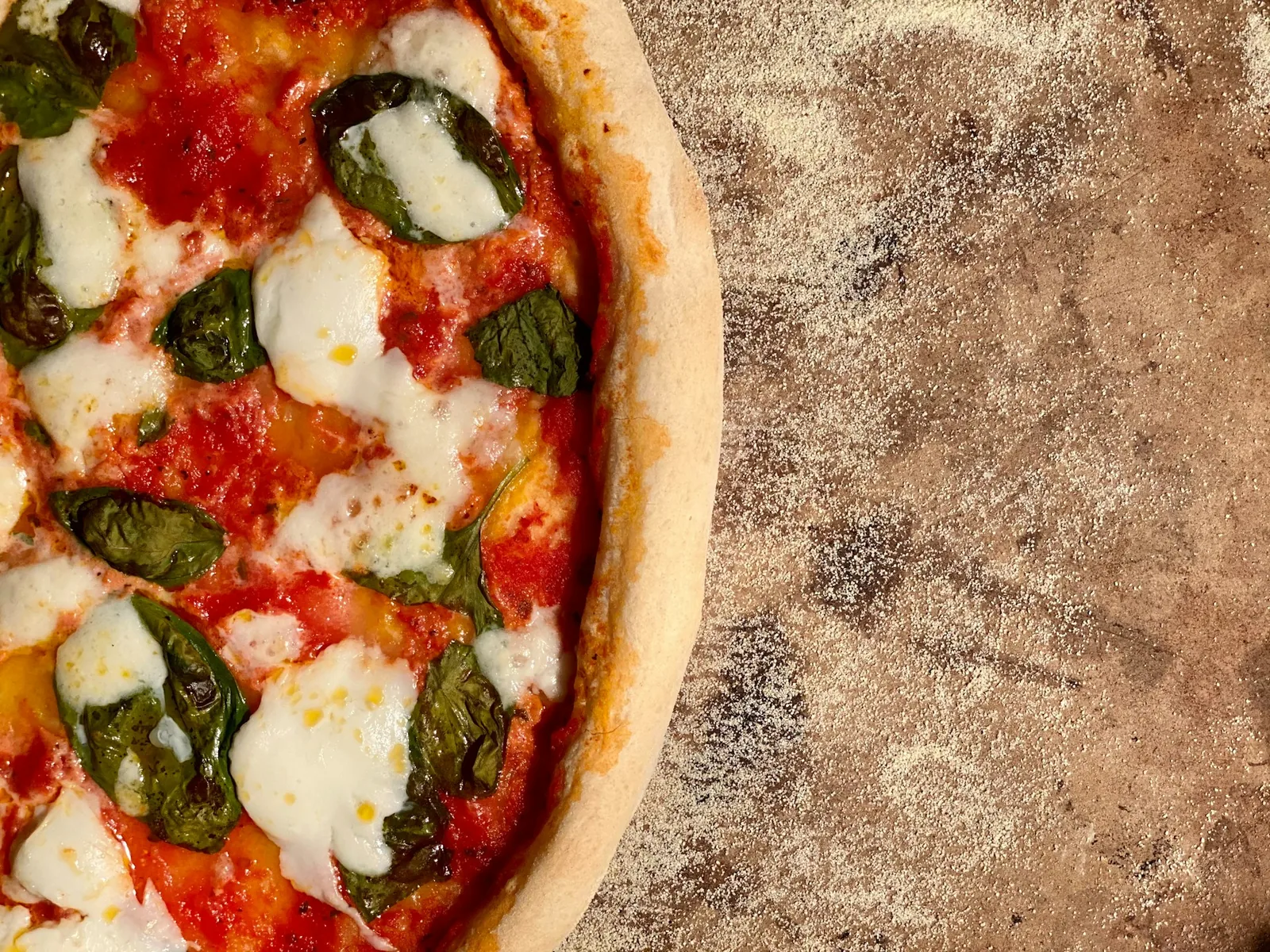
A rim baked hot and fast is puffed, airy and slightly chewy. A rim baked longer at a lower temperature dries through and turns hard. The first is worth eating; the second is a breadstick nobody asked for.
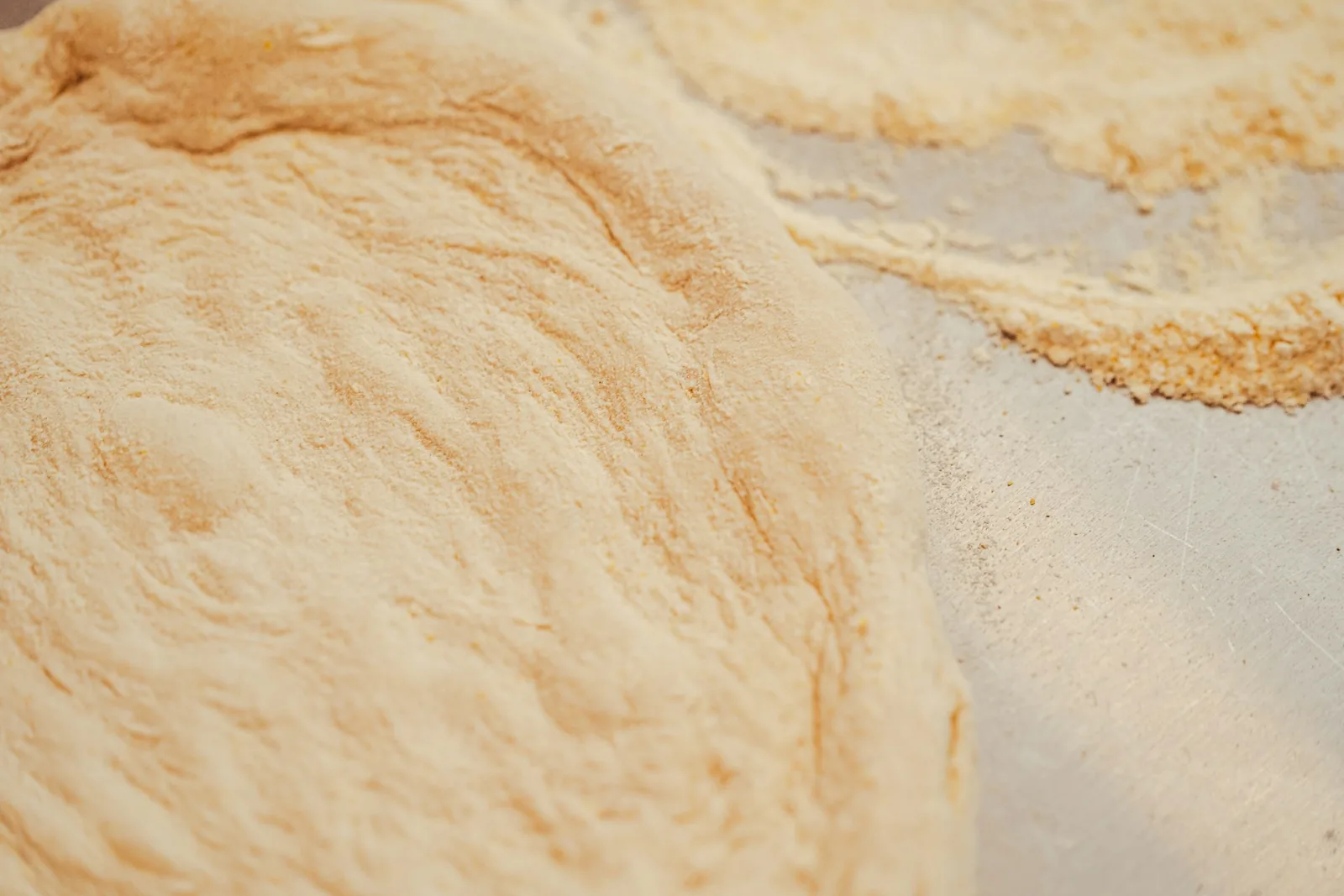
This is the same mechanism our guide to pizza ovens describes: stored heat sets the outside quickly and leaves the inside soft. Without it, everything dries.
Some styles are worse than others
How much rim you get, and how good it is, varies by crust style.
- Neapolitan has the largest rim and usually the best one – hot bake, high hydration, genuinely worth eating.
- New York has a modest rim that folds with the slice, so it tends to get eaten along the way.
- Thin and cracker-style barely has a rim at all, which sidesteps the problem.
- Sicilian and pan have an edge that fried against the tray, which is often the best part of the whole pizza.
If you consistently leave crusts, it may simply be that you are eating the wrong style. A tray-baked edge and a slow-baked round rim are very different things.
Why the good ones get eaten
Some rims never get left, and it is worth noticing what they have in common.
A Neapolitan rim is puffed, blistered and slightly charred, and those char spots are doing exactly what salt would — supplying bitterness and depth that plain baked dough has none of. A tray-baked Sicilian edge has fried in oil against hot metal, which gives it fat and crunch.
In both cases the rim picked up something during the bake that the dough alone could not provide. That is the difference between an edge people finish and one they abandon, and it is why the fix is almost always about heat or fat rather than about the eater.
What to do with the ones you leave
They are bread. Treat them as bread and they stop being waste.
- Croutons. Cut into cubes, toss with oil, bake until crisp. Better than most shop-bought ones because they are already seasoned on one side.
- Dip them. Marinara, garlic oil, whatever came with the wings. The rim is a vehicle and it works.
- Breadcrumbs. Dried and blitzed, they behave like any other dry crumb.
- Freeze them. They keep indefinitely and go straight into either of the above.
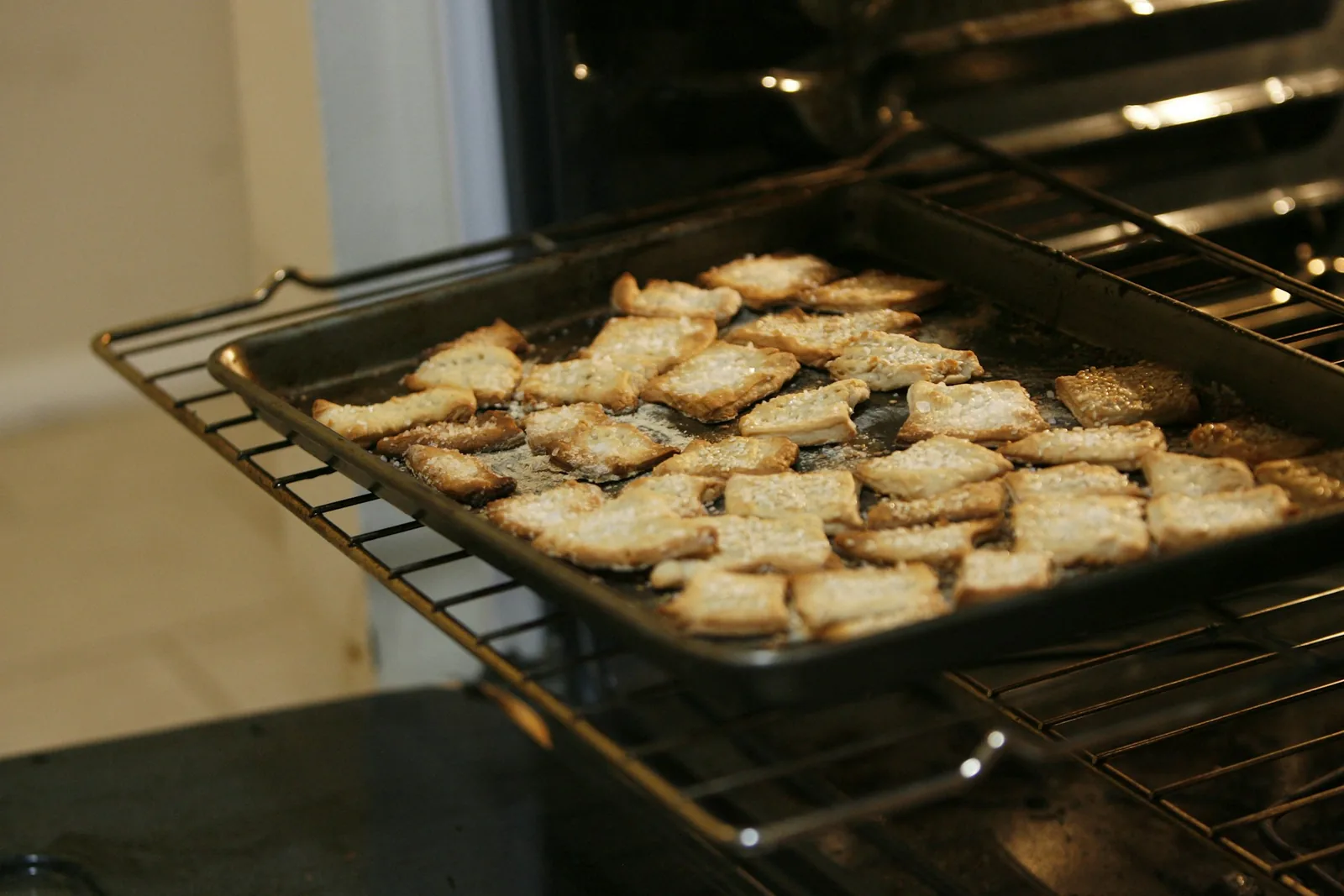
The same storage rules apply as for the rest of the pizza: into the fridge within two hours, eaten within a few days.
Pizza Questions, Answered.
Why do people leave pizza crust?
Usually because the rim is the only unseasoned part of the pizza. With no sauce or cheese on it, an under-salted or over-baked rim has very little to offer.
What are pizza bones?
The common name for leftover crusts. It is widespread enough to suggest the habit is normal rather than fussy.
Is pizza crust the healthiest part?
It is the part without cheese or toppings, but we cannot make nutrition claims about any specific pizza. It is plain baked dough.
How do you make the crust taste better?
Ask for it brushed with garlic butter or oil. The rim never got the seasoning the rest of the pizza carries on top, and that supplies it.
The short version
The rim is the only unseasoned part of most pizzas, and a long bake dries it out. Garlic butter fixes the first, a hot fast bake fixes the second, and croutons deal with whatever is still left.
The Ray’s menu is open daily 10:30am to 9:00pm.

Ray’s Pizza Team
Ray’s Pizza & Sub Shop is a neighborhood pizzeria at 95 Woodstown Rd, Swedesboro, New Jersey, serving pizza, stromboli, hot and cold subs and dinners seven days a week from 10:30am to 9:00pm. These guides are written by the people behind the counter.
Visit Ray’sMore From Ray’s