Garlic Bread, Explained
Bread, garlic, fat, heat. Two of those are decisions, and they decide whether you get something crisp or something soggy.
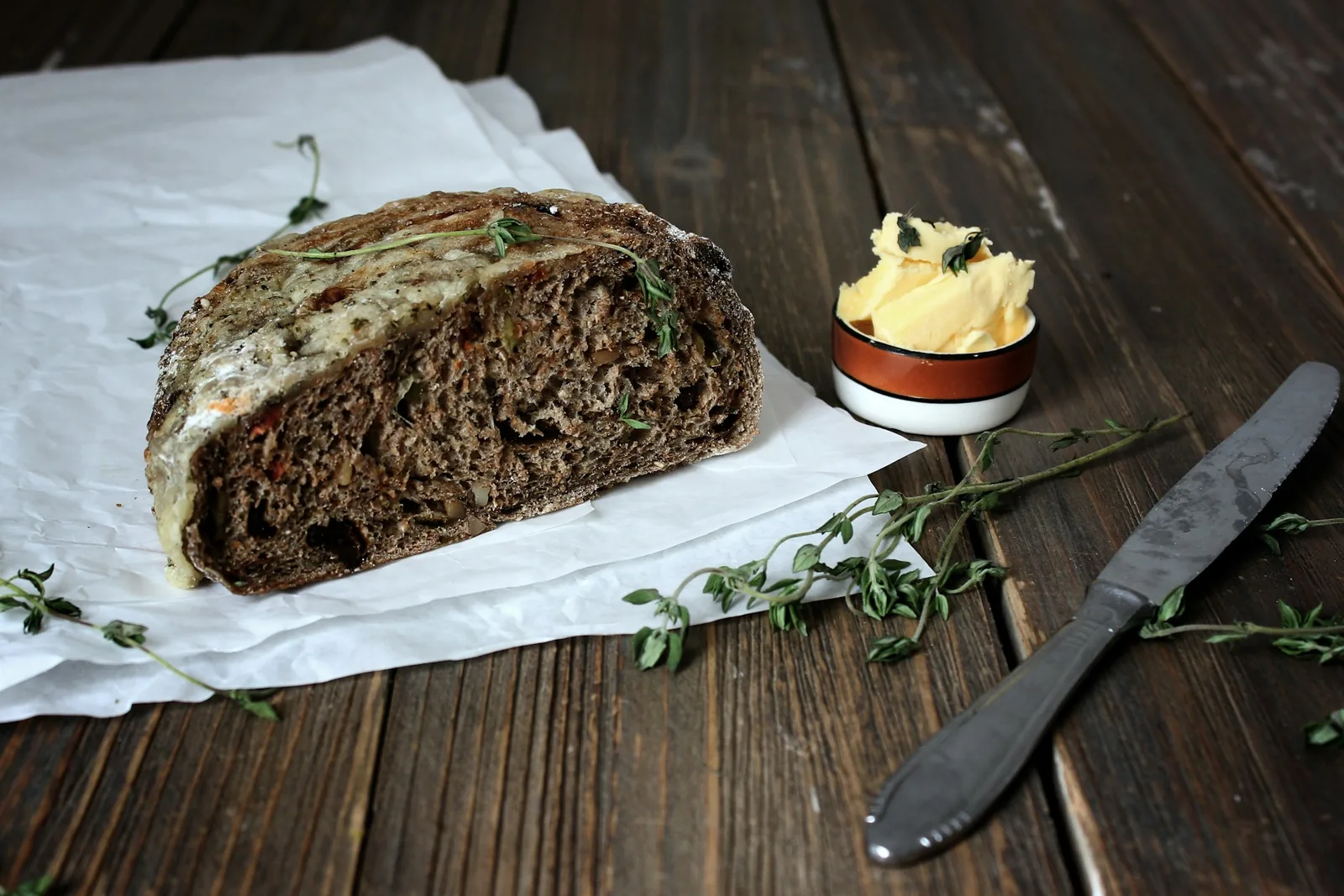
Garlic bread is bread with garlic and fat, heated until the surface crisps and the inside stays soft. That is the whole thing.
The two decisions that matter are which bread and butter or oil. Everything people argue about downstream follows from those.
| Choice | Gives you | Watch for |
|---|---|---|
| Soft loaf, butter | Rich, soft, familiar | Goes greasy if overdone |
| Crusty loaf, butter | Crisp edge, chewy middle | Can be hard work cold |
| Crusty loaf, oil | Lighter, more savoury | Dries out faster |
| Sliced bread, either | Quick, even | Rarely worth it |
Why it works beside pizza
It probably should not. Ordering bread alongside a dish that is already bread-based is, on paper, a mistake.
It works because the textures are opposite. Pizza is soft, wet and yielding; good garlic bread is dry, crisp and firm. That contrast is the whole appeal, and it is the same reason crunch works as a side generally.
It stops working the moment the bread goes soft. Garlic bread that has sat in a closed container is just bread with garlic on it.
The bread decides it
This is the choice that determines everything, and most recipes skip straight past it.
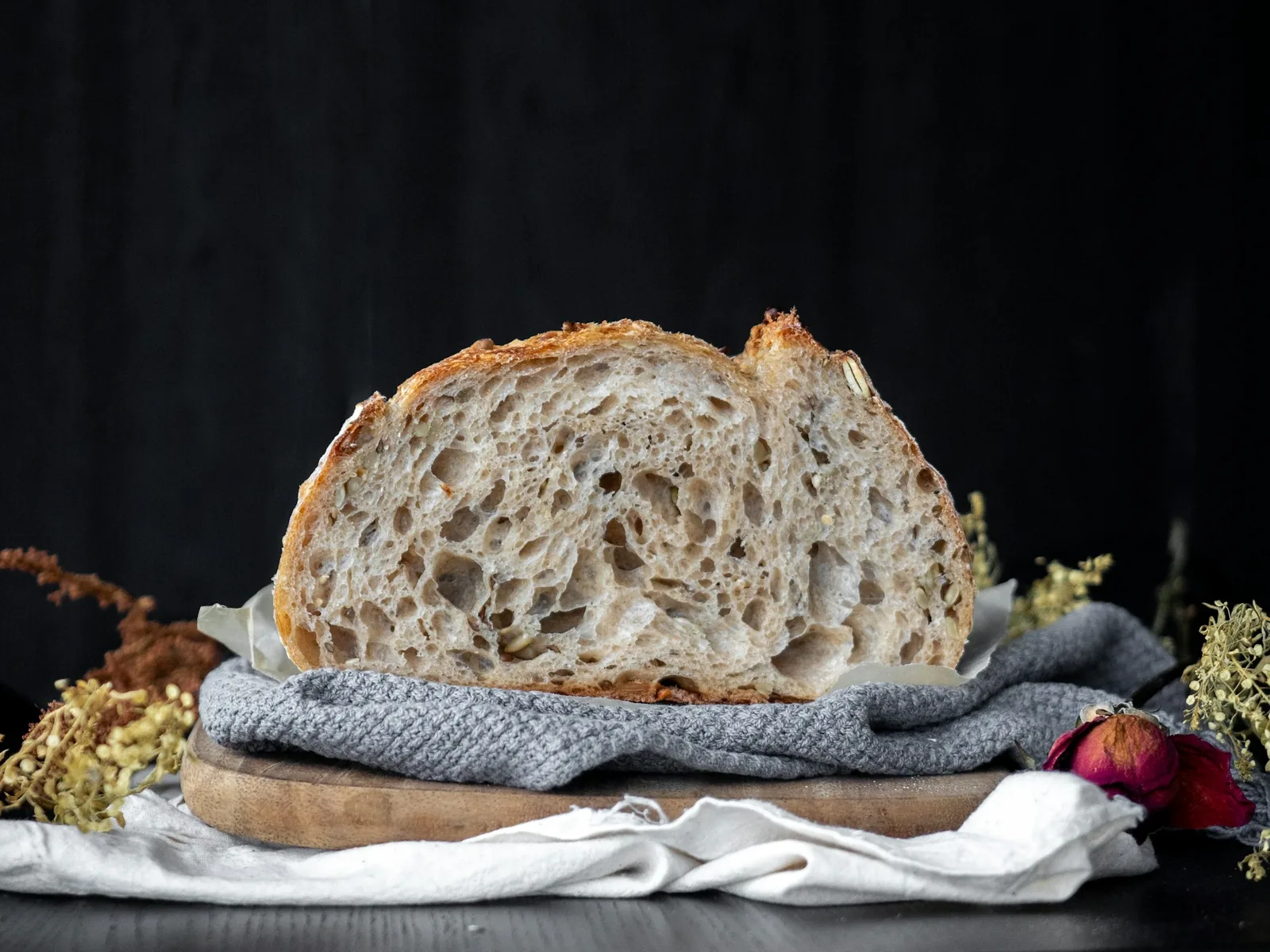
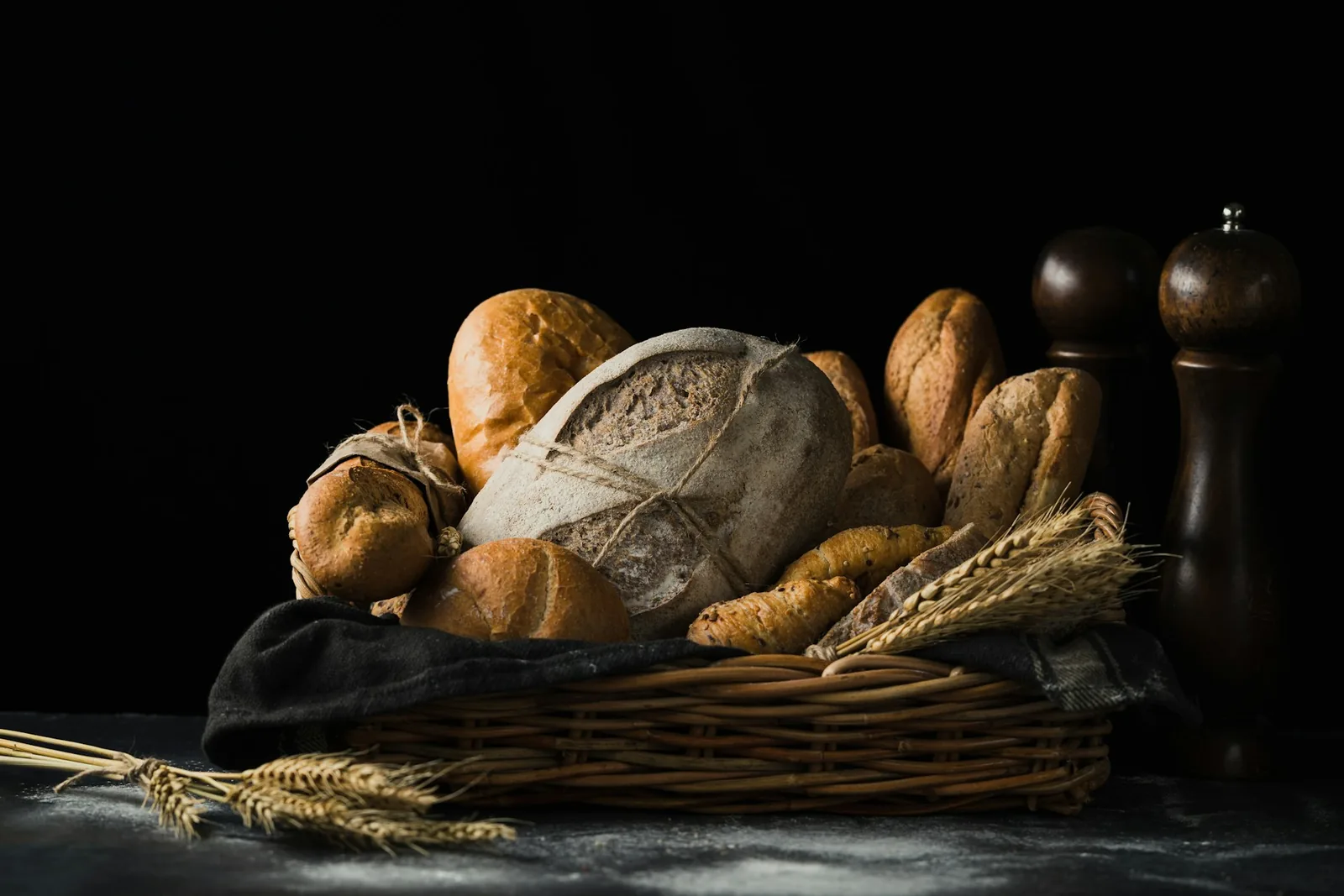
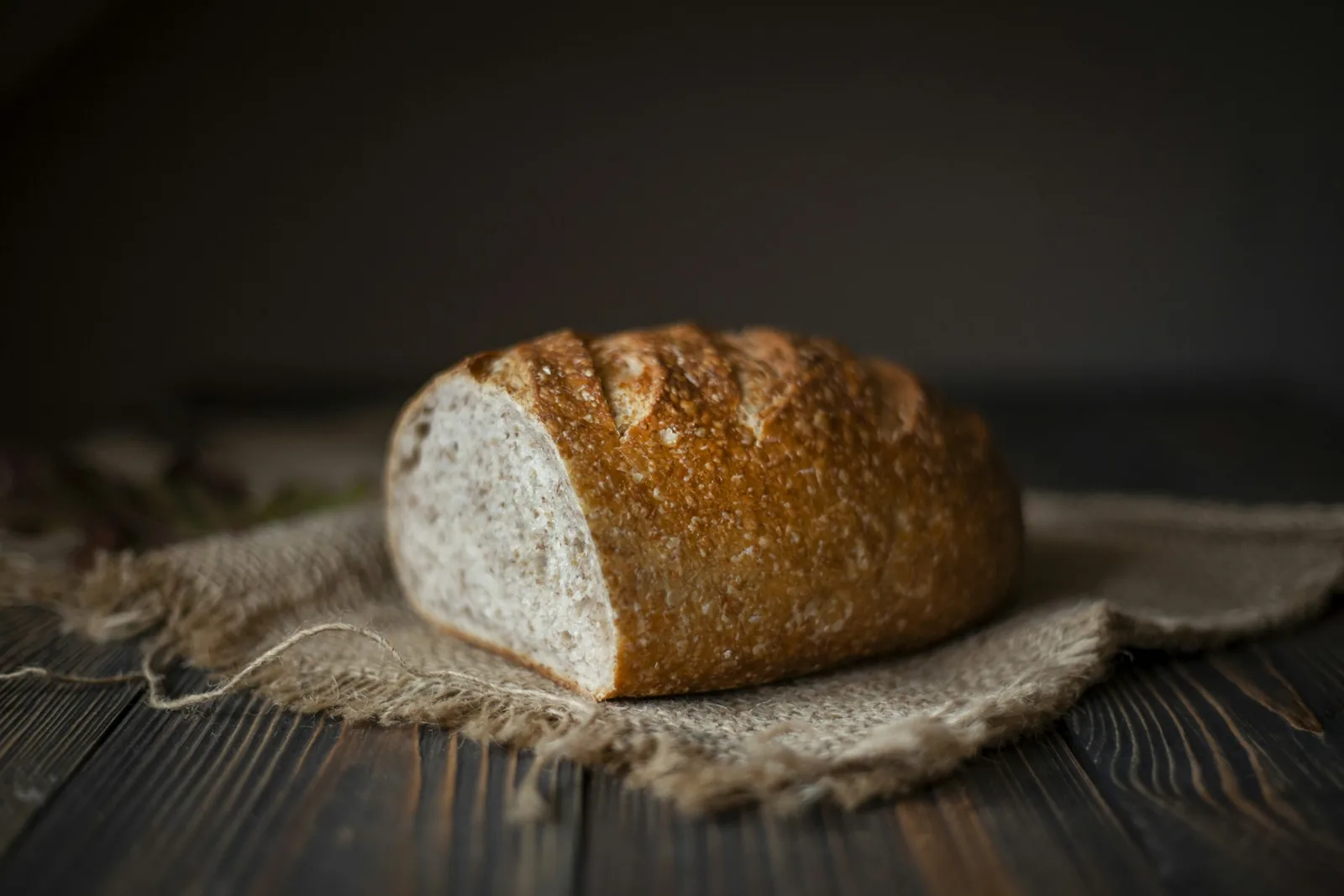
A crusty loaf — a baguette or Italian loaf — has an open crumb that absorbs fat unevenly and a crust that crisps hard. You get contrast within a single slice.
A soft loaf absorbs fat evenly throughout, so the whole slice becomes rich rather than the surface alone. Comforting, less interesting, and much easier to overdo.
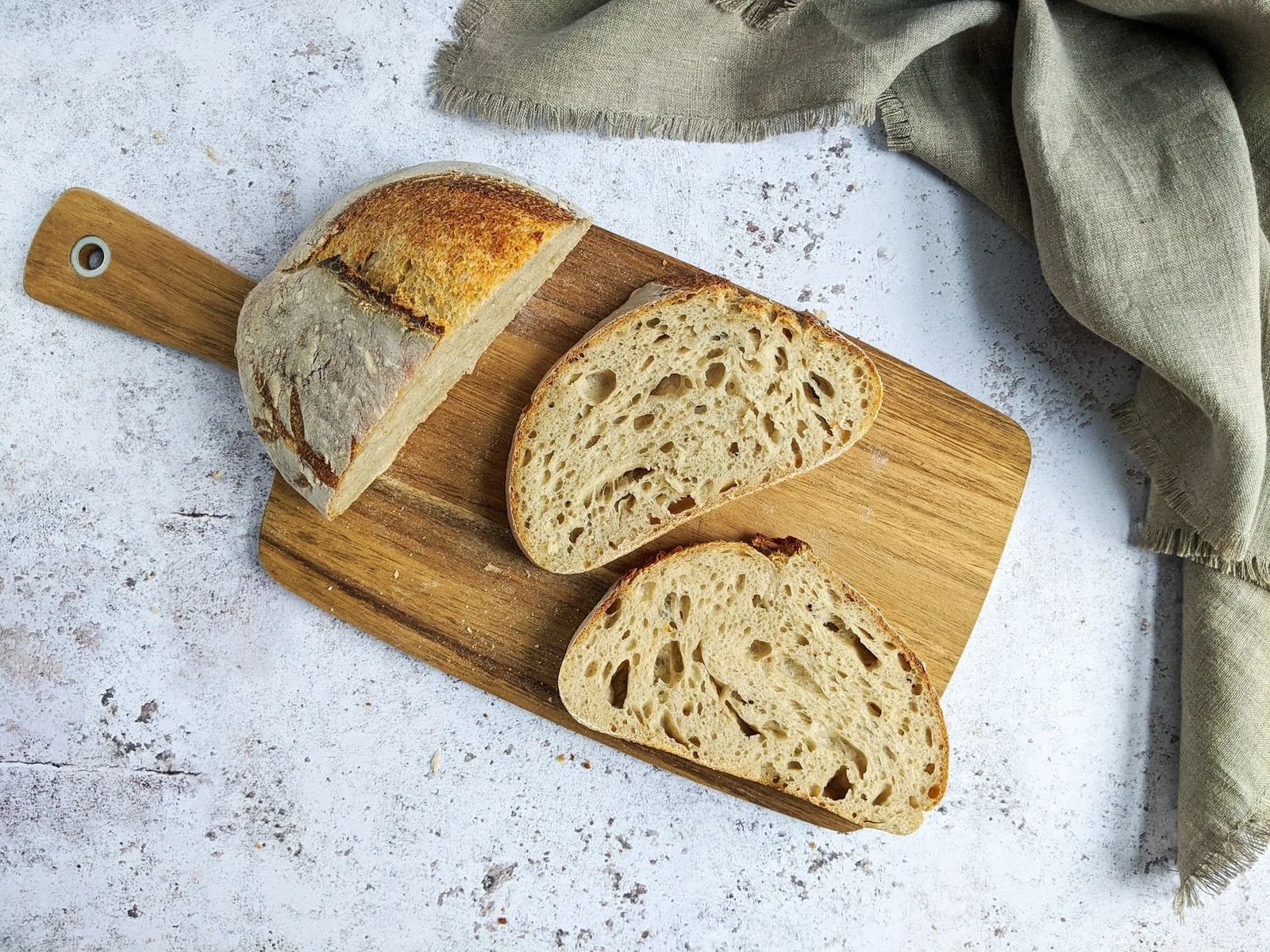
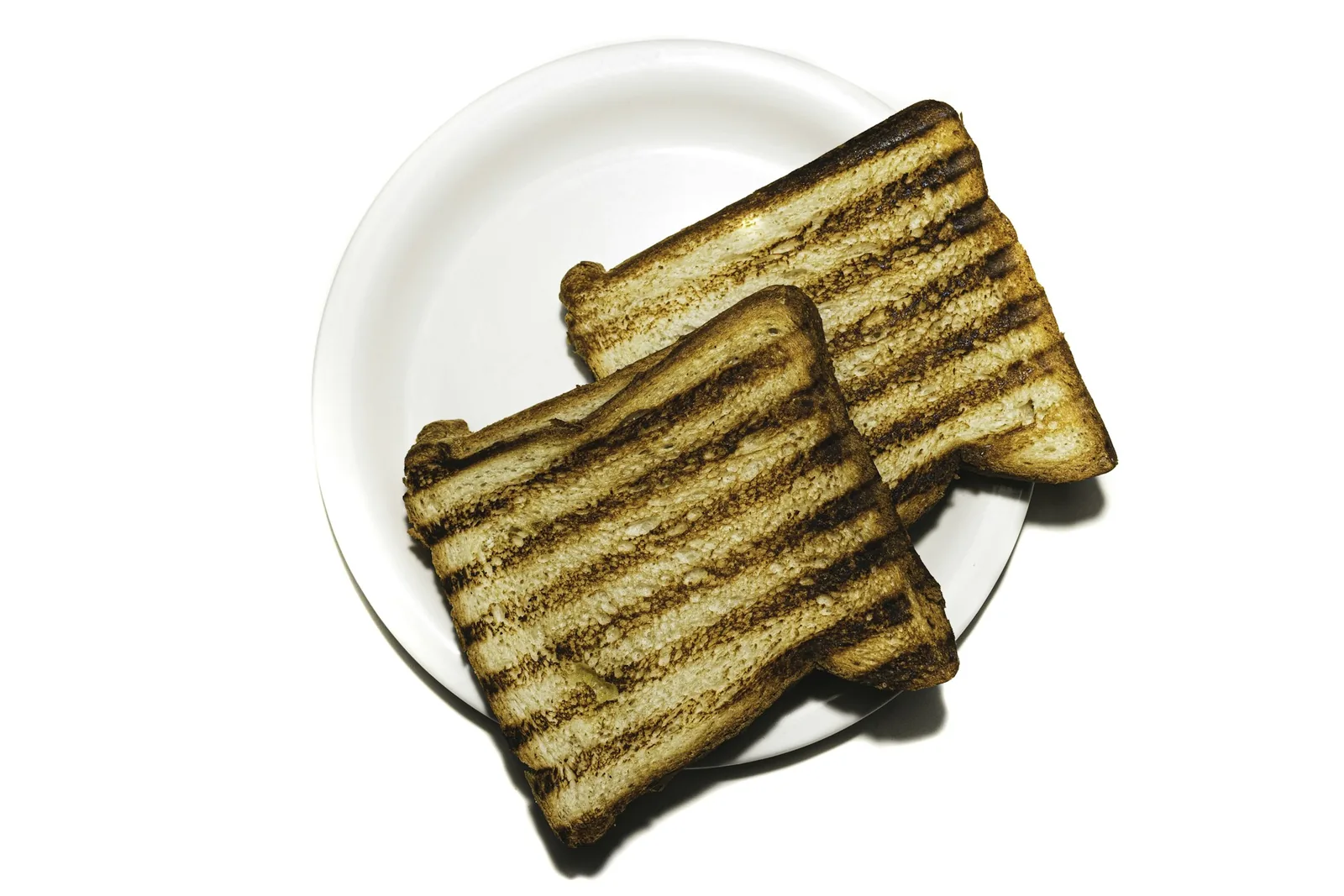
Stale bread is genuinely better than fresh here. It has less internal moisture, so it crisps rather than steams, and it holds its shape under butter.
Butter or oil
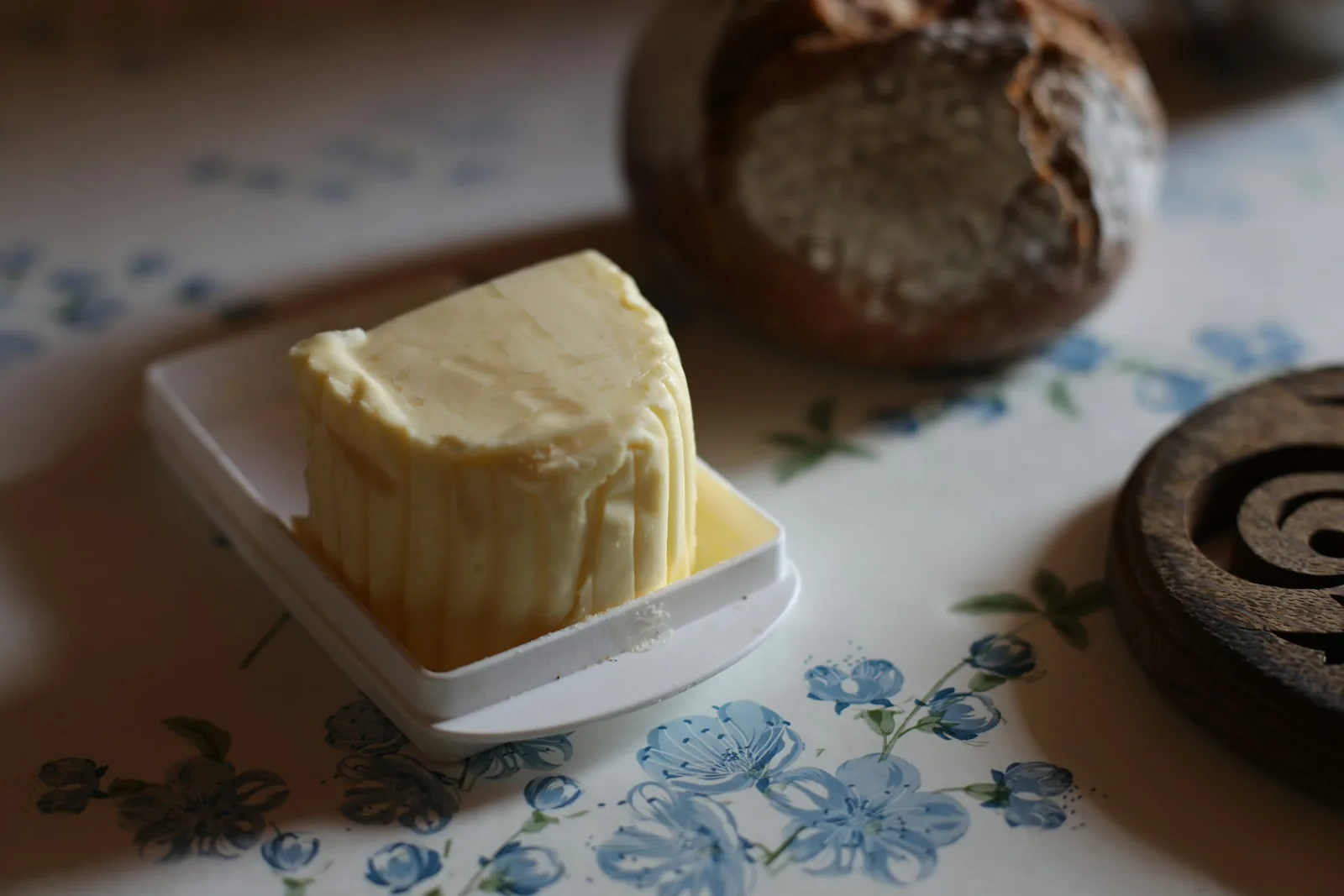
Butter contains water and milk solids. The water helps steam the inside soft while the surface browns, and the milk solids brown too, which is where a lot of the flavour comes from.
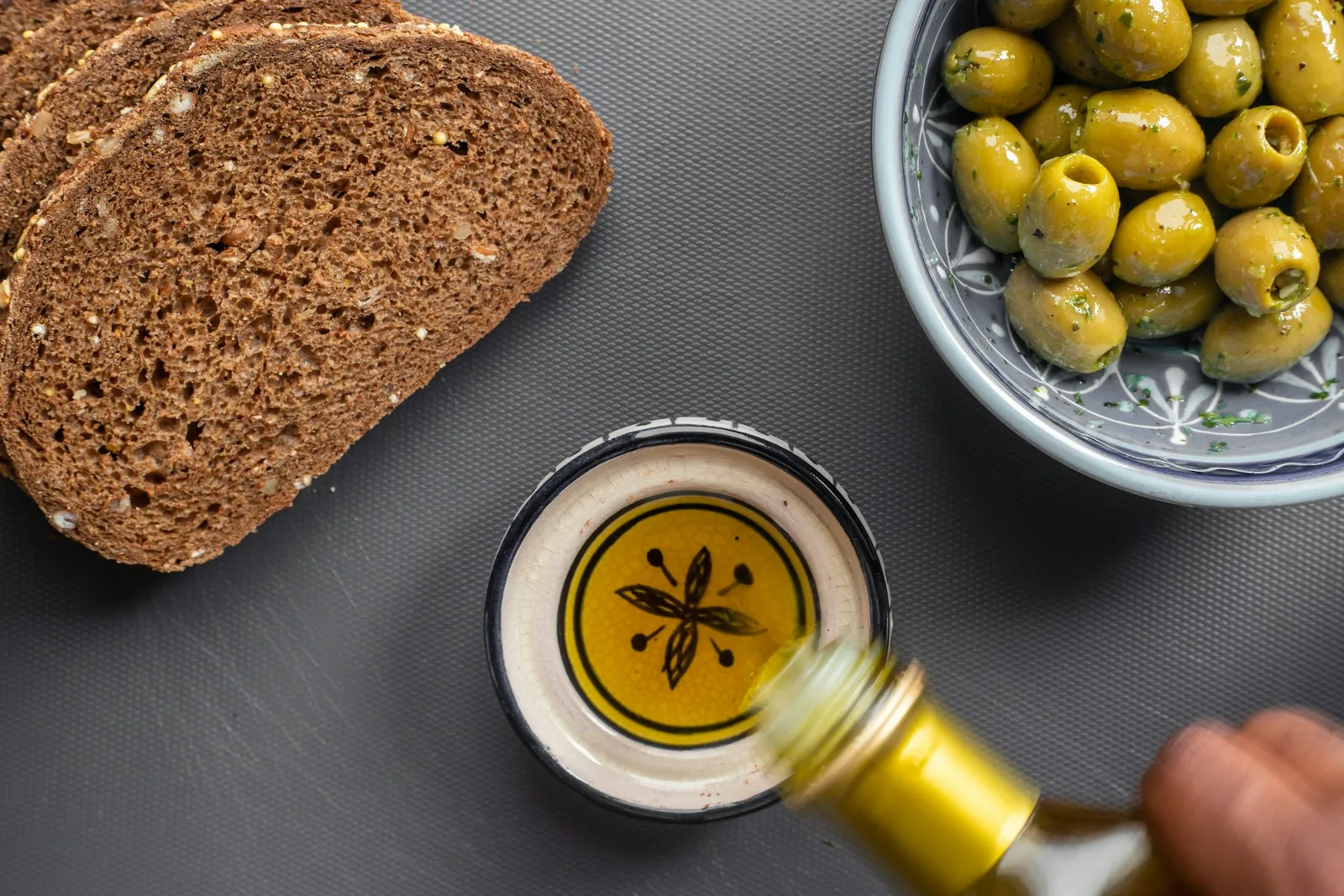
Olive oil is pure fat. It transfers heat more efficiently, so the surface crisps harder and faster, but there is no water to keep the middle tender and nothing to brown besides the bread itself.
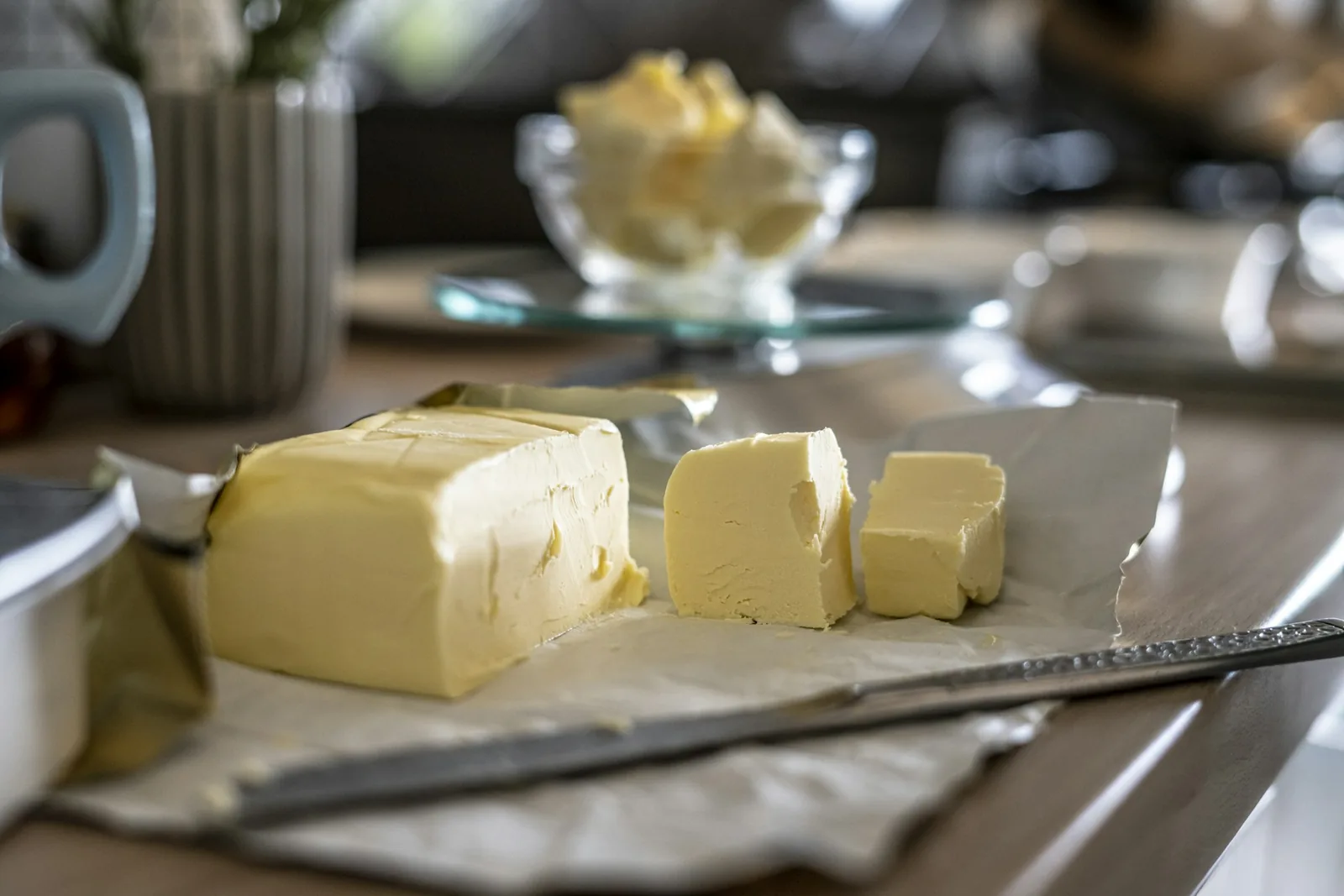
So butter gives you soft-centred and rich; oil gives you crisp and lighter. A mixture of the two is common and reasonable, and it is what most kitchens actually do.
Raw or cooked garlic
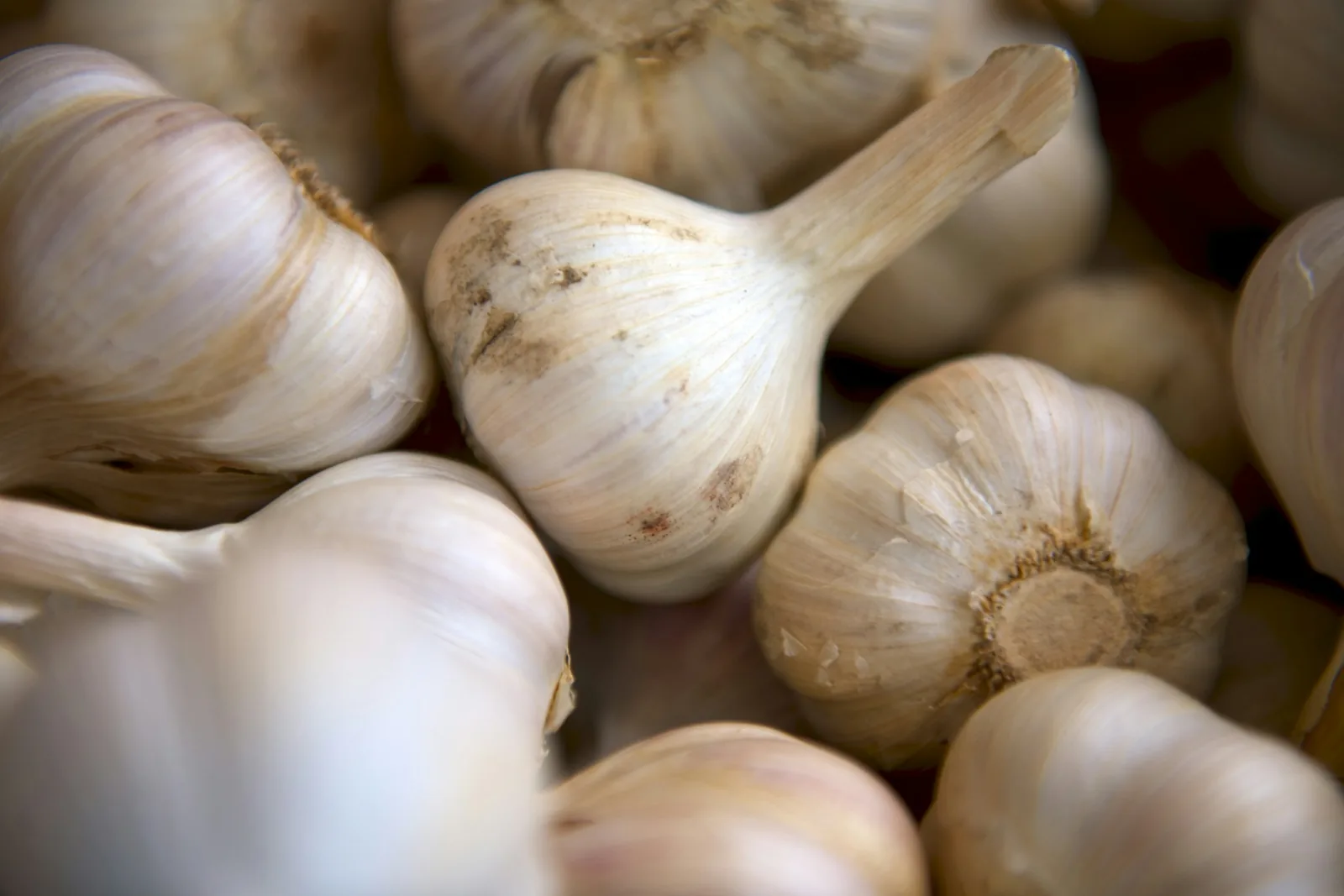
Raw garlic is sharp and hot. Cooked garlic is sweet and mellow. Which one you get depends on whether it goes on before or after the heat.
Garlic spread on raw and baked will mellow, but the small pieces on the surface can catch and turn bitter before the bread is done. Garlic softened in the fat first goes on already sweet and cannot burn.
It is not bruschetta
These get used interchangeably on menus and they are different things.
Bruschetta is grilled bread rubbed with a cut clove of raw garlic and dressed with oil, usually topped with something — tomato, beans, whatever is in season. The bread is grilled first and dressed afterwards.
Garlic bread has the garlic and fat applied before the heat, so they cook into the bread rather than sitting on it.
Different order of operations, different result. Bruschetta tastes of raw garlic and good oil; garlic bread tastes of cooked garlic and browned butter.
Cheese on it, or not
Garlic bread with melted cheese is a separate item on most menus, and it is not simply the same thing with an addition.
Cheese changes the texture goal entirely. The point of plain garlic bread is a dry, crisp surface; melted cheese puts a soft, wet layer directly on top of it. You cannot have both on the same piece, so cheesy garlic bread is really a different dish that happens to share a name.
That is not an argument against it. It is an argument for knowing which one you are ordering, because someone expecting a crisp slice will be disappointed by a soft cheesy one and vice versa.
It also travels worse. Melted cheese holds steam against the bread the whole way home, which is the fastest route to a soggy base.
Reheating it
Garlic bread is the side most damaged by sitting in a container, and the easiest to bring back.
- Oven or air fryer, never the microwave. A microwave steams it and you lose the only thing that made it good.
- Uncovered. Foil traps steam and keeps it soft.
- Hot and short. A few minutes at a high temperature re-crisps the surface without drying the middle.
The same logic applies to reheating pizza: dry heat restores texture, trapped steam destroys it.
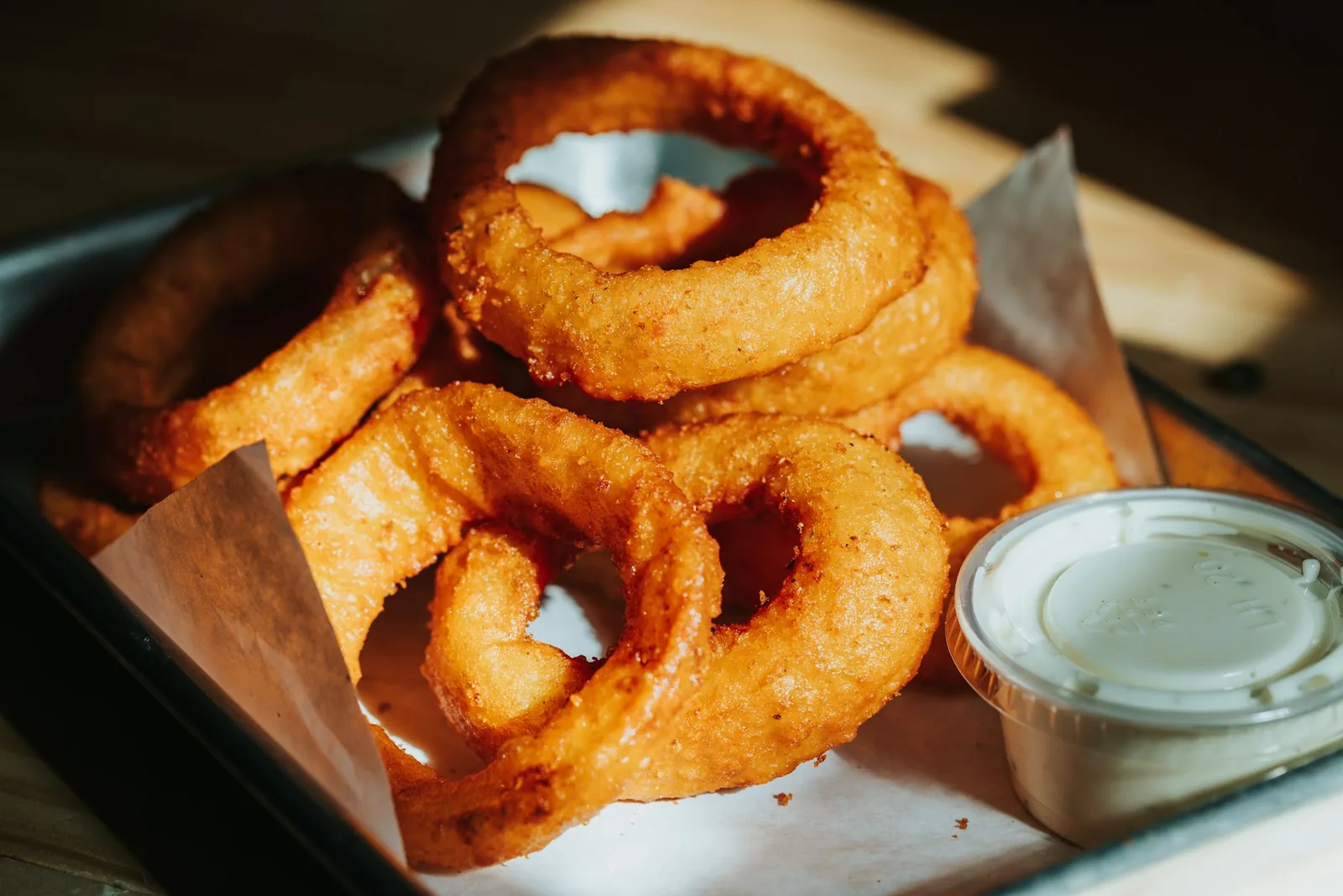
Ray’s lists Garlic Bread under Side Orders, alongside the onion rings, fries and mozzarella sticks.
Pizza Questions, Answered.
What bread is best for garlic bread?
A crusty loaf such as a baguette or Italian loaf. The open crumb and firm crust give contrast within each slice, which soft sandwich bread cannot.
Should garlic bread be made with butter or olive oil?
Butter for a richer, softer result; oil for a crisper, lighter one. Many kitchens use both, which is a reasonable compromise.
What is the difference between garlic bread and bruschetta?
Bruschetta is grilled first then rubbed with raw garlic and dressed with oil. Garlic bread has the garlic and fat applied before baking, so they cook into it.
How do you reheat garlic bread?
In an oven or air fryer, uncovered, hot and briefly. A microwave steams it soft and undoes the point of it.
The short version
Crusty bread over soft, day-old over fresh, butter for richness and oil for crispness. Reheat it dry and uncovered, never in a microwave.
It is on the Ray’s menu under Side Orders, open daily 10:30am to 9:00pm.
Ray’s Pizza Team
Ray’s Pizza & Sub Shop is a neighborhood pizzeria at 95 Woodstown Rd, Swedesboro, New Jersey, serving pizza, stromboli, hot and cold subs and dinners seven days a week from 10:30am to 9:00pm. These guides are written by the people behind the counter.
Visit Ray’sMore From Ray’s