Meatballs, Explained
A good meatball is softer than a burger and that is deliberate. Bread soaked in milk is the reason.
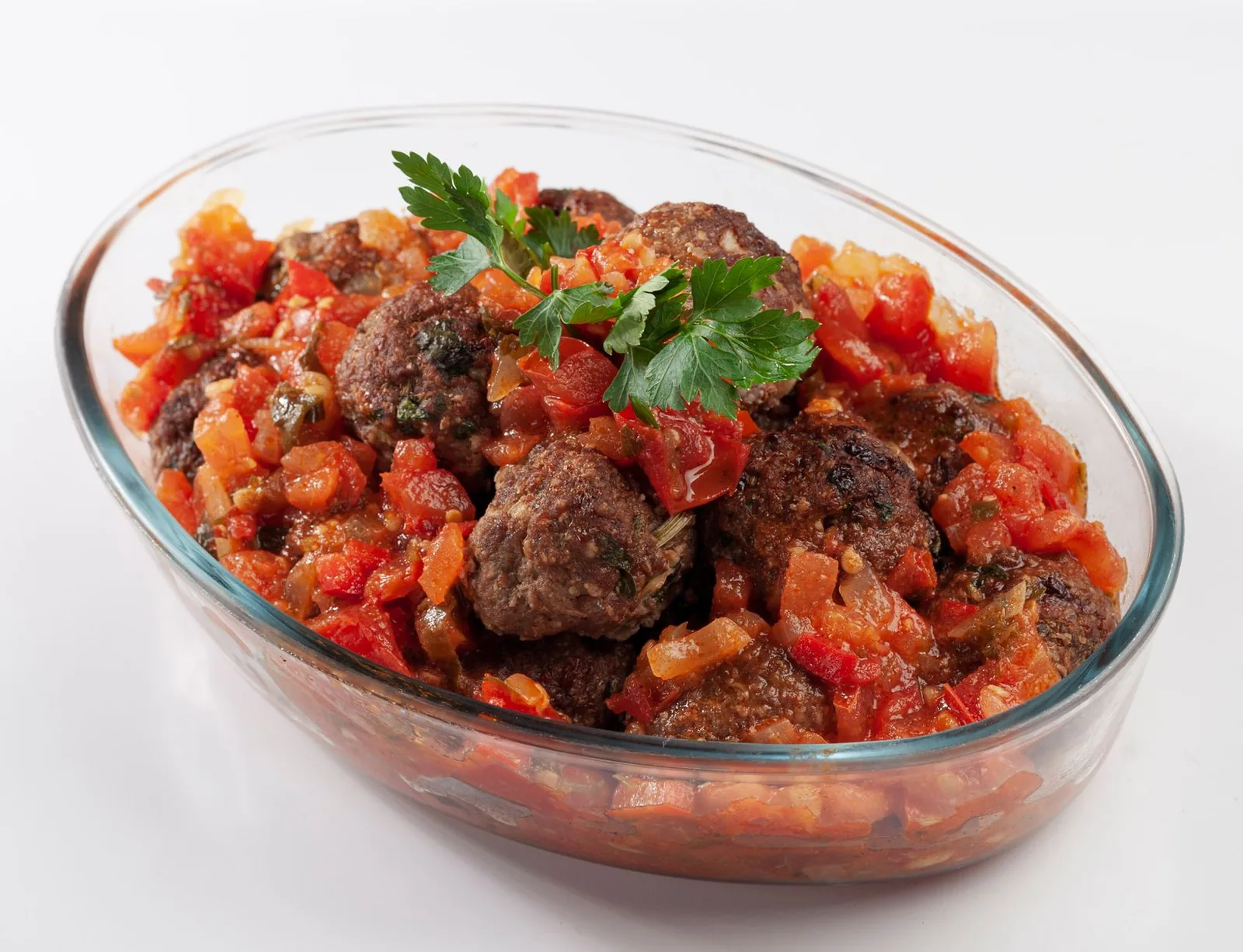
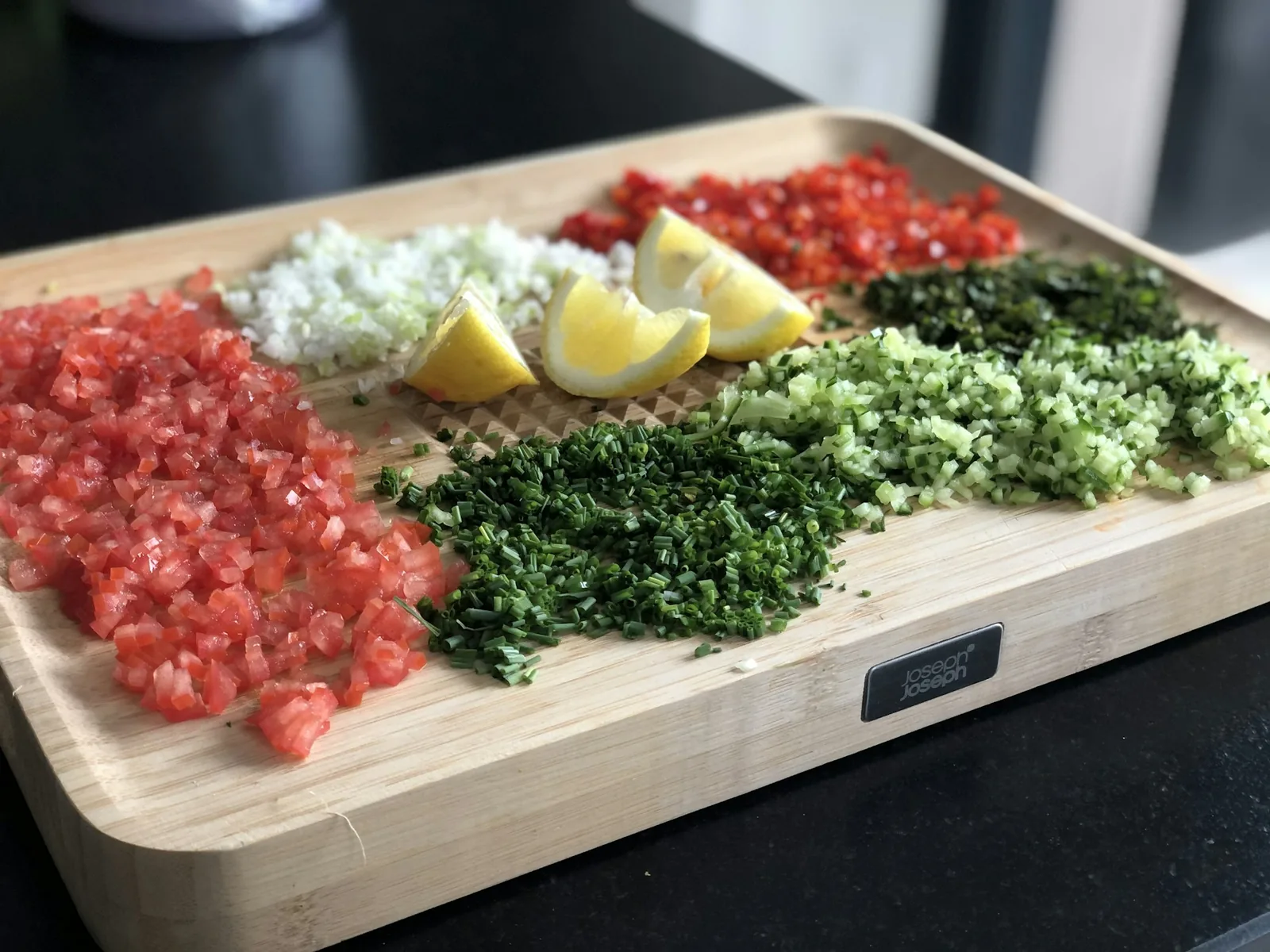
An Italian-American meatball is ground meat, bread soaked in milk, egg, grated hard cheese, garlic and parsley. The bread is not padding — it is the single thing that makes the texture right.
Get that part wrong and you have a small meatloaf, or worse, a dense sphere that bounces.
| Ingredient | Job | Skip it and |
|---|---|---|
| Ground meat | Flavour and body | There is no dish |
| Soaked bread | Keeps it tender | It turns dense and springy |
| Egg | Binds it together | It falls apart in sauce |
| Hard cheese | Salt and savour | It tastes flat |
| Garlic, parsley | Aroma | It tastes only of meat |
What actually goes in
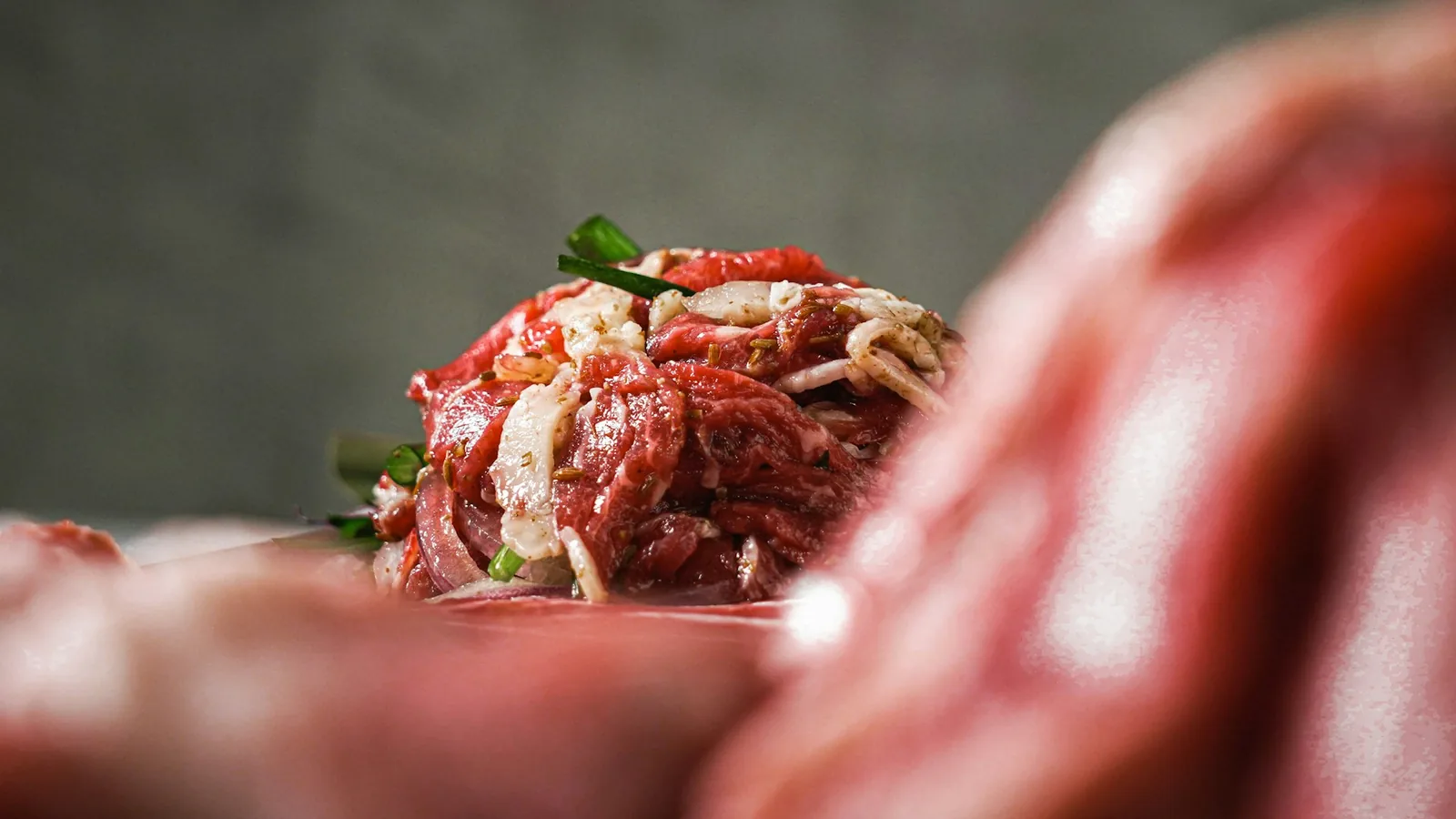
The meat is usually a mixture rather than one type. Beef brings flavour, pork brings fat and softness, and veal — where it is used — brings a finer texture. Plenty of good meatballs are all beef.
Fat content matters more than the exact blend. Very lean meat makes a dry meatball no amount of sauce will rescue, which is why a mixture including pork is so common even where beef is doing most of the flavouring. Somewhere around a fifth fat is the usual target.
The bread trick
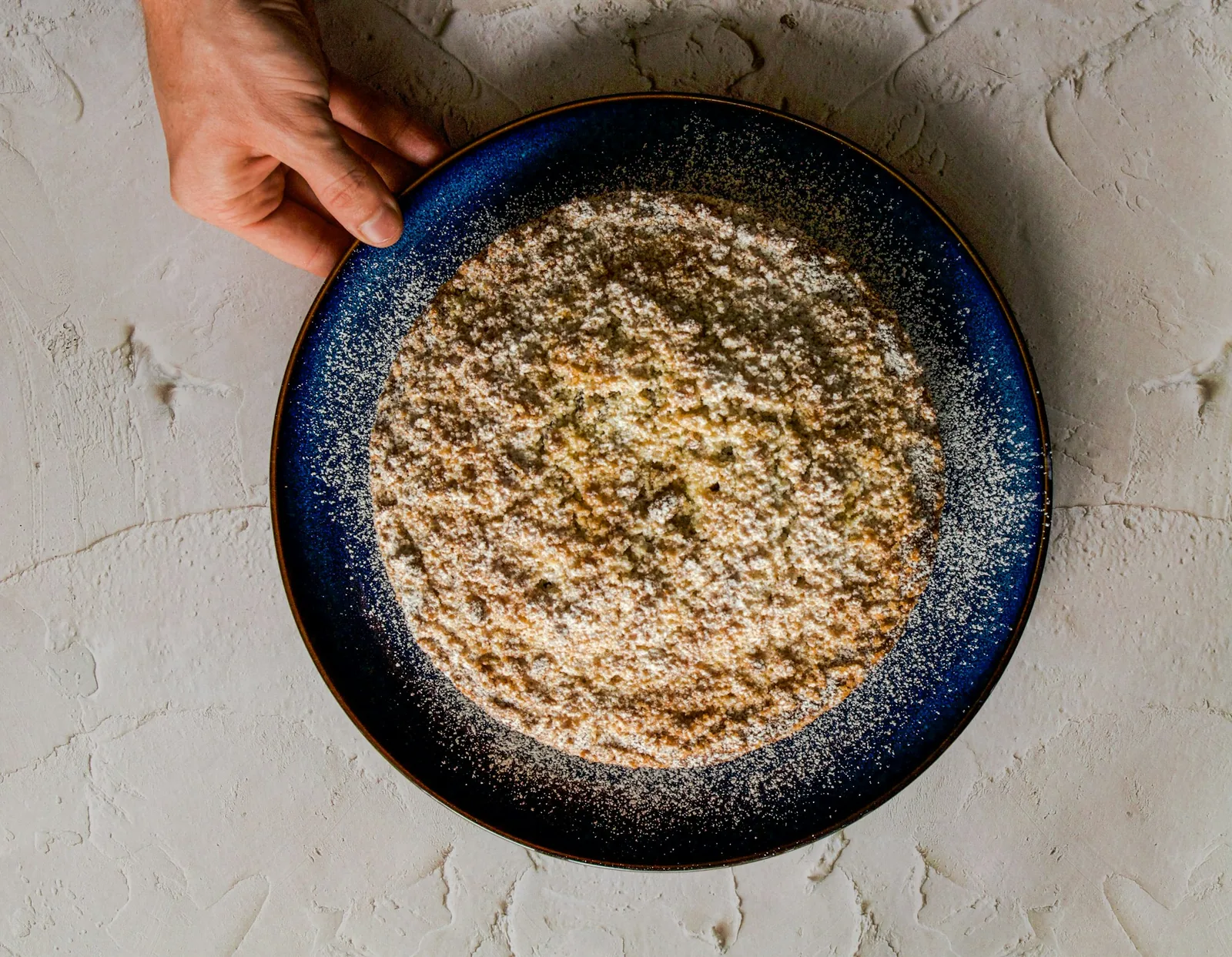
Bread soaked in milk until it collapses into a paste is called a panade, and it is the reason restaurant meatballs are tender.
Here is what it does. Meat proteins tighten and squeeze out moisture as they heat — that is why an overcooked burger goes tough. The starch in the soaked bread holds water and physically gets in the way of those proteins linking up tightly.
So the meatball keeps moisture it would otherwise lose, and stays soft even after a long simmer. Breadcrumbs stirred in dry do not do this; they absorb moisture rather than holding it.
Fried or simmered
This changes the dish more than any ingredient does.
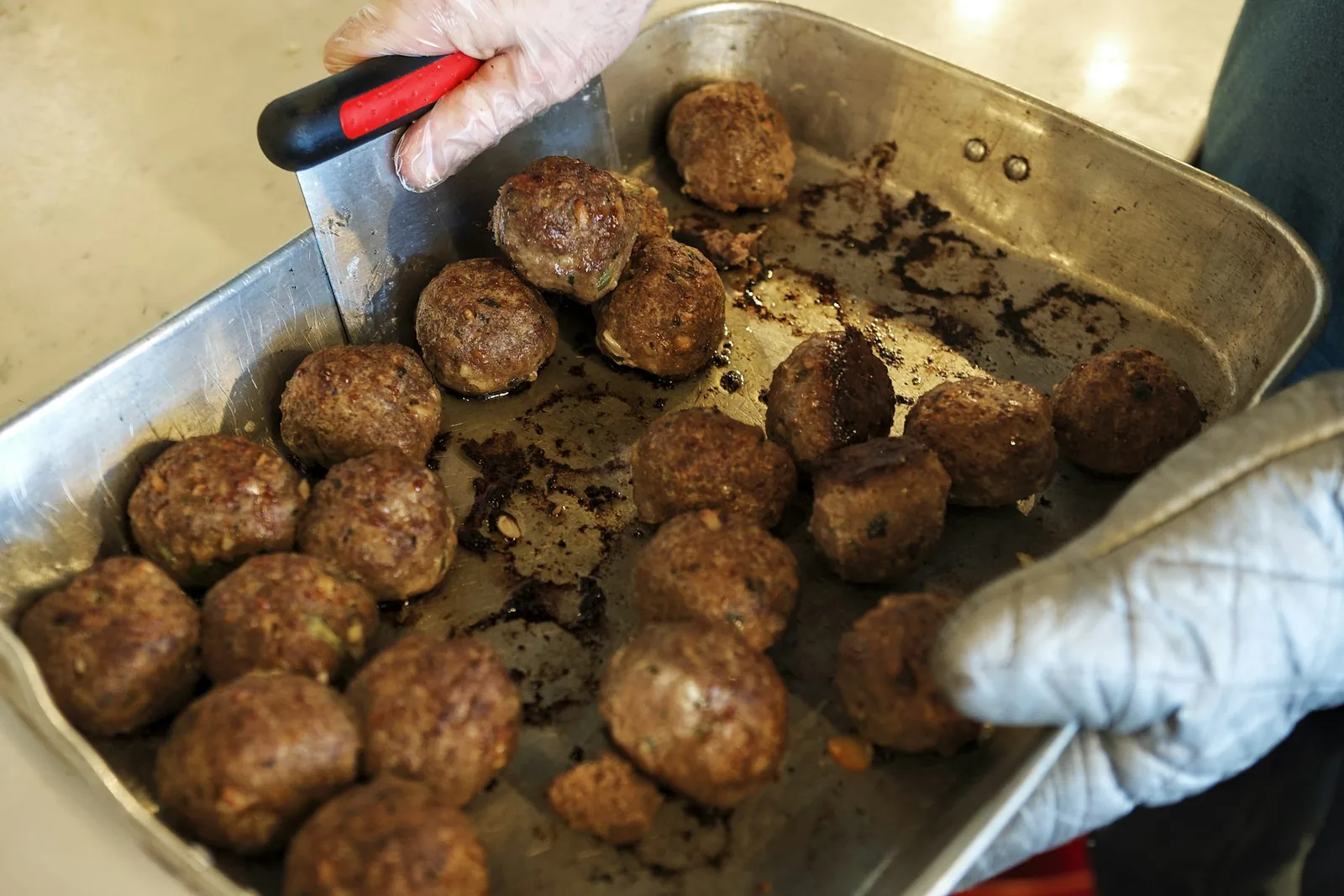
Browned first, then simmered gives you a savoury crust and a meatball that holds its shape. The browning is flavour that cannot be got any other way, and the simmer softens the middle.
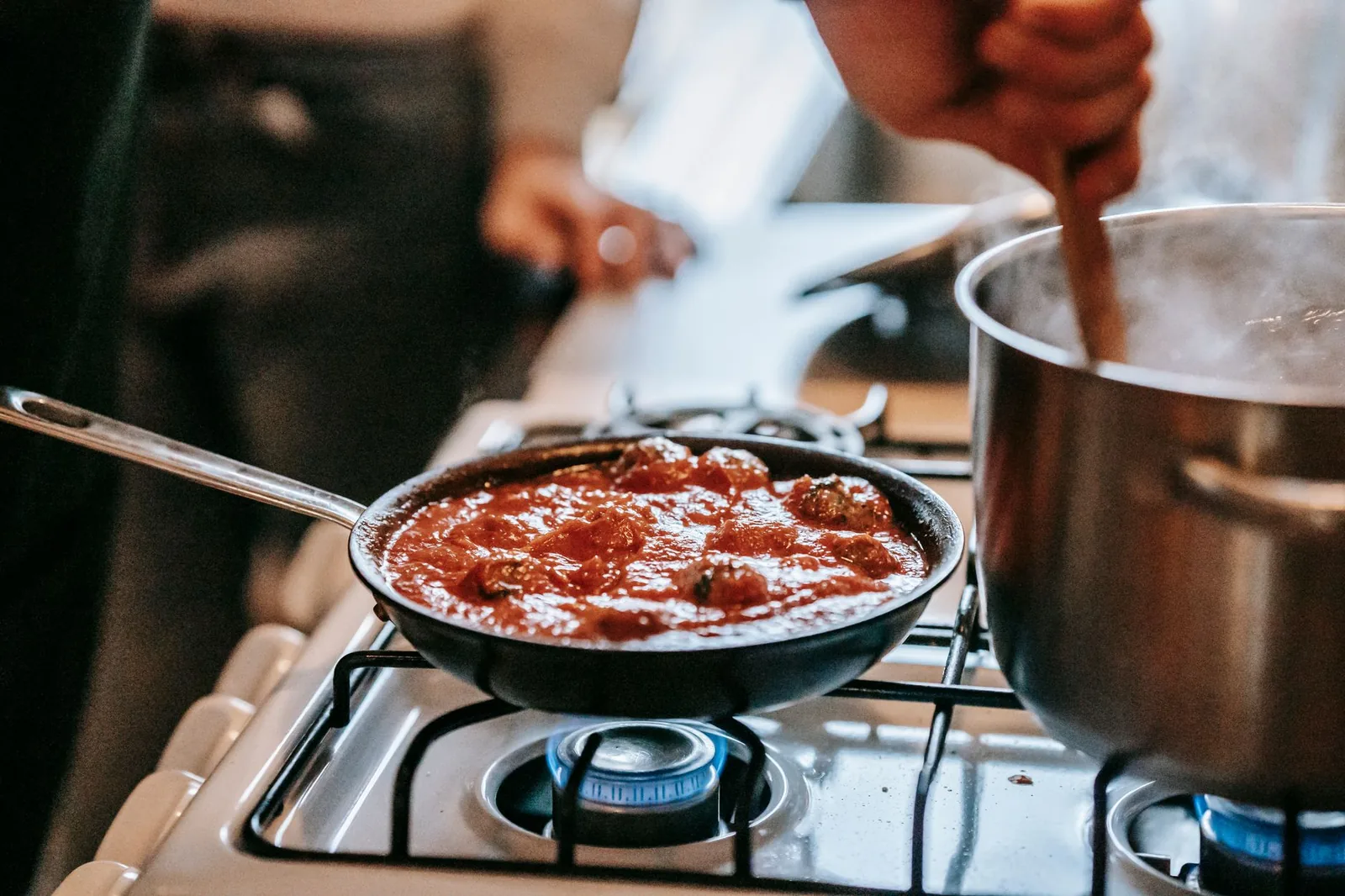
Simmered raw in the sauce gives you a softer, more delicate meatball and a much better sauce, because everything the meat releases goes into the pot rather than into a frying pan.
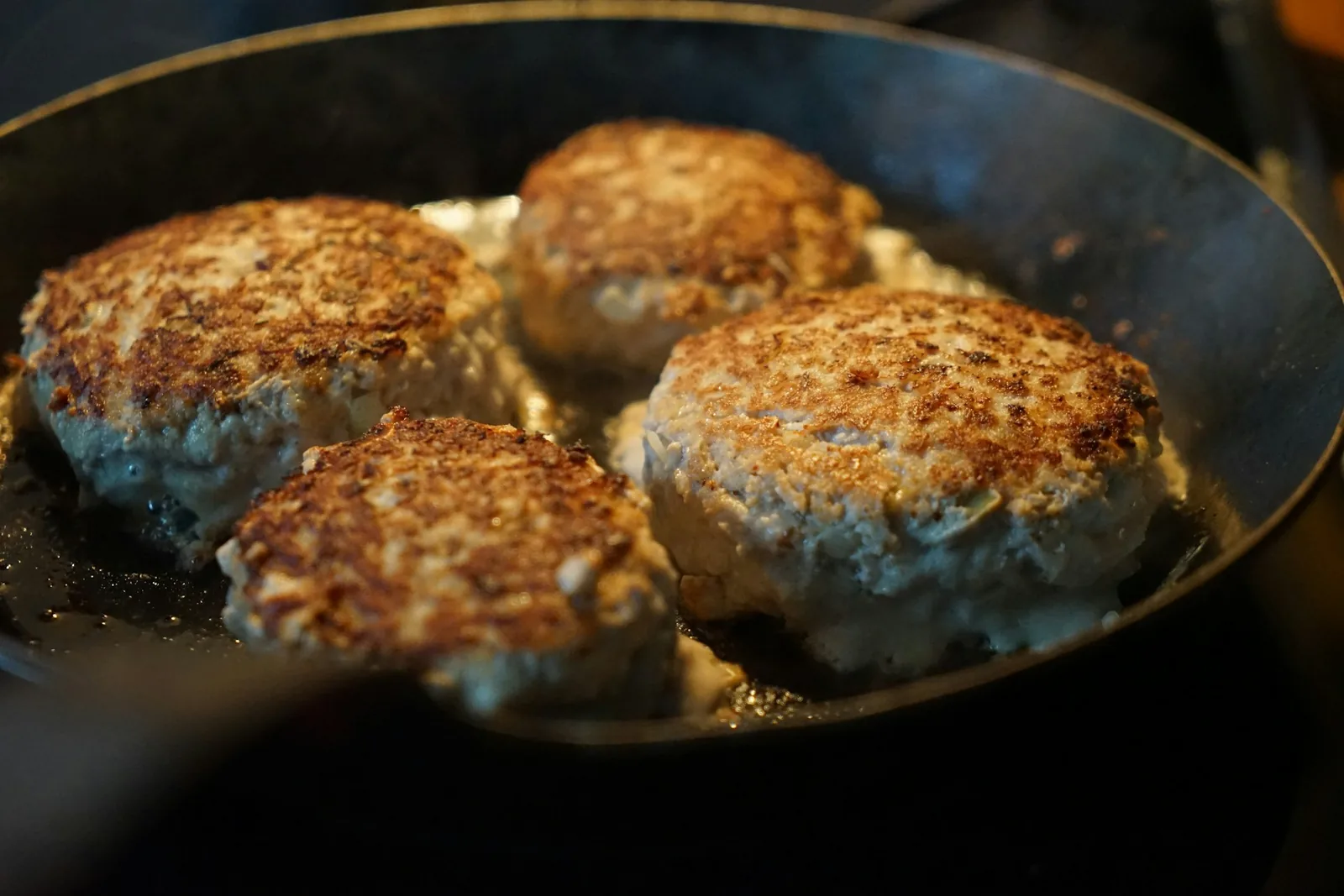
Neither is more correct. Restaurants generally brown first because it is faster, holds shape better on a plate, and survives being held through service.
Why restaurant meatballs are so big
Italian meatballs are traditionally small — sometimes barely bigger than a marble, dropped into soup. The large ones on an American plate are a different tradition.
Size is mostly practical. A big meatball has a lower surface-to-volume ratio, so it dries out more slowly and survives sitting in sauce through a service. It also portions cleanly: two or three per plate rather than counting out fifteen.
And it looks like a meal. A plate of spaghetti with three large meatballs reads as substantial in a way the same weight of small ones does not, which is a real consideration when a plate has to justify its price at a single glance.
Why they are always in sauce
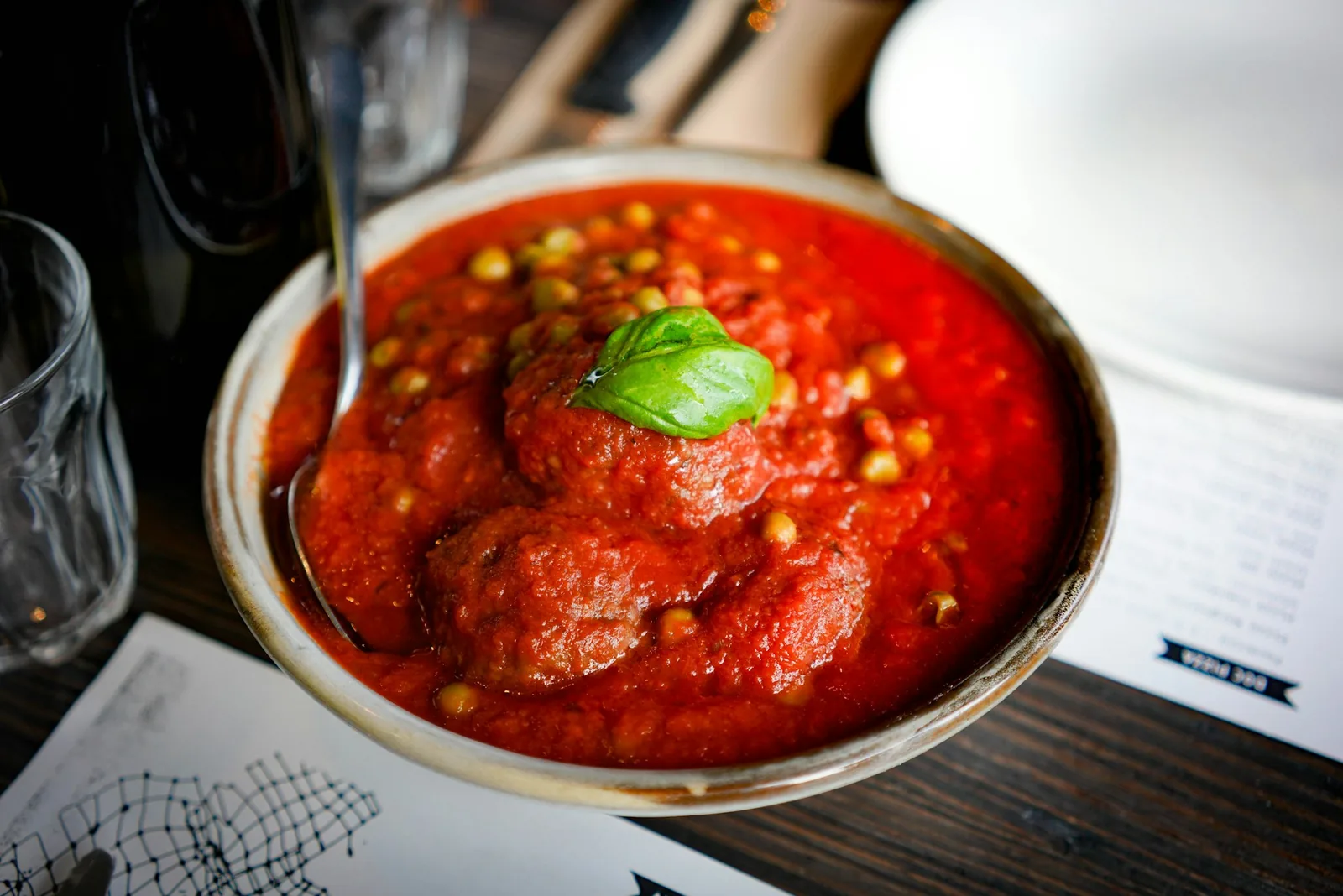
Meatballs are almost never served dry, and that is not only a serving convention. The sauce is doing work.
A meatball simmering in sauce is being cooked gently and evenly by a liquid that cannot go above boiling point. That is a much more forgiving environment than an oven or a pan, where the outside can overcook long before the centre is done.
The sauce also keeps replacing moisture at the surface. Meat sitting in liquid loses far less water than meat sitting in dry heat, which is why a meatball can be held in sauce through a long service and still be tender, while the same meatball on a tray would dry out in twenty minutes.
And it works the other way too. Whatever the meatballs release goes into the sauce, so a pot that has had meatballs in it for an hour tastes noticeably better than one that has not. The two are improving each other.
How they turn up on a menu
Three ways, mostly.
- With pasta. Spaghetti or ziti, with sauce. Ray’s lists Spaghetti Meatballs and Ziti & Meatballs as dinners, with bread and butter included.
- In a sandwich. On a long roll with sauce and melted cheese.
- On their own. Two or three in a dish of sauce, as a starter.
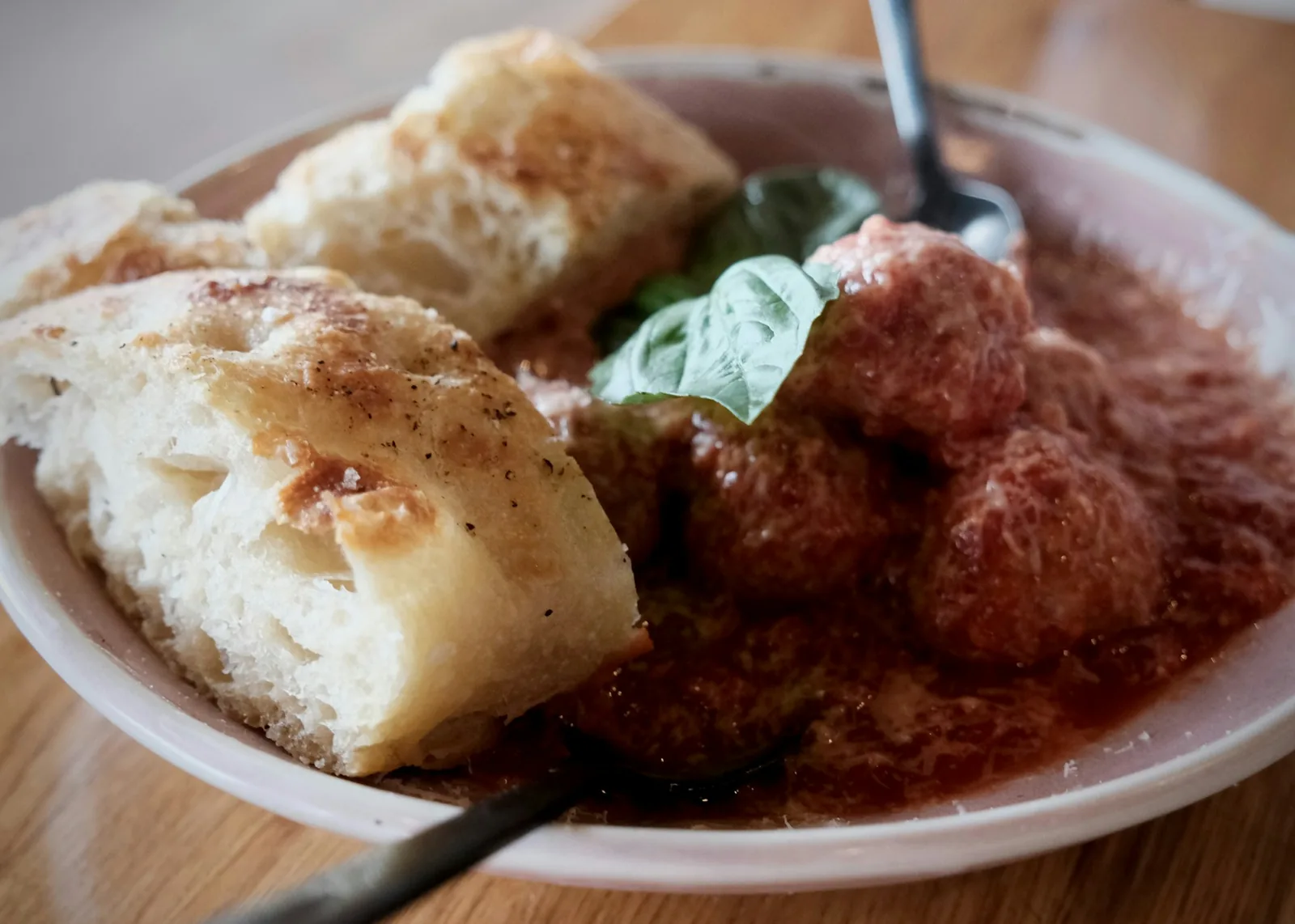
The sandwich is the hardest on the bread, for the reason our guide to rolls and ratio covers: a wet filling on a long roll needs structure to survive. A meatball sandwich made on soft bread collapses before you are halfway through it.
Pizza Questions, Answered.
What are Italian-American meatballs made of?
Ground meat – often a beef and pork mixture – with bread soaked in milk, egg, grated hard cheese, garlic and parsley.
Why are my meatballs tough?
Usually no soaked bread, or the mixture was worked too hard. Both make the meat proteins bind tightly, which is what produces a springy texture.
Should you fry meatballs before adding them to sauce?
Either works. Browning first adds flavour and helps them hold shape; simmering raw gives a softer meatball and a richer sauce.
Why are restaurant meatballs so large?
Large meatballs dry out more slowly, hold up through a service, and portion cleanly onto a plate.
The short version
Meat, soaked bread, egg, cheese and aromatics. The bread is what keeps them tender, browning is what adds flavour, and the size is a practical choice rather than a traditional one.
Both meatball dinners are on the Ray’s menu, open daily 10:30am to 9:00pm.

Ray’s Pizza Team
Ray’s Pizza & Sub Shop is a neighborhood pizzeria at 95 Woodstown Rd, Swedesboro, New Jersey, serving pizza, stromboli, hot and cold subs and dinners seven days a week from 10:30am to 9:00pm. These guides are written by the people behind the counter.
Visit Ray’sMore From Ray’s