Minestrone, Wedding Soup and Pasta Fagioli
Three soups that share a pot and almost nothing else. One is vegetable, one is meatballs and greens, one is beans and pasta.
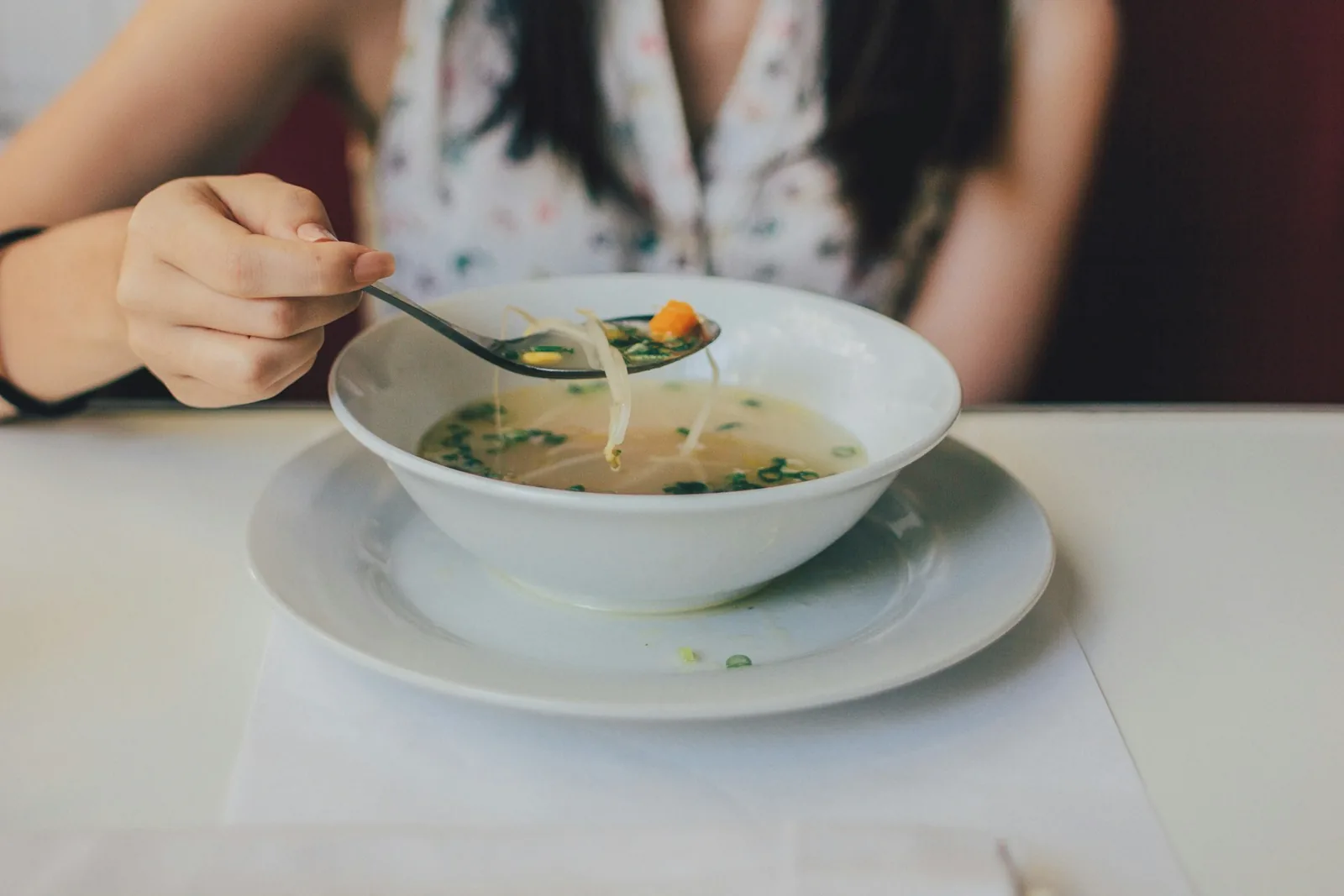
Minestrone is a vegetable soup. Italian wedding soup is broth with small meatballs and greens. Pasta fagioli is beans and pasta in a thickened tomato base.
They sit next to each other on every Italian-American menu and get chosen more or less at random, usually because the names give away nothing at all.
| Minestrone | Wedding | Pasta fagioli | |
|---|---|---|---|
| Base | Vegetable broth | Clear broth | Tomato, thickened |
| Centre | Mixed vegetables | Meatballs and greens | Beans and pasta |
| Texture | Chunky, brothy | Light, clear | Thick, almost stew |
| Eats as | Starter | Starter | A meal |
Why the names mislead
Two of these names actively confuse people, which is worth clearing up before anything else.
Italian wedding soup has nothing to do with weddings. The name is a mistranslation of minestra maritata — “married soup” — describing the marriage of greens and meat in the pot. No ceremony involved.
Pasta fagioli is spelled a dozen ways on American menus, and pronounced more ways than that. Ray’s writes it Pasta Fagiolo. It means pasta and beans, which is exactly what it is.
There is a fourth on most menus, including Ray’s: plain chicken soup. It belongs to a different tradition entirely and is the safe order when nobody can agree.
What they have in common
All three are built the same way and that is worth understanding, because it explains why they vary so much between kitchens.
Each starts with aromatics softened in fat — onion, carrot, celery, and usually garlic. Liquid goes in, then whatever defines the particular soup, then it simmers until everything has given up its flavour to the broth.
That structure is why none of these has a fixed recipe. They were designed to absorb whatever was available, and a kitchen making them daily adjusts them constantly. Two bowls of minestrone from different places can share almost no ingredients and both be correct.
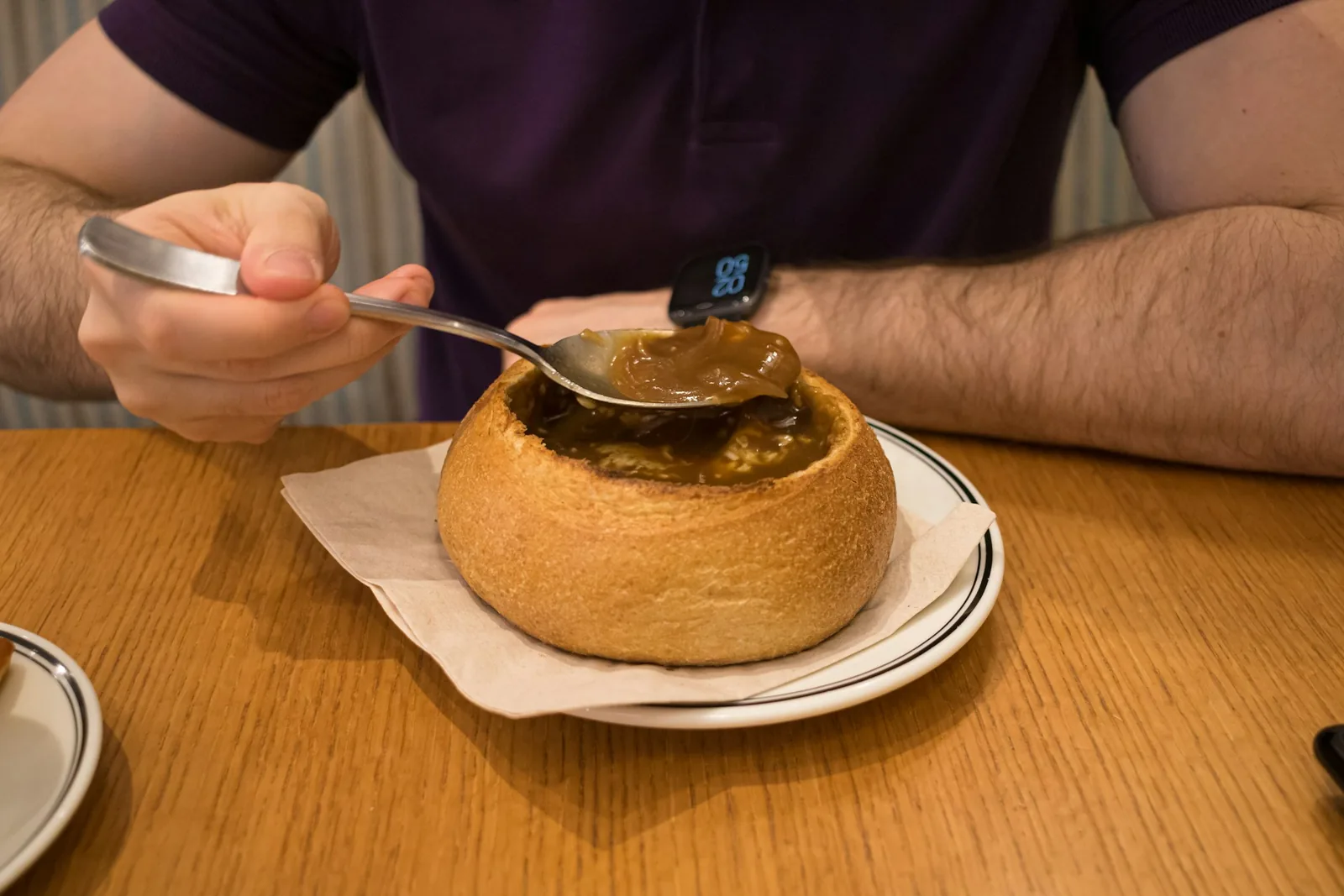
Minestrone
The most variable of the three, because it is defined by method rather than ingredients. Whatever vegetables are around go in, with broth, often with a small pasta or beans as well.
That is not vagueness — it is the point. Minestrone was a way of using what was in the kitchen, and every version is legitimate.
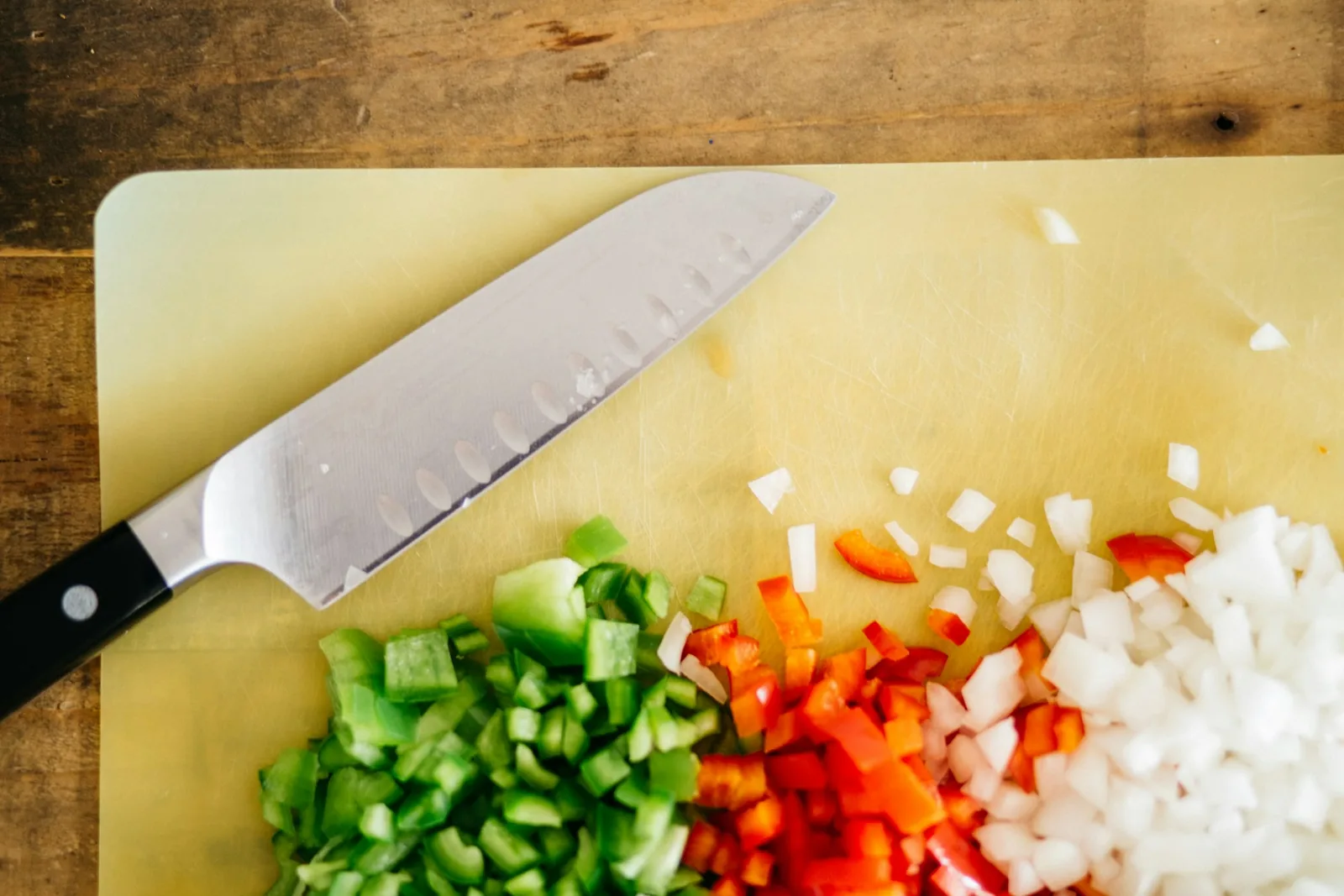
Expect it chunky and brothy rather than thick, and expect it to differ from place to place more than the other two.
Italian wedding soup
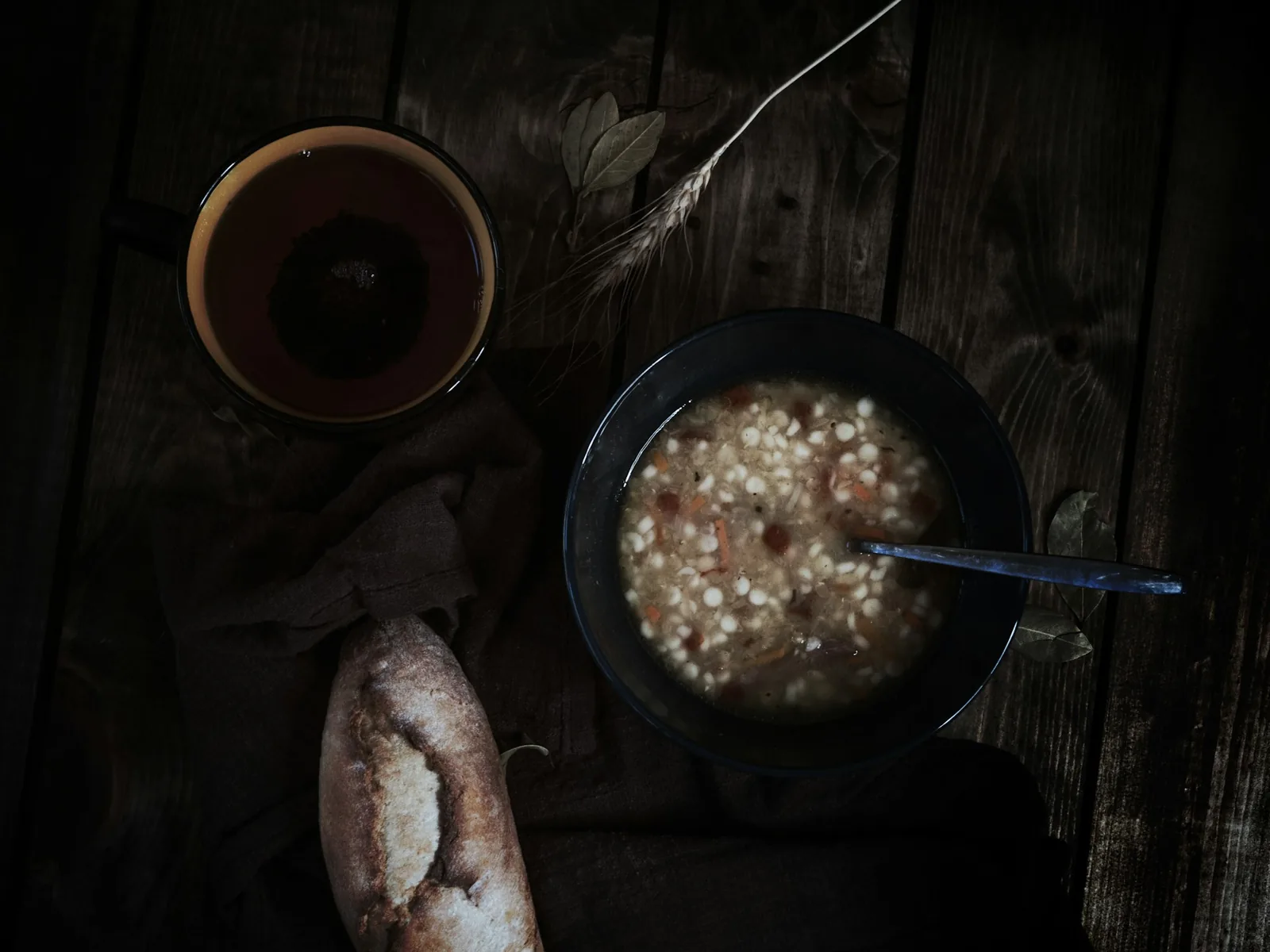
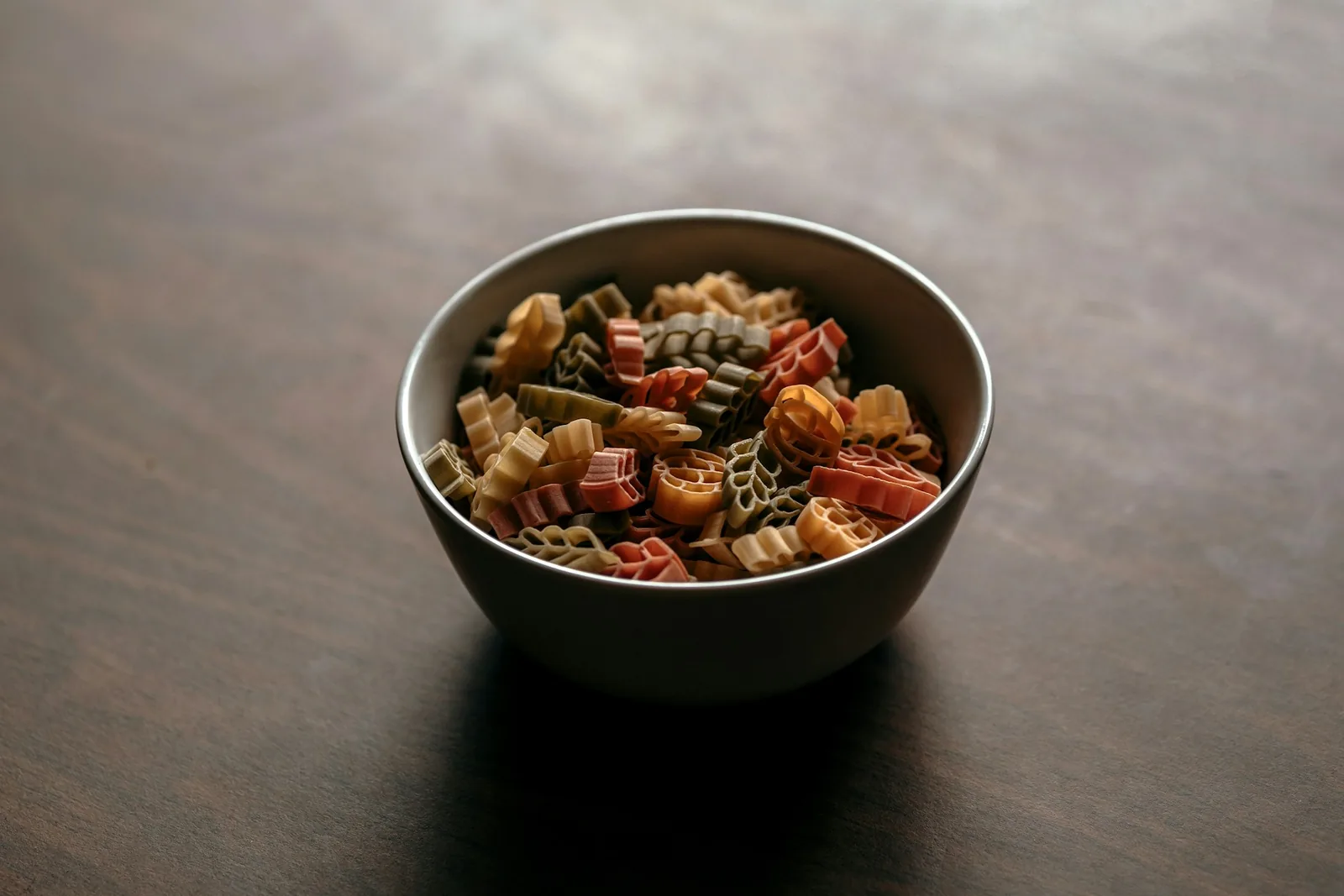
The lightest. A clear broth carrying very small meatballs, a leafy green, and usually a small pasta shape like acini di pepe.
Because the broth is clear and the components are small, it eats quickly and does not sit heavily. It is the one to order before a substantial main.
Pasta fagioli
The substantial one. Beans and small pasta in a tomato-based broth that is thickened partly by the starch coming out of both.
It sits somewhere between a soup and a stew, and a good one is thick enough that a spoon leaves a trail. If it arrives thin, it is usually because it has been held too long and loosened.
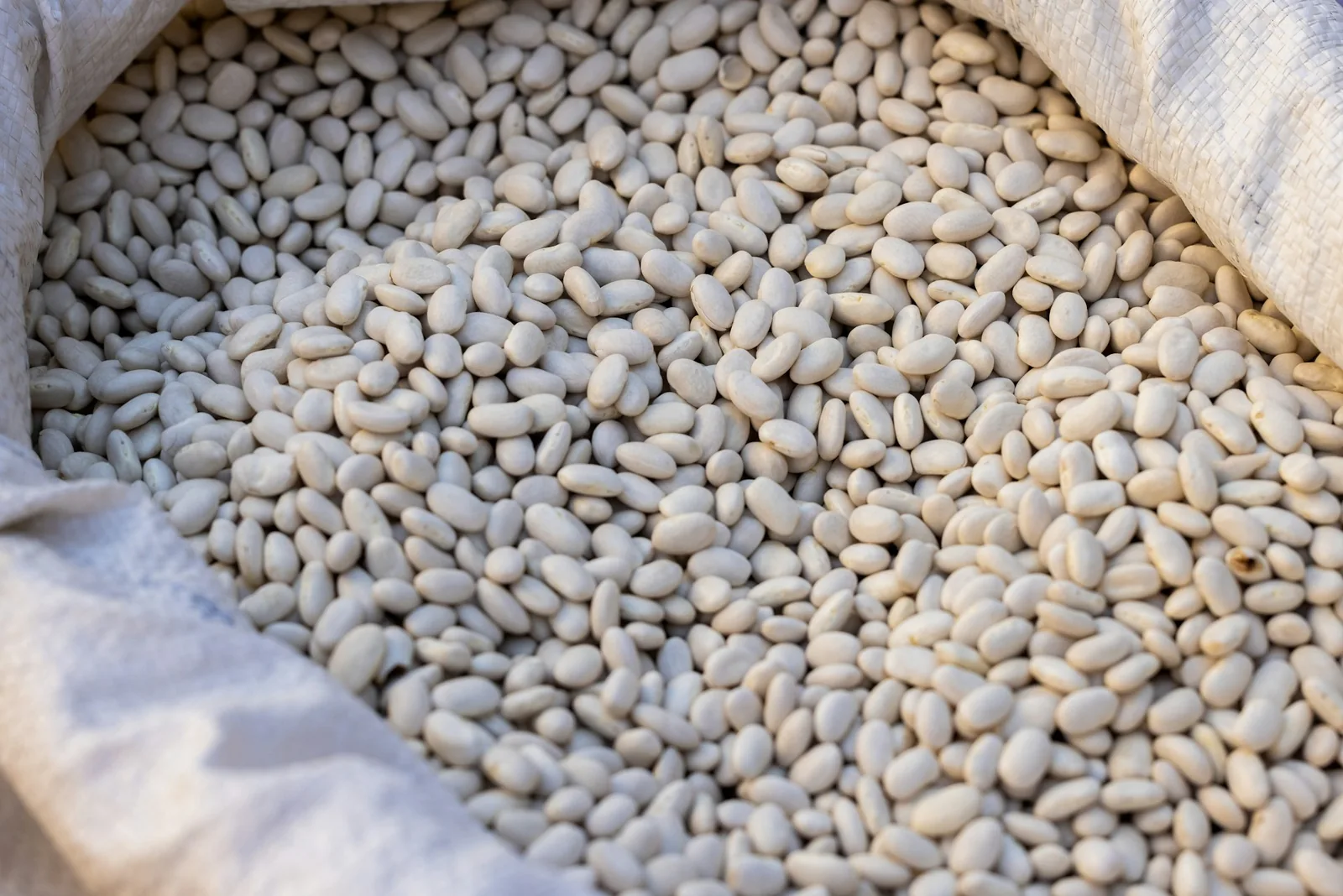
This is the one that works as lunch on its own. The other two are starters that happen to be sold by the bowl.
Why soup is on a pizzeria menu at all
It looks incongruous next to the pizza ovens, and there is a straightforward reason for it.
These are lunch-counter soups. A pizzeria that does a weekday lunch trade needs something quick, warm and cheap that can be held all day without deteriorating, and a pot of soup does that better than anything coming out of a pizza oven.
They also use what the kitchen already has. The vegetables are the same ones going onto pizzas, the small pasta is a store cupboard item, and the greens turn up in the salads. Nothing on this part of the menu requires a separate supply chain.
Which one is actually a meal
The practical question, and the table answers it: look at the base.
Clear broth means light. Thickened tomato means substantial. Anything with beans and pasta in it is carrying two starches and will fill you up on its own.
You can judge it from the spoon before you commit. If the broth runs off freely it is a starter; if it clings, it is lunch.
The same logic applies to what you order alongside. A bowl of fagioli before a pizza is too much food; a bowl of wedding soup is exactly the right amount of warm-up. Our guide to ordering sides with pizza covers how that changes the rest of the order.
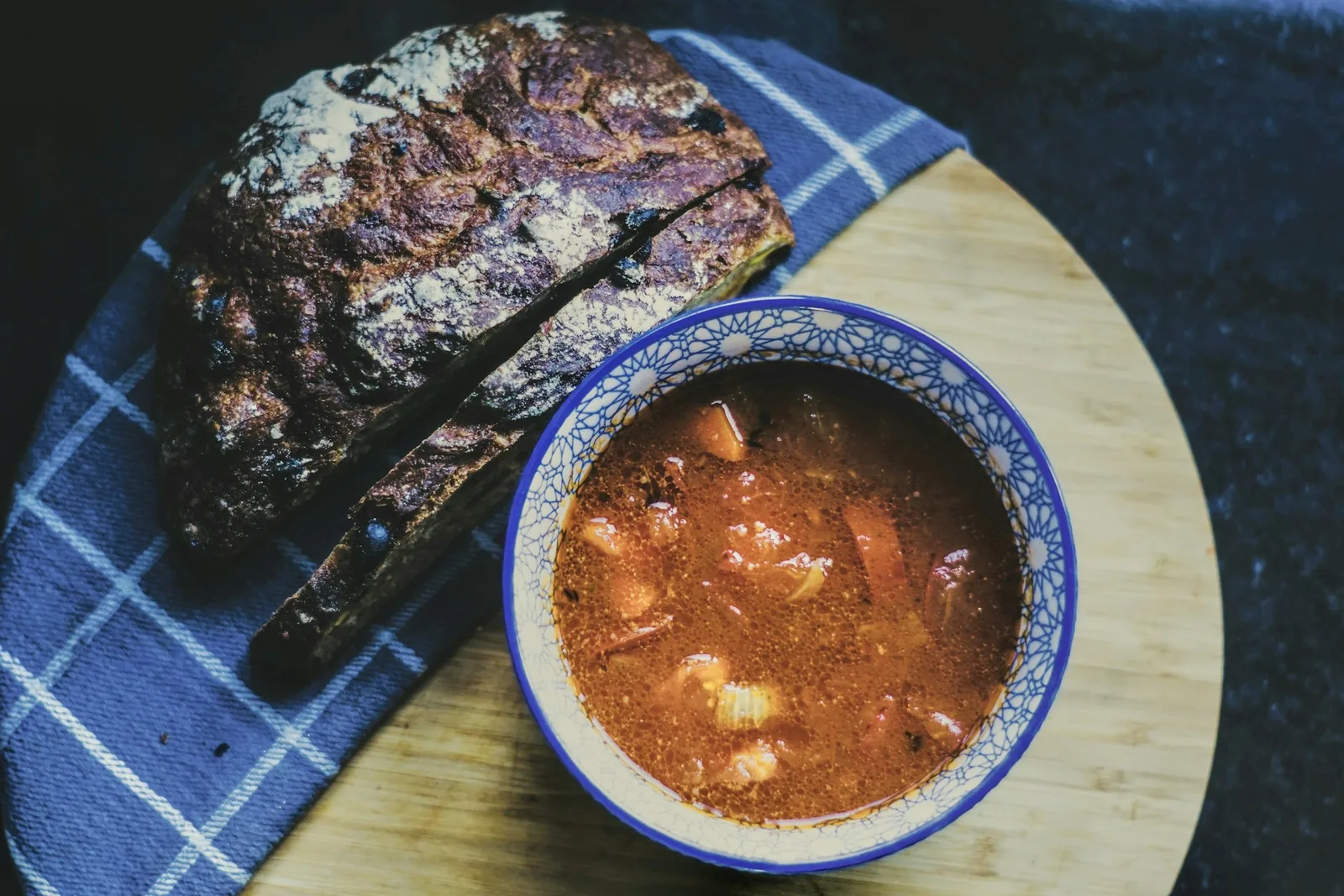
All four soups at Ray’s — Chicken, Minestrone, Italian Wedding and Pasta Fagiolo — sit in the Soups & Salads section alongside the salads.
Pizza Questions, Answered.
Why is it called Italian wedding soup?
It is a mistranslation of minestra maritata, ‘married soup’, which describes greens and meat combined in the pot. It has no connection to weddings.
What is pasta fagioli?
Pasta and beans in a thickened, usually tomato-based broth. The spelling varies widely on American menus – Ray’s writes it Pasta Fagiolo.
Is minestrone always vegetarian?
Not necessarily. It is defined by being a mixed vegetable soup, but many versions are built on a meat stock, so it is worth asking if that matters to you.
Which Italian soup is the most filling?
Pasta fagioli, comfortably. Beans and pasta together make it substantial enough to be a meal rather than a starter.
The short version
Vegetables, meatballs and greens, or beans and pasta. Clear broth means a starter; thick tomato means lunch.
All of them are on the Ray’s menu, open daily 10:30am to 9:00pm.
Ray’s Pizza Team
Ray’s Pizza & Sub Shop is a neighborhood pizzeria at 95 Woodstown Rd, Swedesboro, New Jersey, serving pizza, stromboli, hot and cold subs and dinners seven days a week from 10:30am to 9:00pm. These guides are written by the people behind the counter.
Visit Ray’sMore From Ray’s