How to Eat Pizza
The fold is engineering, not etiquette. It turns a floppy slice into a rigid one, and it only works on some styles.
There is no correct way to eat pizza, but there are ways that work better for particular pizzas. The differences are structural rather than social.
A wide, thin New York slice needs the fold. A Neapolitan pizza cannot take it. A thick Sicilian square does not need it at all.
| Style | Eat it | Because |
|---|---|---|
| New York | Folded, in hand | Wide and thin; needs the rigidity |
| Neapolitan | Knife and fork | Soft centre will not support itself |
| Thin / tavern | In hand, flat | Crisp enough to hold on its own |
| Sicilian | In hand, square | Thick base supports itself |
The fold
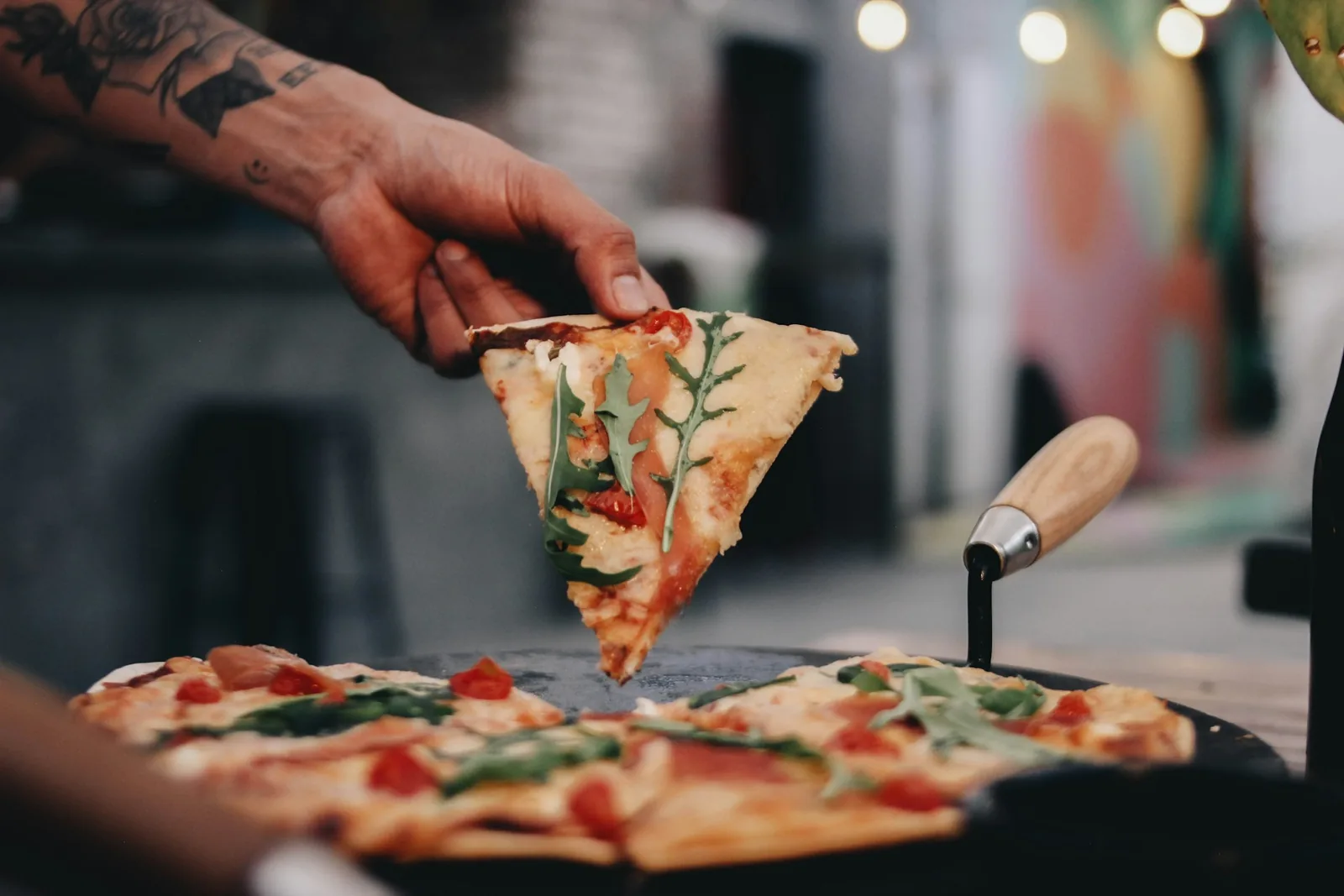
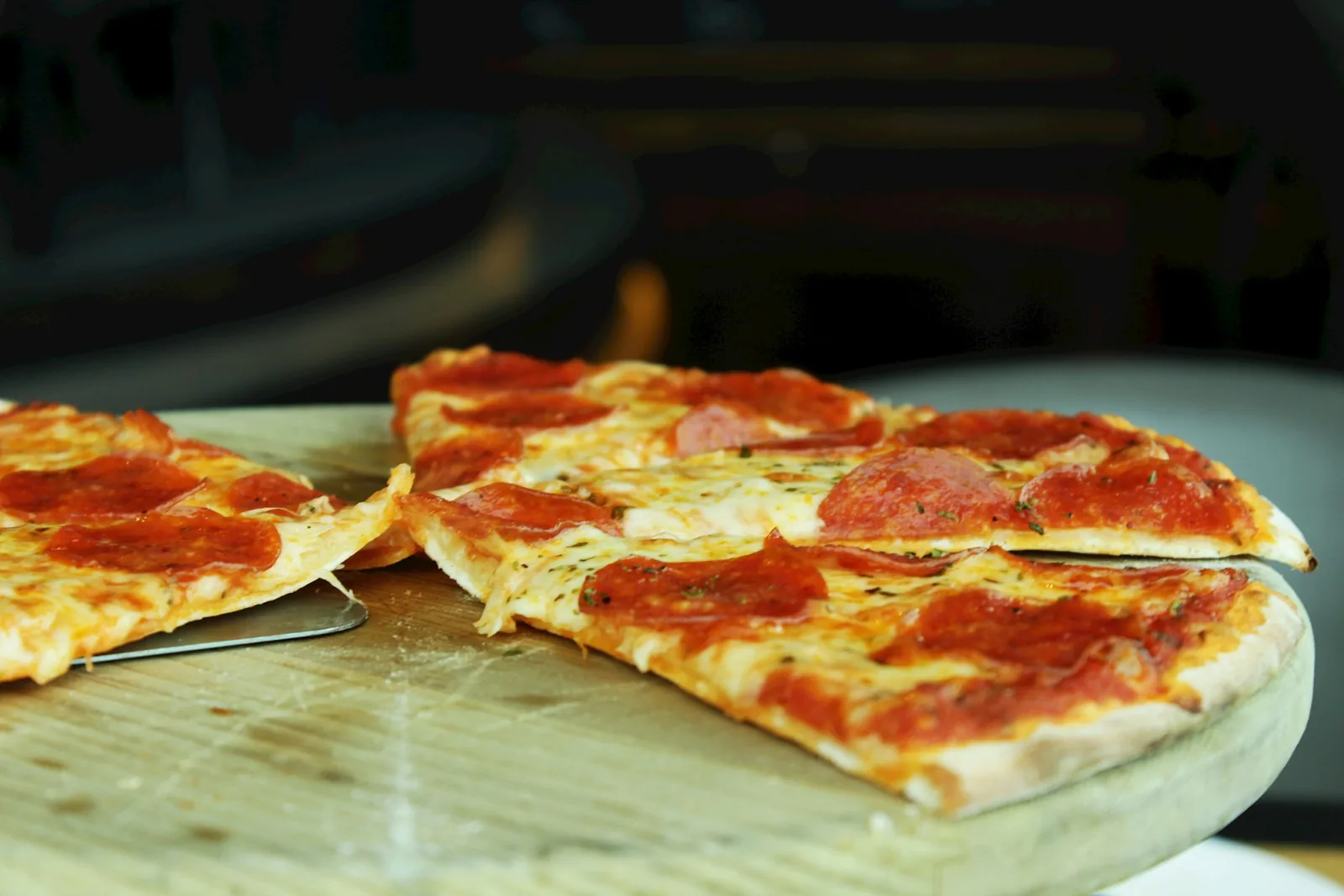
Take the slice by the crust, and bend it gently along the line running from the rim to the tip. Not a crease — a shallow U.
The tip stops drooping immediately. Toppings stay on. The slice becomes something you can eat one-handed without holding a plate under it.
Why it works
It is the same principle that makes a flat sheet of paper collapse and a curved one hold: bending material along one axis makes it far more rigid along the other.
A flat slice can only resist gravity through the strength of the base itself, which on a thin, wet-centred slice is almost none. Curve it and the whole cross-section starts working together.
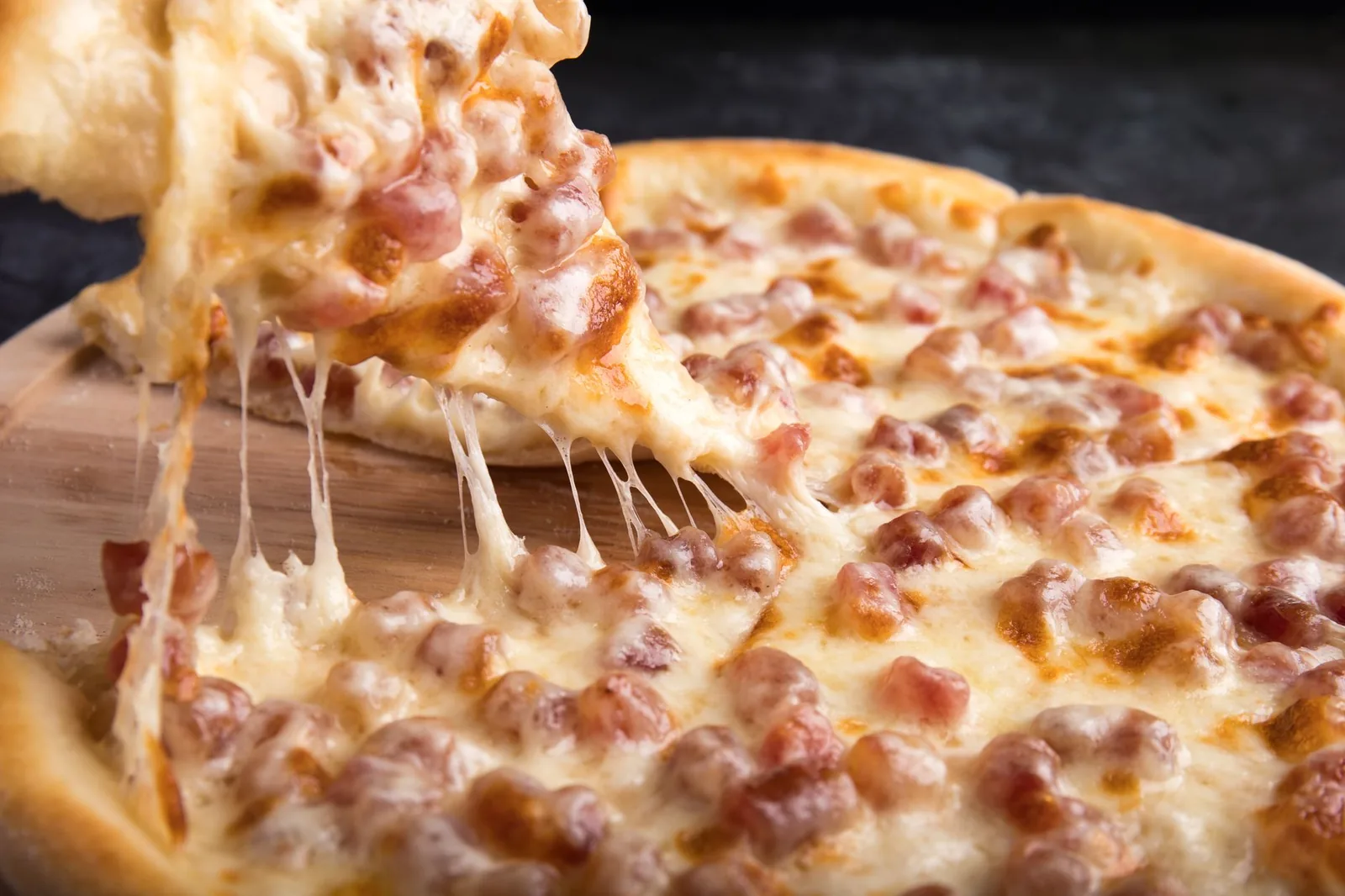
It also solves a second problem. The tip carries the most sauce and cheese and has the least crust supporting it — the worst possible distribution. The fold channels everything back toward the middle.
When a knife and fork is correct
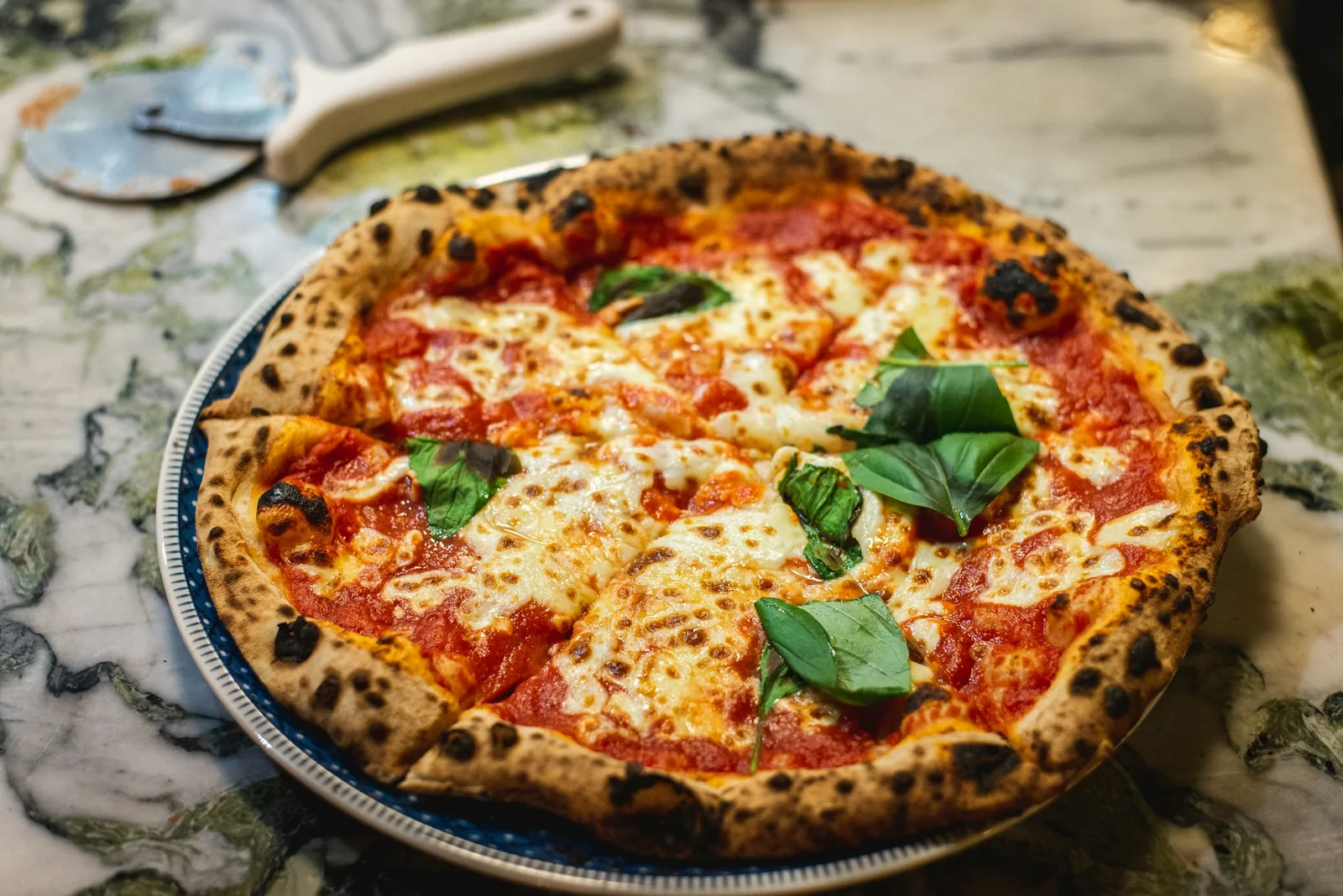
For a proper Neapolitan pizza, cutlery is not pretension — it is the only thing that works.
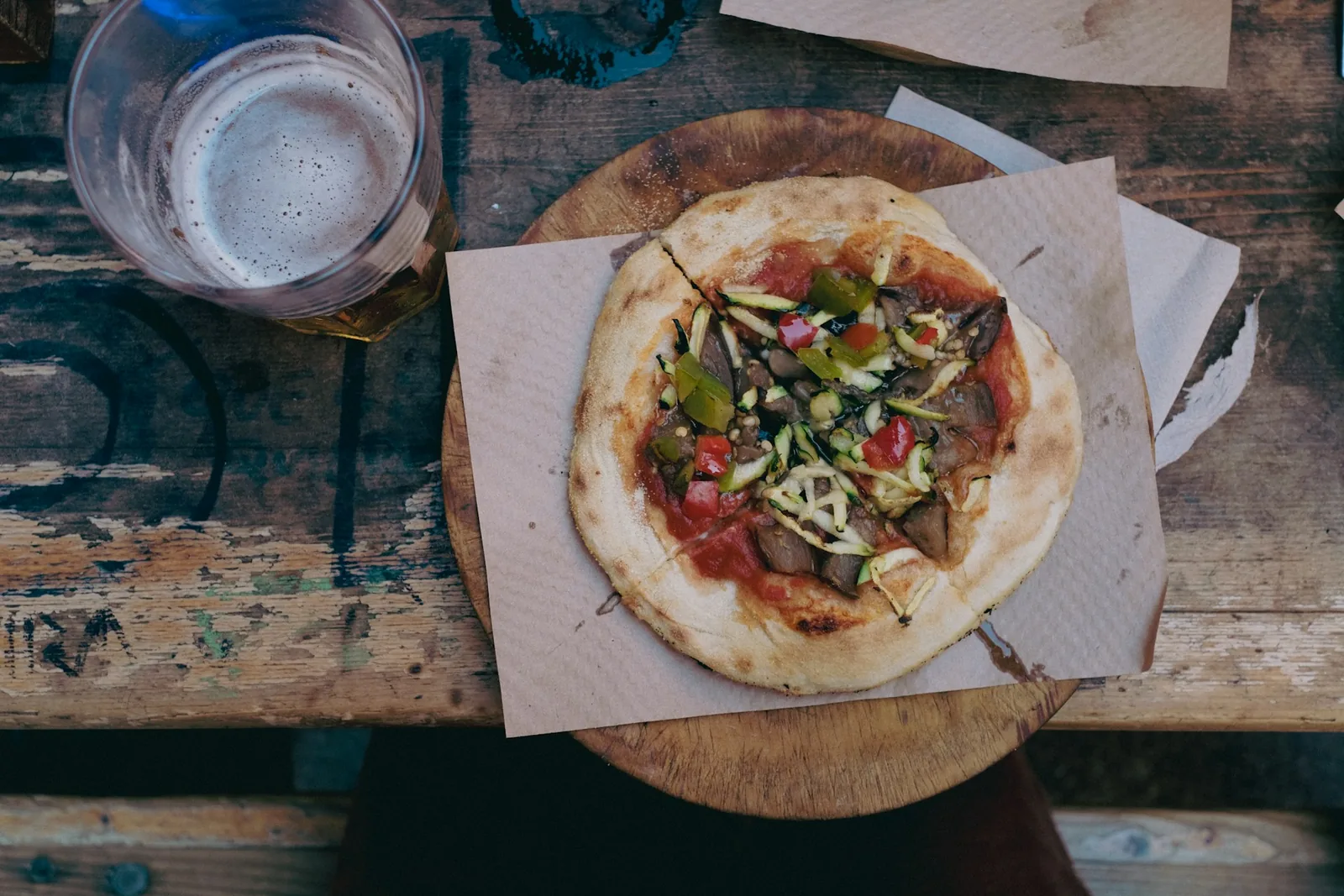
The centre is deliberately soft and wet. A slice will not support itself at all, folded or otherwise, which is why Neapolitan pizzas often arrive uncut and why you will see them eaten with a knife and fork in Naples.
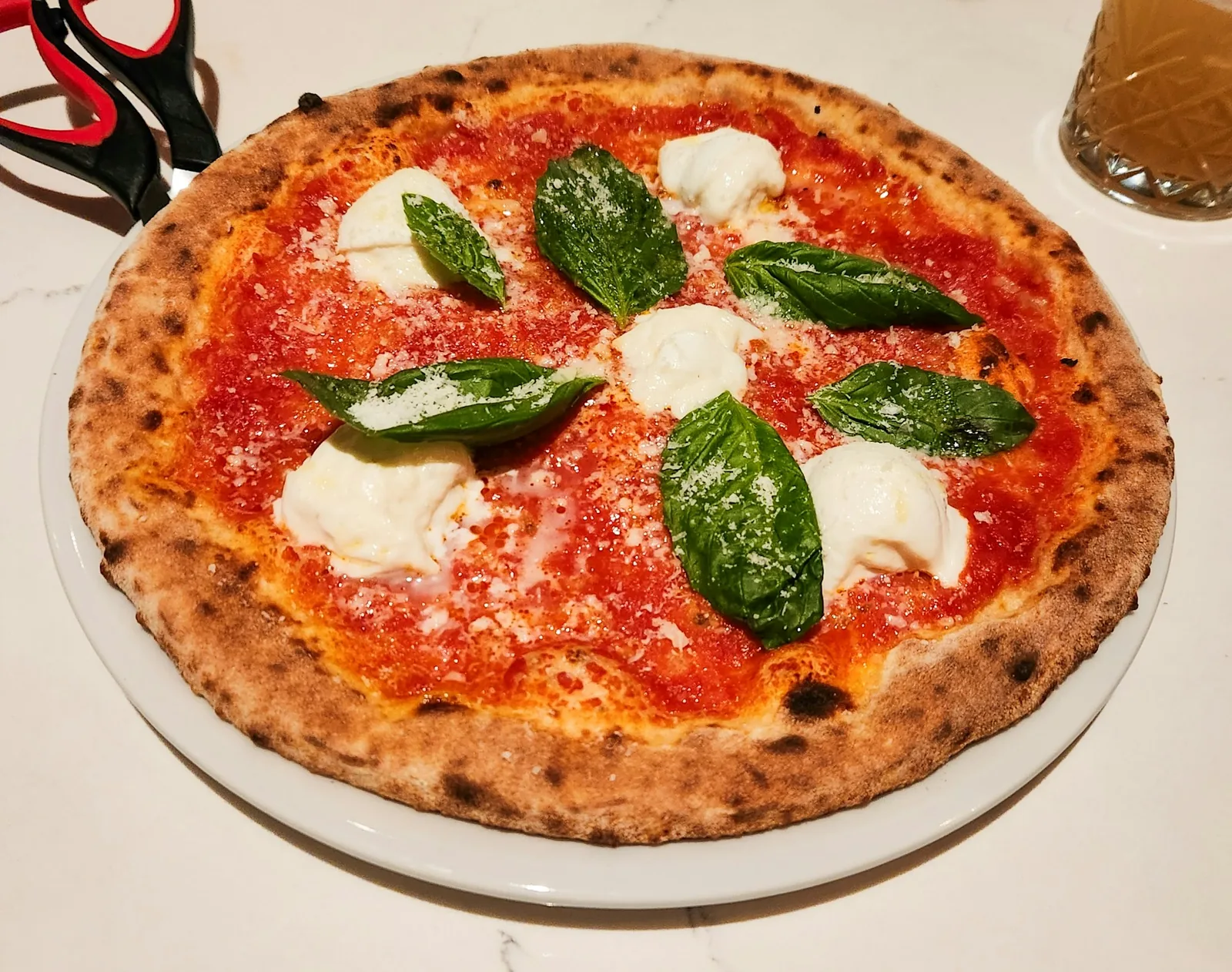
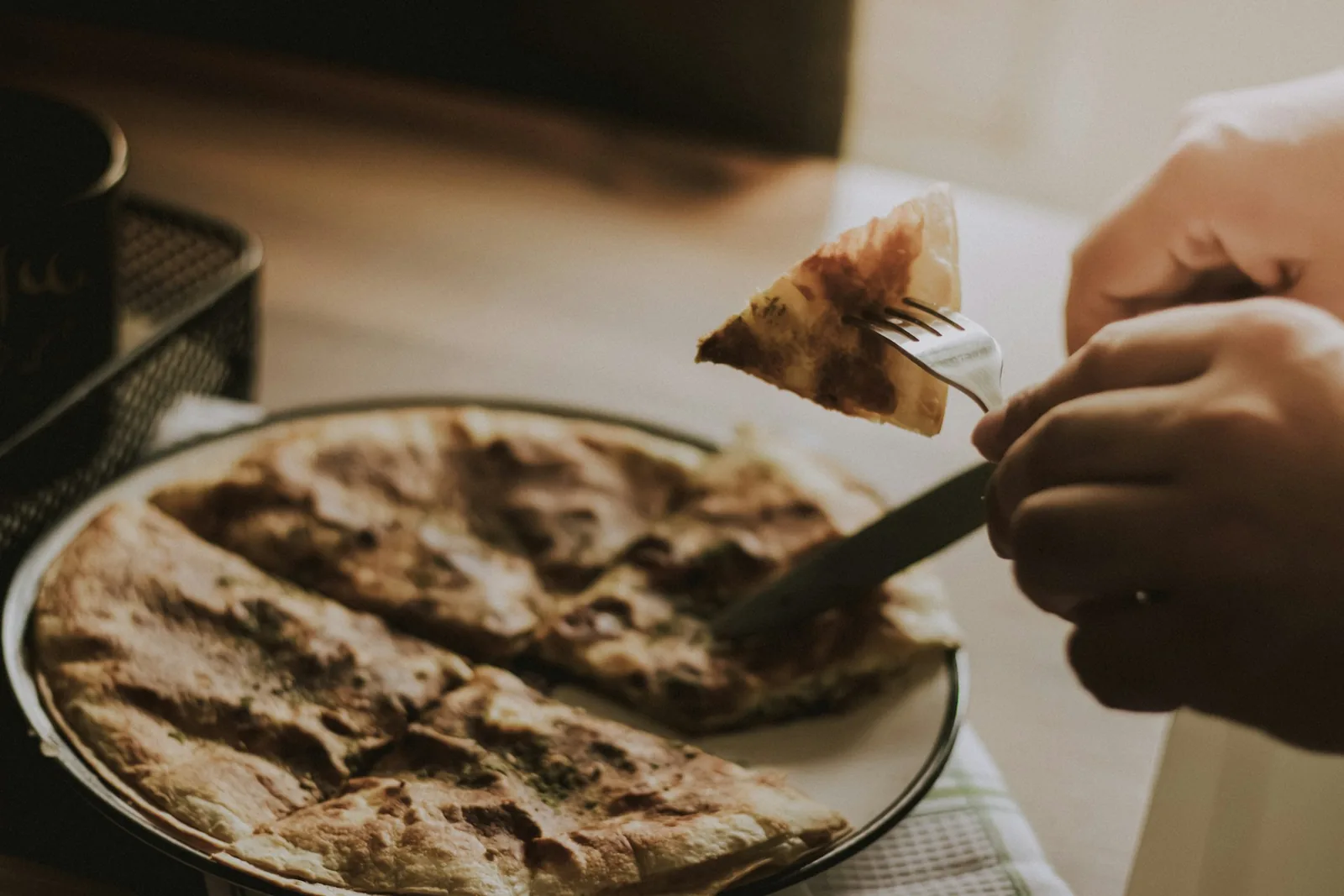
Cutlery also makes sense for a very hot pizza straight from the oven, for a deep pan slice too thick to bite through, and for anyone who would rather not have their hands covered. None of that requires justification.
Where to start
Tip first is the near-universal habit, and it is the right one.
The tip is the hottest, wettest and least structurally sound part of a slice. It is at its best immediately and declines fastest. Working inward means each bite is more robust than the last, and you finish on the rim, which is the sturdiest part.
Starting at the crust reverses that. You eat the dullest part while the interesting part cools, and you are left holding the piece most likely to collapse.
The rim is also where the seasoning problem lives, which is a separate argument for not saving it until last.
There is one situation where starting at the crust makes sense: a slice too hot to eat. The rim cools first and has no molten cheese on it, so it gives the middle a minute to become approachable. That is a workaround rather than a method, though – the better answer is simply to wait.
Heat is the thing people get wrong
A pizza straight from a deck oven is hotter than almost anything else served without a warning, and melted cheese is the worst of it.
Cheese holds heat far longer than the crust or the toppings, and because it is sticky it does not fall away when it touches you. That combination is why a mouthful of fresh pizza can burn in a way that a hot drink does not — the heat stays in contact.
Two or three minutes on a plate solves it entirely, and costs nothing but patience. The pizza is also better at that point: the cheese has set enough to stay on the slice rather than sliding, and the base has firmed as steam escapes.
The one genuine exception is a Neapolitan pizza, which is meant to be eaten immediately and does deteriorate while you wait. Everything else improves in the first few minutes.
Eating with other people
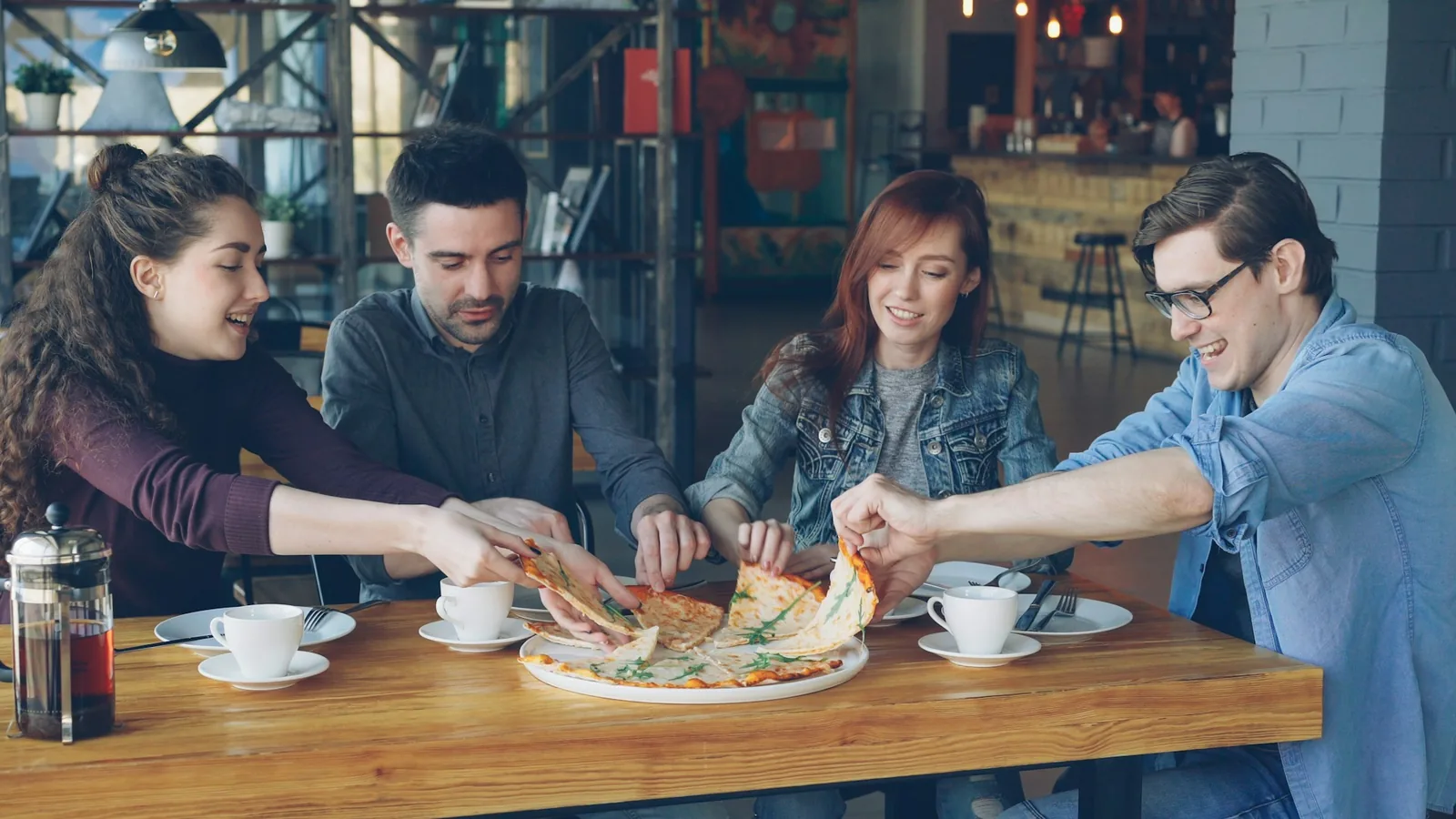
A few things that make a shared table work better, none of them etiquette rules.
- Take from the nearest slice. Reaching across disturbs the pie and drops toppings.
- Take one at a time. Stacking two slices on a plate makes the lower one soggy before you reach it.
- Let it sit a minute. Cheese straight from the oven burns, and it is the thing that sticks.
- Plates matter more than you think. A slice put down on a table picks up whatever is there.
Pizza Questions, Answered.
Why do people fold New York pizza?
Because folding makes the slice rigid. A wide, thin slice cannot support its own tip flat; curving it along one axis stiffens the whole cross-section.
Is it wrong to eat pizza with a knife and fork?
No, and for some styles it is the only practical option. A Neapolitan pizza has a soft centre that will not hold together in the hand.
Should you eat pizza from the tip or the crust?
The tip. It is the hottest and least structurally sound part, so it is best immediately, and working inward finishes on the sturdiest section.
Why does the tip of my slice droop?
Too much moisture on a base that is thinnest where the weight is greatest. Fold it, or order it well done so the base is firmer.
The short version
Fold a wide thin slice, use cutlery on a soft Neapolitan one, start at the tip, take one slice at a time. None of it is etiquette; all of it is how the pizza is built.
The Ray’s menu is open daily 10:30am to 9:00pm.
Ray’s Pizza Team
Ray’s Pizza & Sub Shop is a neighborhood pizzeria at 95 Woodstown Rd, Swedesboro, New Jersey, serving pizza, stromboli, hot and cold subs and dinners seven days a week from 10:30am to 9:00pm. These guides are written by the people behind the counter.
Visit Ray’sMore From Ray’s