Why Pasta Shape Matters
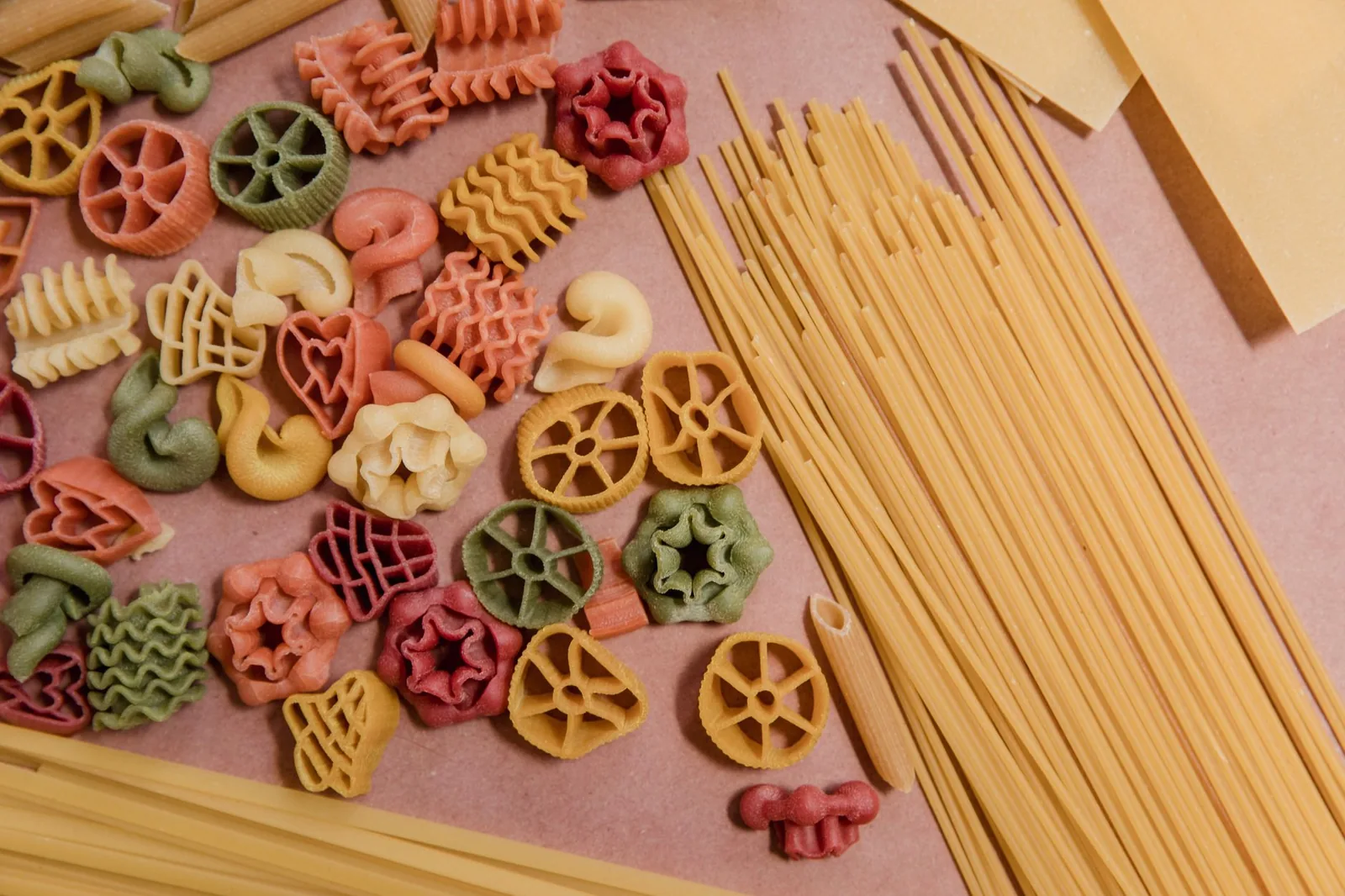
Shape decides how much sauce each piece carries and where it carries it. That is the whole principle, and it explains every shape on a menu.
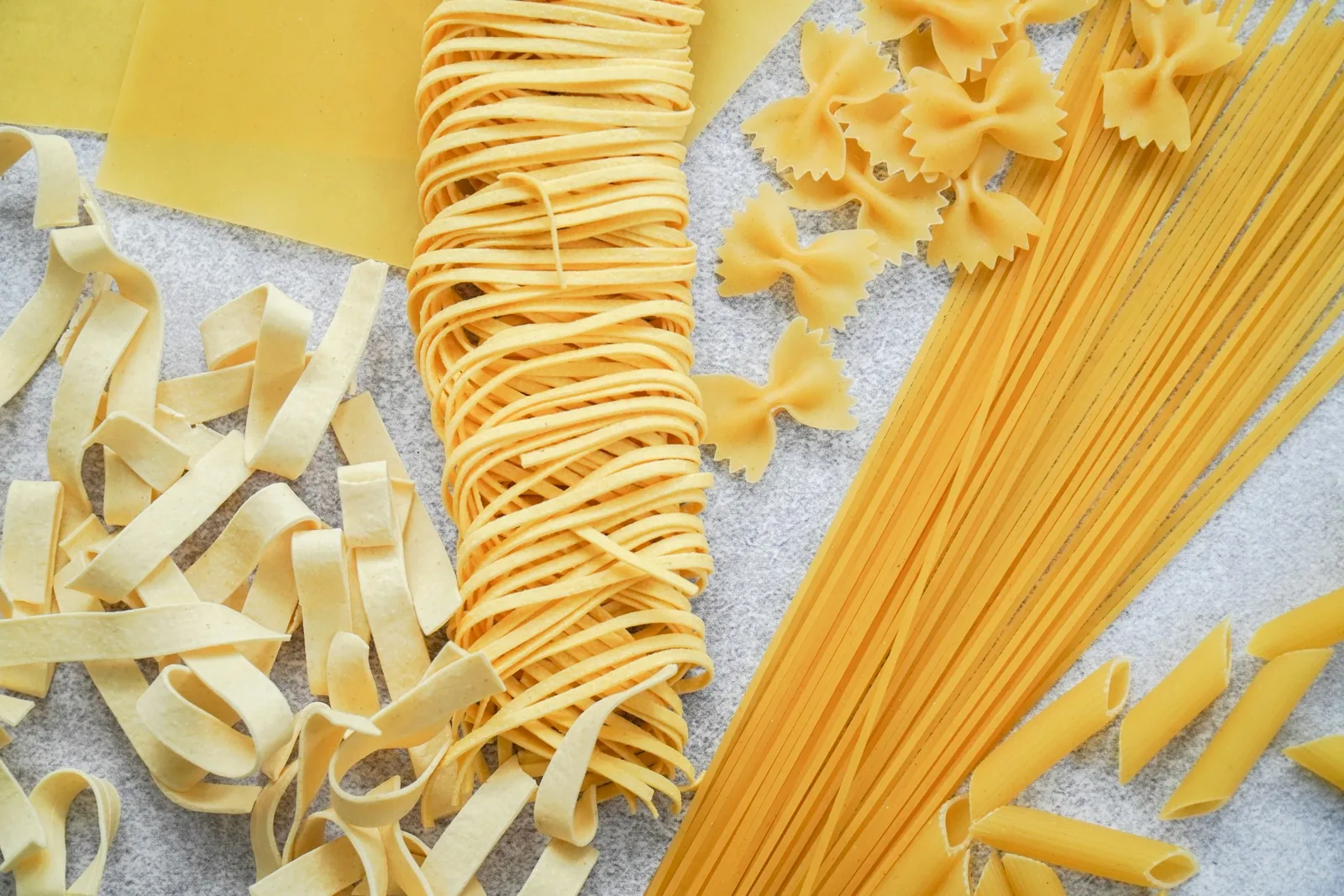
There is one rule underneath all of it: a shape is designed to hold a particular kind of sauce. Thin sauces need surface area. Chunky sauces need somewhere for the chunks to sit.
Everything else — ridges, twists, hollows, curls — is a variation on getting sauce and pasta into the same mouthful.
| Shape | Holds | Suits |
|---|---|---|
| Long strands | A thin coating | Oil, light tomato, egg |
| Tubes | Sauce inside and out | Chunky, meaty sauces |
| Shells | Pools of sauce | Filling, or thick sauce |
| Small shapes | Very little | Soups and broths |
| Filled | Its own filling | A light dressing only |
Surface, not size
Sauce clings to surface. A shape with more surface per mouthful carries more sauce, and a shape with hollows and ridges carries more still because it traps rather than merely coats.
That is why a ridged tube tastes saucier than a smooth one of the same size, and why a thin sauce on a large smooth shape tastes underdressed however much you add — the sauce simply runs off.
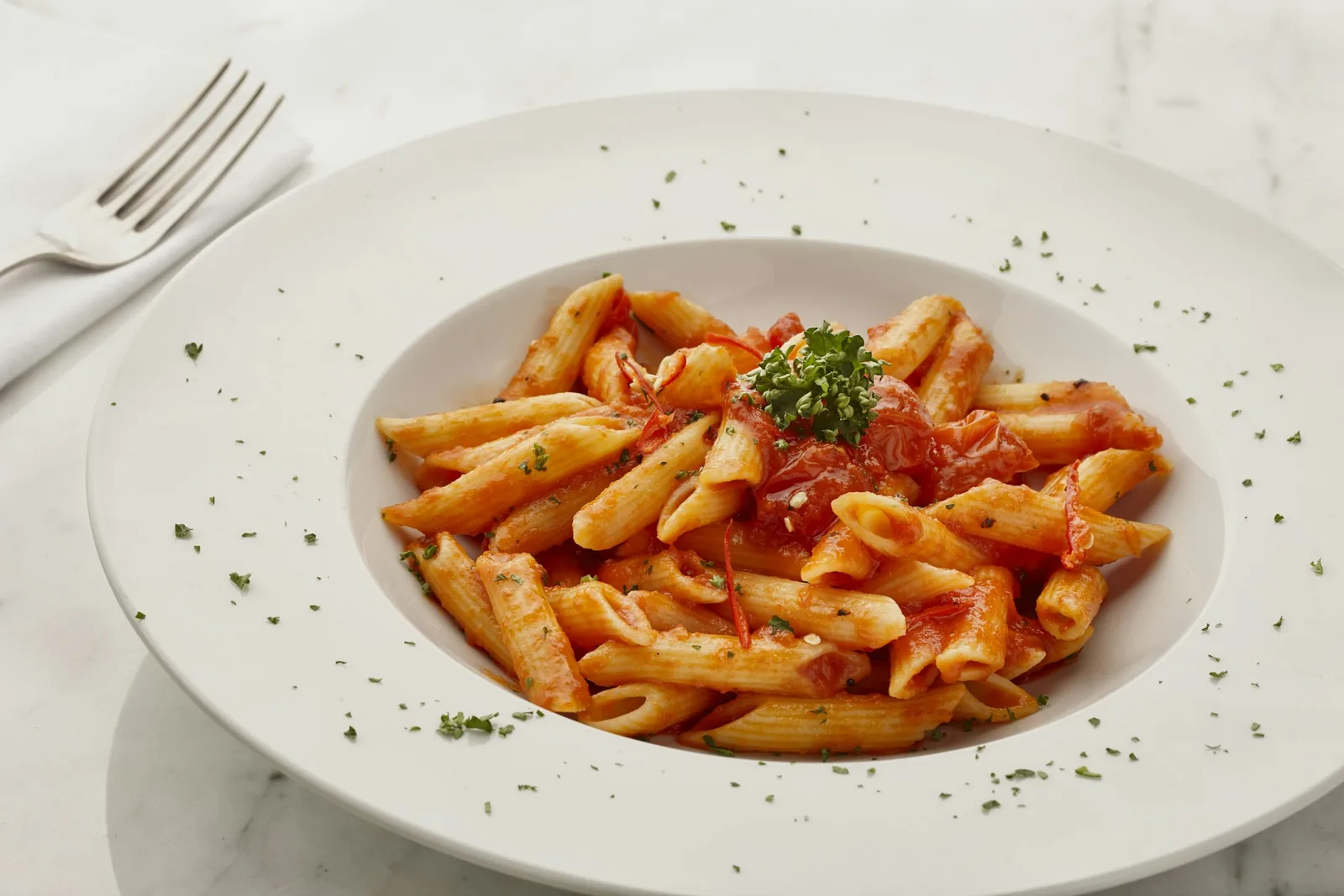
Long shapes
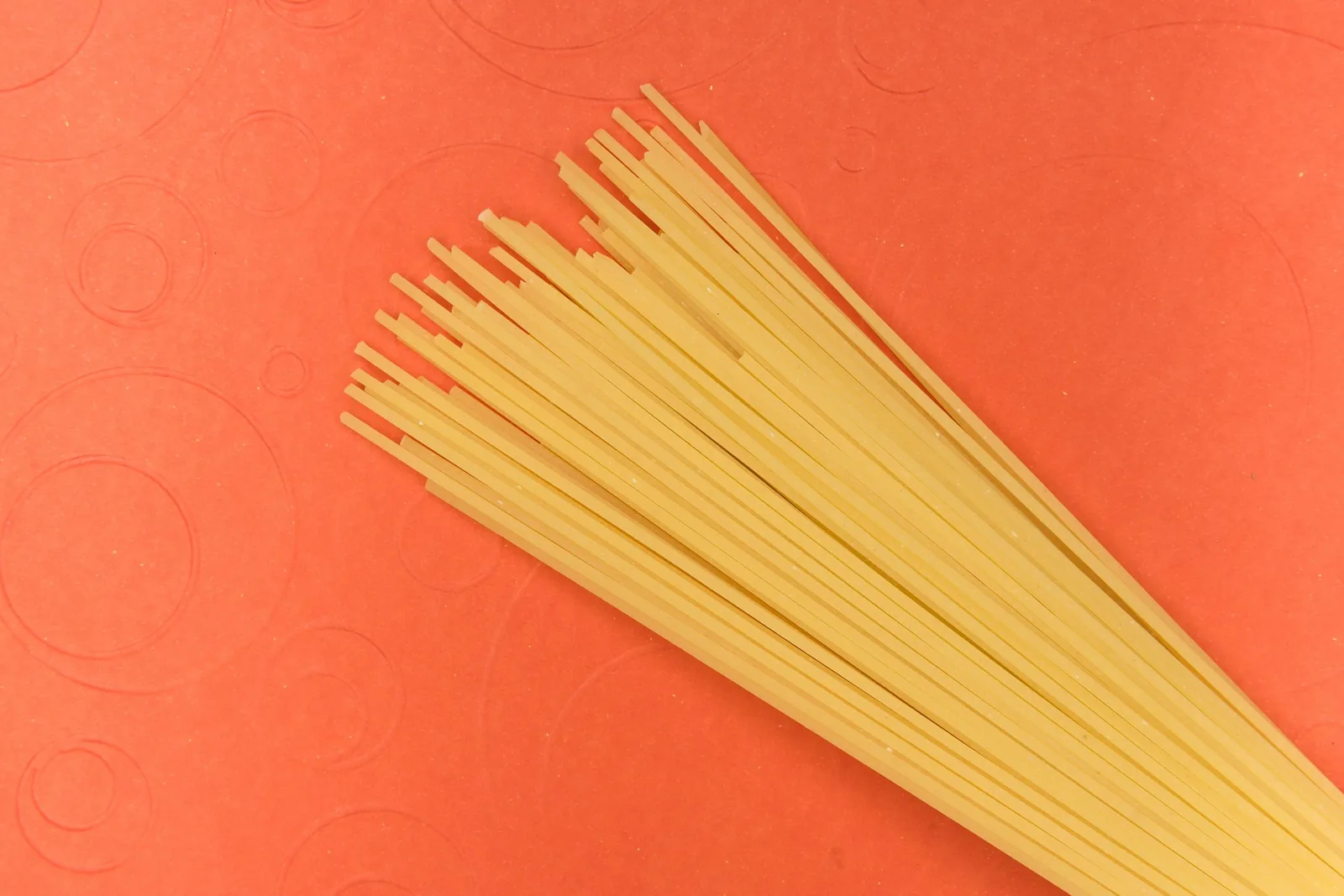
Spaghetti, linguine, fettuccine. They present a lot of surface and no hollows, so they suit sauces that coat evenly and stay put.
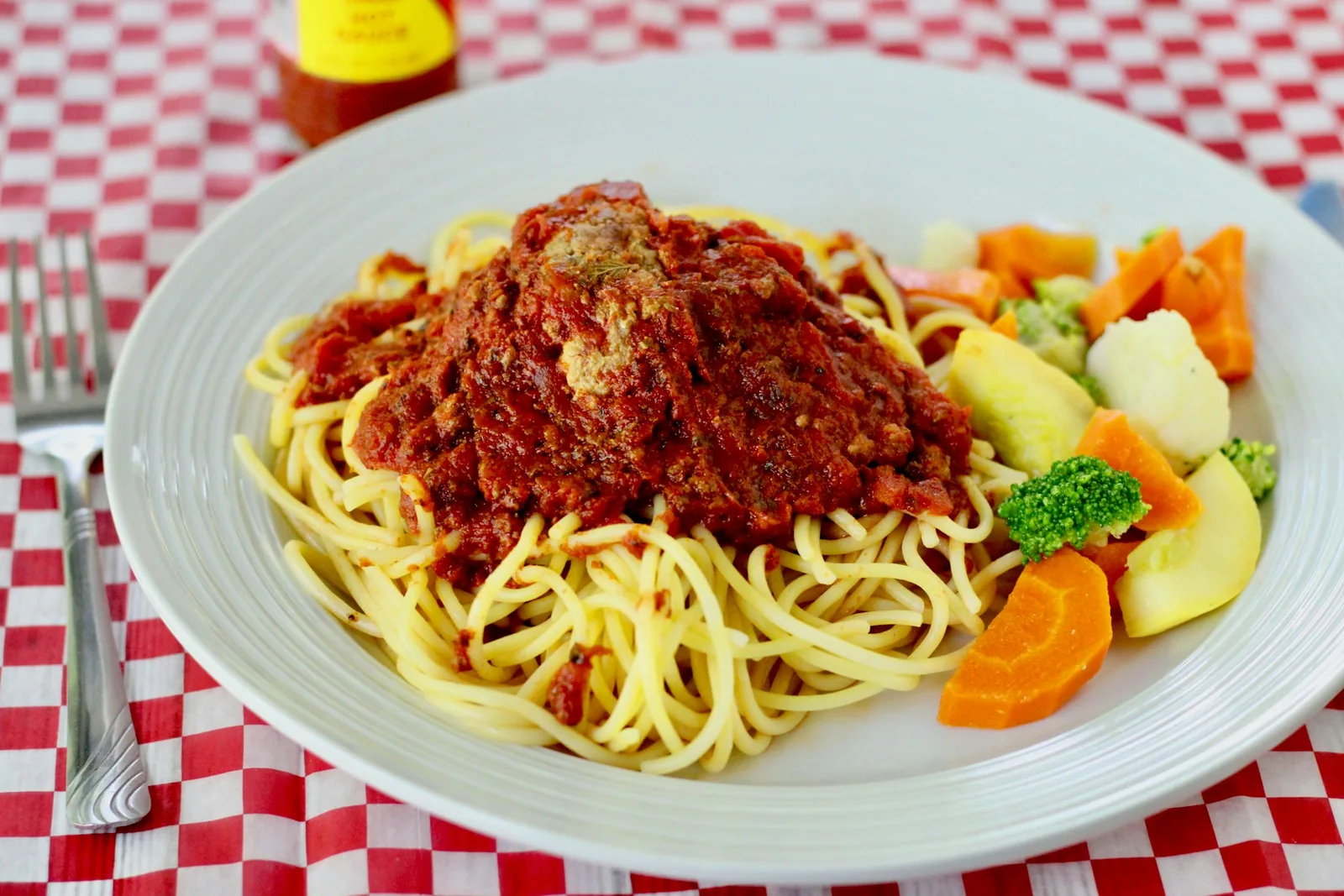
They are poor with chunky sauces, and the reason is mechanical: strands twirl, and anything that will not twirl with them gets left at the bottom of the bowl. That is why a properly made meat sauce for spaghetti is ground fine rather than chunked.
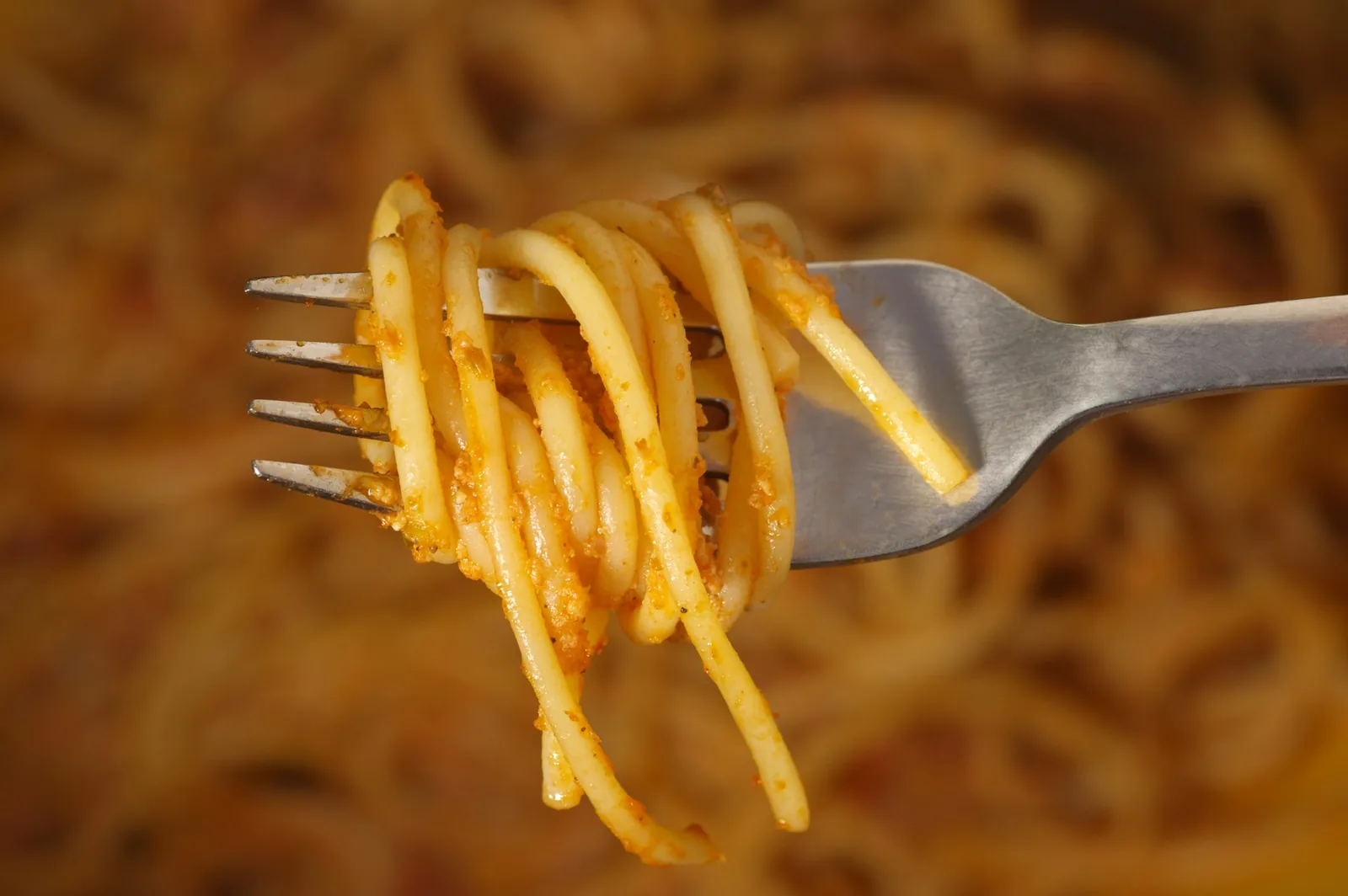
Which raises the meatball question. A meatball does not twirl with spaghetti, which is why in Italy the two are rarely served together and why in America they are. It is not incorrect — it is just a different dish with a different logic, which our guide to meatballs gets into.
Tubes
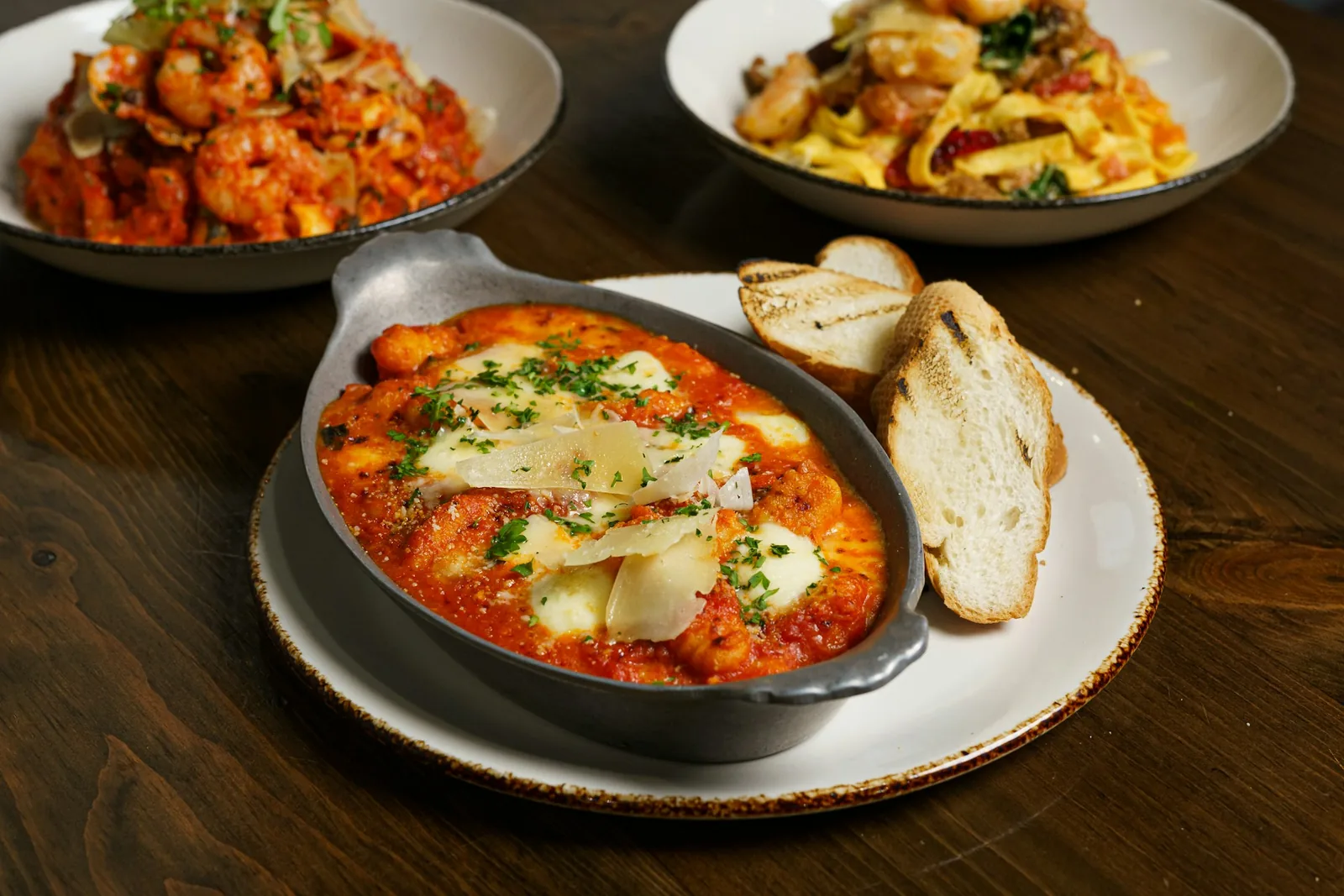
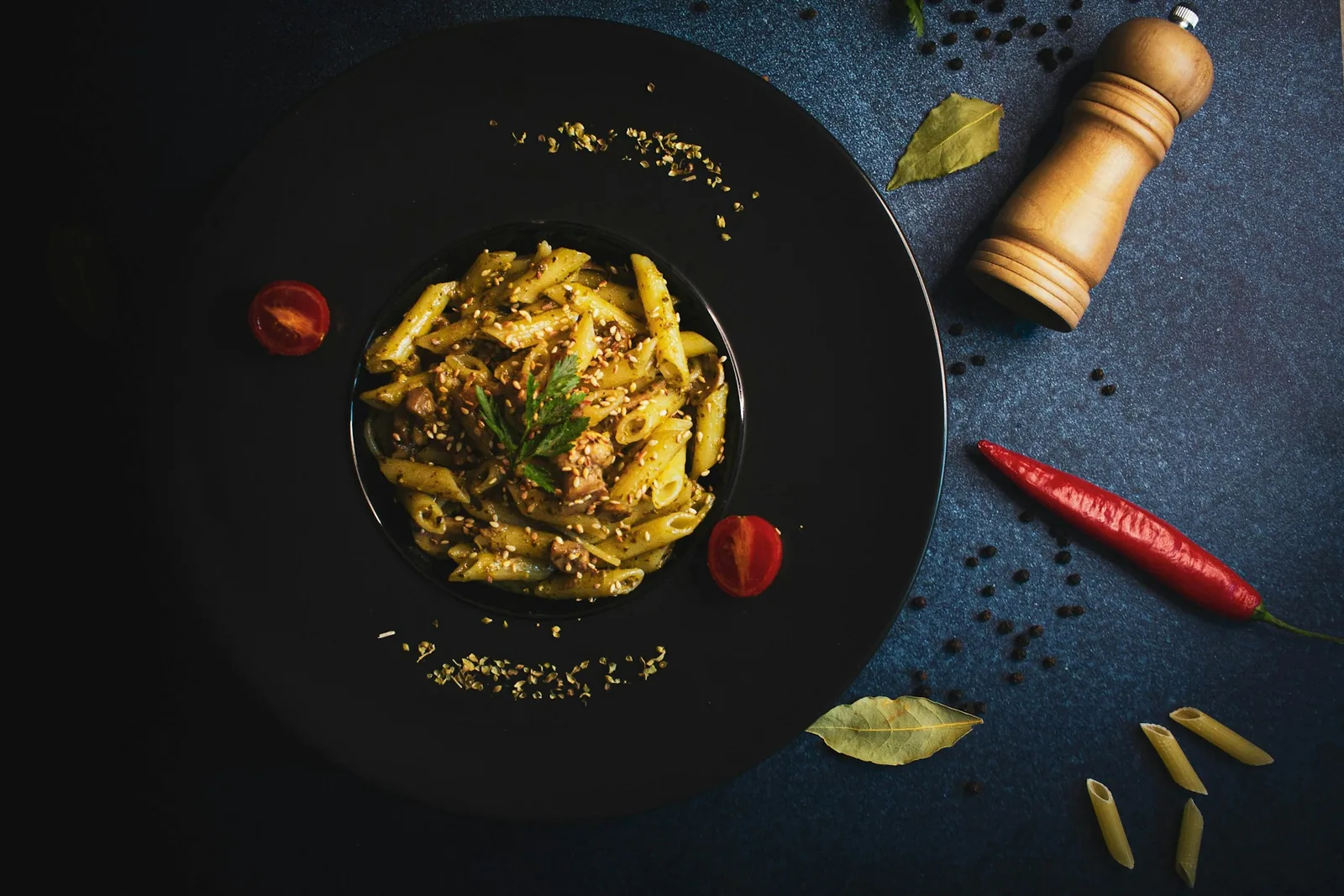
Ziti, penne, rigatoni. The defining feature is that they hold sauce inside as well as outside, which roughly doubles what each piece carries.
That makes them the right choice for anything chunky, meaty or substantial. It also makes them the natural choice for baking, because the interiors hold sauce and cheese through a long time in the oven.
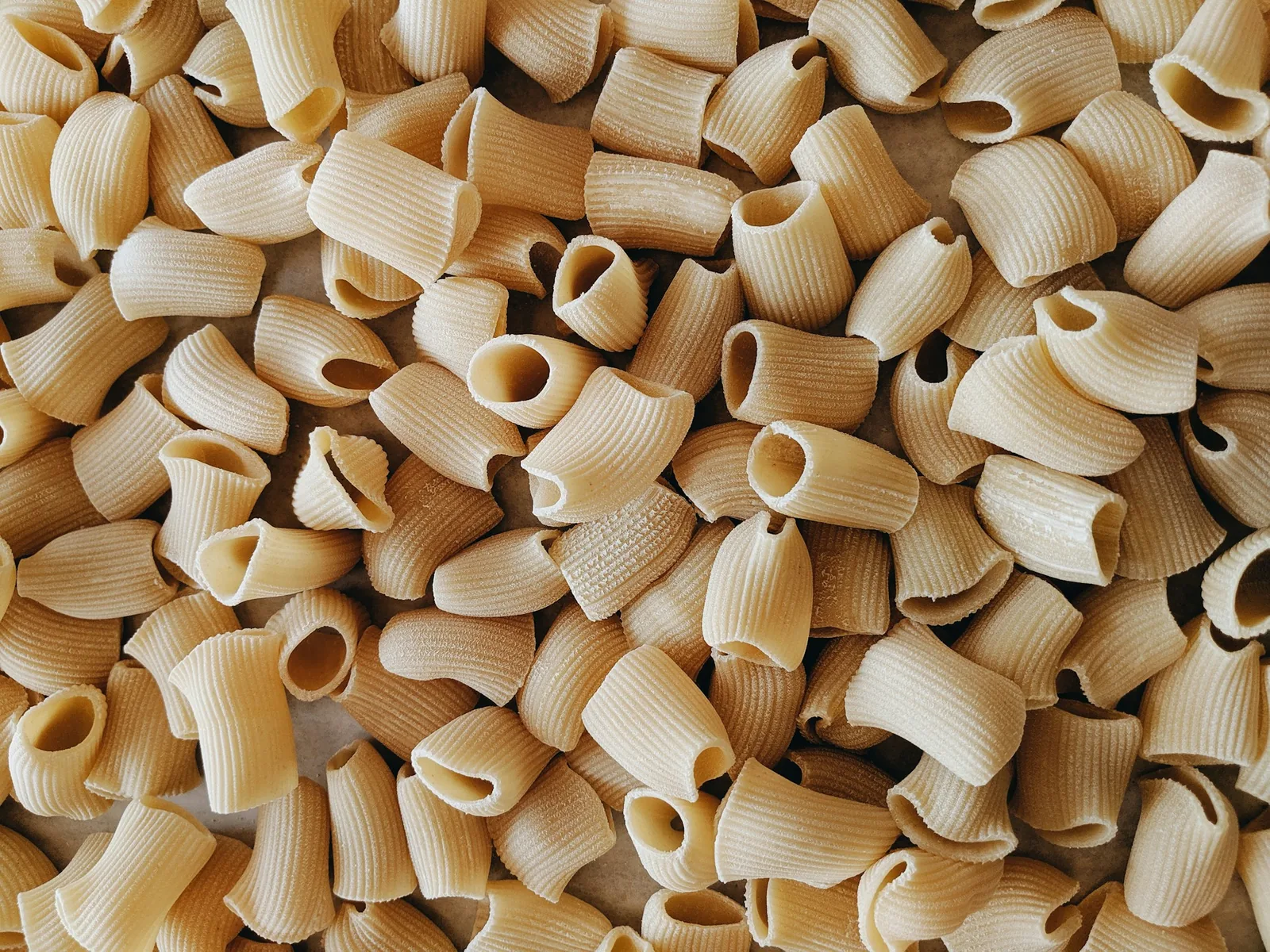
Ziti and penne are nearly the same thing. Penne is cut on a diagonal and often ridged; ziti is cut straight across and traditionally smooth. On a plate the difference is marginal, which is why menus use them almost interchangeably.
Shells and filled shapes
Shells work by pooling. The curve catches sauce and holds it, so each shell arrives with a little reservoir rather than a coating.
Large shells get filled instead, which changes the job entirely: the pasta is now a container, and the sauce is only there to dress the outside.
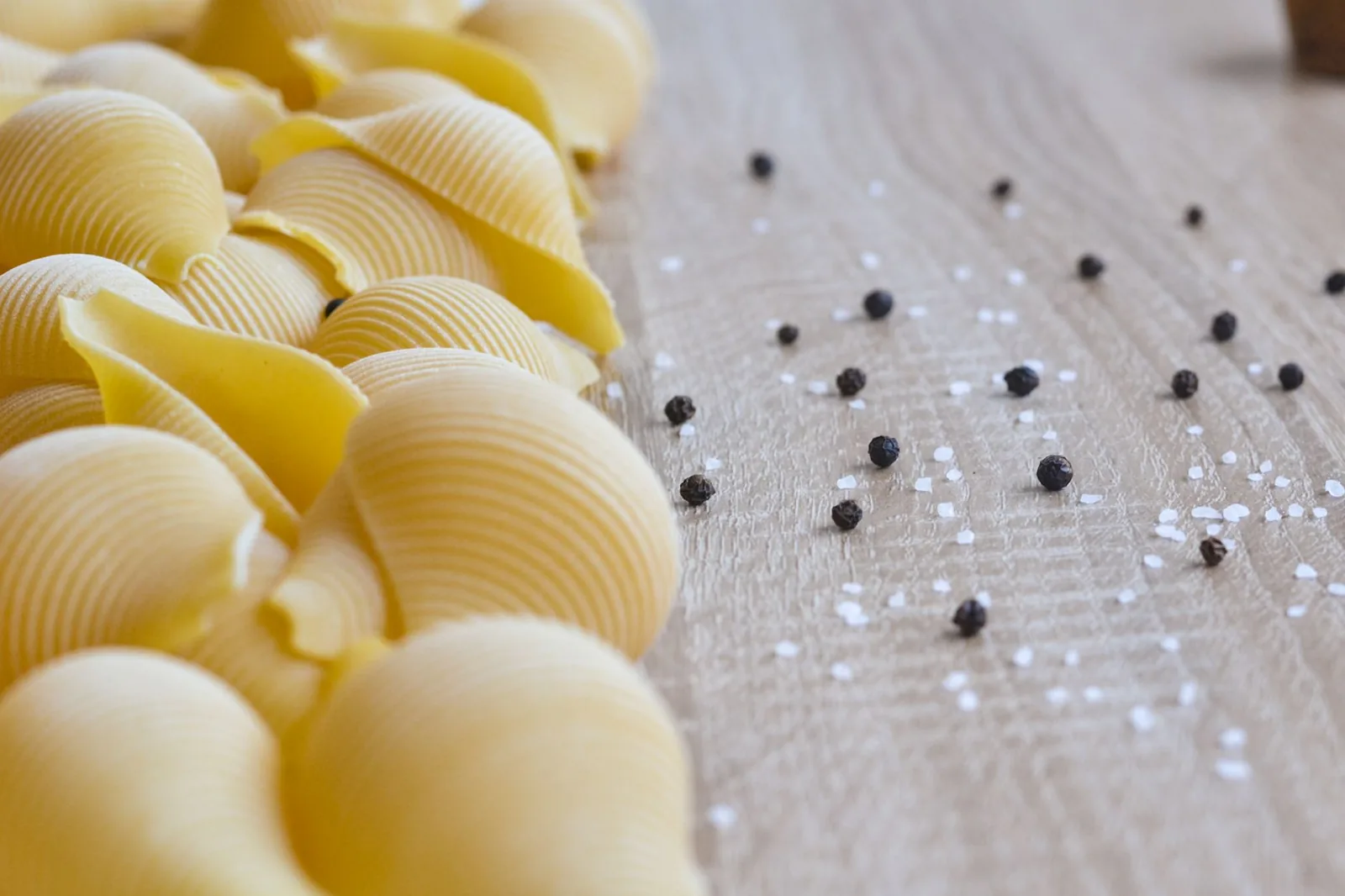
Filled shapes generally follow the same rule. A ravioli is already carrying its flavour inside, so it wants a light dressing rather than a heavy sauce competing with it. Our guide to ravioli, shells and ziti covers how that plays out as finished dishes.
Baked or plated
This is the practical fork, and it follows directly from shape.
Baked dishes want tubes or large shells. They hold their structure through a long bake, they hold sauce inside, and they portion cleanly with a spoon.
Plated dishes want long shapes or filled shapes. They are dressed and served immediately, they do not need to survive an oven, and the sauce is applied rather than absorbed.
Put spaghetti in a baking dish and it turns to a solid mat. Put ziti on a plate with a light oil dressing and it tastes underdressed. Neither is a bad pasta; both are the wrong shape for the job.
Why the water matters as much as the shape
One thing undoes all of this, and it happens after the shape has been chosen.
Pasta releases starch into its cooking water. That starchy water is what makes a sauce cling to the pasta rather than sitting beside it — a spoonful of it stirred in at the end emulsifies the sauce and pulls it onto every surface the shape provides.
Drain the pasta thoroughly, rinse it, and put sauce on top, and you have undone the shape entirely. The ridges and hollows are still there; nothing is sticking to them.
This is why restaurant pasta tastes coated and home pasta often tastes sauced-on-top. It is not the sauce and not the shape. It is that the two were never brought together properly in the pan.
What to order
- Something long if the sauce is smooth — tomato, oil, or a finely ground meat sauce.
- Tubes if it is chunky, meaty, or baked. Ray’s lists Ziti & Meatballs among its dinners.
- Filled if you want the flavour inside rather than on top, and expect a lighter sauce with it.
Pizza Questions, Answered.
Does pasta shape actually matter?
Yes, mechanically. Shape determines how much sauce each piece carries and whether chunky ingredients travel with it or get left in the bowl.
What is the difference between ziti and penne?
Very little. Penne is cut on a diagonal and often ridged; ziti is cut straight and traditionally smooth. They are used interchangeably on most menus.
Why is spaghetti and meatballs unusual in Italy?
Meatballs do not twirl with strands, so the two do not combine well on a fork. The American version is its own dish rather than a mistake.
Which pasta is best for baking?
Tubes and large shells. They hold their structure through a long bake and carry sauce inside as well as out.
The short version
Surface and hollows decide how much sauce a shape carries. Long for smooth sauces, tubes for chunky and baked, filled for when the flavour is already inside.
The Ray’s menu lists dinners with bread and butter included, open daily 10:30am to 9:00pm.
Ray’s Pizza Team
Ray’s Pizza & Sub Shop is a neighborhood pizzeria at 95 Woodstown Rd, Swedesboro, New Jersey, serving pizza, stromboli, hot and cold subs and dinners seven days a week from 10:30am to 9:00pm. These guides are written by the people behind the counter.
Visit Ray’sMore From Ray’s