Wraps, Explained
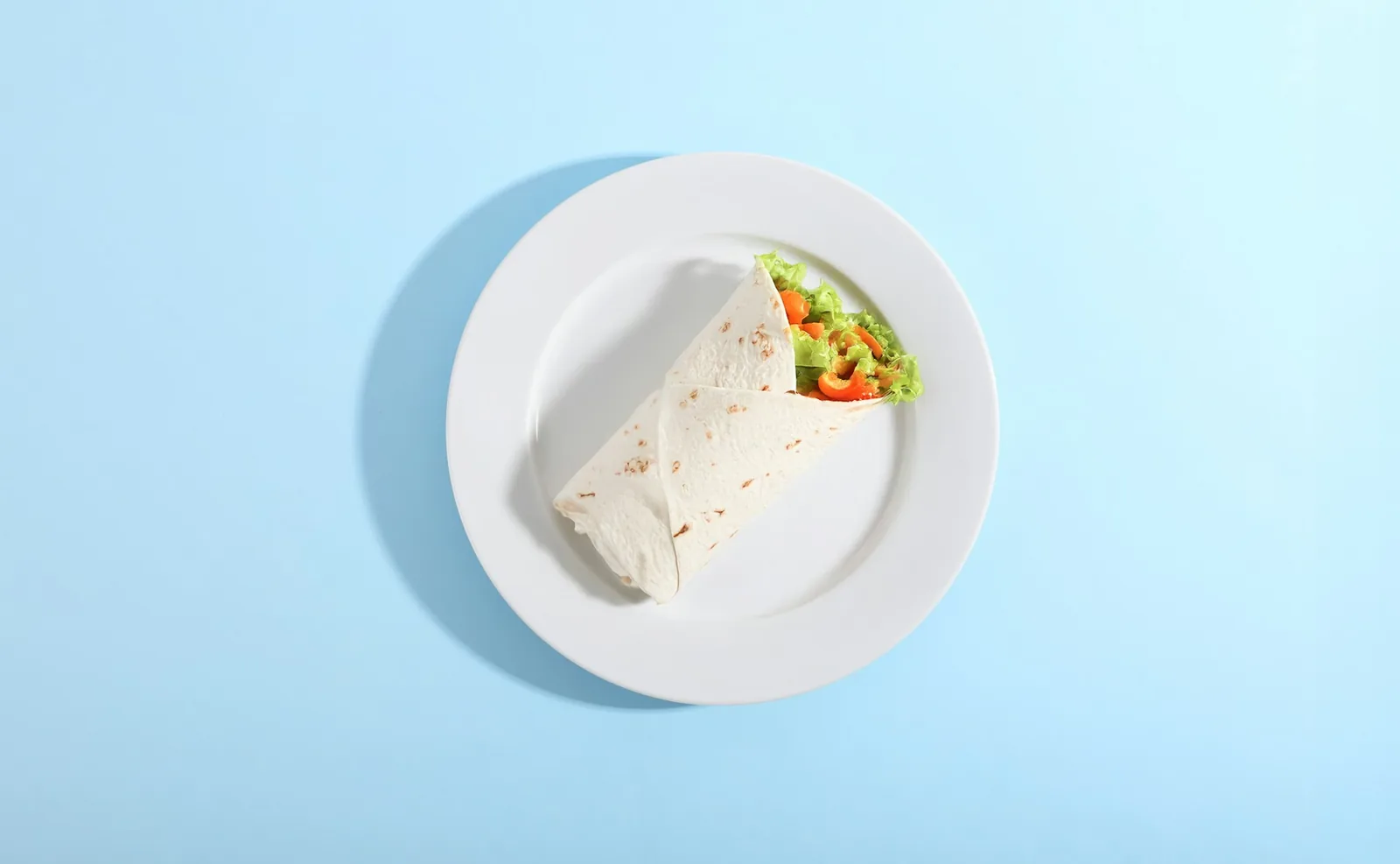
A wrap is the same filling with the bread ratio inverted. That single change explains what it does better, what it does worse, and why it falls apart when it does.
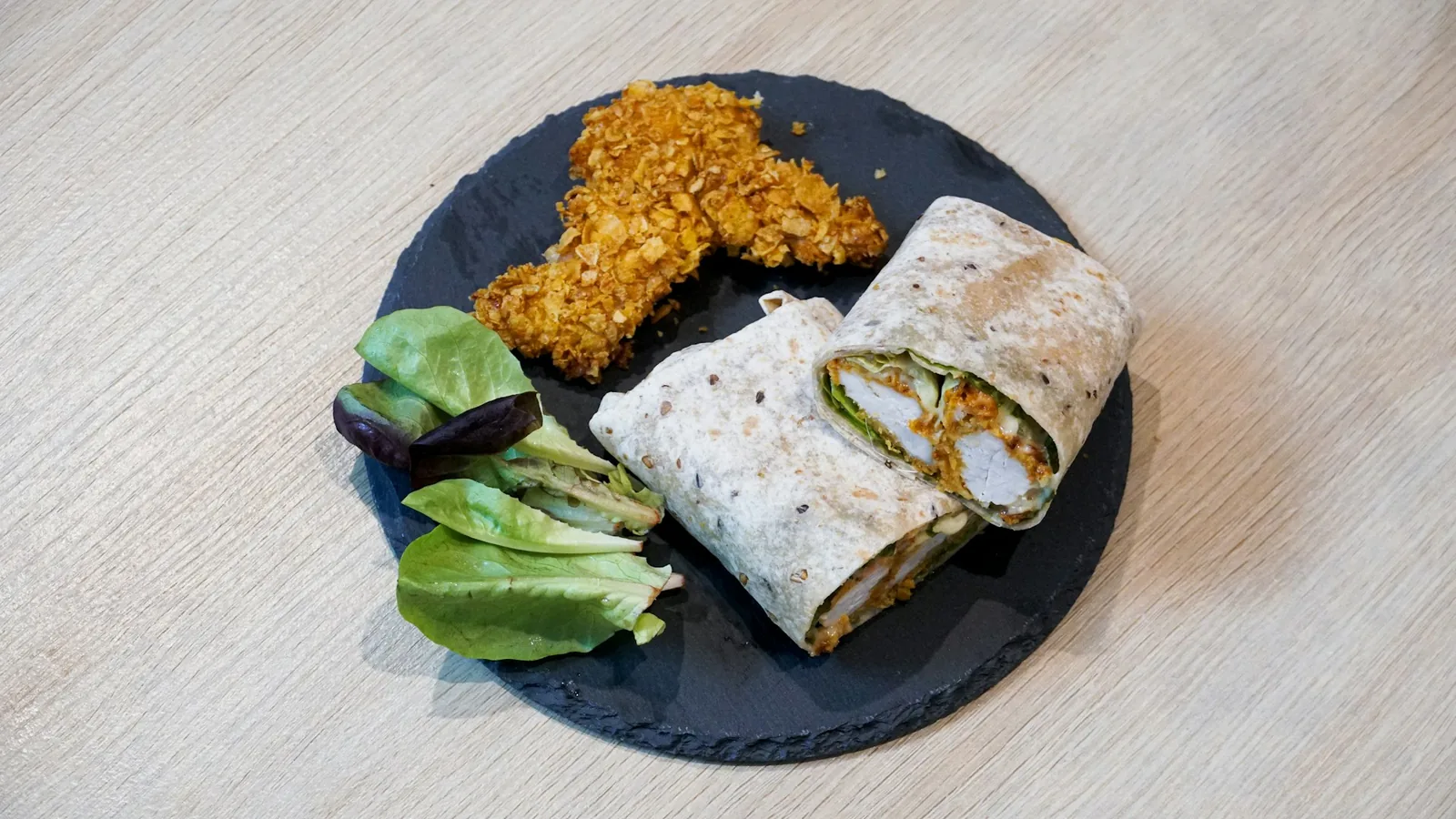
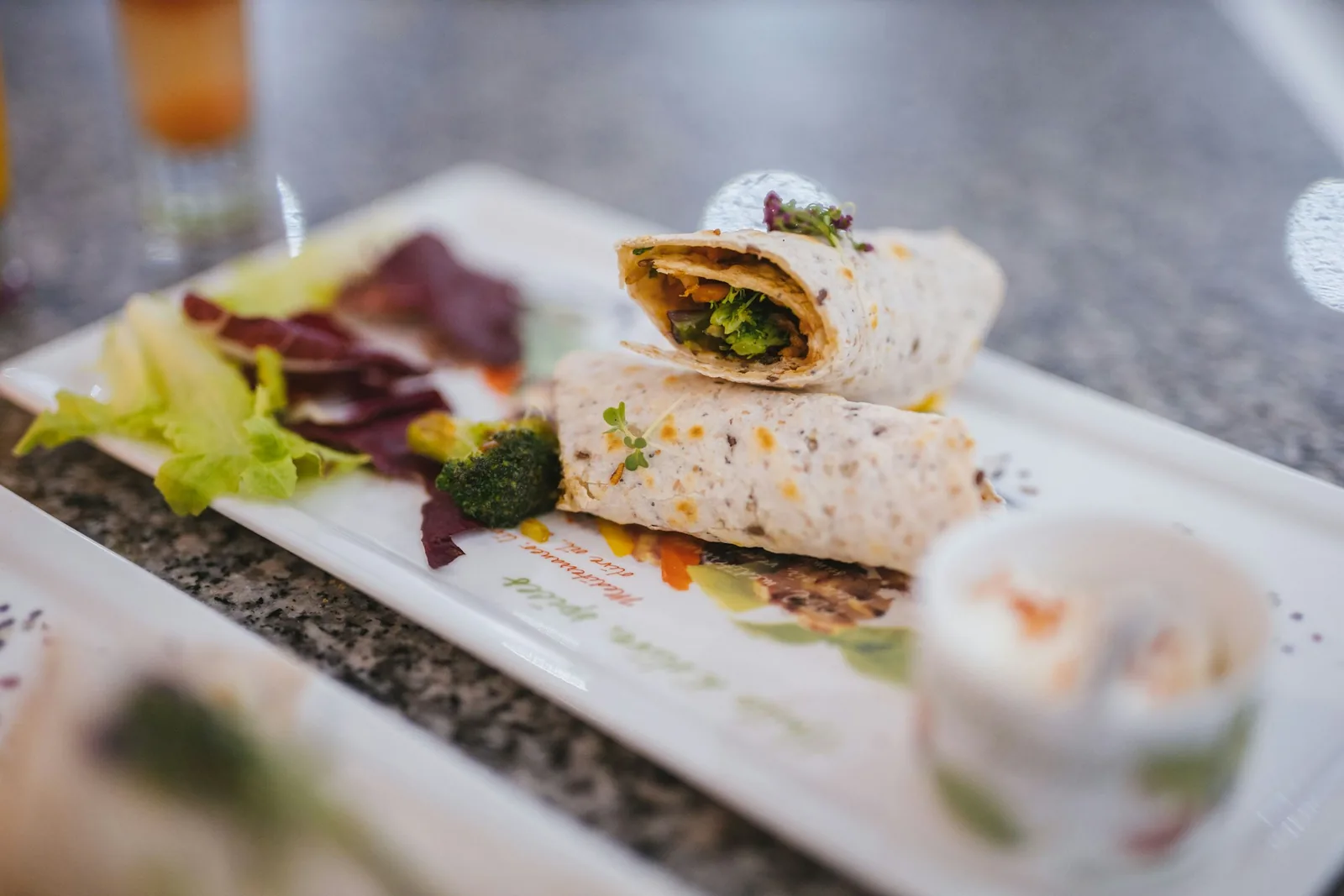
A wrap and a sandwich can contain identical fillings. What changes is the bread: a thin flatbread rolled around the outside instead of a substantial roll holding things between two faces.
That is not a small difference. It changes the ratio of filling to bread, how the flavours arrive, how long it holds together and what fillings make sense inside it.
| Wrap | Sub or roll | |
|---|---|---|
| Bread | Thin, all around | Thick, above and below |
| Bread ratio | Low | High |
| First taste | Filling | Bread, then filling |
| Holds hot filling | Poorly | Well |
| Fails by | Tearing or unrolling | Soaking through |
The bread ratio is the difference
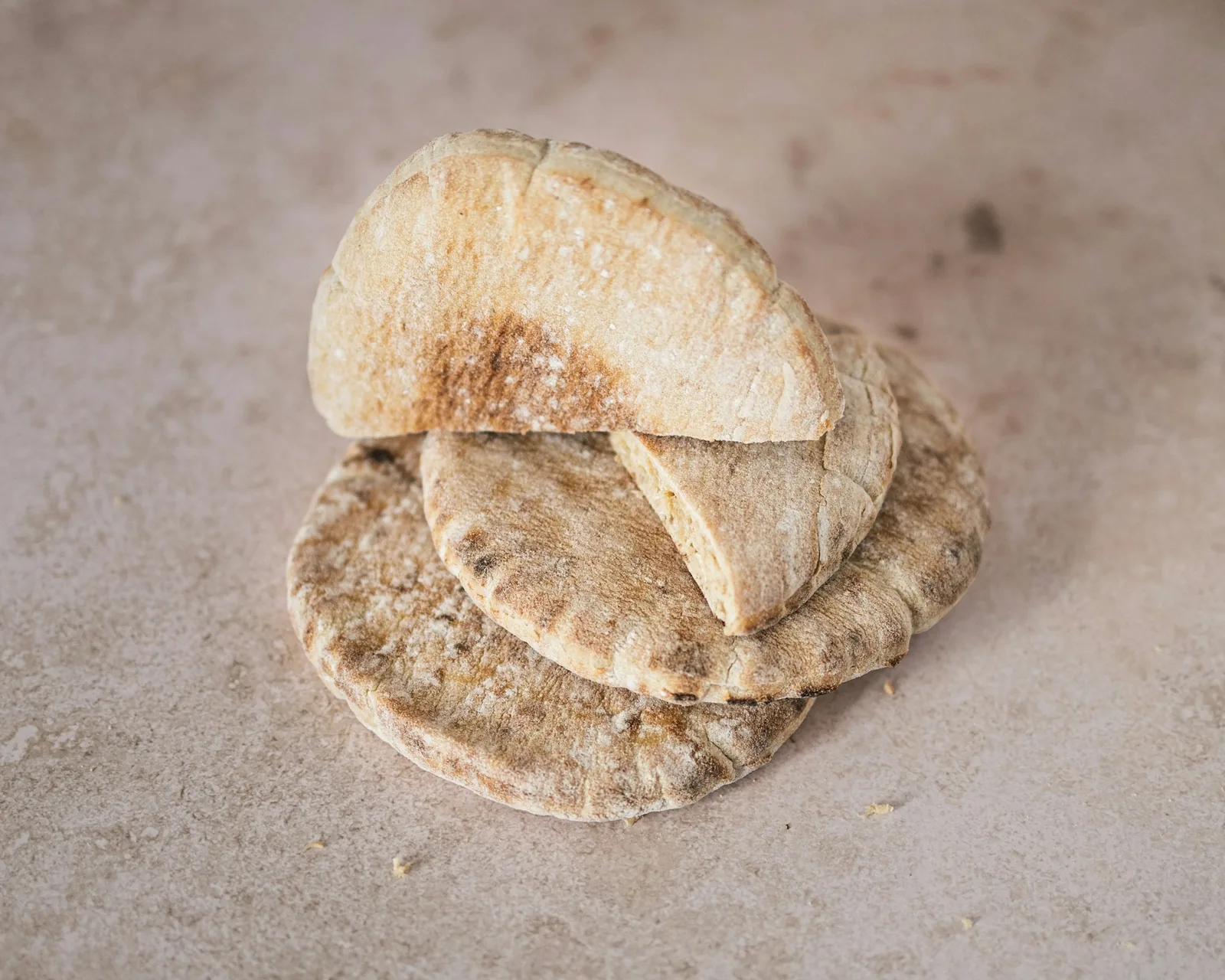
A long roll is a substantial amount of bread. It contributes chew, its own flavour and a good deal of the bulk — on many subs the bread is most of what you are eating.
A flatbread is thin and comparatively neutral. Rolled around a filling it contributes structure and very little else, so the filling arrives first and dominates.
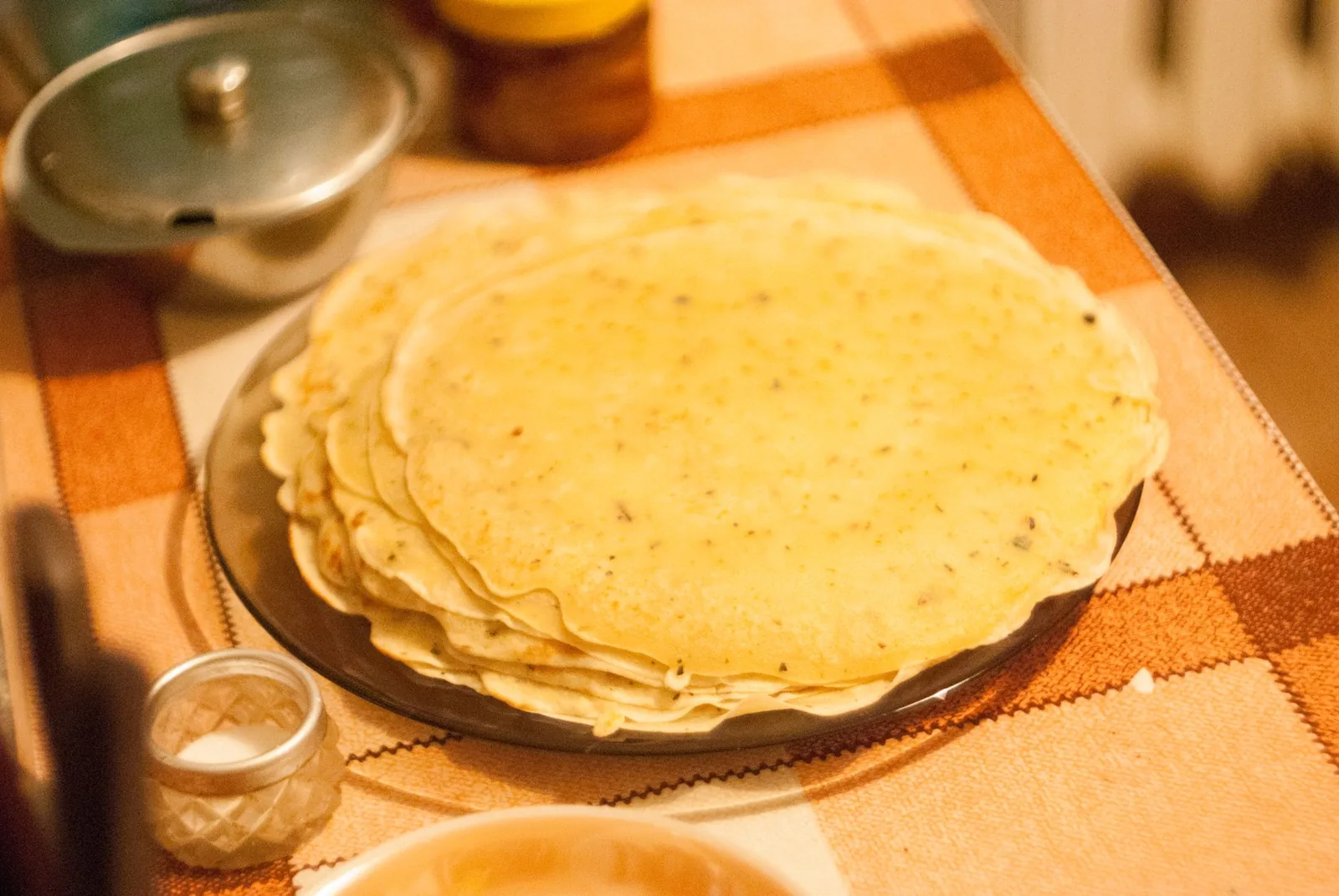
That is the whole trade. Choose a wrap when you want to taste the filling; choose a roll when the bread is part of the appeal, which for a good long roll it genuinely is.
Why they fall apart
Almost always for one reason: overfilling toward the edges.
A wrap is held together by overlapping layers of flatbread pressed against each other. That overlap needs a clear margin at each end and along the seam. Fill right to the edges and there is nothing left to overlap, so the ends open and the seam unrolls.
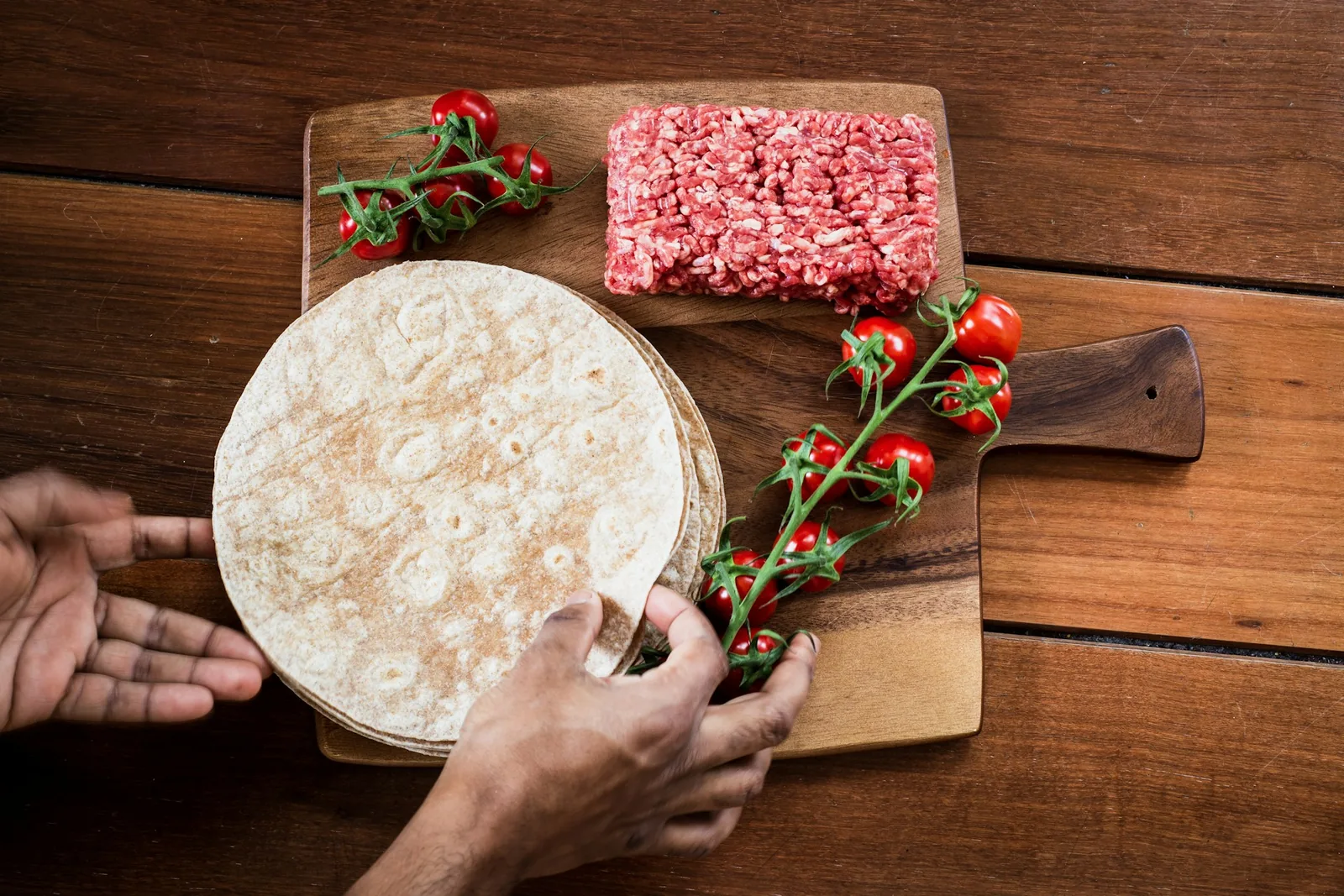
Filling piled in the centre is fine — a wrap can carry a surprising amount if it is concentrated there. It is filling spread evenly to the edges that destroys it, which is the opposite of what looks generous.
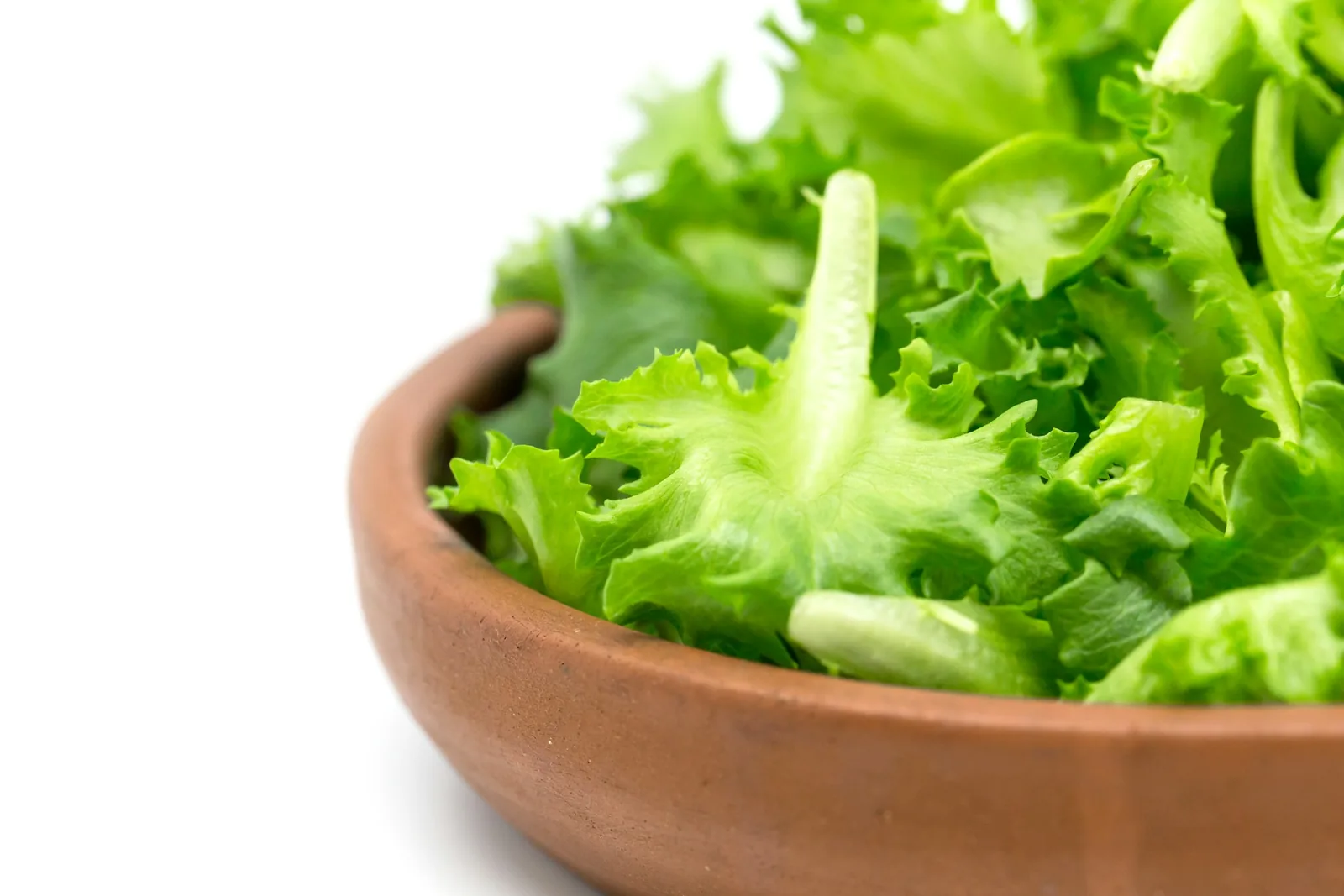
How the filling is cut matters for the same reason. Shredded lettuce and thinly sliced vegetables pack down and let the roll close tightly. Whole leaves and thick chunks leave air pockets, and a wrap with voids in it collapses unevenly.
What suits a wrap
The fillings that work are the ones that pack down and stay put.
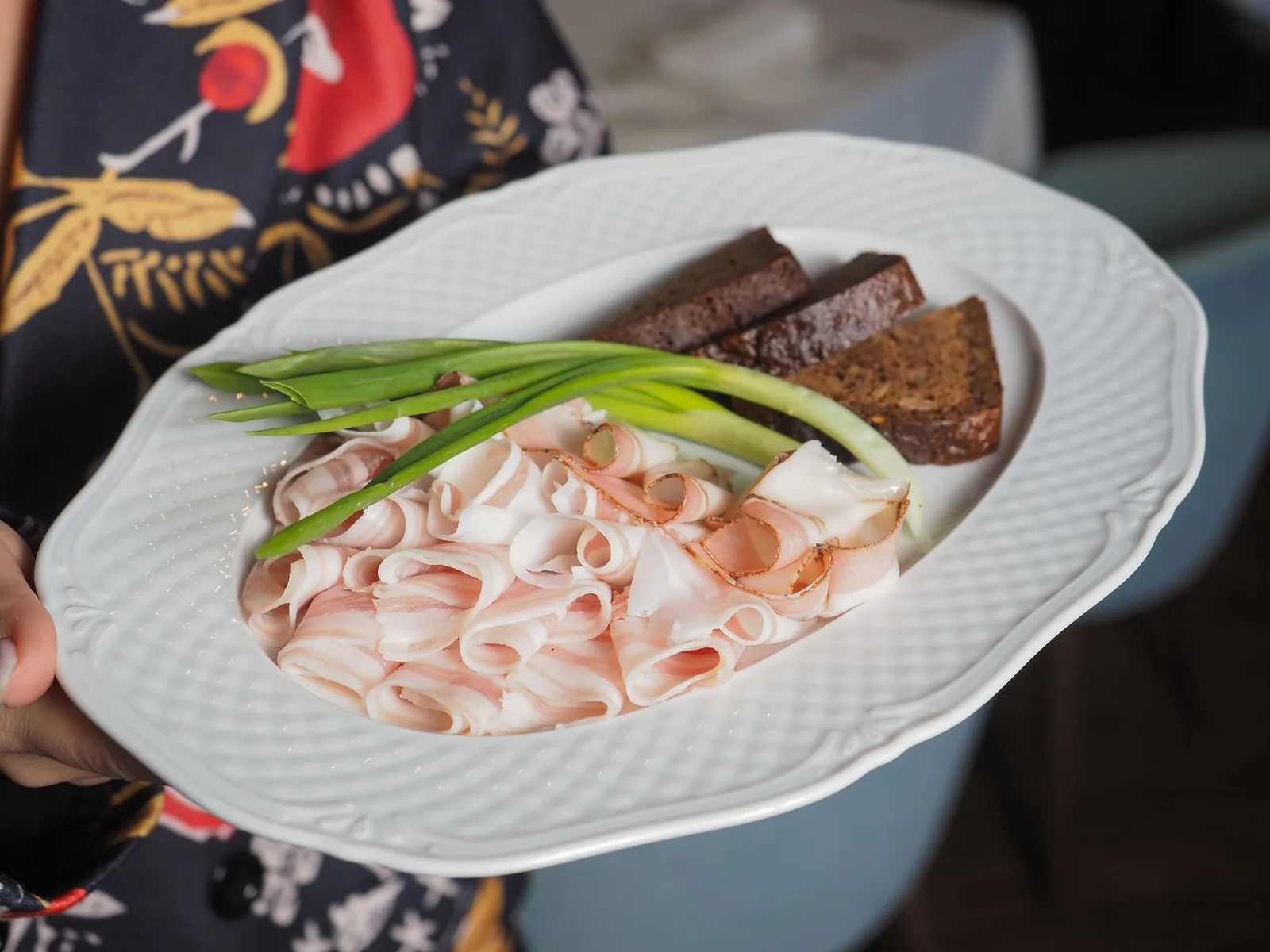
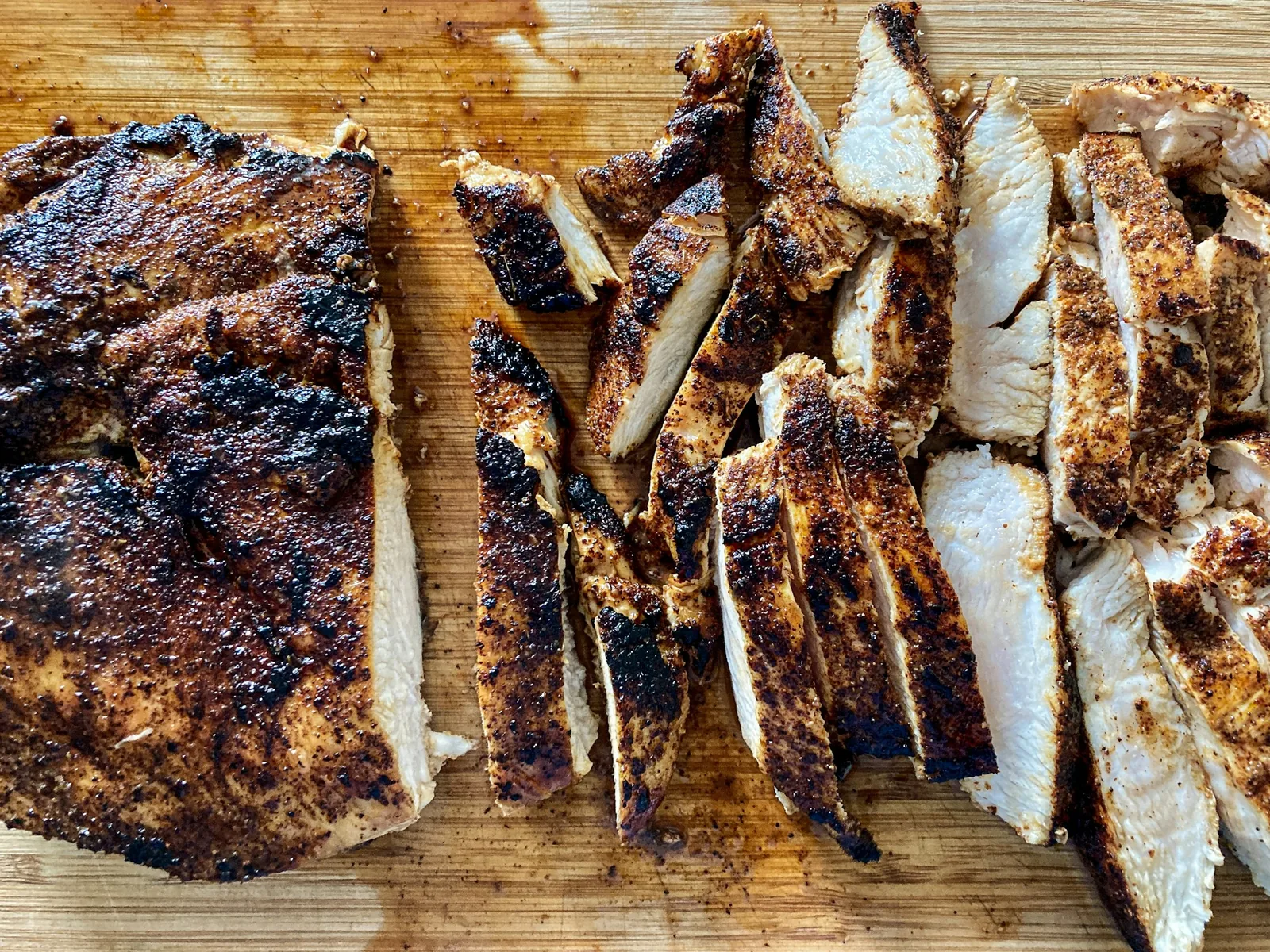
- Sliced or shredded meat — distributes evenly, no large pieces.
- Shredded leaves and grated vegetables — volume without voids.
- Cheese, sliced or grated — and it helps bind everything.
- Thick dressings — they cling instead of running to the ends.
What does not work is anything round, anything in large pieces, and anything very wet. Whole meatballs in a wrap is a mechanical impossibility, which is part of why the meatball sub exists in a roll and nowhere else.
Thin dressings are the quiet failure. Anything that runs will migrate to the lowest end while you hold it, and that end will be soaked and torn by the time you reach it.
The hot filling problem
This is the most common mistake and it is worth understanding rather than just avoiding.
A wrap is thin, so a hot filling inside it is close to the outside surface, and the flatbread has little mass to absorb that heat. Steam builds between the filling and the bread, softening it from the inside — a wrap can go from firm to limp in the time a roll would barely notice.
The cold ingredients suffer at the same time. Lettuce packed against hot meat in a tight roll wilts fast, for the same reason it stays off a hot sub and has to be managed carefully on a grilled salad.
The practical version: warm fillings are fine, genuinely hot ones are not, and a wrap with hot meat is best eaten immediately rather than carried.
The health question, honestly
“Are wraps healthier than sandwiches” is the most searched question about them, and it has no general answer.
It depends entirely on the specific flatbread, the specific bread and the specific filling, all of which vary enormously between one kitchen and the next. A wrap uses less bread by weight than a large roll, but flatbreads differ so much from one another that this tells you very little on its own.
What can be said without inventing anything: the filling is usually the larger factor, and it is identical either way. If the same filling goes into both, the bread is the only variable, and that is a question about two specific products rather than about wraps in general.
What to ask for
- Filling concentrated in the middle, not spread to the ends.
- Dressing on the side if it is travelling at all.
- Cold fillings if it is not being eaten straight away.
- Cut in half — two short rolls are far more stable than one long one.
Ray’s notes on its menu that sandwiches can be made as a wrap, which makes it a choice about bread rather than a separate order.
Pizza Questions, Answered.
What is the difference between a wrap and a sandwich?
The bread. A wrap uses a thin flatbread rolled around the filling; a sandwich uses a thicker bread above and below. That changes the ratio of filling to bread and what the sandwich tastes of first.
Why does my wrap fall apart?
Almost always because it is filled to the edges. A wrap is held together by overlapping flatbread, so it needs a clear margin at the ends and along the seam.
Are wraps healthier than sandwiches?
There is no general answer – it depends on the specific flatbread, bread and filling. The filling is usually the larger factor and it is the same either way.
Can you put hot fillings in a wrap?
Warm ones, yes. Genuinely hot fillings build steam against thin flatbread and soften it quickly, so a hot wrap is best eaten straight away rather than carried.
The short version
Same filling, less bread, wrapped instead of stacked. Keep the filling in the middle, cut everything thin, use a dressing that clings, and do not ask it to carry something very hot very far.
The Ray’s menu is open daily 10:30am to 9:00pm.

Ray’s Pizza Team
Ray’s Pizza & Sub Shop is a neighborhood pizzeria at 95 Woodstown Rd, Swedesboro, New Jersey, serving pizza, stromboli, hot and cold subs and dinners seven days a week from 10:30am to 9:00pm. These guides are written by the people behind the counter.
Visit Ray’sMore From Ray’s