A Pizzeria Glossary
The words on a pizzeria menu and behind the counter, in plain English and roughly in the order a pizza meets them.
Most pizza vocabulary is either Italian, trade shorthand, or regional slang that never travelled. None of it is complicated once someone tells you what it means.
Here are the terms you are most likely to meet, grouped by where you meet them.
Dough and base
Hydration — how much water the dough holds relative to flour. More water gives an airier, chewier crumb; less gives a crisper, denser one. It is the single biggest lever on what a crust is like.
Proof — the resting period where yeast produces gas and the dough rises. A long, cold proof develops flavour; a short warm one mostly just inflates it.
Cold ferment — proofing in a fridge over a day or more. Slower, and much better tasting.
Dough ball — a single portion of dough, weighed and rounded, ready to be opened into a base.
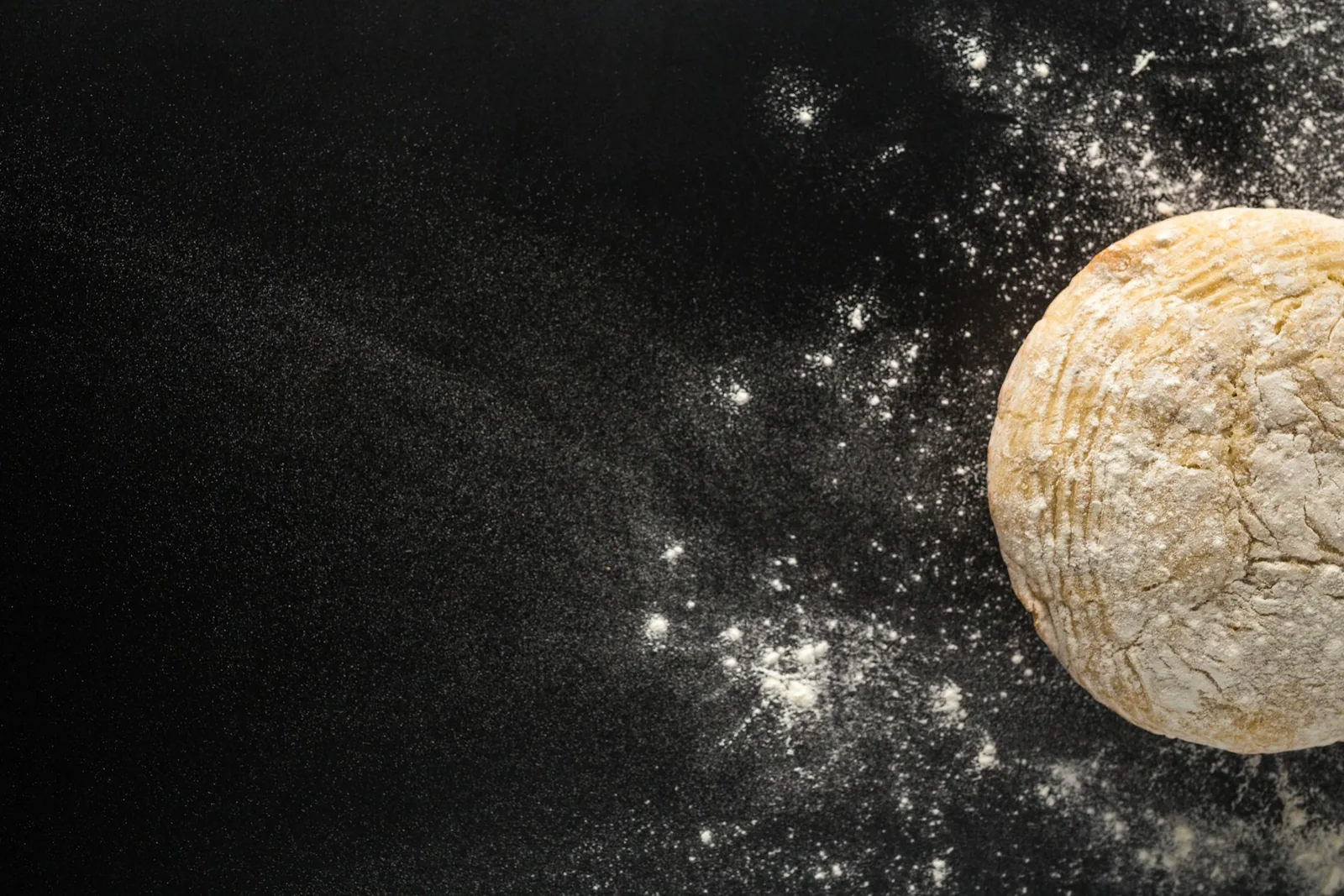
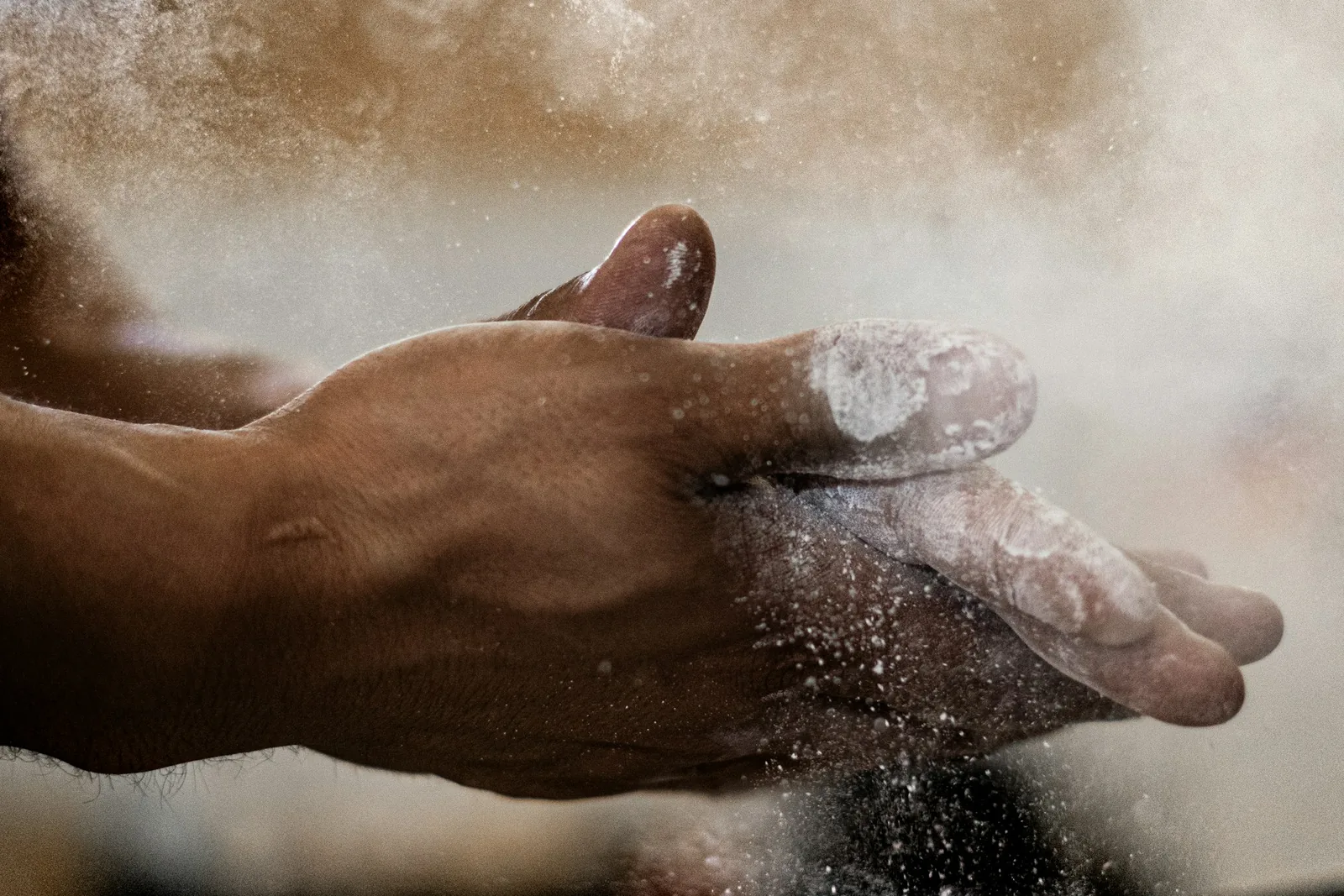
Opening — stretching a dough ball into a round. Pizza makers open dough; they do not roll it, because rolling forces out the gas that makes the rim.
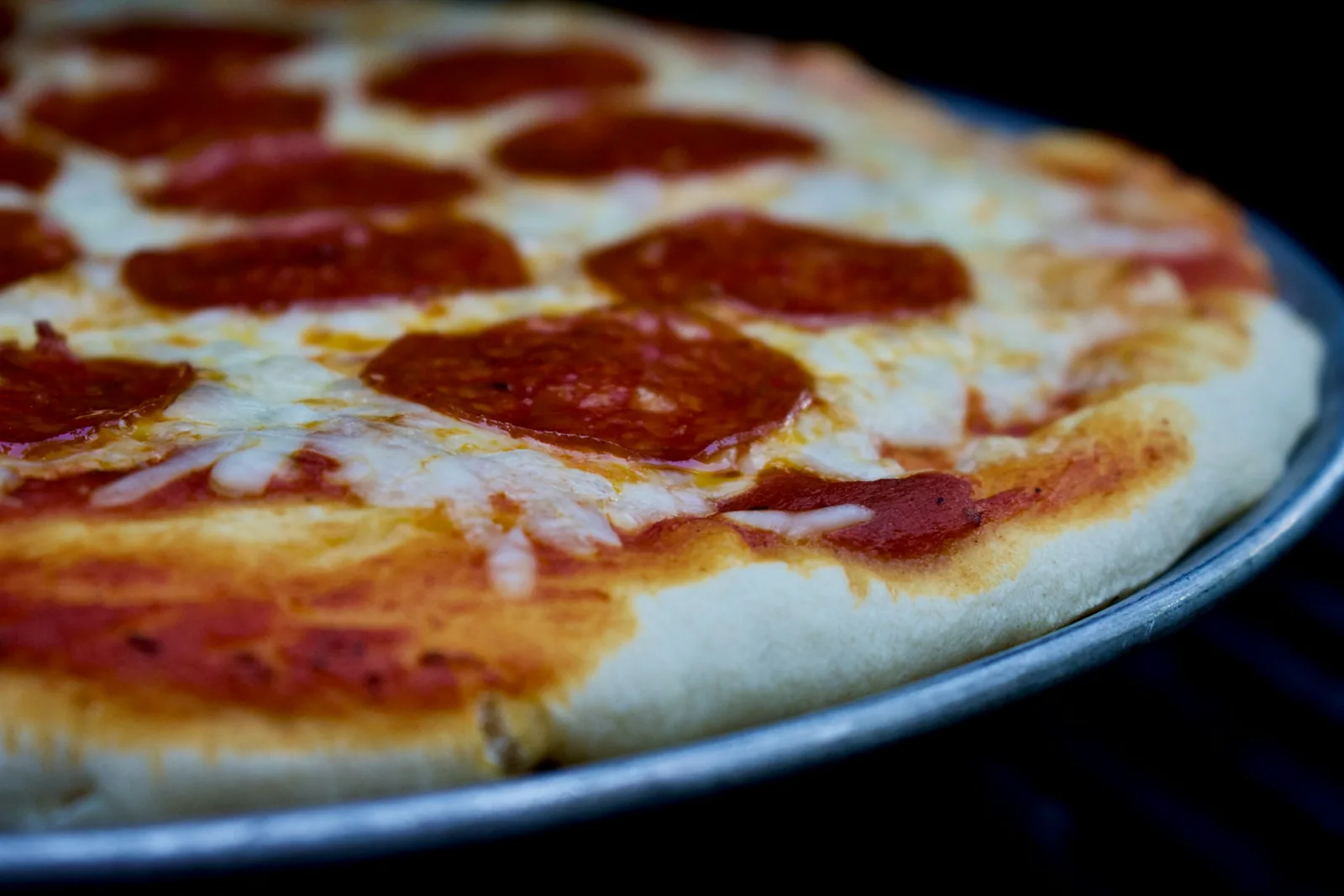
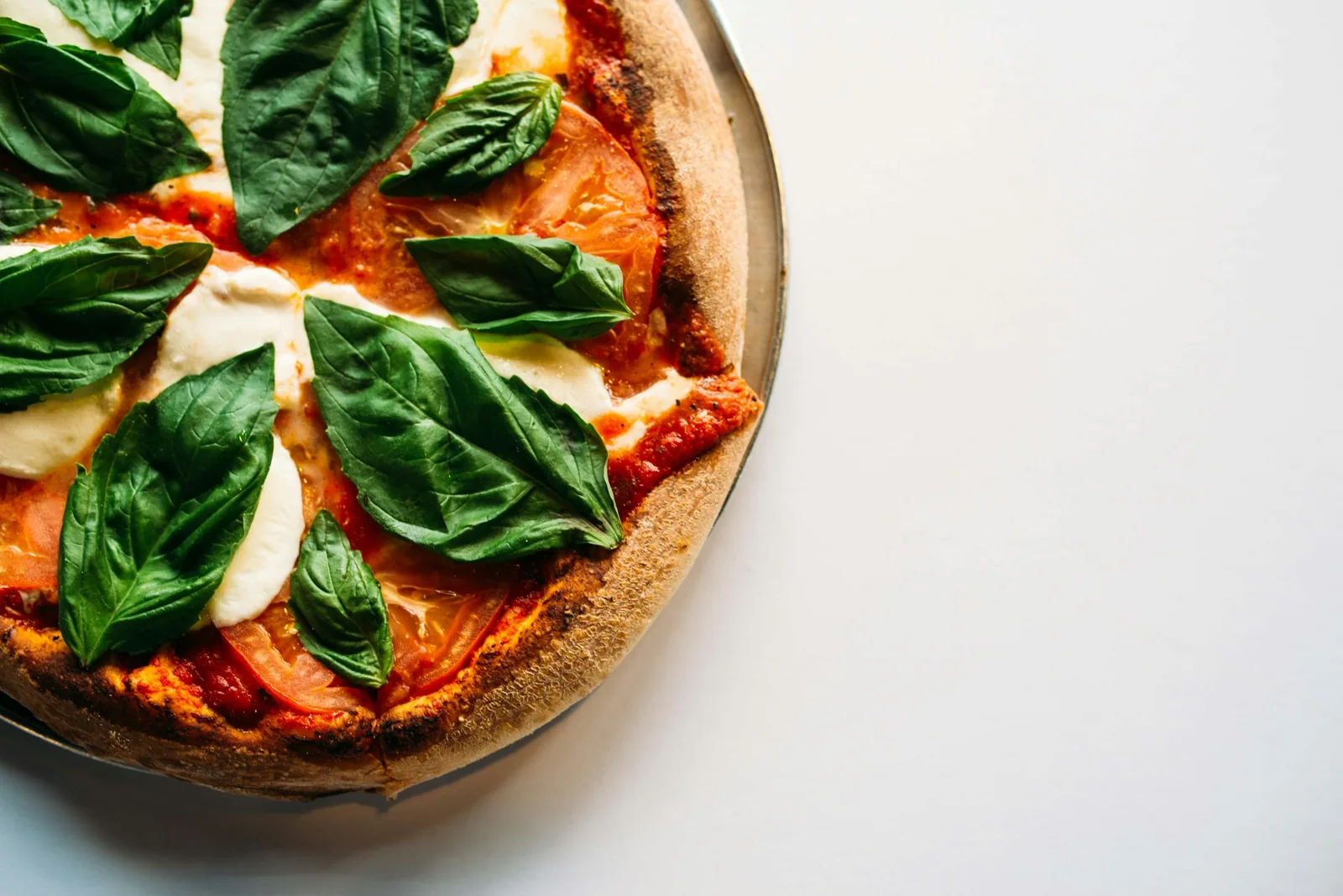
Cornicione — the raised outer rim of the crust, pronounced roughly “cor-nee-CHO-neh”. It is the part people call the crust when they mean the edge.
The bake
Deck — the stone or steel floor an oven bakes on, and by extension the oven type. Deck ovens transfer heat into the base by contact.
Peel — the flat paddle used to load and retrieve pizzas. A wooden one for launching, a metal one for turning and lifting.
Launch — sliding the pizza off the peel into the oven. The moment most home attempts go wrong.
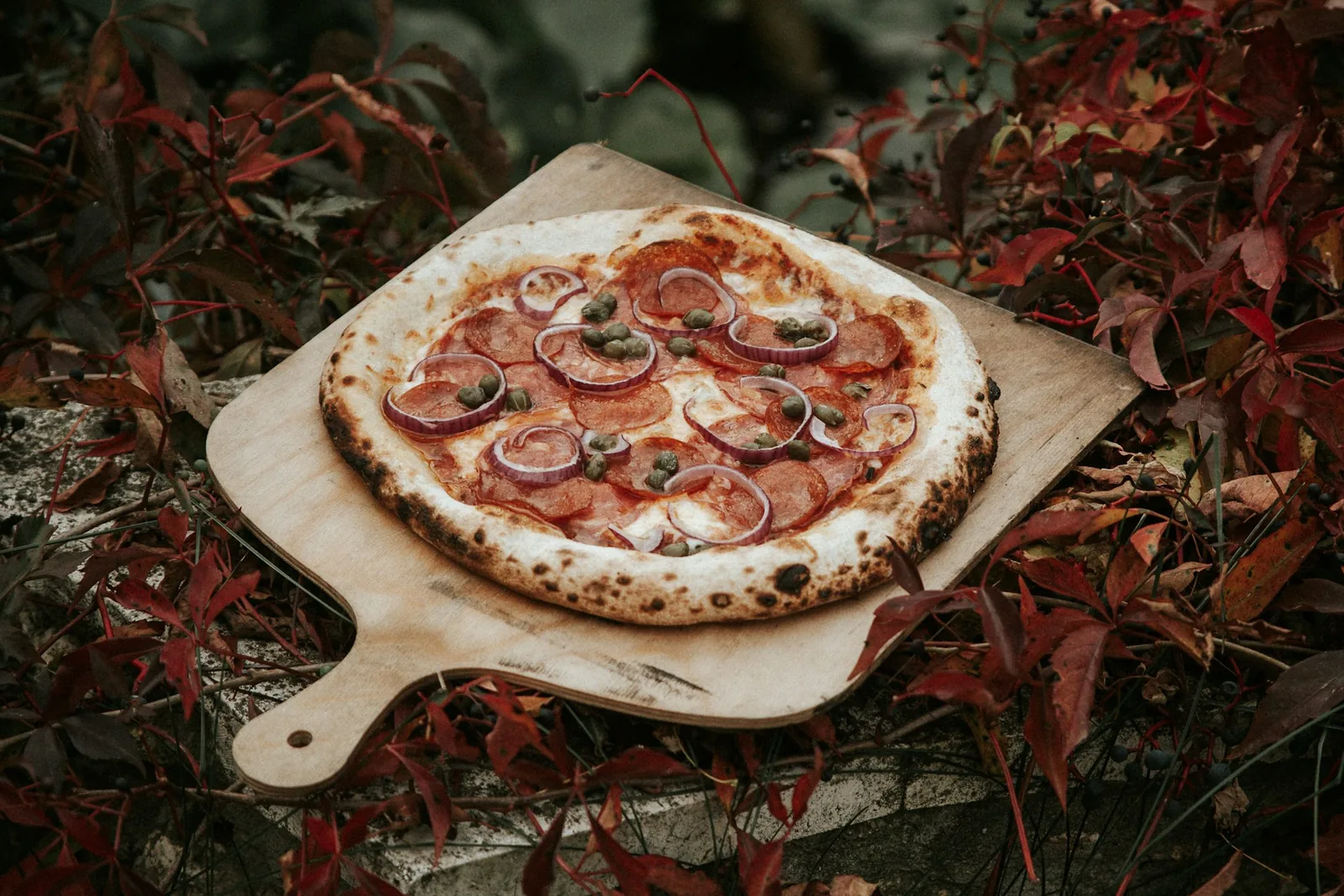
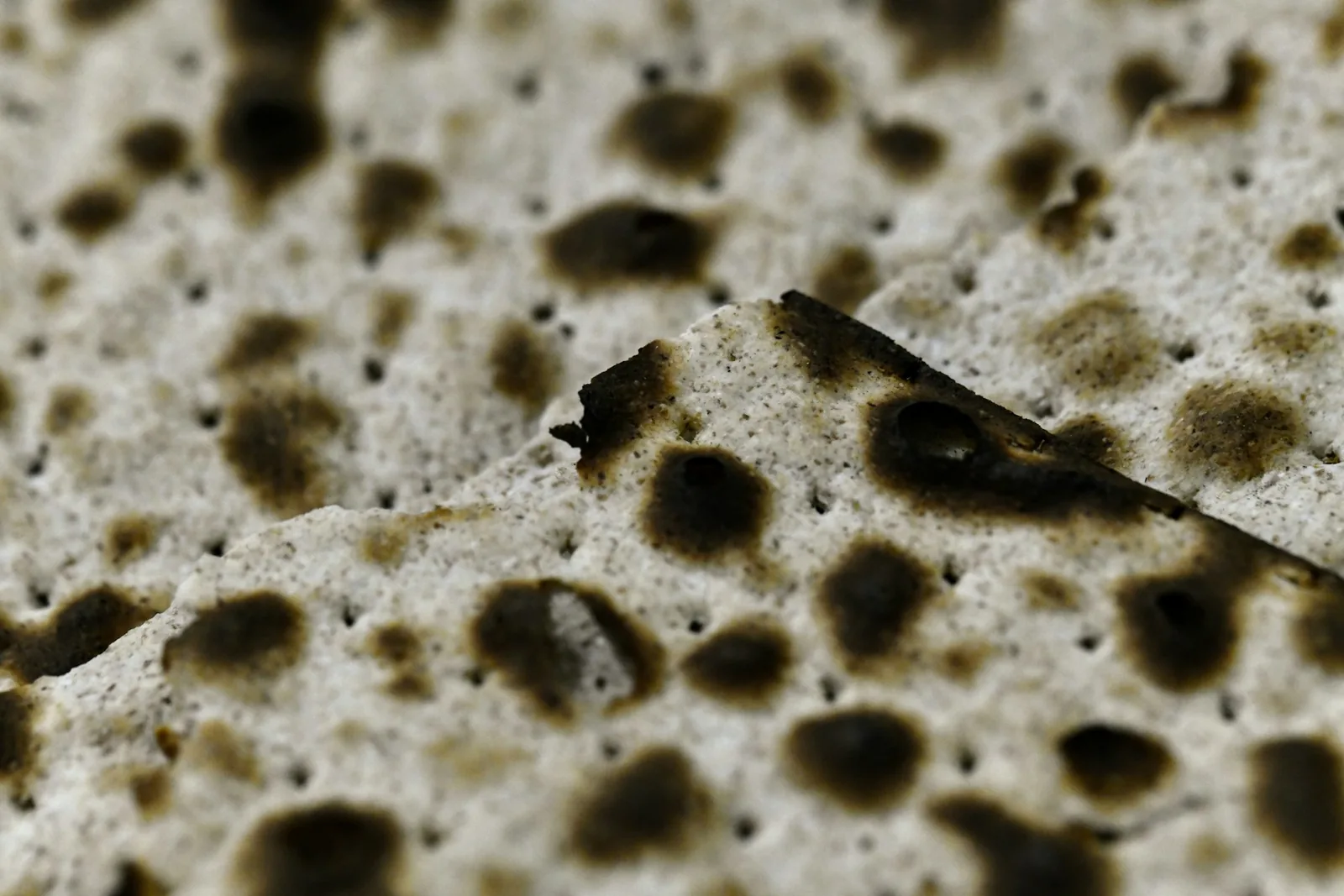
Leoparding or leopard spots — the charred dark blisters on a well-baked rim. A sign of a very hot oven and a well-fermented dough, not of burning.
Oven spring — the rapid rise in the first seconds of baking, as trapped gas expands in the heat.
Par-bake — partly baking a base in advance so it can be finished quickly later. Common where speed matters more than the last few percent of quality.
Shapes and cuts
Pie — a whole pizza. Ordering “a pie” means the whole thing, not a slice.
Party cut or tavern cut — cut into squares rather than wedges. Standard on thin tavern-style pizza and on Sicilian.
Sicilian — a thick, rectangular pizza baked in an oiled tray and cut into squares. Ray’s offers it as a size alongside Medium and Large.
Grandma pie — a thinner tray-baked square pizza, usually with the sauce over the cheese. Related to Sicilian but not the same thing.
On the menu
White pizza — no tomato sauce at all. Usually oil, garlic and cheese instead.
Tomato pie — cheese underneath, sauce over the top. A South Jersey and Philadelphia speciality, and genuinely different from a standard cheese pizza.
Upside-down pizza — another name for the same sauce-on-top arrangement.
Gourmet — on most American pizzeria menus this simply means a pizza with a set combination of toppings, sold as a named item rather than built up piece by piece.
Stromboli and calzone — rolled and folded respectively. Covered properly in our comparison of the two.
Behind the counter
Round — a standard circular pizza, as distinct from a tray-baked square.
Well done — baked longer for a firmer, darker base. A completely normal request and worth making if you like crisp.
Light bake — the opposite, and what you want if the pizza has a journey ahead of it and will finish cooking in its own heat.
Cheese pie — a plain pizza with no toppings. Not a different product; just the default.
Words for things going wrong
Trade vocabulary for faults is useful to know, because it tells you what to ask for next time.
Soggy bottom — an underbaked or over-topped base that gives way in the middle. Usually too many wet toppings, or not enough heat underneath.
Gum line — a thin band of undercooked dough directly beneath the sauce, where moisture stopped the base cooking through. It is the mark of a bake that was too short or an oven that was not hot enough.
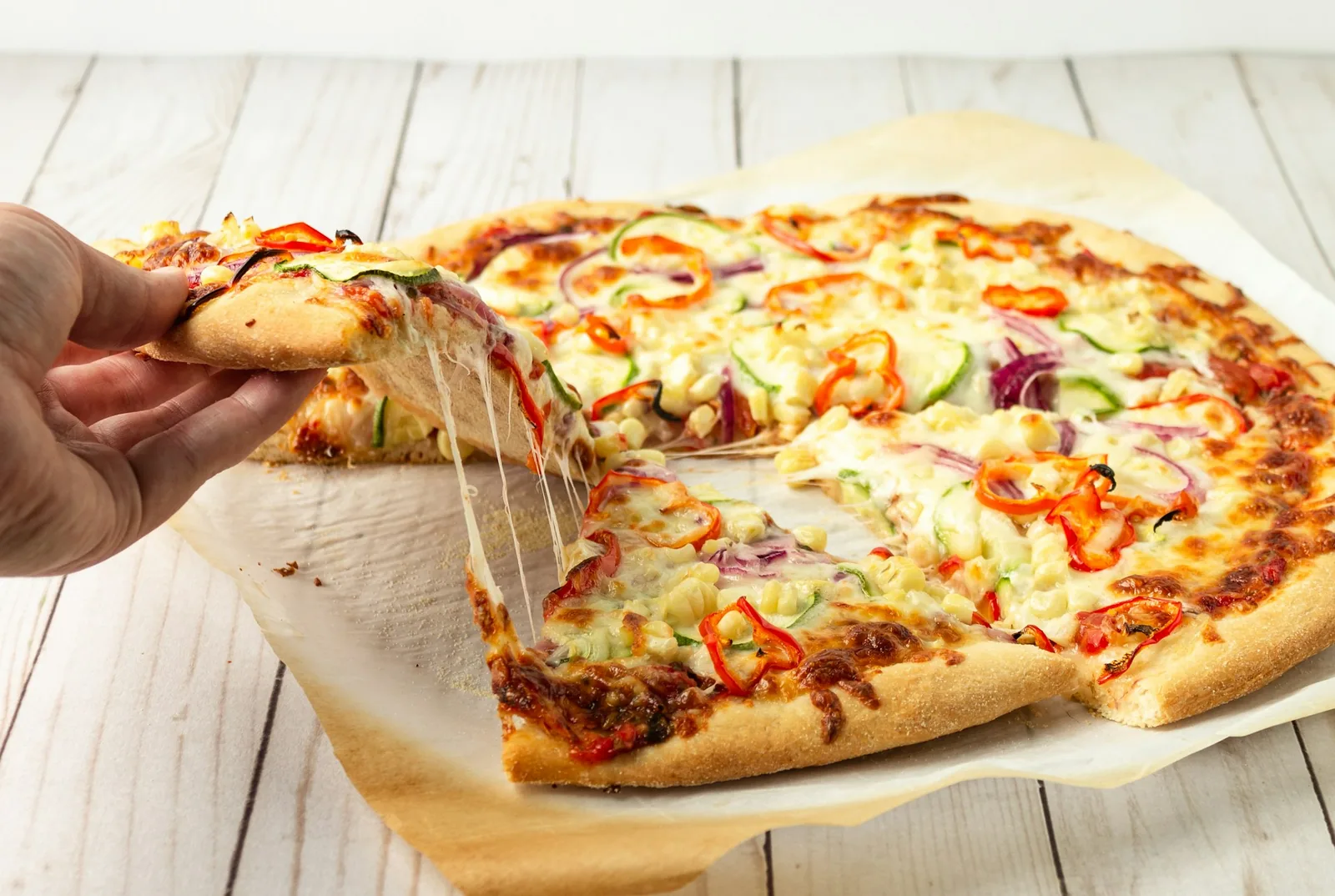
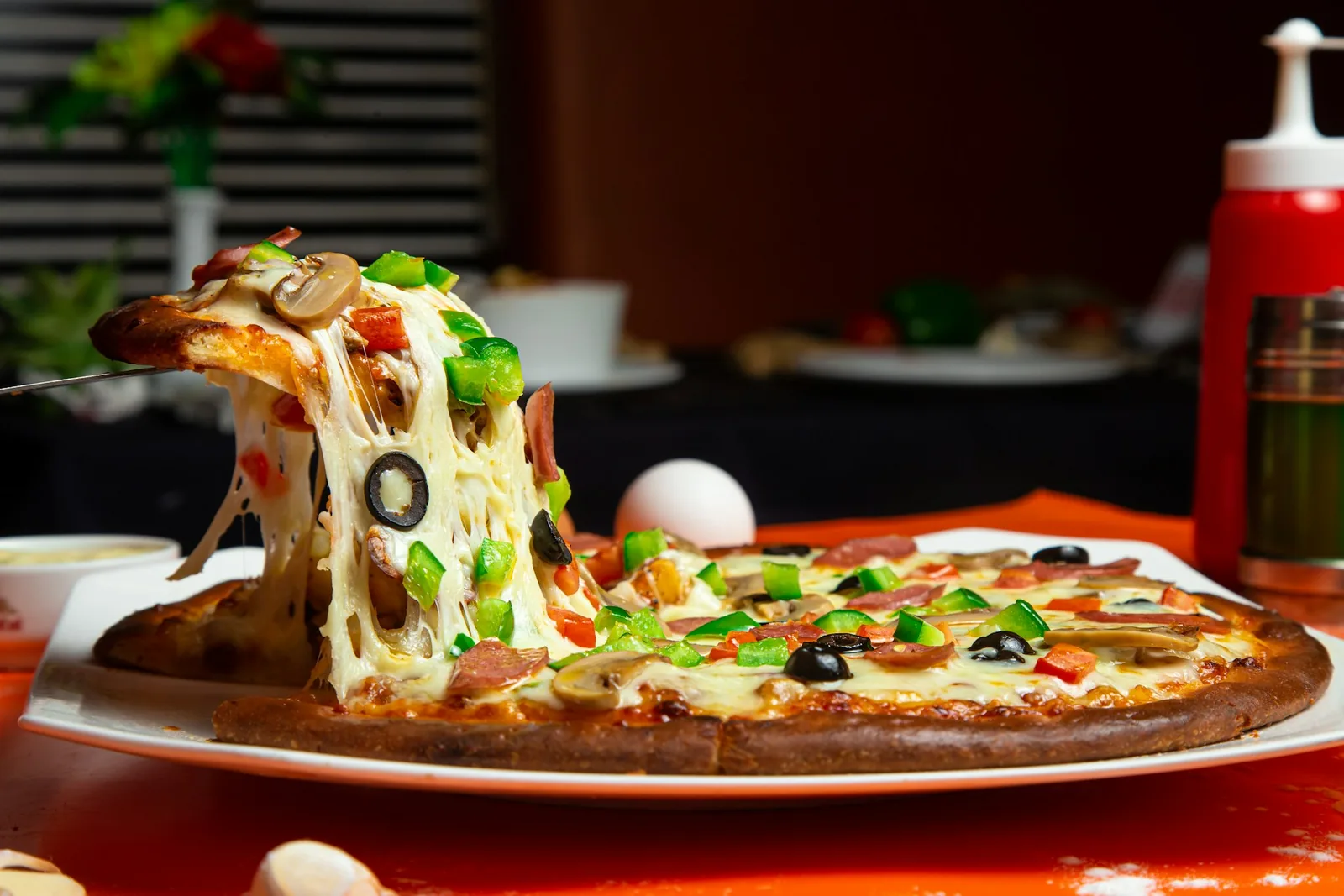
Cheese slide — the whole cheese layer sliding off when a slice is lifted, taking the toppings with it. Too much cheese, or a pizza cut before it had a minute to set.
Blowout — a large bubble in the rim that inflates during the bake. Not really a fault, and some people ask for it.
Words that did not travel
Some of this vocabulary is genuinely local, which is where most confusion comes from.
- Pie is standard in the Northeast and rarer elsewhere.
- Tomato pie means one thing around Philadelphia and something quite different in parts of New England.
- Tavern cut is Midwestern; the same thing is just “party cut” elsewhere.
- Apizza, pronounced roughly “ah-BEETS”, is specific to New Haven.
None of it is wrong. It is just that pizza spread through separate immigrant communities faster than any common vocabulary could.
Pizza Questions, Answered.
What is the cornicione?
The raised outer rim of a pizza crust. It puffs during the bake because stretching the dough by hand pushes gas to the edge.
What does leopard spotting mean?
The dark charred blisters on a well-baked rim. They indicate a very hot oven and a properly fermented dough rather than a burnt pizza.
What is a par-baked pizza base?
A base baked partway in advance so it can be topped and finished quickly later. It trades a little quality for a lot of speed.
What does ‘well done’ mean when ordering pizza?
Baked longer, for a firmer and darker base. It is a normal request and most pizzerias will do it without comment.
The short version
Hydration and proof describe the dough, deck and peel describe the bake, cornicione is the rim, and leopard spots are a good sign. Most of the rest is regional.
The Ray’s menu uses several of these terms directly, and the shop is open daily 10:30am to 9:00pm.
Ray’s Pizza Team
Ray’s Pizza & Sub Shop is a neighborhood pizzeria at 95 Woodstown Rd, Swedesboro, New Jersey, serving pizza, stromboli, hot and cold subs and dinners seven days a week from 10:30am to 9:00pm. These guides are written by the people behind the counter.
Visit Ray’sMore From Ray’s