Pepperoni, Explained
America’s most-ordered topping, and the only common one that changes shape in the oven. The cupping is a manufacturing decision.
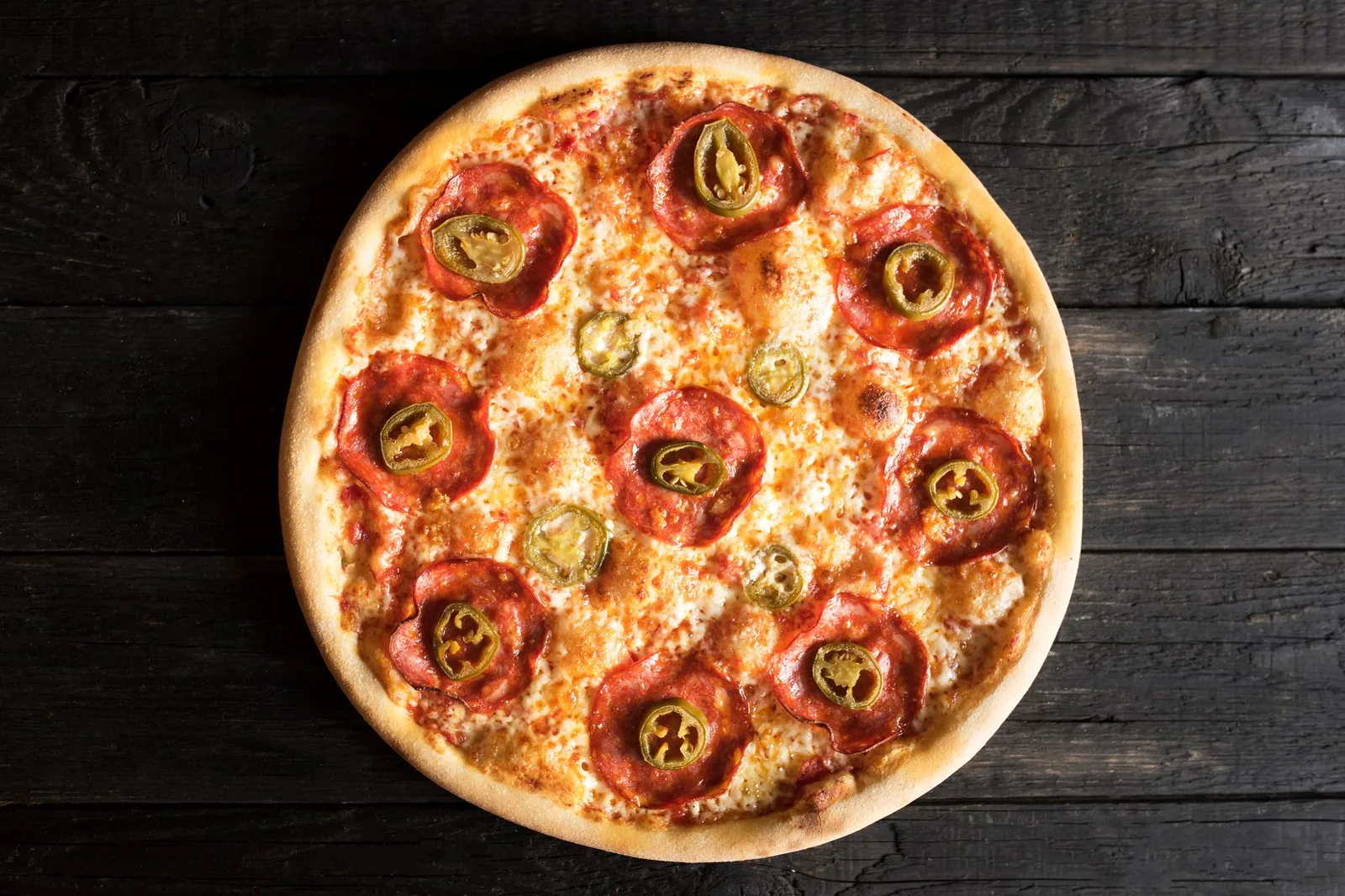
Pepperoni is a cured, air-dried sausage of pork and beef, seasoned heavily with paprika and chilli. It is an Italian-American invention — ask for pepperoni in Italy and you will be offered peppers.
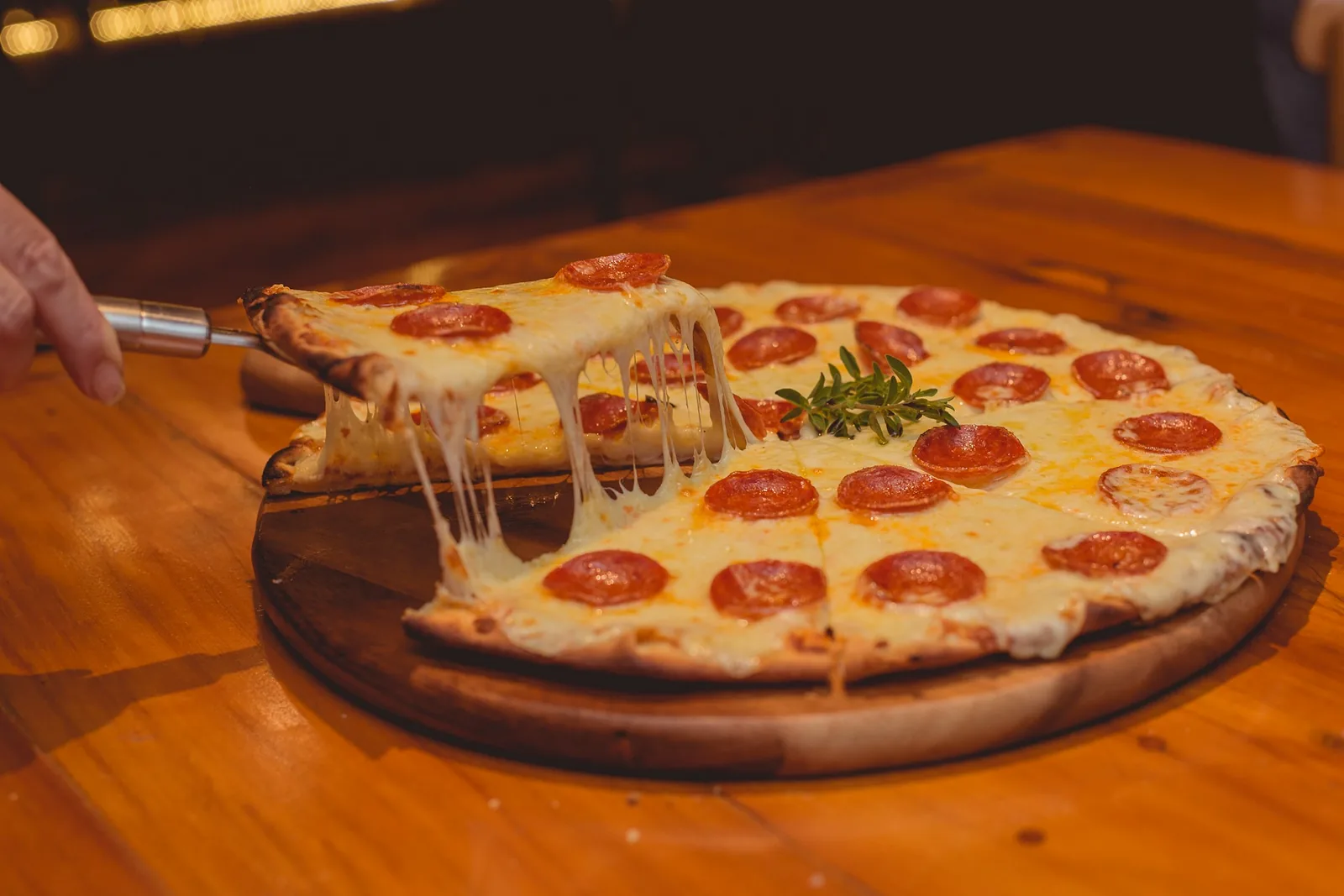
Its defining trick is that some pepperoni curls into little cups in the oven and some lies flat. That is not chance, and it is not about quality.
| Cups and chars | Lies flat | |
|---|---|---|
| Casing | Natural | None, or synthetic |
| Diameter | Smaller | Larger |
| In the oven | Edges curl up | Stays flat |
| Texture | Crisp rim, soft centre | Even, softer |
| Oil | Pools in the cup | Spreads across the pizza |
What pepperoni actually is
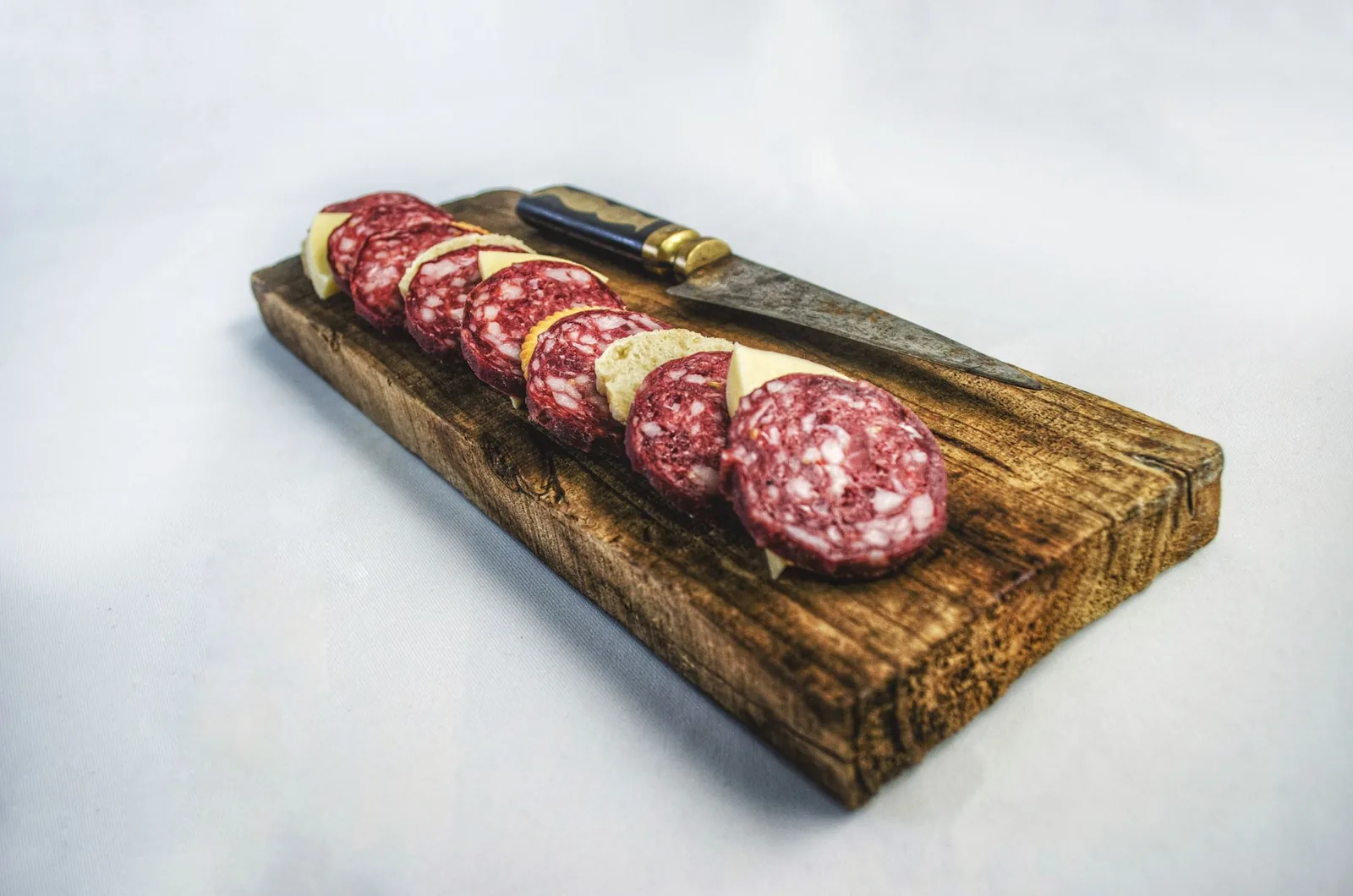
It is a fermented, cured sausage — closer in method to salami than to anything fresh. The meat is ground fine, mixed with salt, cure, paprika and chilli, packed into a casing and dried.
The paprika is doing more than seasoning. It is where the colour comes from, and it is why the oil that renders out runs orange-red rather than clear.
Why it cups
Two things decide it: the casing and the diameter.
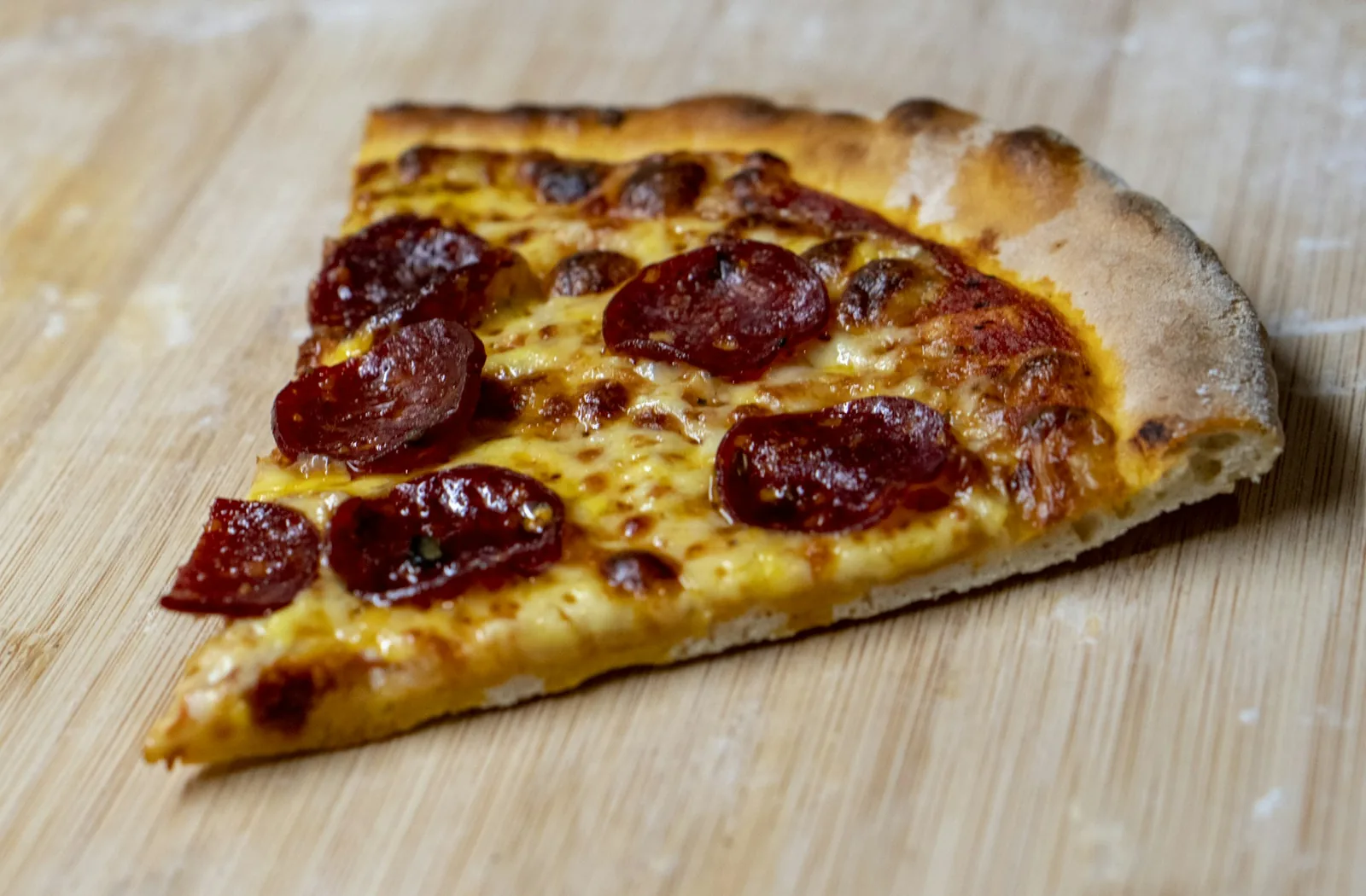
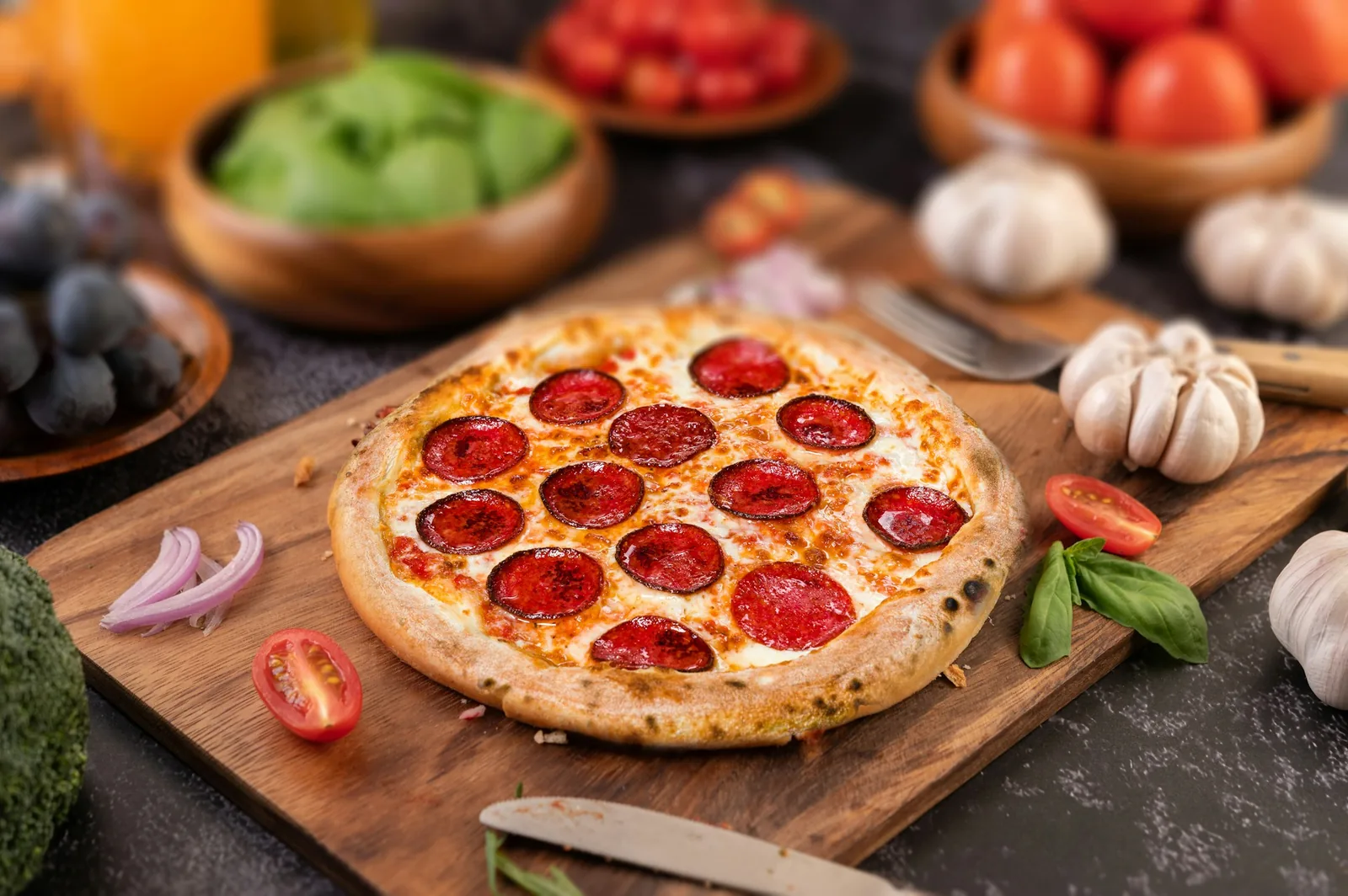
Pepperoni made in a natural casing shrinks unevenly. The casing contracts faster than the meat inside, and because the edge is thinner than the middle, the edge lifts. Do that to a small-diameter slice and it forms a cup.
Larger-diameter pepperoni, or pepperoni made without a natural casing, has nothing pulling its edges up. It lies flat and cooks evenly.
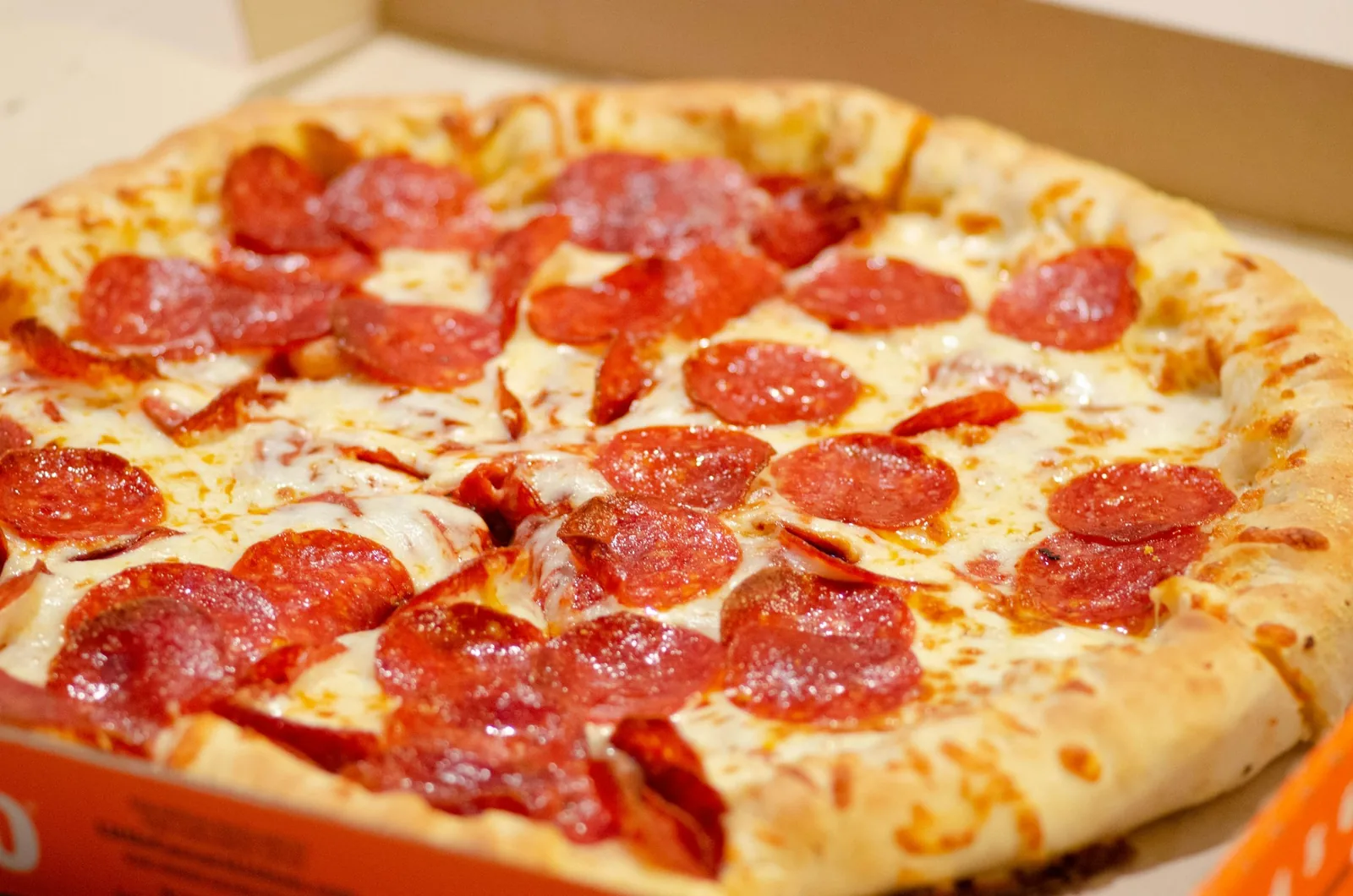
So “cup and char” pepperoni is a purchasing decision made before anything reaches the oven. A pizzeria that serves flat pepperoni has not done anything wrong; it has bought a different product.
The oil is the point
Rendered fat pooling in each cup looks like a fault and is closer to the opposite.
Because the cup holds it, that seasoned orange fat stays in one place instead of spreading across the whole pizza. The rim above it crisps in the dry heat while the base of the cup effectively fries. You get two textures in one slice of sausage.
Flat pepperoni renders the same fat, but it runs out across the cheese, which is why a flat-pepperoni pizza can look greasier overall while each individual slice is less intense.
Pepperoni and salami are not the same
They are relatives, and the difference is straightforward once stated.
Salami is a broad family of cured sausages, mostly Italian, usually coarser in grind and milder in seasoning. It comes in dozens of regional varieties and is generally eaten cold.
Pepperoni is one specific American type: finer grind, softer texture, and much more paprika and chilli. It is built to be cooked, which the others generally are not.
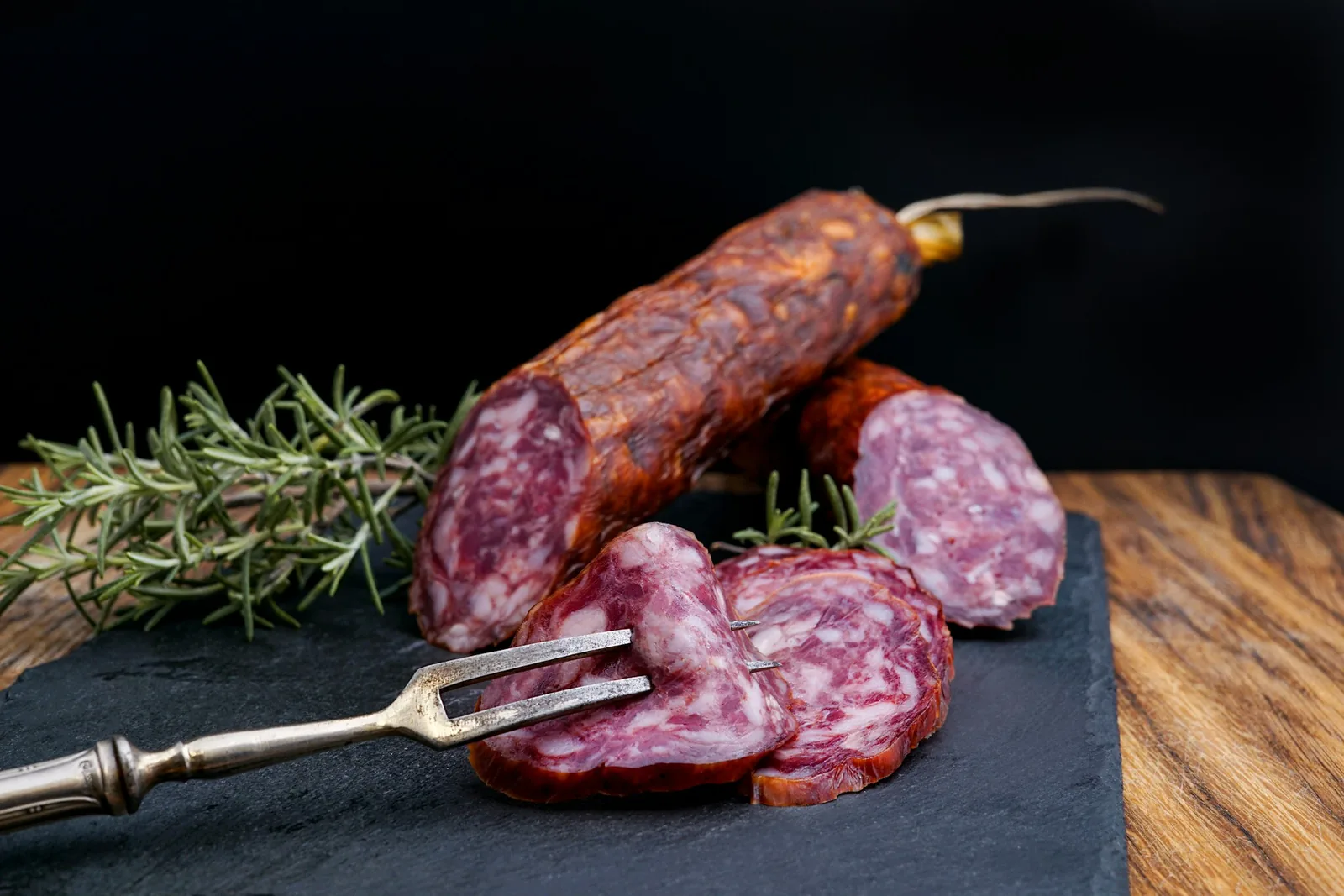
That is why a salami pizza and a pepperoni pizza taste different even when the slices look similar. The salami is doing less work.
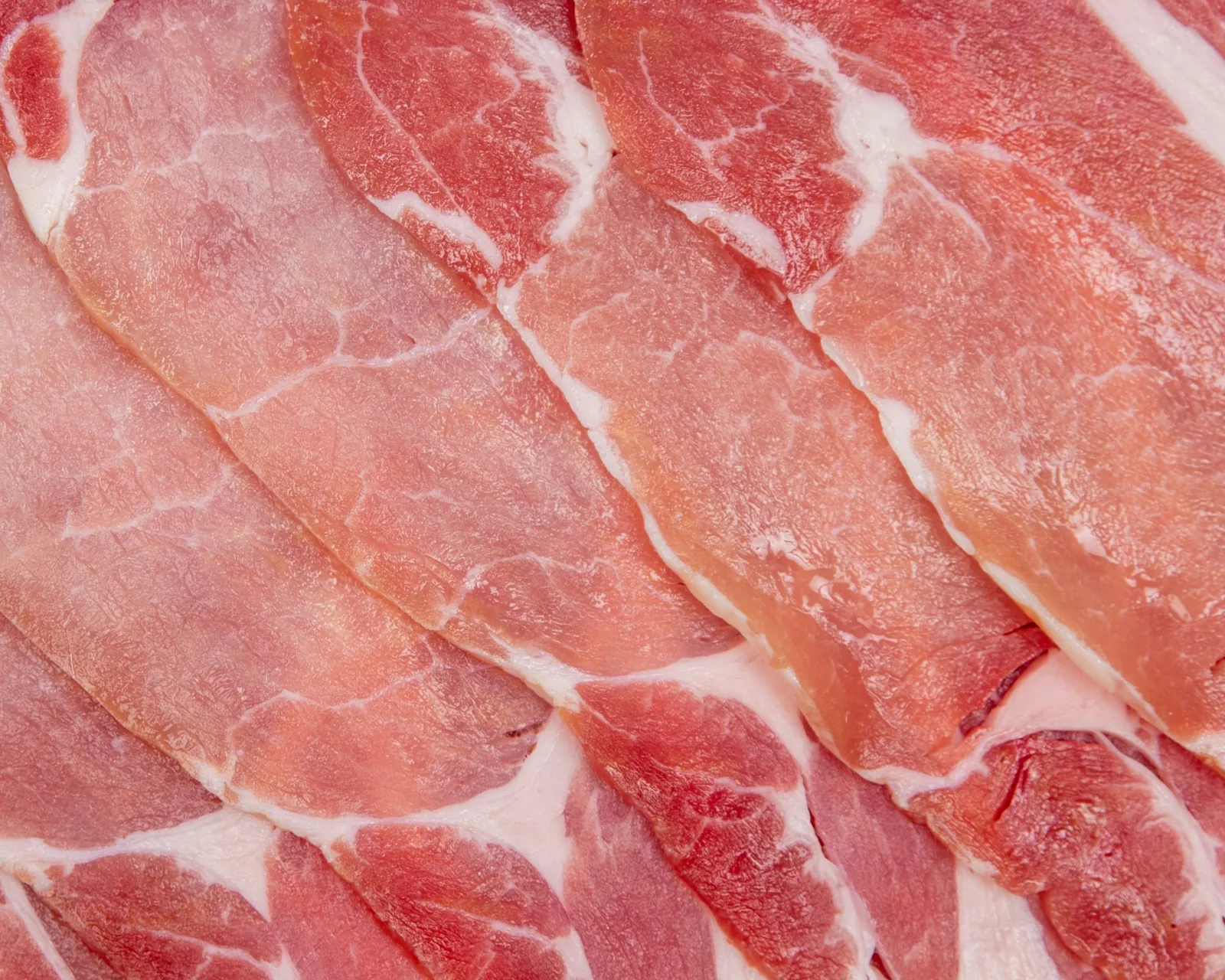
Why it is the most-ordered topping
Pepperoni has been the single most requested topping in America for decades, and it is worth asking why one cured sausage beat everything else.
Part of it is that it does several jobs at once. It brings salt, fat, spice and colour, and it browns. Most single toppings bring one of those. Mushrooms bring savour but no salt; olives bring salt but no fat; onion brings sweetness but nothing rich.
Part of it is durability. Pepperoni is cured and dry, so it does not release water into the base the way most vegetables do. You can load a pizza with it and the crust survives, which is not true of almost anything fresh.
And part is simply that it is forgiving. It tastes much the same slightly underbaked, perfectly baked or slightly overbaked, and it survives being reheated well. For a food sold by the slice and eaten at unpredictable intervals, that matters more than it sounds.
What to put with it
Pepperoni brings salt, fat and heat and very little else. A good pepperoni pizza usually needs one thing pulling against it.
- Something sweet. Hot honey, roasted peppers, caramelised onion.
- Something sharp. Pickled chillies, red onion, a squeeze of lemon after the bake.
- Something green after the bake. Rocket or basil, added off the heat.
What it rarely needs is a second salty meat. Our guide to topping combinations covers why that particular pairing falls flat.
It also pairs well with almost nothing wet. Because pepperoni is already delivering fat onto the cheese, adding a watery vegetable alongside gives the base two problems at once and is the most common way a loaded pepperoni pizza ends up soft in the middle.
Pizza Questions, Answered.
Why does pepperoni curl up on pizza?
Natural casing and small diameter. The casing shrinks faster than the meat and the thin edges lift, forming a cup. Larger or casing-free pepperoni stays flat.
What is pepperoni made of?
Cured pork and beef, ground fine and seasoned heavily with paprika and chilli, then fermented and air-dried.
Is pepperoni Italian?
No. It is Italian-American. In Italy, ‘peperoni’ means bell peppers, which catches a lot of visitors out.
Why is pepperoni pizza so oily?
The fat renders out in the oven. On cupped pepperoni it collects in the cups; on flat pepperoni it spreads across the cheese, which can look greasier overall.
The short version
A finely ground, paprika-heavy American cured sausage that cups because of its casing and its size, not because of how it was cooked. The oil in the cups is a feature, and it wants something sweet or sharp against it.
The Ray’s menu is open daily 10:30am to 9:00pm.
Ray’s Pizza Team
Ray’s Pizza & Sub Shop is a neighborhood pizzeria at 95 Woodstown Rd, Swedesboro, New Jersey, serving pizza, stromboli, hot and cold subs and dinners seven days a week from 10:30am to 9:00pm. These guides are written by the people behind the counter.
Visit Ray’sMore From Ray’s