Why Pizzeria Ovens Beat Yours
A pizzeria oven is not just hotter than yours. It holds its heat differently, and that is what a home oven cannot copy.
Every pizza oven is solving the same problem: get enough heat into the base fast enough that it sets before the toppings overcook. A domestic oven cannot do it, and the reason is not really temperature.
It is stored heat. A thick stone or brick floor holds a large reservoir of energy and dumps it into the base the moment the dough lands. Air temperature alone does very little.
| Oven | Typical heat | What it gives |
|---|---|---|
| Wood-fired | Very high, uneven | Charred rim, seconds-long bake |
| Deck | High, steady | Even base, consistent results |
| Conveyor | Moderate, fixed time | Identical pizzas, high volume |
| Home | Lower, air-driven | Slower bake, drier base |
Heat versus stored heat
Put your hand in a hot oven and it is uncomfortable. Touch the shelf and it burns you instantly. Same temperature, completely different transfer — and that is the whole story.
A pizza base cooks by conduction from whatever it is sitting on. A thick stone deck at high heat transfers energy into the dough far faster than hot air ever will, which is what makes the base spring and set rather than slowly dry.
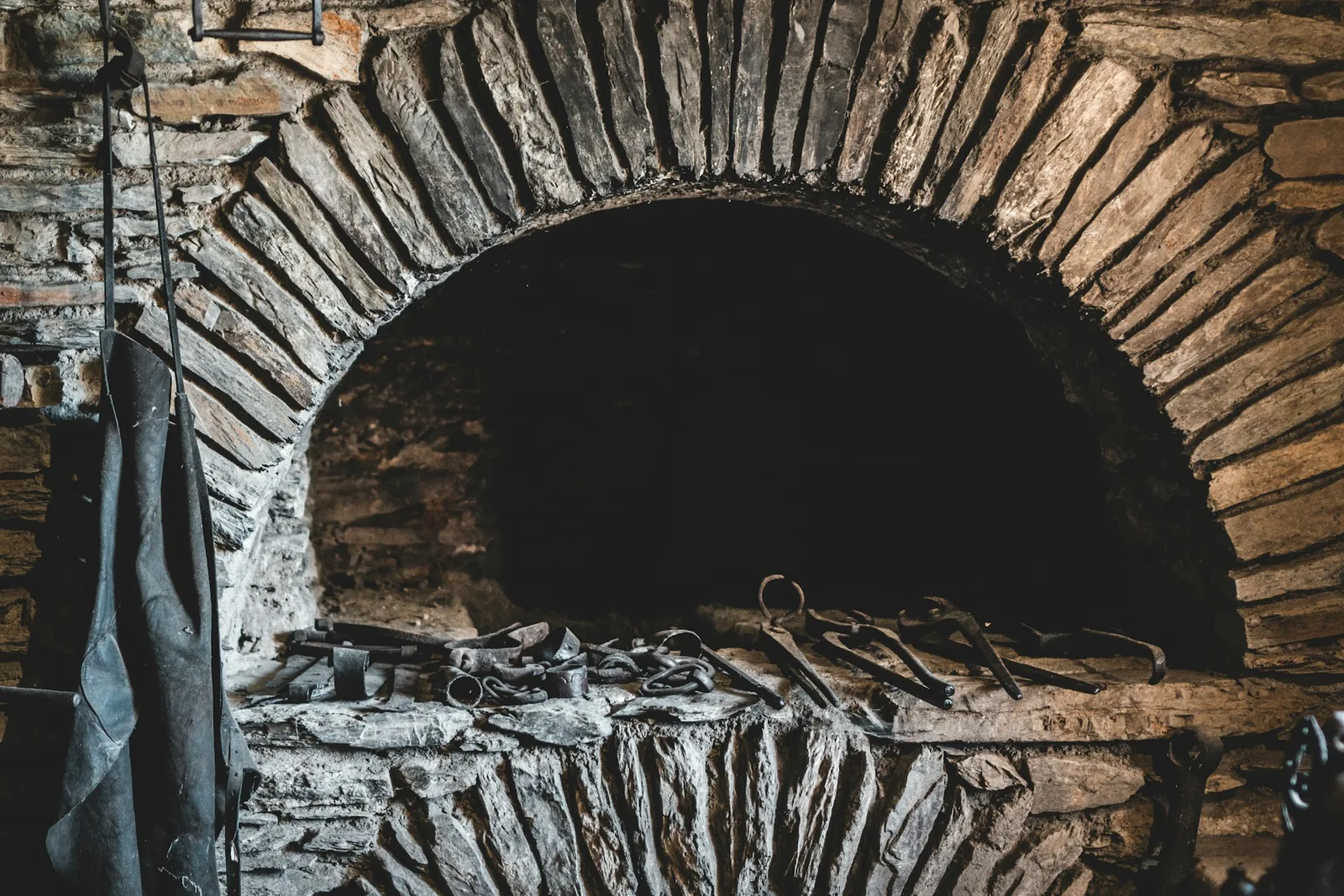
Stored heat also means recovery. A deck that has been heating for hours barely notices a cold pizza landing on it. A domestic oven’s temperature drops the moment you open the door.
Wood-fired
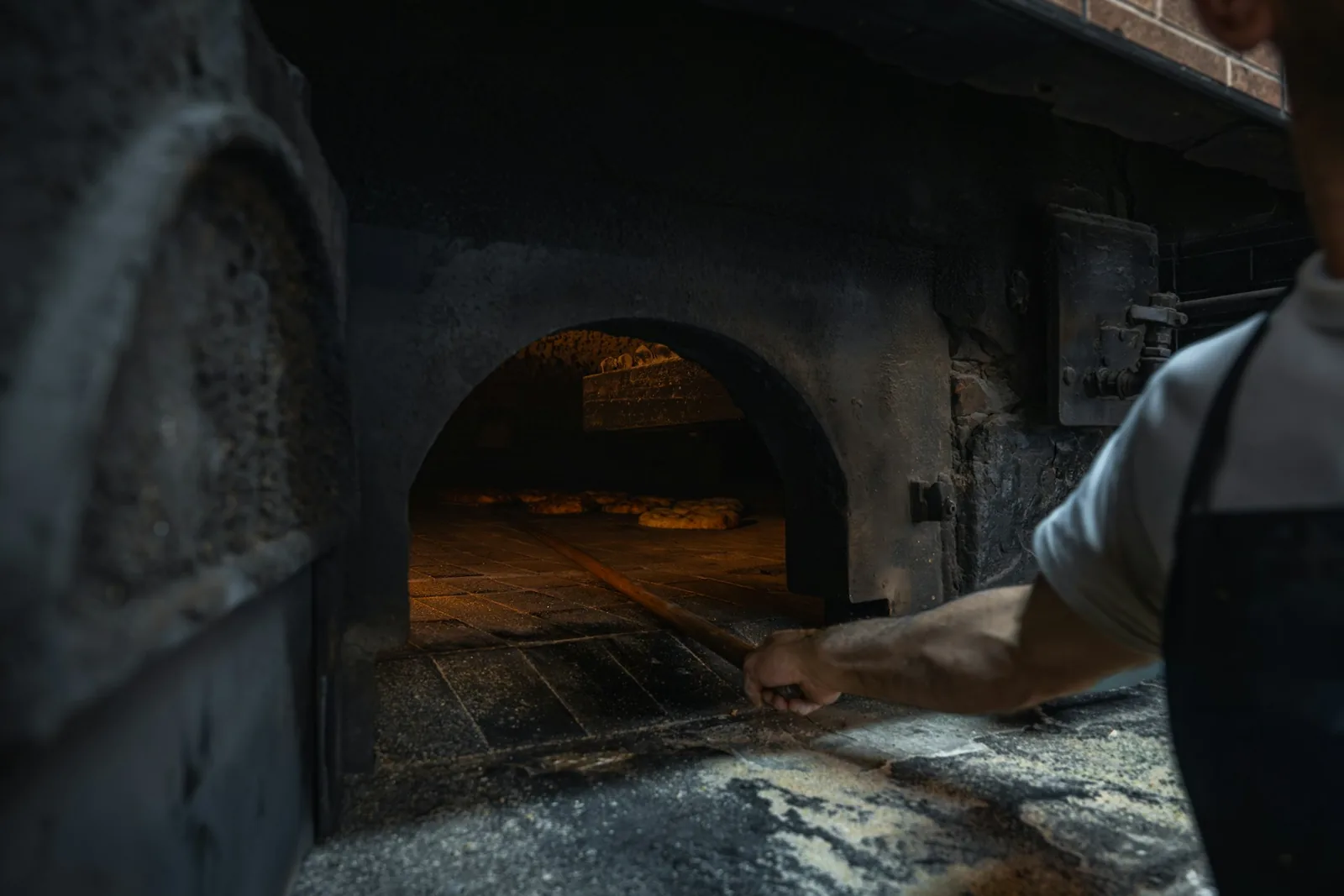
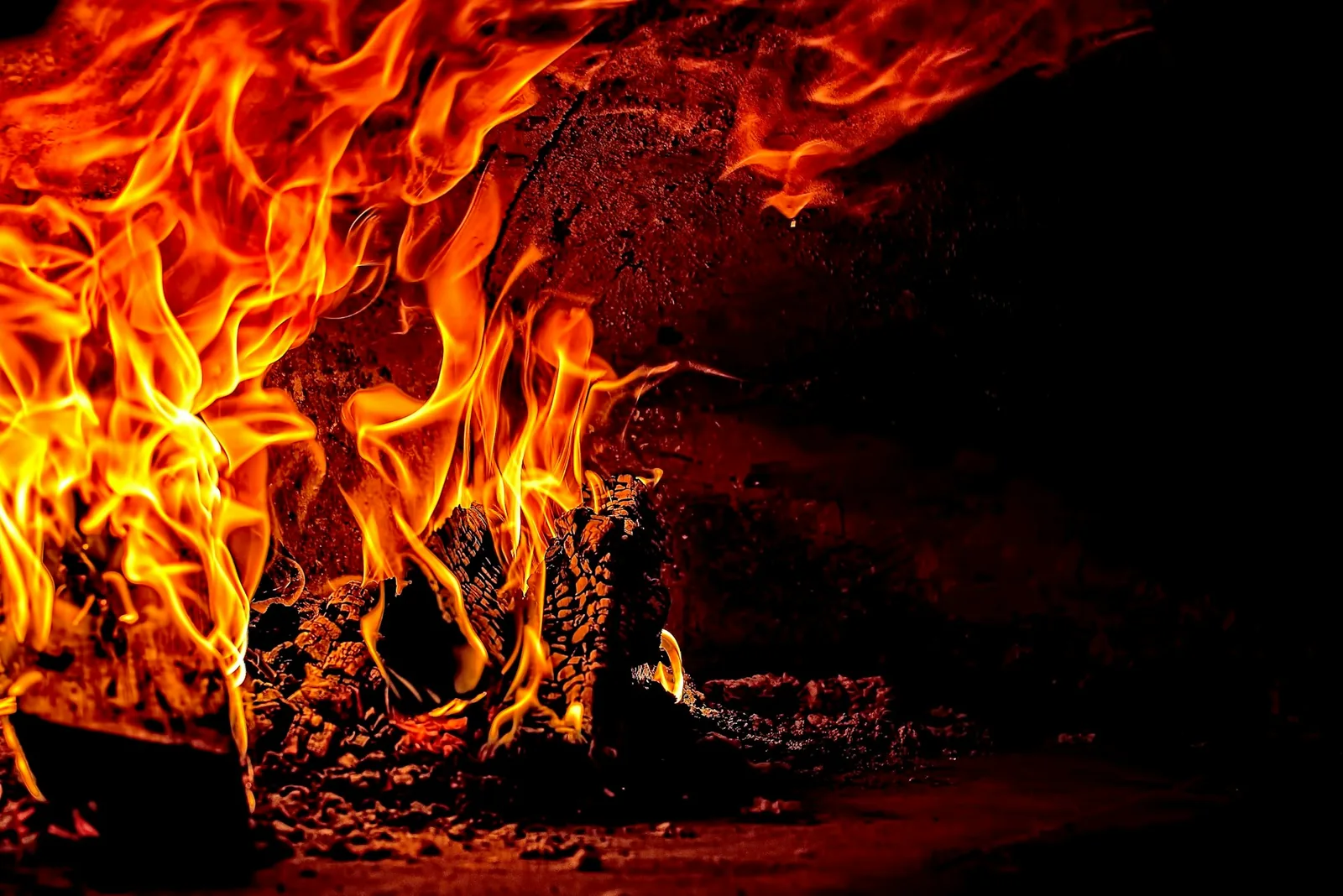
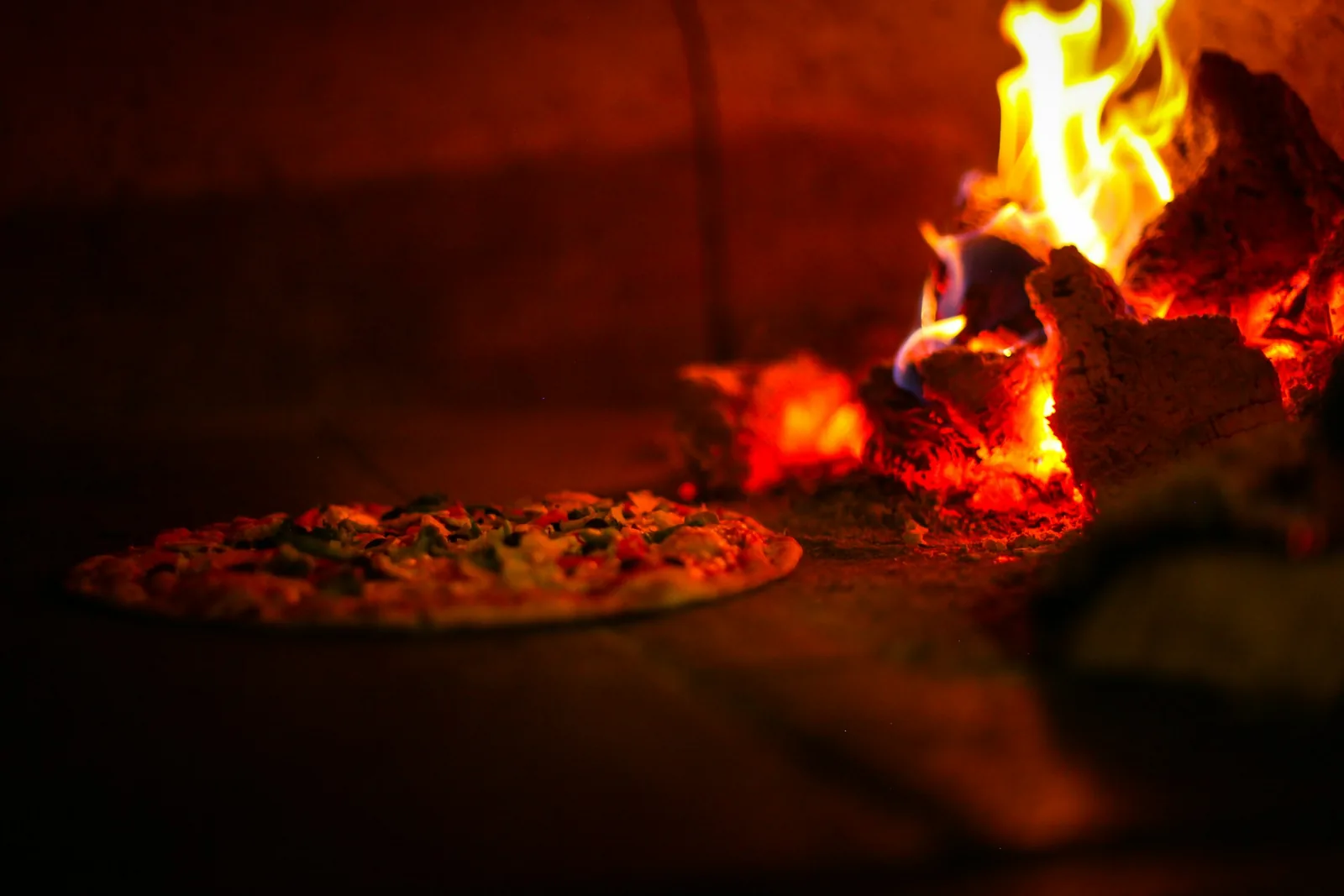
The oldest design and the most extreme. A fire burns inside the chamber, the dome radiates heat downward, and the floor stores it.
The result is a bake measured in seconds and a rim that blisters and chars in spots. It is also uneven by nature — one side faces the fire — which is why pizzas get turned during the bake.
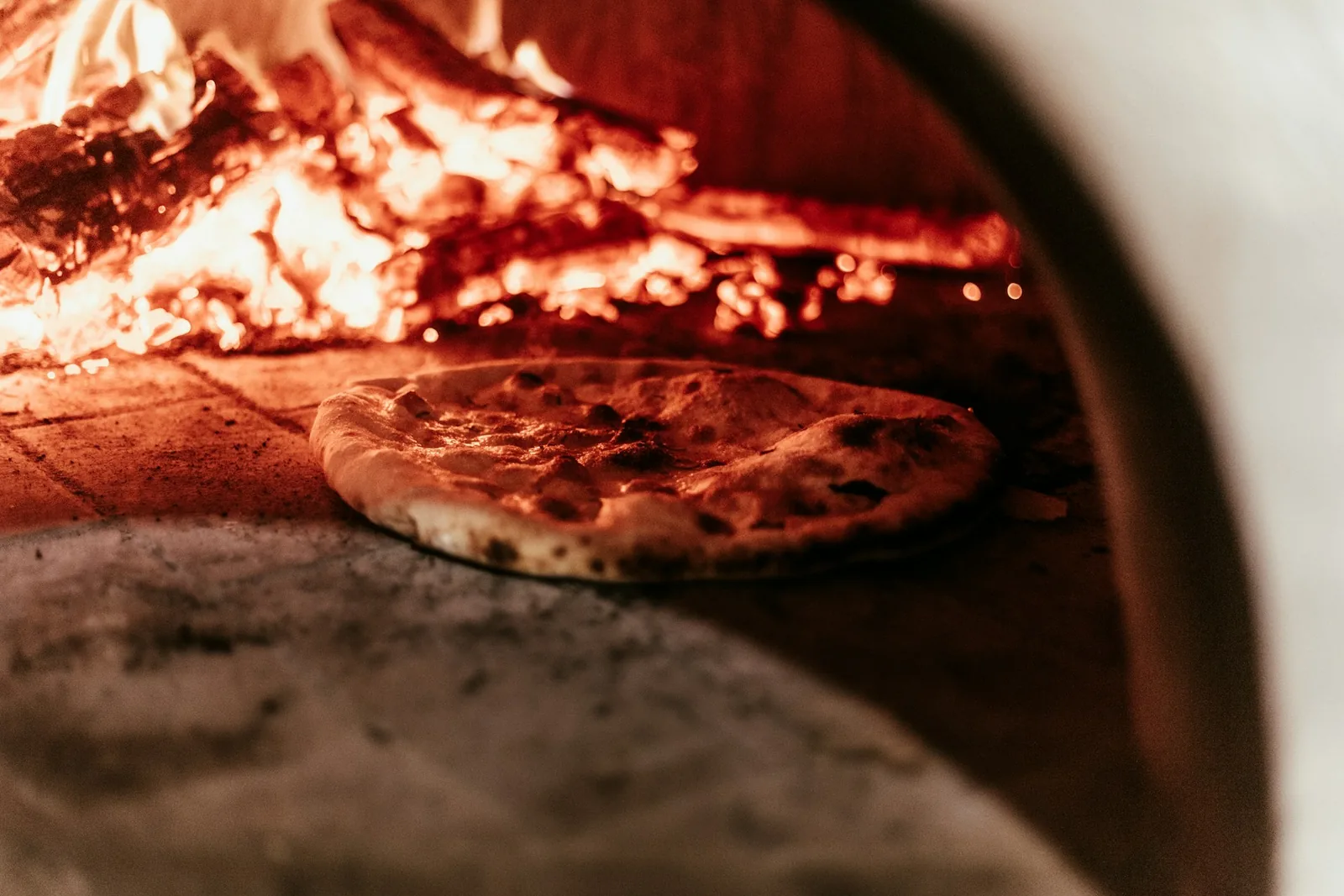
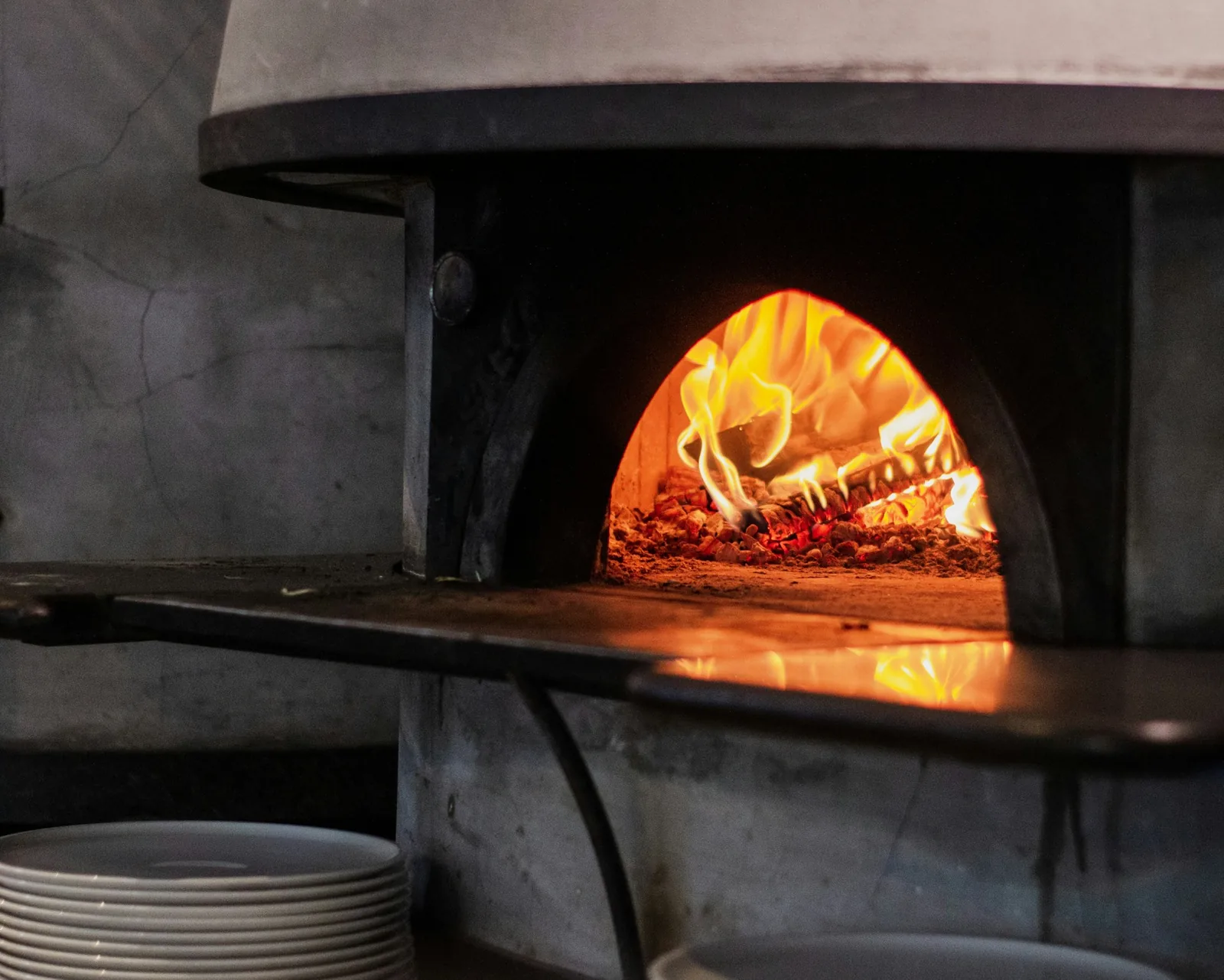
Wood contributes far less flavour than people assume. Almost everything that makes a wood-fired pizza distinctive comes from the heat, not the smoke.
Deck ovens
A gas or electric oven with thick stone shelves. Less romantic than wood and considerably more controllable, which is why a great many good pizzerias use them.
You get the same stored-heat effect from the stone with a temperature that holds steady all service. The trade-off is a slightly slower bake and less dramatic charring.
Conveyor ovens
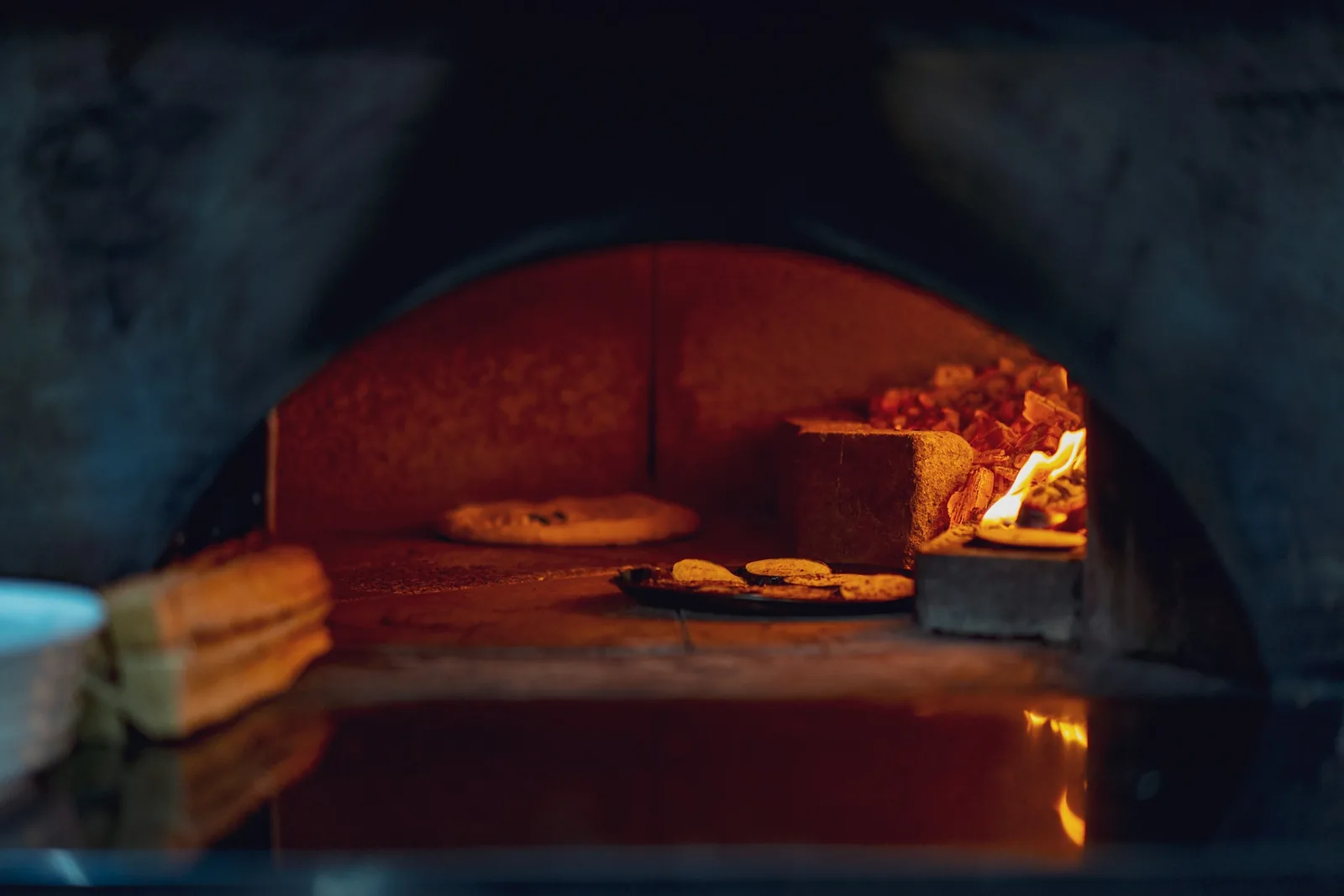
A belt carries pizzas through a heated tunnel at a fixed speed. Whatever goes in comes out the same, every time, with no judgement required.
That consistency is the point. For a kitchen turning out volume during a rush, identical results matter more than a spectacular individual pizza. Bake times run longer and temperatures lower, which produces a drier, more uniform base.
It is the least glamorous option and by far the most common in American pizzerias. Knowing that explains a lot about why chain pizza tastes the way it does.
Why your oven struggles
A domestic oven usually tops out well below what a deck oven runs at, and it heats mostly by air. Together those two facts mean the base dries out over a long bake instead of setting quickly.
The door is the other problem. Opening it dumps the heat, and a home oven takes minutes to recover where a deck barely dips.
Why the first pizza is never the best one
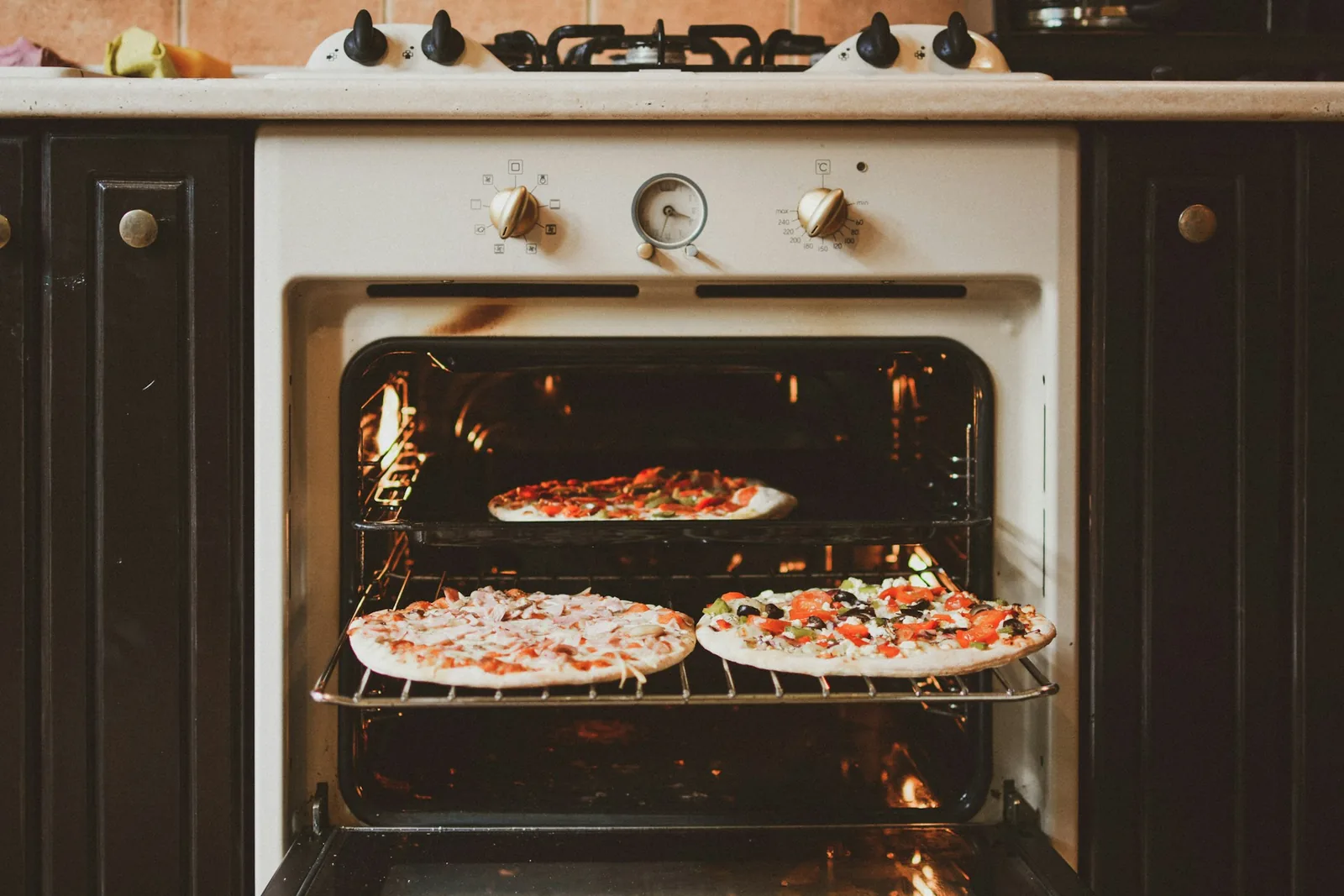
Anyone who has cooked several pizzas in a row at home knows the second is better than the first, and the third better again. That is stored heat catching up.
An oven reaches its set temperature long before the shelf, the walls and anything heavy inside it have finished absorbing energy. The dial says it is ready and the surfaces are still filling up. A stone that has been in for fifteen minutes is at temperature on its face and cool through its middle.
So the first pizza draws heat out of a surface that has not got much to give, and the base pales. By the third, the stone has fully saturated and behaves closer to a deck.
The practical version is simply to wait longer than feels necessary. An hour is not excessive, and it costs nothing but patience.
Getting closer at home
- Preheat something heavy. A stone or steel left in the oven for a full hour stores heat the way a deck does. This matters more than any other change.
- Run the oven at its maximum. Whatever that is, use all of it.
- Use the grill element at the end. Top heat browns the cheese while the base finishes.
- Open the door as little as possible. Every look costs you recovery time.
- Launch quickly. Dough sitting on a peel starts sticking within a minute.
None of this makes a home oven into a deck oven. It closes the gap, and what remains is the reason a pizzeria pizza tastes different even when the dough is made the same way.
Pizza Questions, Answered.
How hot is a pizza oven?
Wood-fired ovens run far hotter than domestic ovens and bake a pizza in well under two minutes. Deck ovens run lower but steadier, and conveyor ovens lower still with a longer fixed bake.
Does wood-fired pizza taste of smoke?
Much less than people expect. The distinctive character comes mostly from the intensity of the heat rather than smoke flavour.
Is a pizza stone worth it?
Yes, and a steel is better still. Both store heat and transfer it into the base, which is the single biggest difference between home and restaurant results.
Why is my home-made pizza base pale and dry?
The base spent too long in moderate air heat instead of setting quickly against a hot surface. Preheat something heavy and bake as hot as your oven allows.
The short version
Stored heat in the floor, not air temperature, is what bakes a pizza base. Wood-fired gives char and speed, deck gives consistency, conveyor gives uniformity, and a home oven gives you a slower bake unless you add thermal mass.
What comes out also depends on what went in — our guides to dough and crust styles cover that side. The menu at Ray’s is open daily.

Ray’s Pizza Team
Ray’s Pizza & Sub Shop is a neighborhood pizzeria at 95 Woodstown Rd, Swedesboro, New Jersey, serving pizza, stromboli, hot and cold subs and dinners seven days a week from 10:30am to 9:00pm. These guides are written by the people behind the counter.
Visit Ray’sMore From Ray’s