Why Mozzarella? A Guide to Pizza Cheese
Mozzarella melts smoothly, stretches, and browns without splitting. Very few cheeses manage all three.

Mozzarella is the default for a reason that has nothing to do with tradition. It has the right fat content to melt smoothly, the right moisture to stretch, and a mild enough flavour that it does not fight whatever is on top of it.
Most alternatives fail on one of those three. They split into oil, they turn grainy, or they overpower the pizza.
| Cheese | Melt | Best used as |
|---|---|---|
| Low-moisture mozzarella | Smooth, stretchy | The base layer |
| Fresh mozzarella | Wet, soupy in patches | Scattered, not spread |
| Provolone | Smooth, sharper | Blended with mozzarella |
| Parmesan | Does not melt well | Grated after baking |
| Ricotta | Stays in soft pockets | Dolloped, not spread |
What mozzarella actually does
Melting is not one property. A cheese has to soften, flow, and then hold together rather than separating into fat and solids. Mozzarella’s protein structure survives that heat better than most.
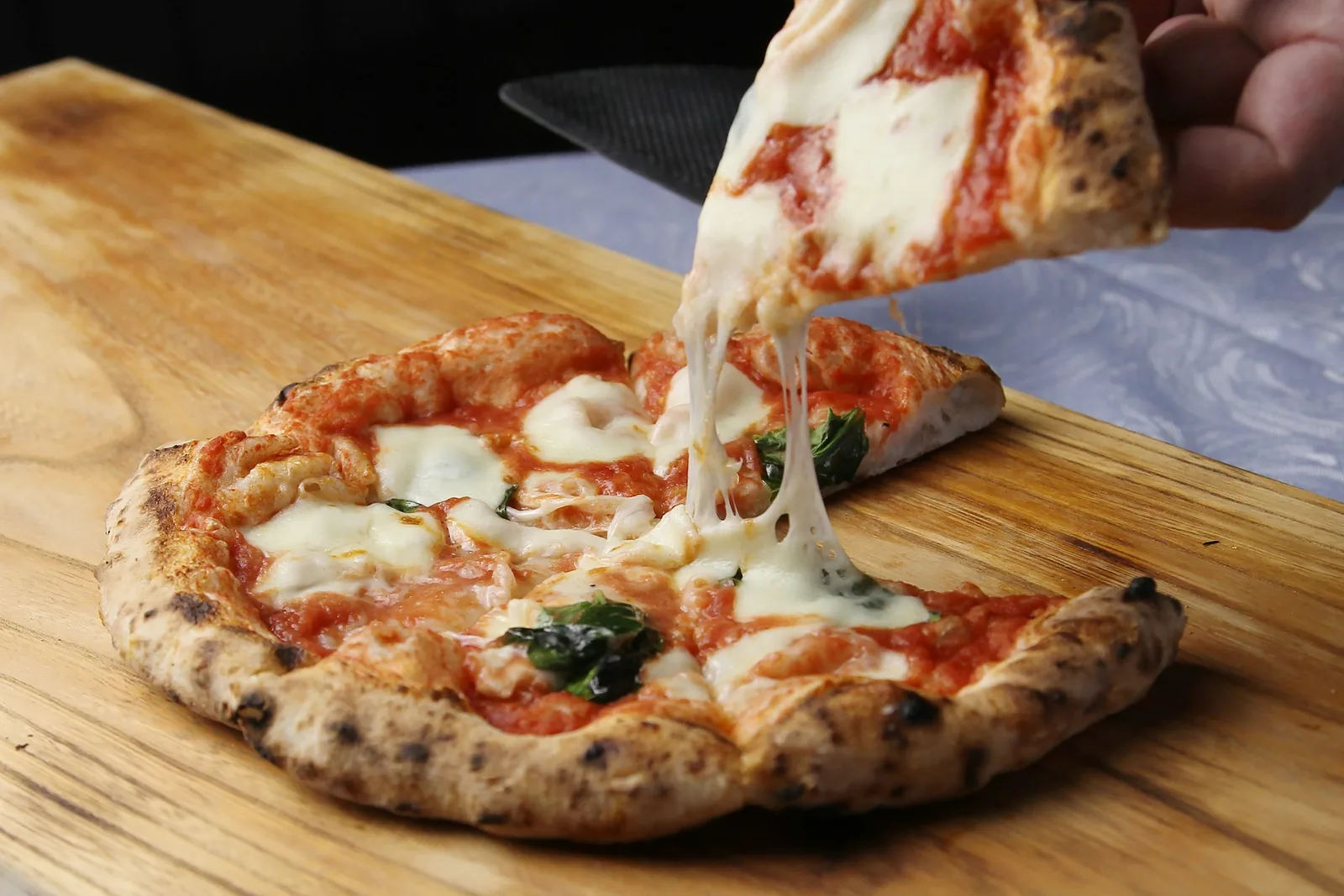
The stretch comes from those same proteins staying linked as the cheese softens — which is why a good slice pulls into strands rather than sliding off in a sheet.
Fresh versus low-moisture
This is the distinction that matters most, and the one most people have never had explained.
Low-moisture mozzarella is aged briefly and dried. It is firmer, saltier, and shreds cleanly. It melts evenly across a whole pizza without releasing much water, which is why it is what almost every pizzeria uses as its base layer.
Fresh mozzarella is soft, sold in water or brine, and much wetter. It tastes better on its own and worse spread across a pizza, because that water ends up on the base.
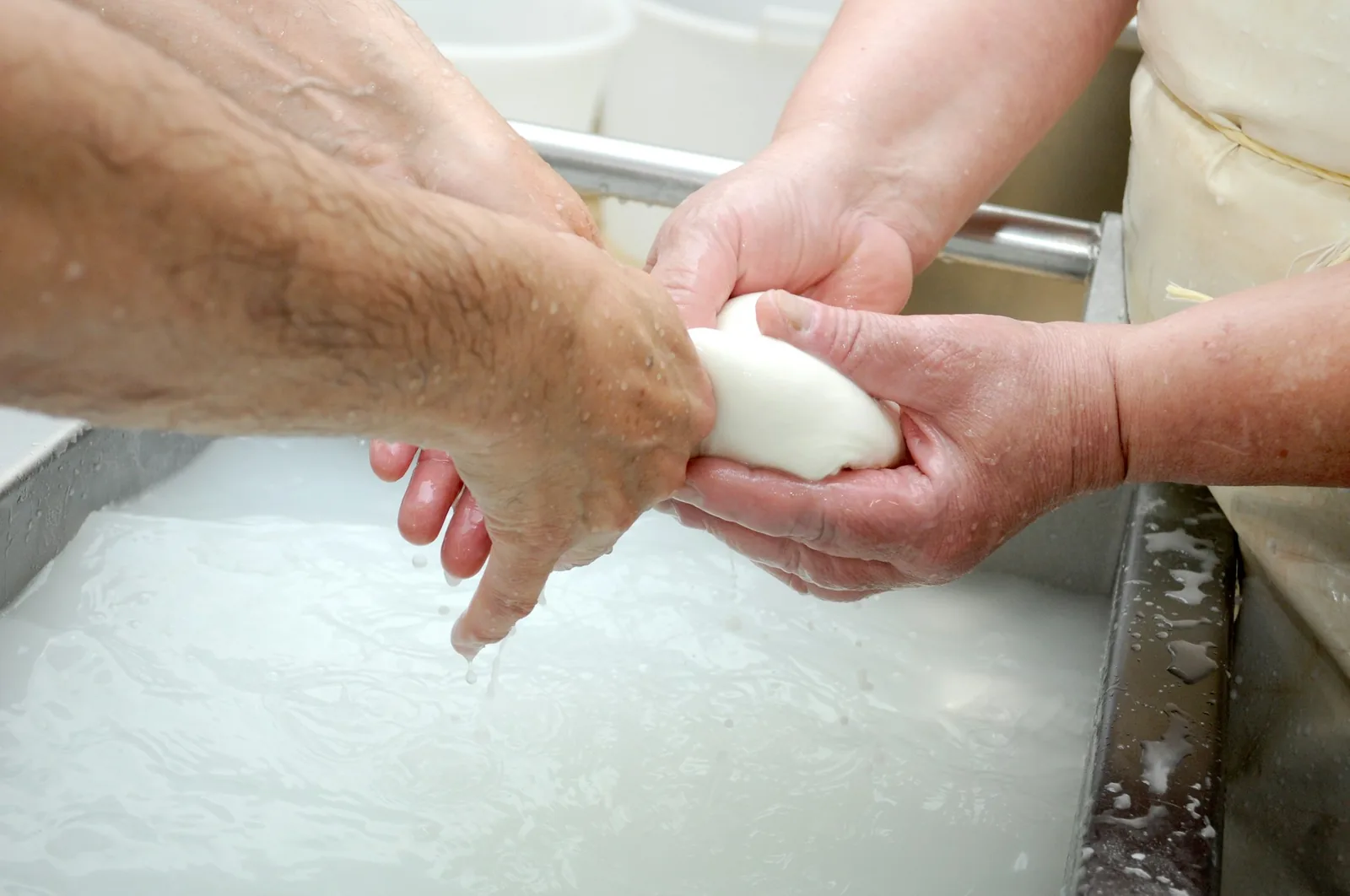
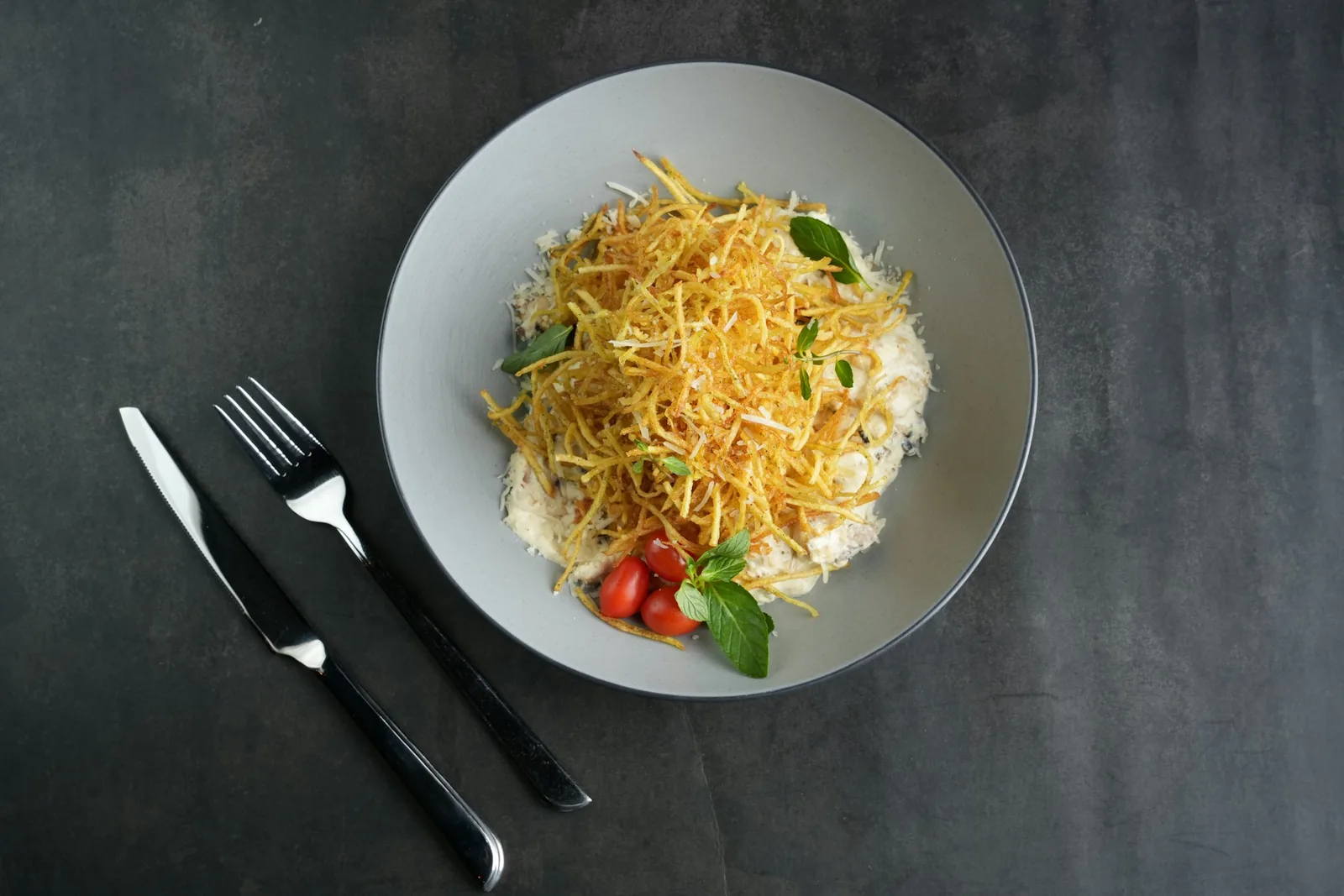
The way around it is to use fresh mozzarella in torn pieces rather than an even layer, so the water it releases has somewhere to escape. That is exactly what a Neapolitan-style margherita does.
What the other cheeses are for
Provolone
Melts almost as well as mozzarella and tastes considerably sharper. A small proportion blended in adds savoury depth without changing the texture.
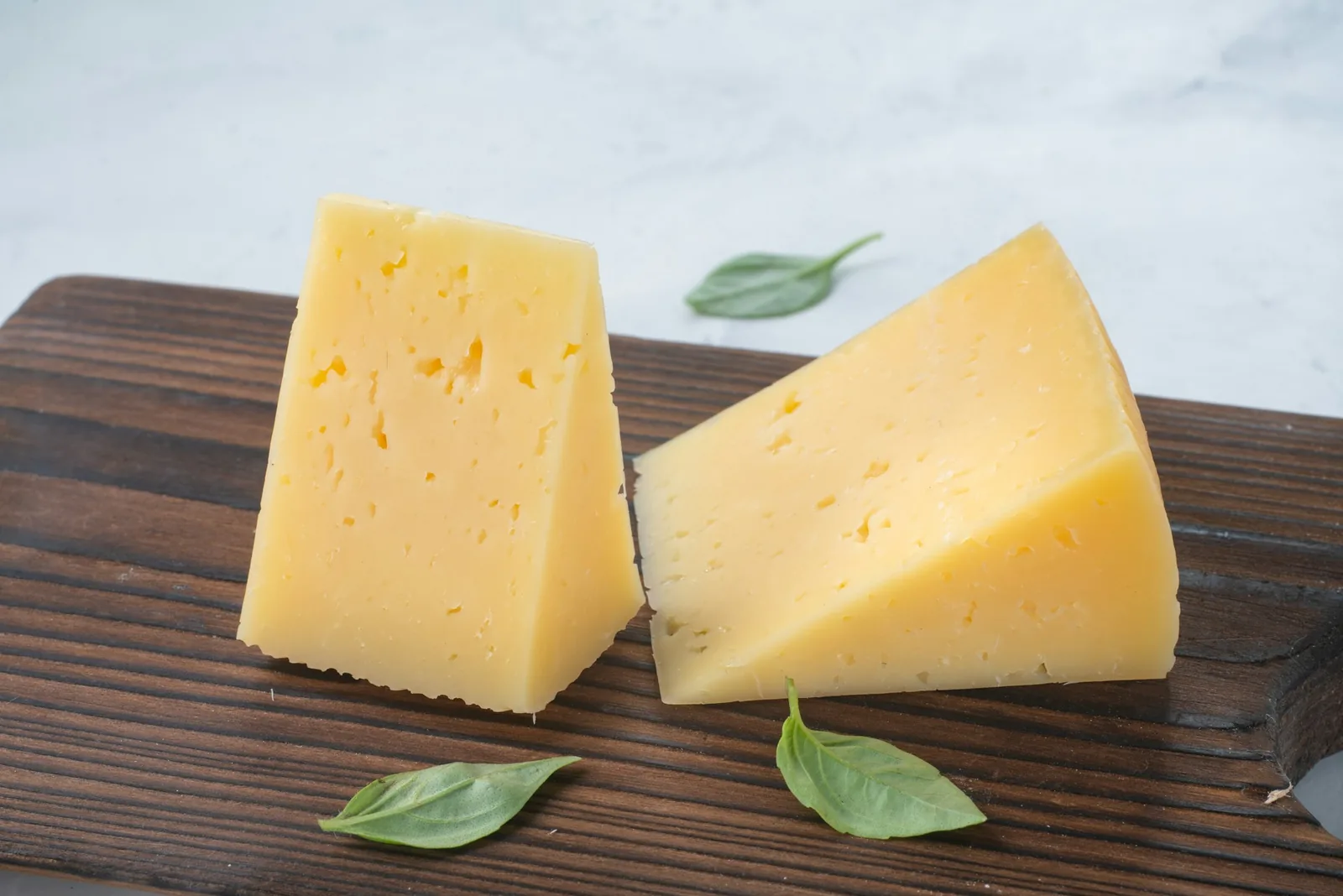
Parmesan and hard grating cheeses
Very low moisture and high salt, so they do not melt so much as toast. Best grated over after the bake, where the flavour stays sharp rather than baking away.
Ricotta
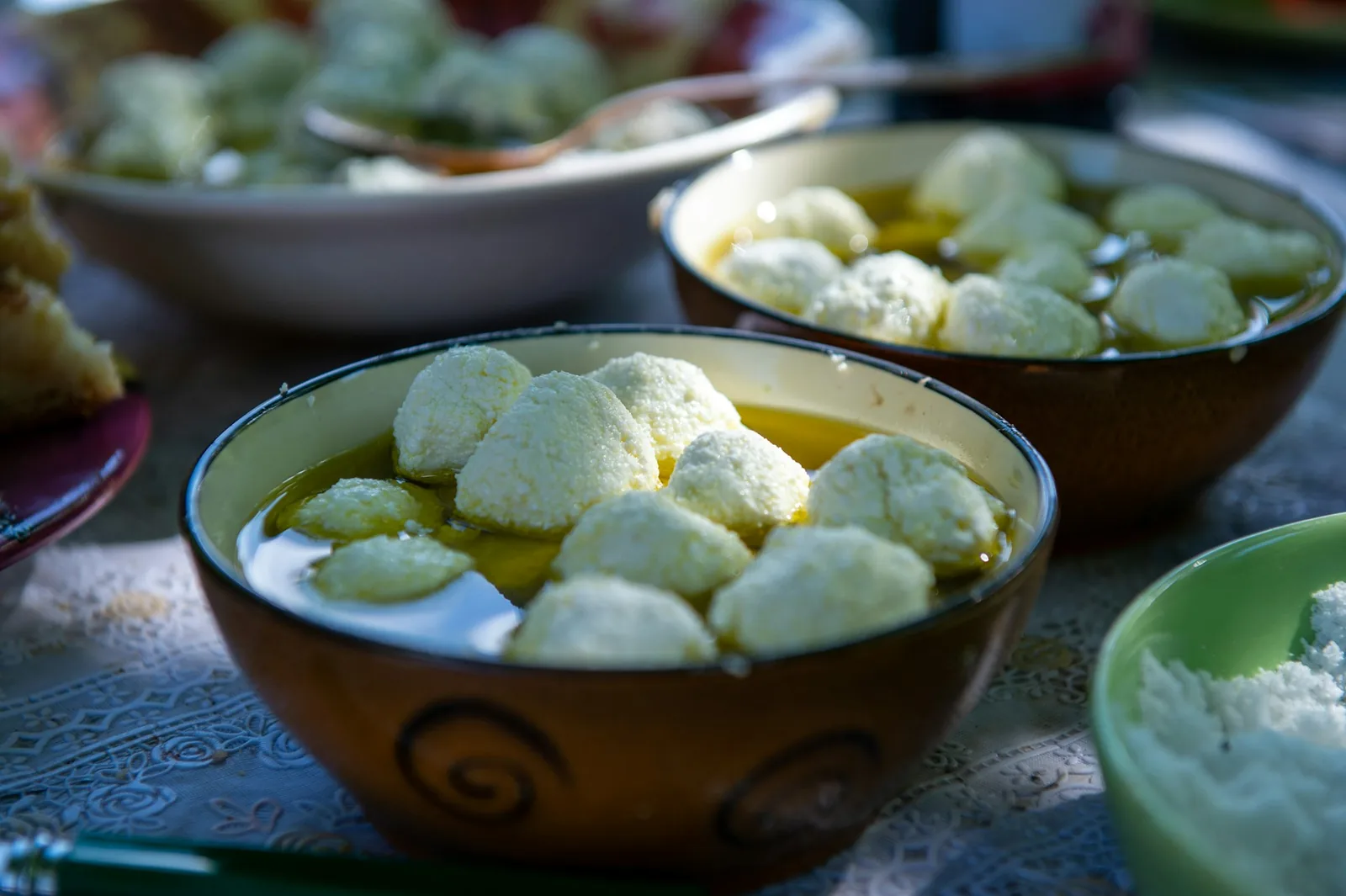
Barely melts at all, which is the point. It stays in soft white pockets, which is why it belongs on white pizza and inside a calzone rather than spread across a base.
Blending
Most pizzerias use mozzarella alone or mozzarella with a small amount of something sharper. The logic is simple: mozzarella supplies the melt and the stretch, and a second cheese supplies flavour it lacks.
Blends go wrong when the second cheese is too large a proportion. Past roughly a quarter, the texture starts to follow the sharper cheese rather than the mozzarella, and you lose the pull.
- MozzarellaMelt, stretch, mild flavour.
- ProvoloneSharpness, without losing the melt.
- ParmesanSalt and depth, added after baking.
- RicottaSoft pockets that survive the oven.
- RestraintOne cheese does most of the work.
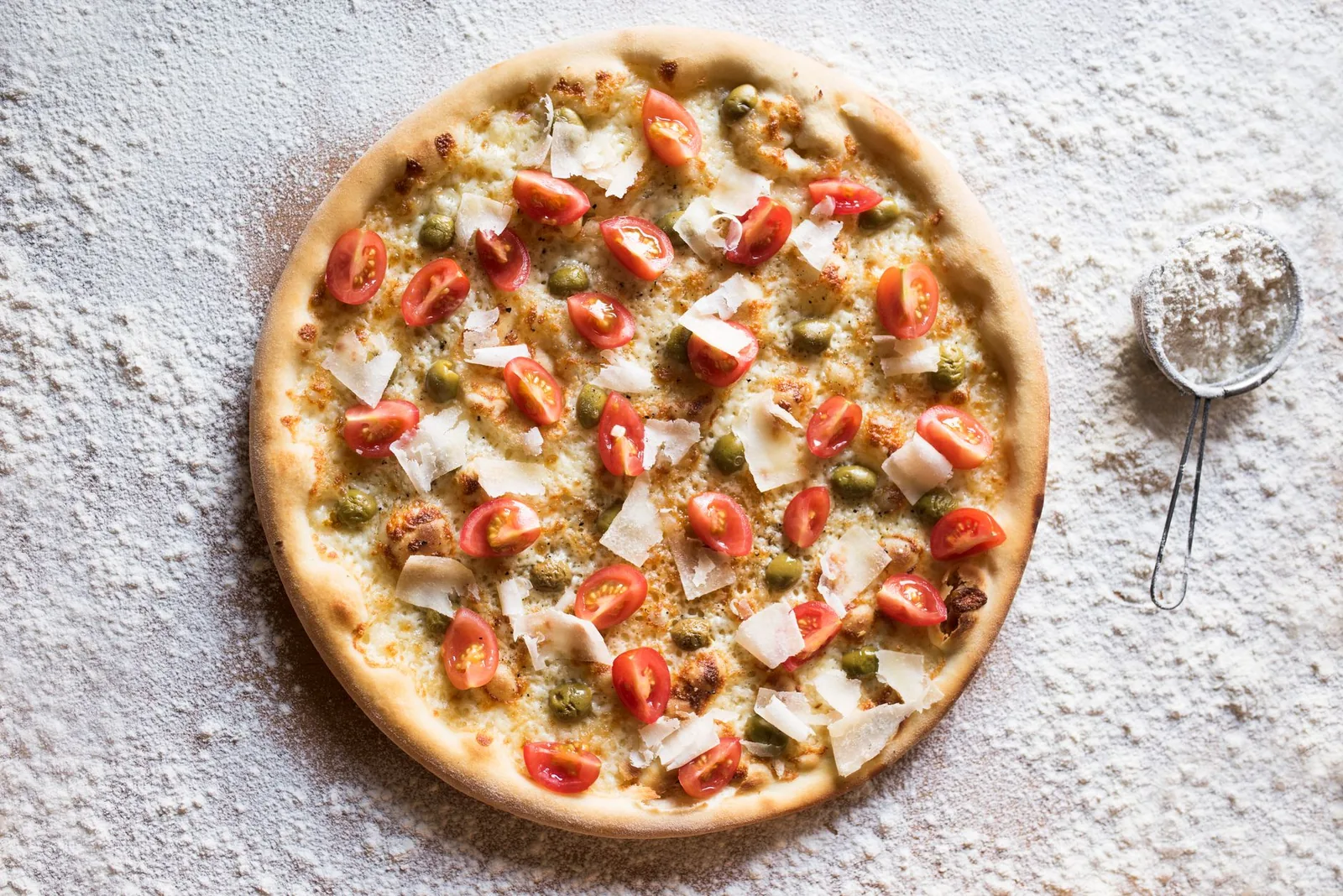
How much cheese is right
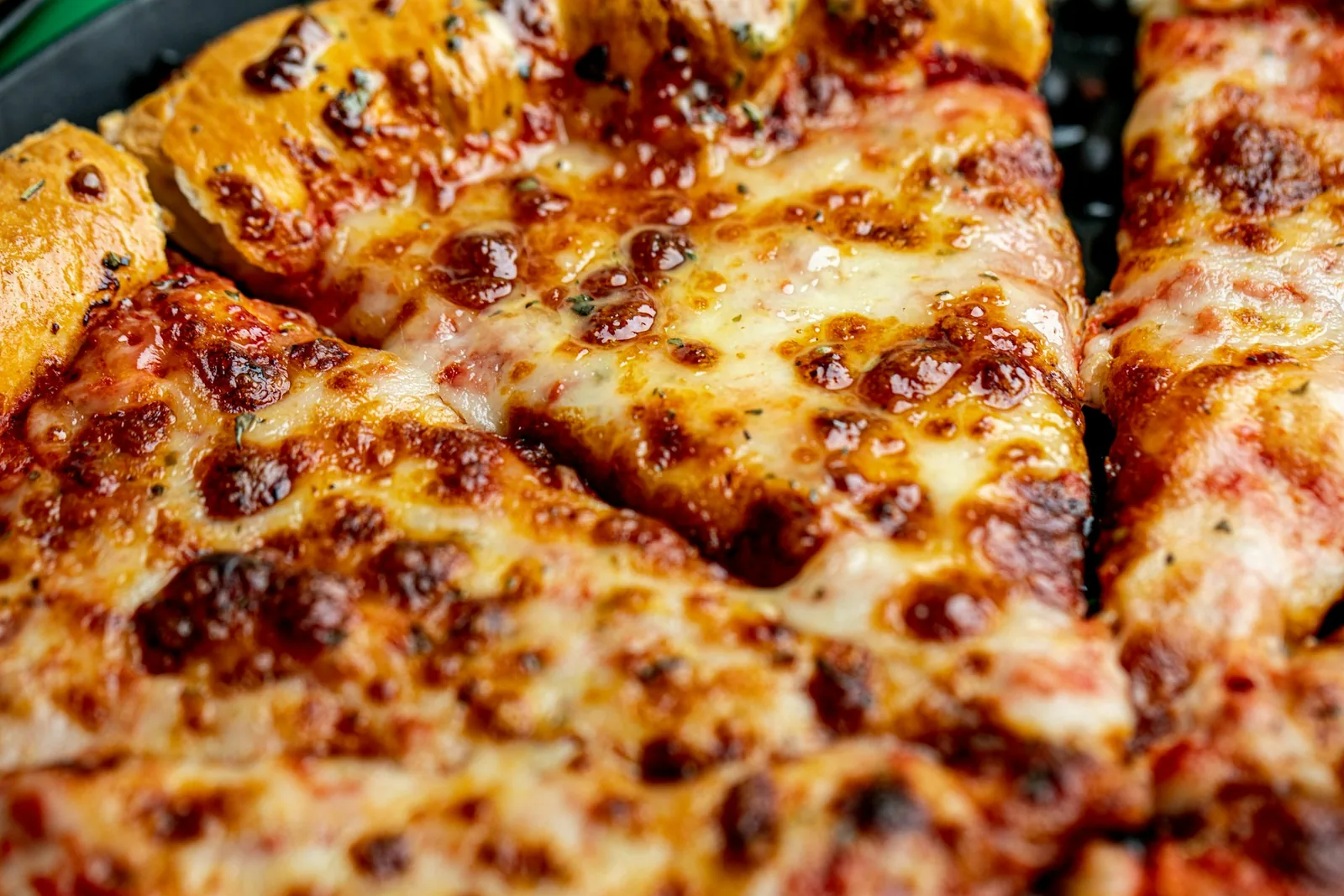
More cheese is not straightforwardly better. Past a certain thickness the layer stops browning properly, because the top insulates what is underneath and the whole thing steams instead.
Too much cheese also makes a pizza harder to eat. The layer slides as a sheet when you lift a slice, taking the toppings with it, which is the failure mode behind every pizza that arrives with its toppings piled at one end.
An even, moderate layer that lets a little sauce show through at the edges browns better, holds its toppings, and tastes more balanced than a thick blanket. It is one of the clearest differences between a pizzeria pizza and a homemade one, and it is a restraint rather than a technique.
Why cheese sometimes goes oily
An orange pool on a pizza is fat that has separated out of the cheese. It happens when the cheese gets too hot for too long, and the emulsion holding fat and protein together breaks.
Higher-fat cheeses separate more readily, which is one reason a pizza loaded with several cheeses often looks greasier than one using mozzarella alone. Long bakes at moderate heat cause it more than short bakes at high heat.
It is a cosmetic problem rather than a fault, and it is worth knowing that it is the oven and the blend doing it rather than the cheese being poor quality. A slice blotted with a napkin loses the pooled fat and none of the flavour, which is the whole fix.
At Ray’s, the Cheese, White and Tomato pies are listed alongside the gourmet range, in Medium, Large and Sicilian.
Pizza Questions, Answered.
What is the best cheese for pizza?
Low-moisture mozzarella, for almost every purpose. It melts smoothly, stretches, and does not release enough water to soften the base.
Why is fresh mozzarella watery on pizza?
It is stored in water and holds far more moisture than the aged, dried version. Spread across a base that water has nowhere to go except down.
Can you use cheddar on pizza?
You can, but it separates into oil more readily and does not stretch. It works better blended in small amounts than used on its own.
Why does my pizza cheese go rubbery?
Usually overcooking, or reheating. Protein tightens as it loses moisture, which turns a smooth melt firm and chewy.
The short version
Mozzarella wins because it does three things at once, and low-moisture is the version that suits a whole pizza. Everything else is a supporting player — sharpness from provolone, salt from a hard cheese after the bake, soft pockets from ricotta.
What it sits on matters as much: our explainer on what pizza dough does covers the base, and topping combinations covers what goes over the top.
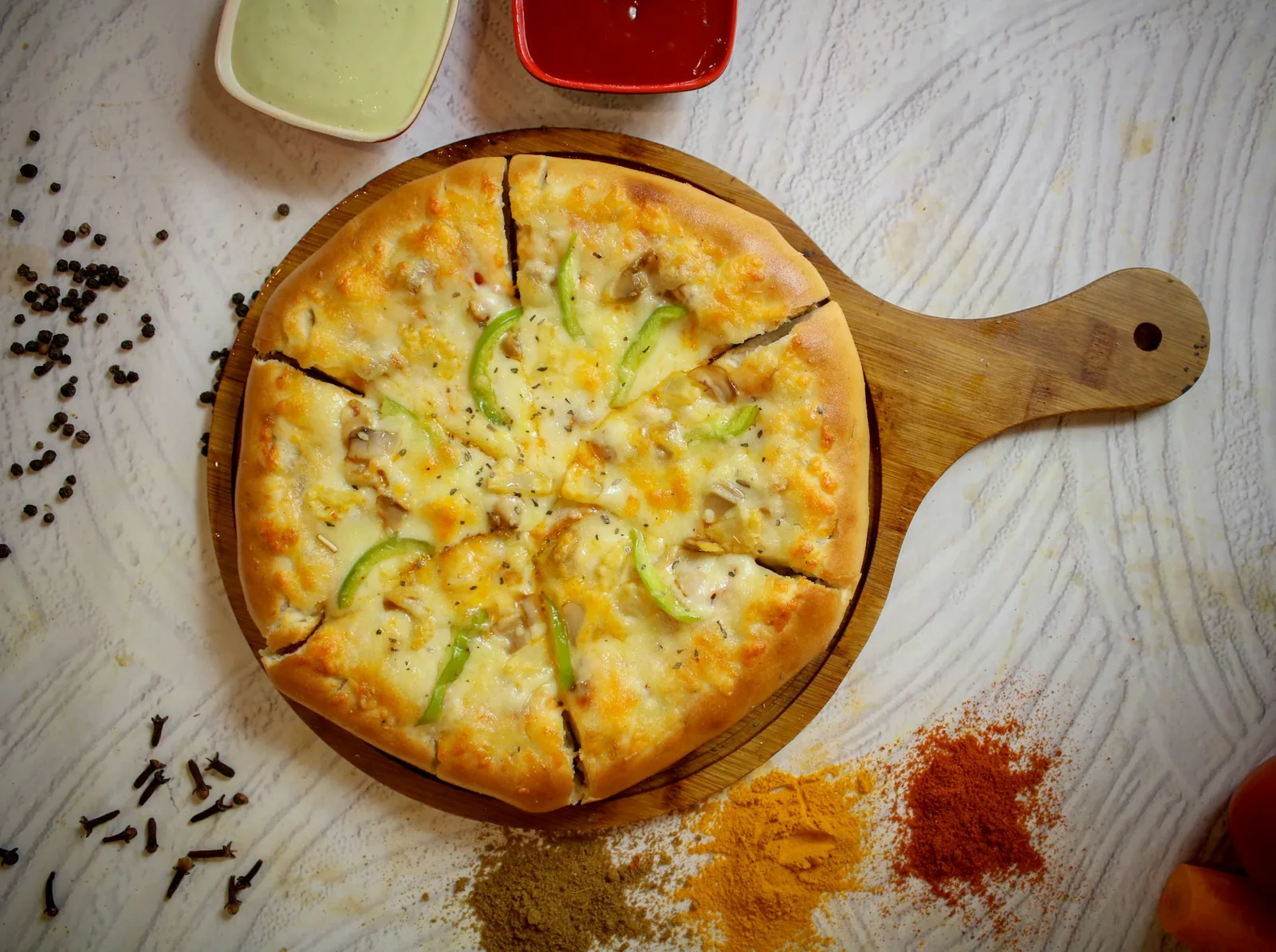

Ray’s Pizza Team
Ray’s Pizza & Sub Shop is a neighborhood pizzeria at 95 Woodstown Rd, Swedesboro, New Jersey, serving pizza, stromboli, hot and cold subs and dinners seven days a week from 10:30am to 9:00pm. These guides are written by the people behind the counter.
Visit Ray’sMore From Ray’s