Cheese Steak, Explained
Thin-sliced beef, a hot griddle and a long roll. The roll is closer to half the sandwich than most people credit.
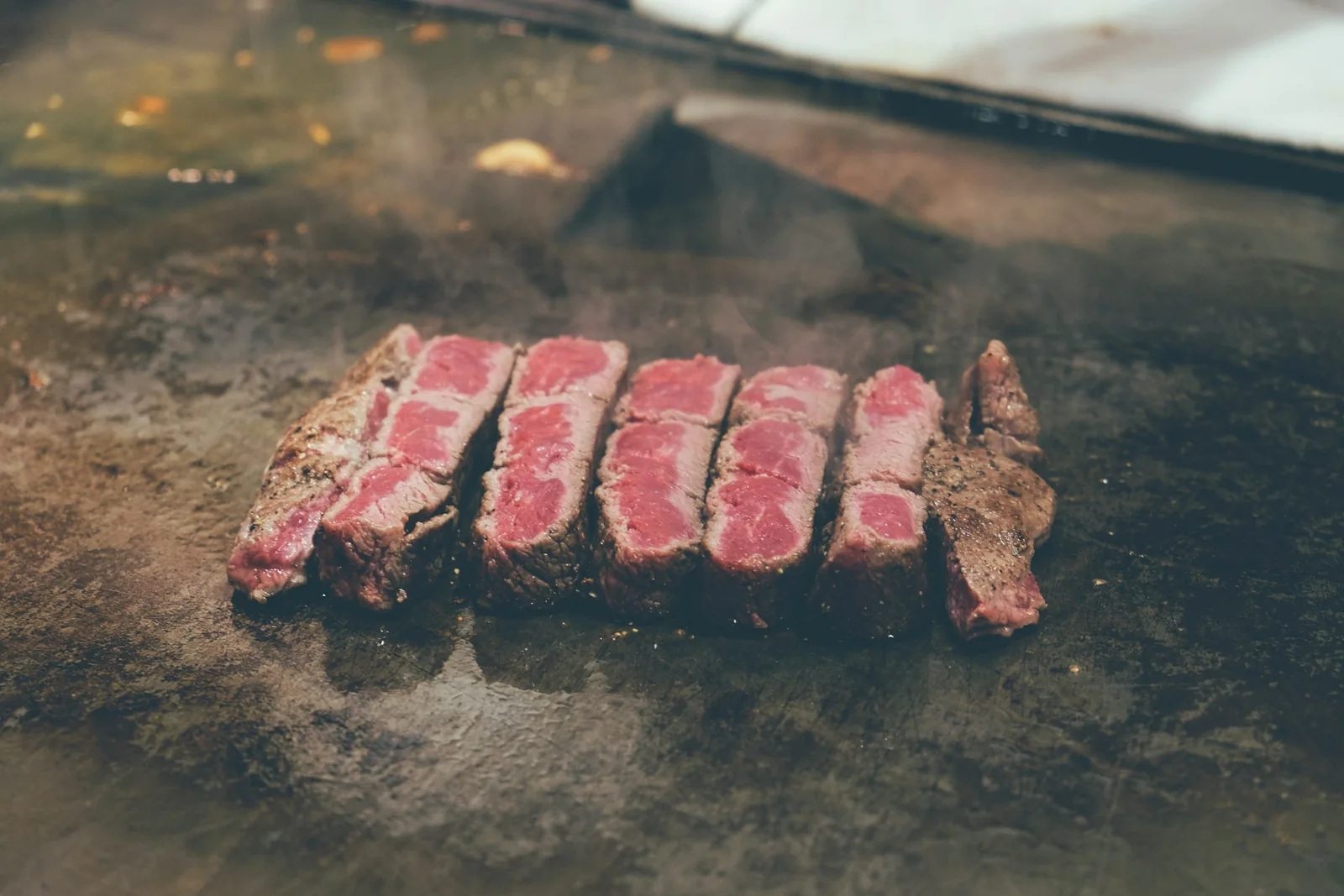
A cheese steak is thinly sliced beef, cooked fast on a flat griddle, chopped as it cooks, and loaded into a long roll with melted cheese. Onions are usual. Everything else is optional.
It comes out of Philadelphia, which puts its home about thirty miles from Swedesboro, and it is a fixture on pizzeria menus across this region for the same reason stromboli is.
| Element | What matters | Gets wrong |
|---|---|---|
| Beef | Sliced very thin | Too thick, turns chewy |
| Griddle | Hot and flat | Steams instead of browning |
| Cheese | Melts into the meat | Sits on top as a slab |
| Roll | Soft inside, firm crust | Collapses or fights back |
What separates it from a steak sandwich
A steak sandwich is a steak in bread. A cheese steak is not — the beef is sliced paper-thin before cooking and chopped up on the griddle, so it goes into the roll as a loose, shreddy pile rather than as a piece of meat.
That distinction is the whole dish. You are not cutting through anything; the texture is closer to a filling than to a steak.
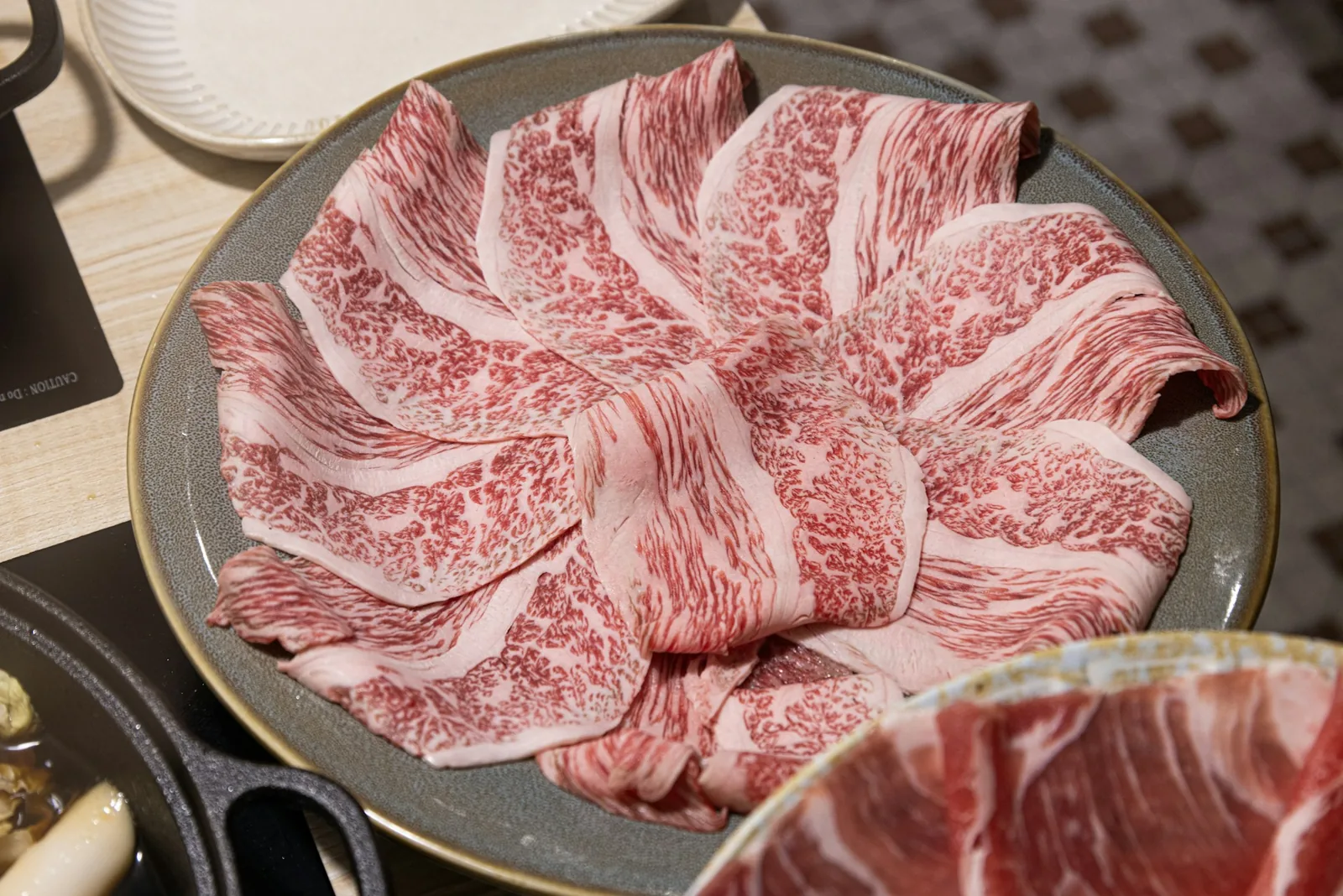
The beef and the griddle
Thin slicing does two jobs. It cooks almost instantly, so the meat never has time to toughen, and it gives an enormous amount of surface area for browning.
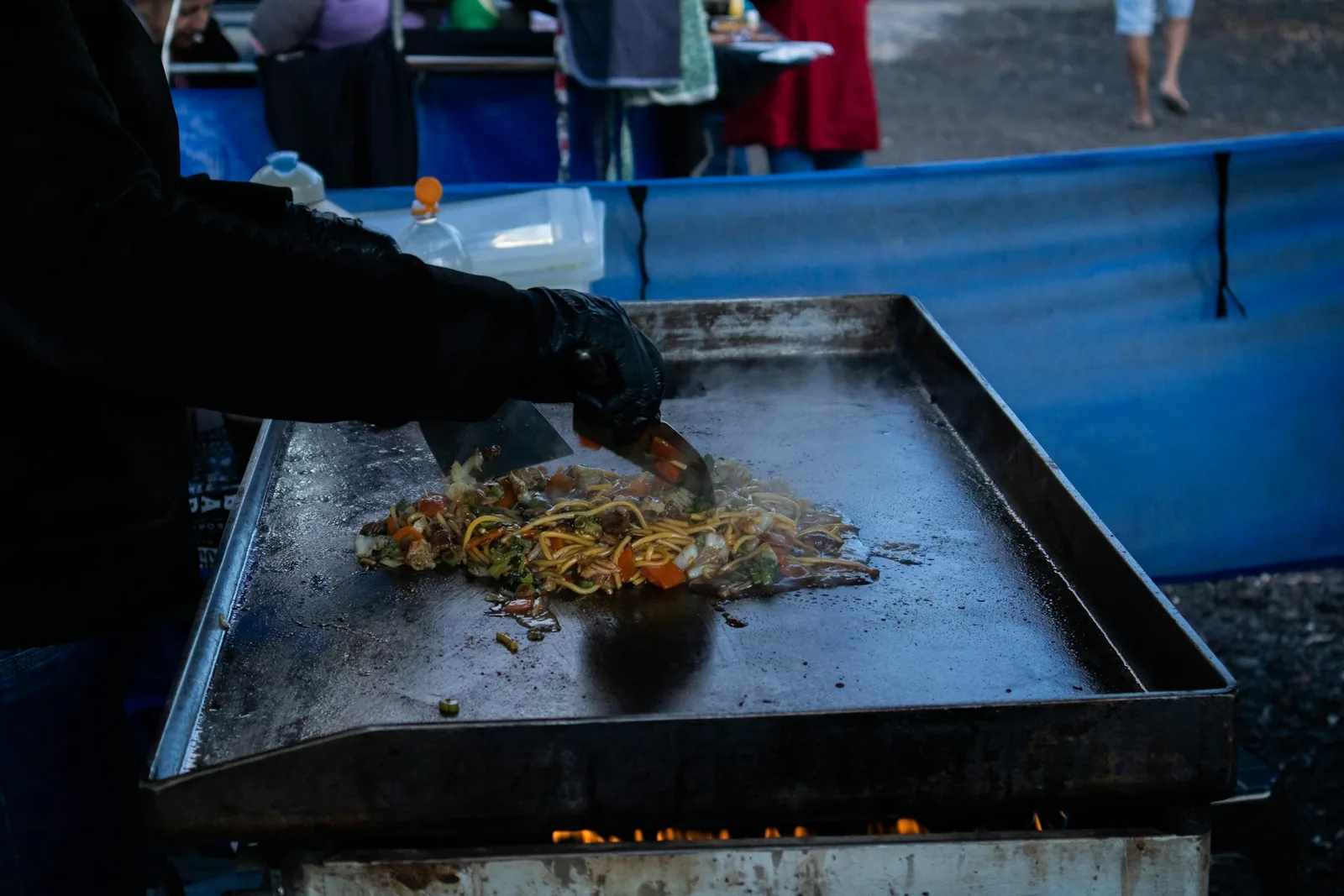
The flat griddle matters as much. Full contact with hot metal browns the meat across its whole face, which is where the flavour comes from. A grill would char in stripes and let the rendered fat drip away.
Chopping happens on the griddle, with the edge of a spatula, while it cooks. That is not showmanship — it breaks the slices down and works the browned edges through the whole pile.
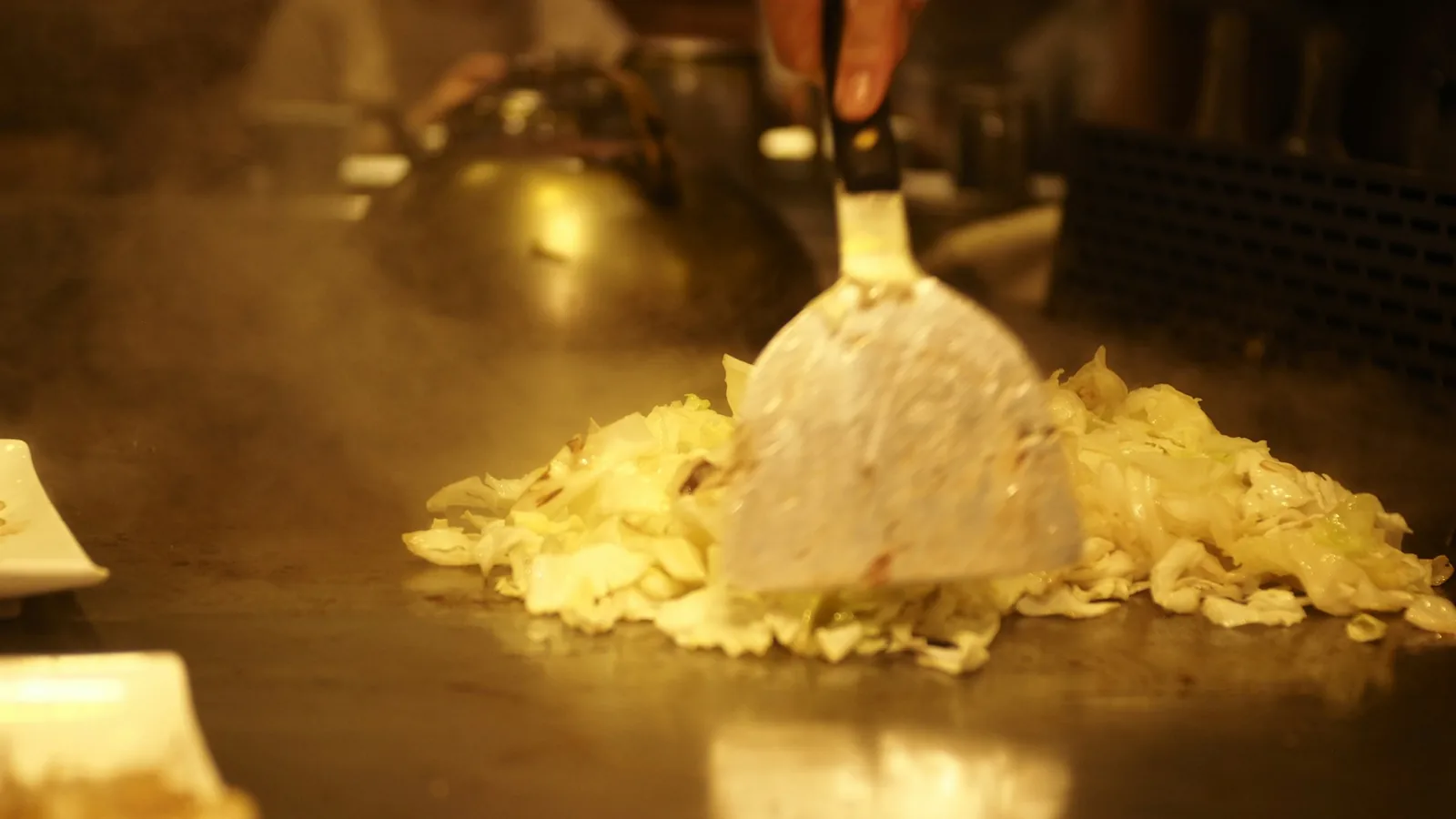
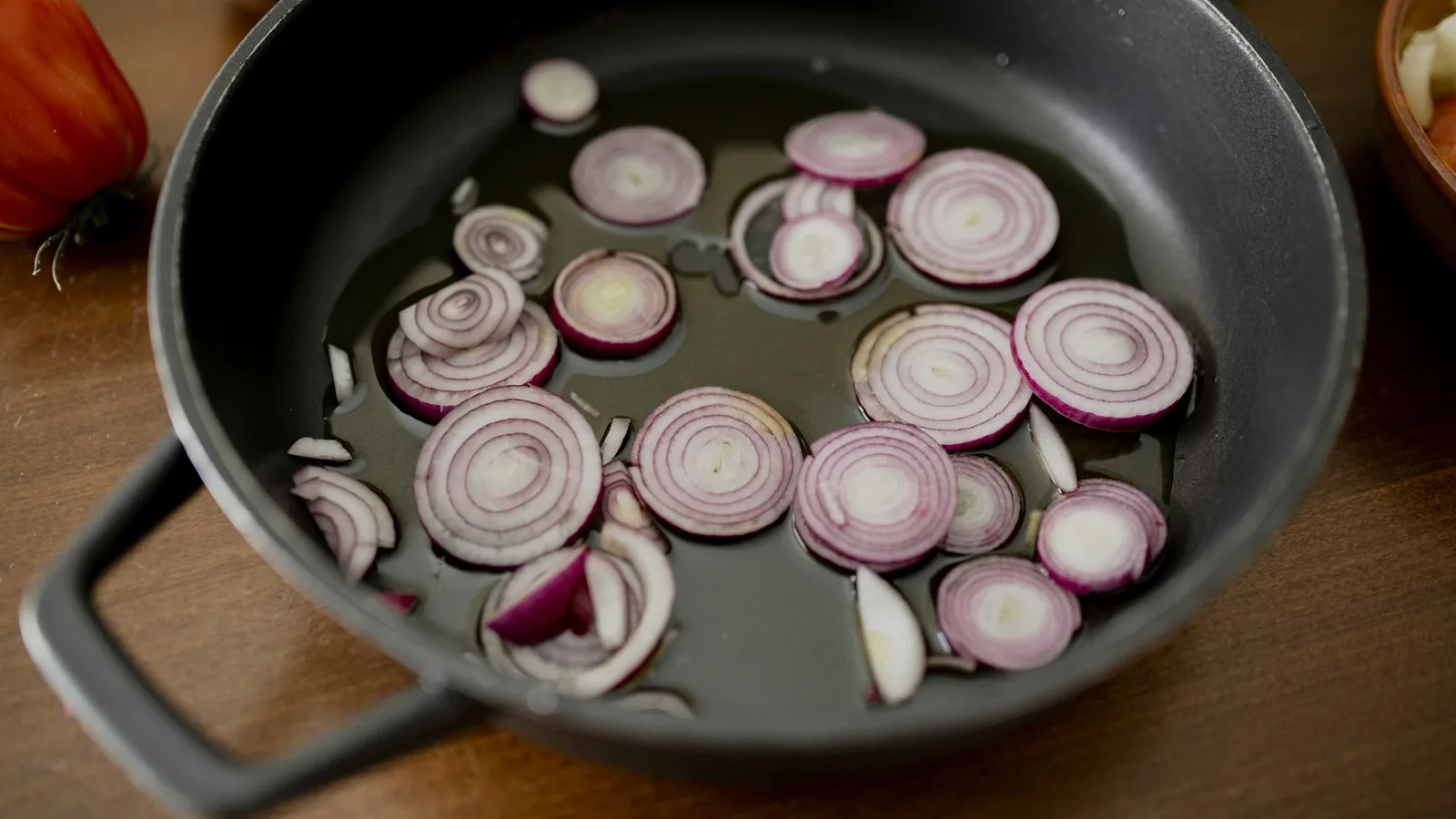
Onions go on the same surface and cook in the beef fat, which is why griddled onions on a cheese steak taste different from onions fried separately.
The cheese question
This is the argument people have, and the answer is less about taste than about melting behaviour.
The cheese has to melt into a loose pile of hot meat, not sit on top of it. That rules out most hard cheeses, which separate into oil, and most aged ones, which go grainy.
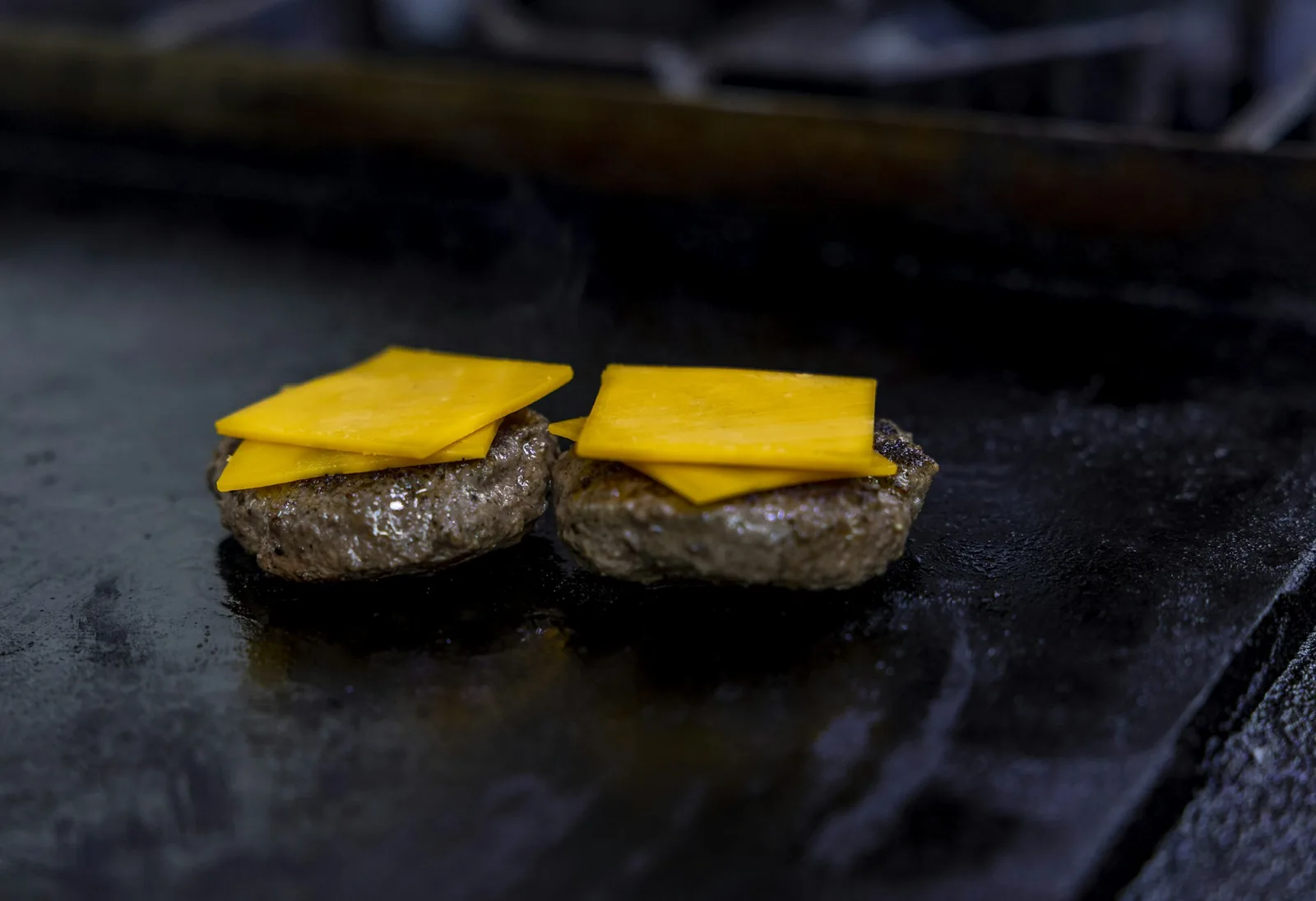
Provolone is the common choice — it melts smoothly and brings a sharpness that stands up to the beef. American melts more completely and tastes milder. Cheese sauce coats everything and needs no melting at all.
All three are legitimate. Anyone telling you there is only one correct answer is describing a preference, and our guide to cheese covers why melt behaviour varies so much between types.
The roll is half the sandwich
Under-discussed, and the thing most likely to ruin one.
A cheese steak roll has a specific job: absorb a certain amount of fat and juice without dissolving, while staying soft enough to bite through cleanly. That means a soft, open interior inside a crust with some structure.
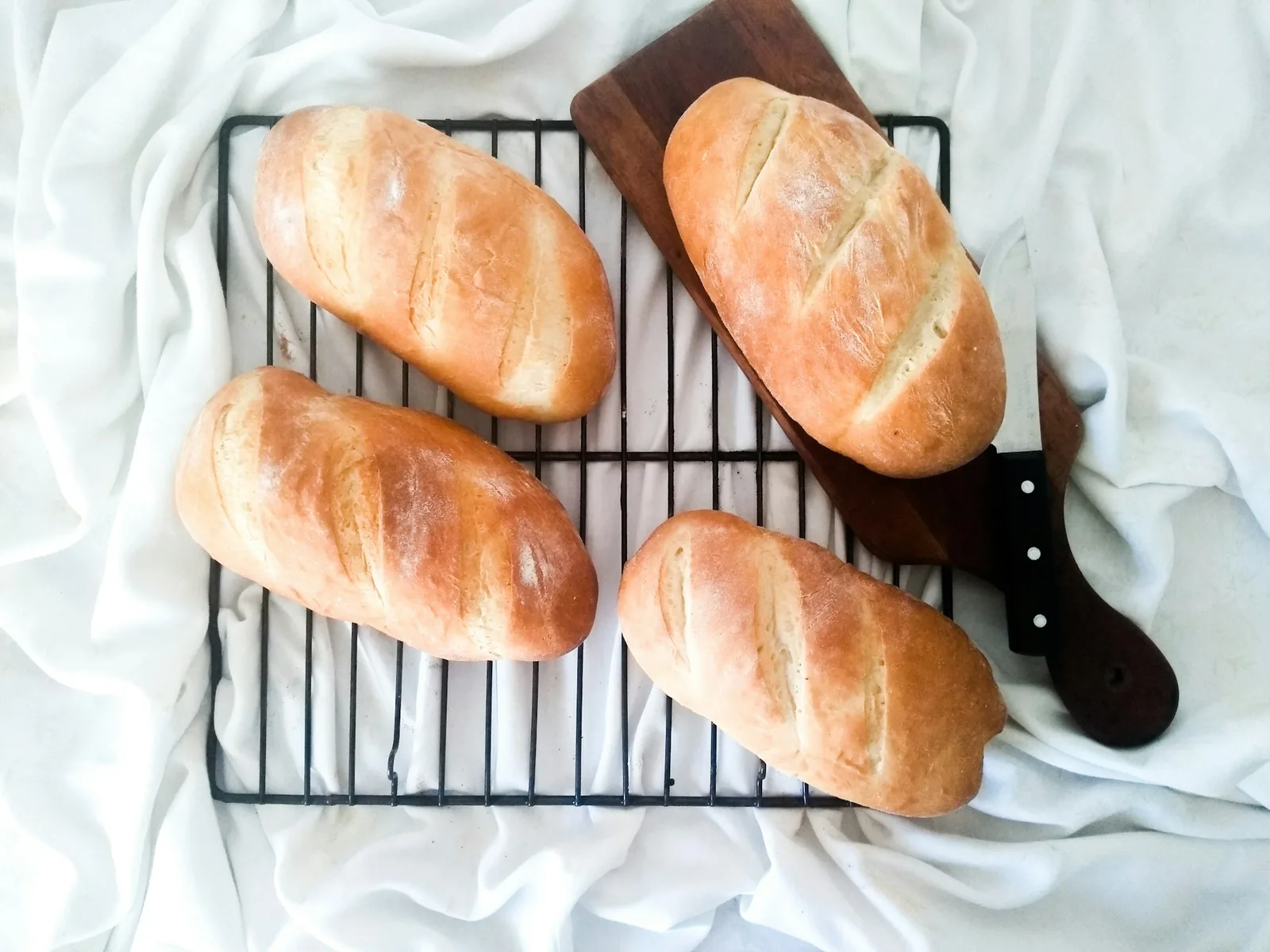
Too soft and it goes to paste halfway through. Too crusty — a proper baguette, say — and biting compresses it so hard the filling squeezes out the far end.
It is the same principle as our round roll or long roll piece: bread is a structural component, not packaging.
What else goes in
Beyond beef, cheese and onions, the additions are few and each does a specific job.
Peppers bring sweetness. Fried long peppers soften and turn sugary, which balances the salt in a way onions only partly manage. Hot peppers do the opposite and cut through the fat instead.
Mushrooms add savour but also water, which is the one thing a roll already struggling with beef juice does not need. They work better on a cheese steak eaten immediately than on one going home.
Ketchup or hot sauce divides people entirely. Both add acid, which the sandwich genuinely lacks – there is nothing sharp anywhere in beef, cheese and bread. Whether that acid should be sweet or spicy is preference.
What rarely helps is lettuce or tomato. Cold, wet additions on a hot sandwich steam the roll from the inside and drop the temperature of the filling, which is the opposite of what a cheese steak is for.
Wit and witout
Two words worth knowing before anyone uses them at you.
“Wit” means with fried onions. “Witout” means without them. That is the whole vocabulary, and it exists because it is faster to say than the alternative during a rush.
It is not a test. Ordering in plain English works everywhere, and no counter anywhere minds.
Ordering one
- Eat it immediately. This is the least patient sandwich there is. The roll starts absorbing the moment it is filled, and ten minutes changes it materially.
- Sauce on the side if it is travelling. Anything wet accelerates the same problem.
- Peppers if you want sweetness, which balances the salt and fat the way onions do not quite.
Ray’s lists Cheese Steak among its twenty sandwiches, along with a plain Steak, and the same filling turns up as a Philly Cheese Steak Pizza and a Steak Stromboli.
Pizza Questions, Answered.
What is a cheesesteak?
Thinly sliced beef cooked on a flat griddle, chopped as it cooks, and served in a long roll with melted cheese. Fried onions are standard.
What is the difference between a cheesesteak and a steak sandwich?
A steak sandwich is a steak in bread. A cheese steak uses beef sliced paper-thin and chopped on the griddle, so it goes in as a loose pile rather than a piece of meat.
What does ‘wit’ mean when ordering a cheesesteak?
With fried onions. ‘Witout’ means without. It is shorthand rather than a test – plain English works fine.
What cheese goes on a cheesesteak?
Provolone, American or a cheese sauce are all common. What matters is that it melts down into the meat rather than sitting on top of it.
The short version
Thin beef, hot flat griddle, chopped as it cooks, melted cheese, a roll that can take the moisture. Eat it straight away, and order it however you like — there is no test.
It is on the Ray’s menu, open daily 10:30am to 9:00pm.
Ray’s Pizza Team
Ray’s Pizza & Sub Shop is a neighborhood pizzeria at 95 Woodstown Rd, Swedesboro, New Jersey, serving pizza, stromboli, hot and cold subs and dinners seven days a week from 10:30am to 9:00pm. These guides are written by the people behind the counter.
Visit Ray’sMore From Ray’s