Why Cold Pizza Tastes Good
It is not nostalgia. Chilling changes the fat, the starch and the sauce, and two of those three changes work in cold pizza’s favour.
Cold pizza being good is treated as a joke, and it has an actual explanation. Three things change in the fridge overnight, and the balance of them is why a cold slice can beat a reheated one.
Very briefly: the fat sets, the sauce concentrates, and the crust firms. The first two help. The third depends on what you like.
| What changes | In the fridge | Effect |
|---|---|---|
| Fat in the cheese | Solidifies | Cleaner, less greasy |
| Sauce | Loses water, flavours settle | More concentrated |
| Crust starch | Firms and retrogrades | Denser, chewier |
| Aroma | Much reduced | Tastes flatter, more savoury |
It is a real effect, not a memory
People assume cold pizza is nostalgia. It is measurable chemistry, and the same reasons explain why cold roast chicken and cold pork pie work.
Temperature changes how we perceive food as much as it changes the food. Aromatic compounds are volatile, so a hot slice delivers most of its flavour through the nose. A cold slice delivers almost none of it that way, which shifts what you notice toward salt, fat and acid.

That is why cold pizza tastes flatter but also more savoury. You are getting less aroma and proportionally more of the salt and the tomato.
The fat sets, and that is the main thing
Hot melted cheese is liquid fat. It coats your mouth, which is pleasant in the moment and is also why a third hot slice feels heavier than the first.
Chilled, that fat solidifies. It stops coating and starts behaving like a solid ingredient you chew through, which reads as cleaner and considerably less greasy.

This is the single biggest reason cold pizza works, and it is why a slice that was slightly too oily hot is often better cold. The fault becomes a feature.
The sauce concentrates
Overnight, some water migrates out of the sauce into the crust and some evaporates. What is left is more concentrated, so the tomato reads stronger against the cheese.
Flavours also settle. Garlic, oregano and chilli all soften their edges and distribute, which is the same reason a stew is better the next day.
The crust firms up
This is the change that divides people.
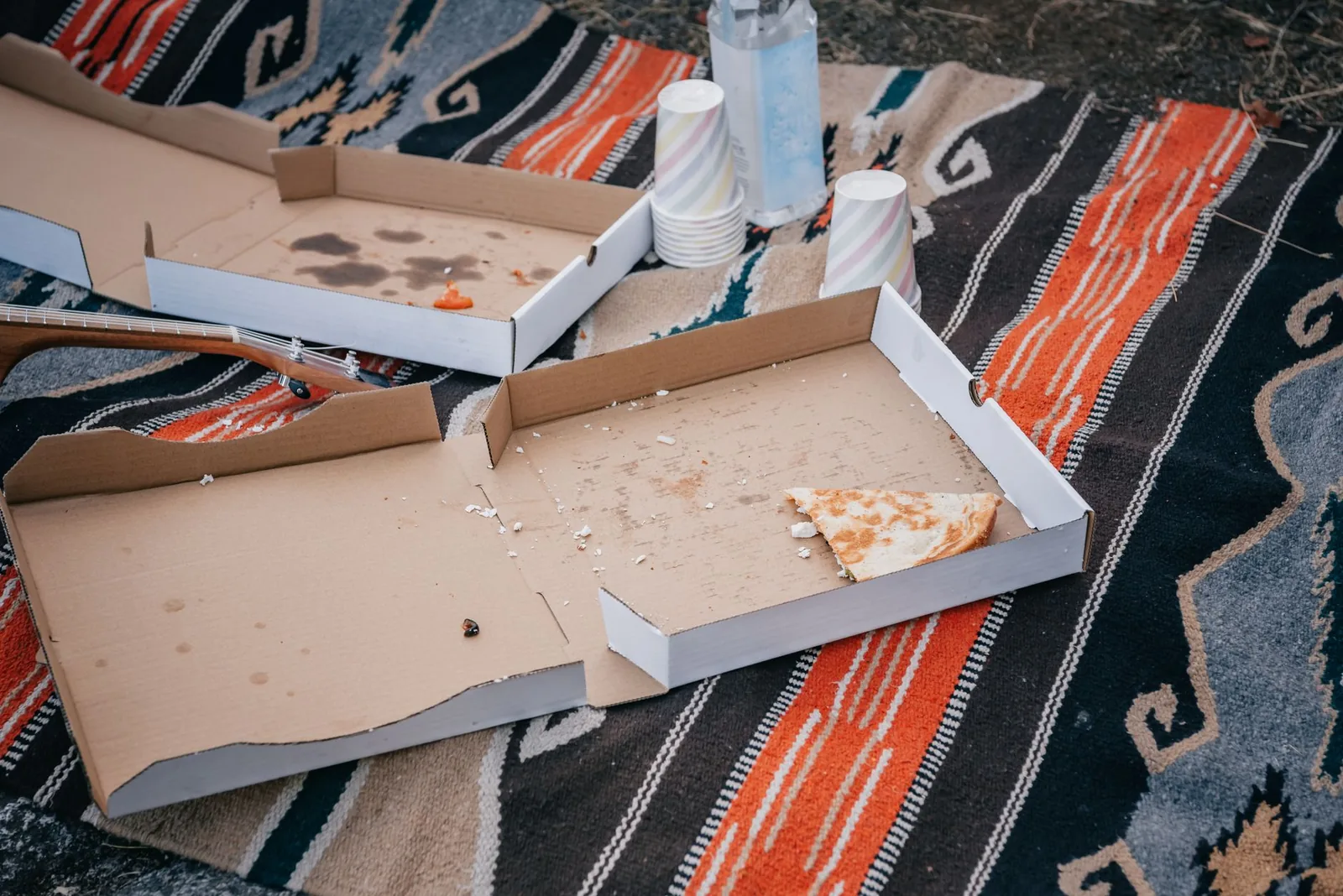
Cooked starch reorganises as it cools — the same process that makes day-old bread firm. The crust goes denser and chewier, and it picks up moisture from the sauce at the same time.
If you like a firm, chewy, almost bready base, cold pizza improves it. If you like crisp, this is the change that ruins it, and you want the skillet method instead.
The part that is not a matter of taste
Cold pizza from the fridge is fine. Pizza that spent the night on the counter is not, and the distinction is the whole safety question.
The USDA Food Safety and Inspection Service gives two numbers that settle it:
- Two hours. The maximum perishable food should sit at room temperature – one hour above 90°F.
- Three to four days. How long refrigerated leftovers keep at or below 40°F.
So a slice refrigerated within two hours and eaten the next morning is exactly what the guidance describes. A box left out overnight is not made safe by being cold, and it is not made safe by being reheated either.
Which pizzas survive best
Not all of them do equally, and it follows from everything above.
Plain cheese does well. There is nothing on it to go soggy or turn rubbery, and the concentrated sauce is a straightforward improvement.
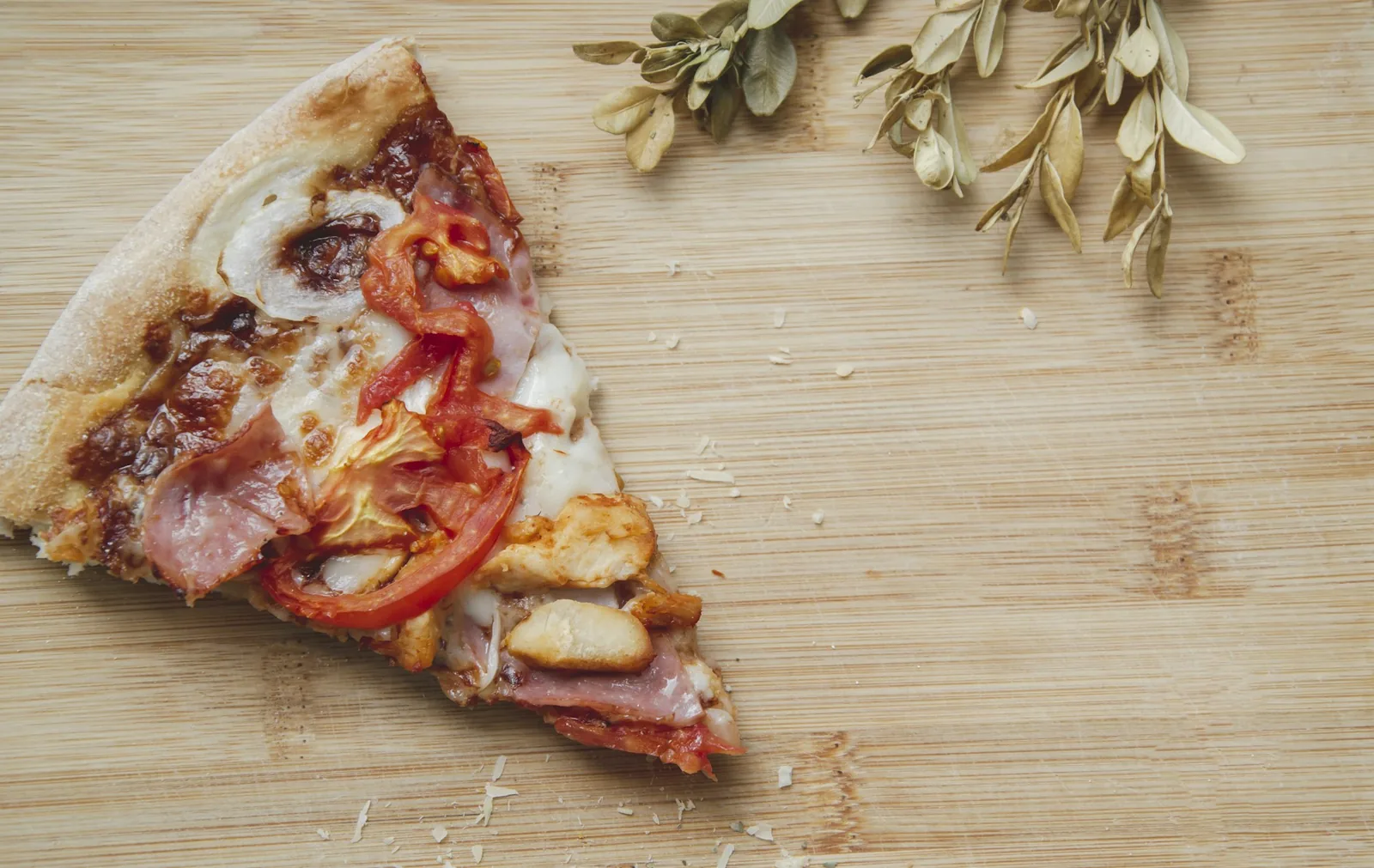
Cured meats do well. Pepperoni and sausage were already salted and dried, so a night in the fridge does nothing to them. The rendered fat sets alongside the cheese fat and the whole slice reads cleaner.
Wet vegetables do badly. Mushrooms, fresh tomato and peppers keep releasing water overnight, and a slice that was fine hot can be genuinely damp by morning.
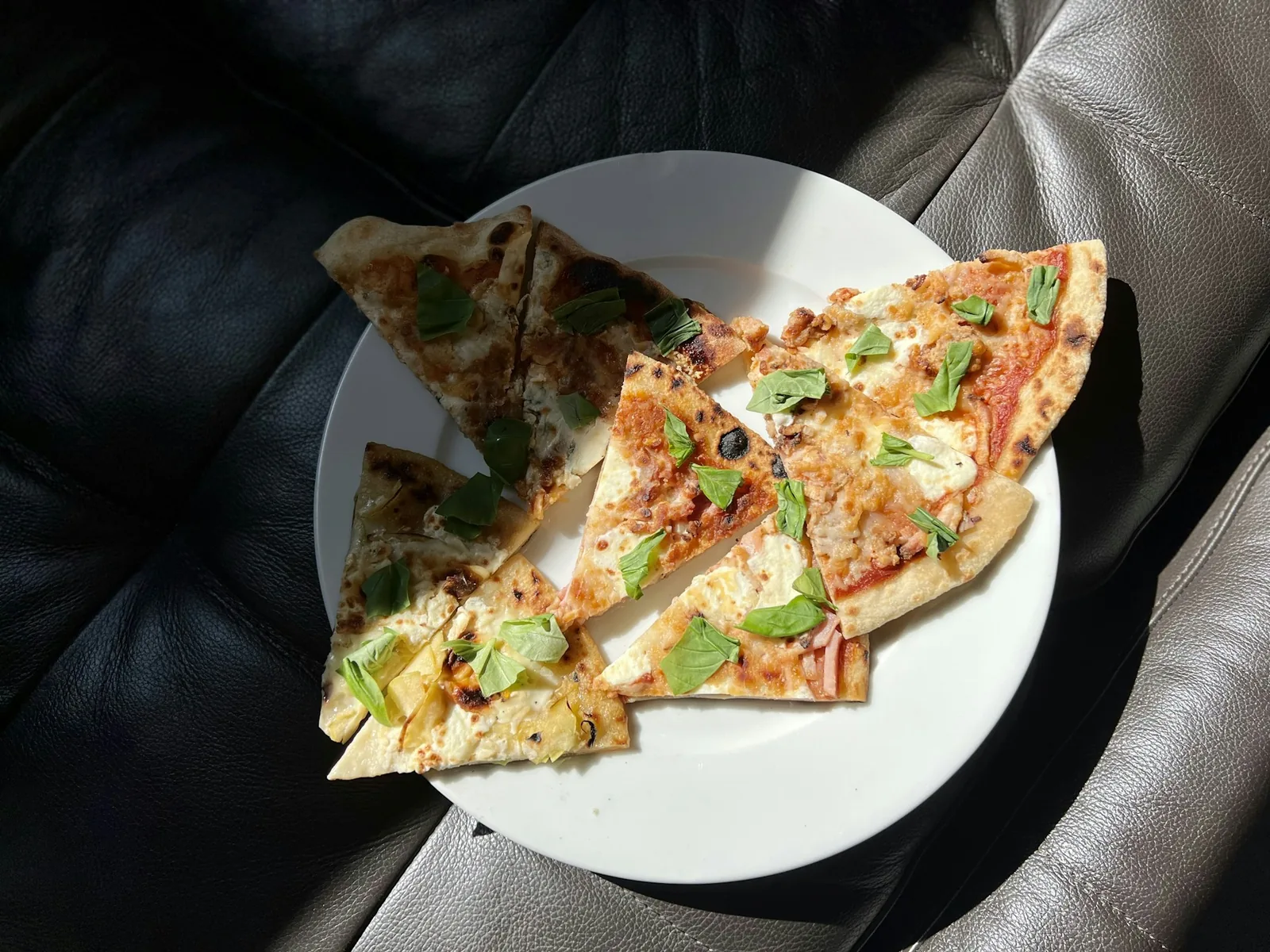
Anything added after the bake does worst. Fresh rocket or basil finished on top wilts and darkens in the fridge, and is better picked off than eaten cold.
Getting the best of it
- Wrap it properly. An open box in the fridge dries the crust and picks up other smells. Wrap tightly or use a container.
- Take it out ten minutes early. Fridge-cold mutes flavour heavily. A slice at room temperature is noticeably better than one straight from the shelf.
- Eat it within a day for texture. It stays safe for three to four days, but the crust keeps firming the whole time.
That second point is the one most people skip, and it makes more difference than anything else on the list.


Pizza Questions, Answered.
Why does cold pizza taste good?
The fat in the cheese sets so it stops coating your mouth, and the sauce concentrates overnight. You also perceive less aroma and proportionally more salt and acid.
Is cold pizza safe to eat?
Yes, if it was refrigerated within two hours and eaten within three to four days. Pizza left out overnight is not safe, cold or reheated.
Is cold pizza better than reheated?
It depends what you liked. Cold suits the cheese and sauce; reheating suits the crust. If the base was the best part, reheat it.
Why does the crust change in the fridge?
Cooked starch reorganises as it cools – the same process that firms day-old bread – and the crust also absorbs moisture from the sauce.
The short version
Set fat, concentrated sauce, firmer crust, less aroma. Two of those improve a slice and one depends on taste. Refrigerate within two hours, eat within a few days, and let it sit out ten minutes first.
If you would rather have it hot to begin with, the Ray’s menu is open daily 10:30am to 9:00pm.

Ray’s Pizza Team
Ray’s Pizza & Sub Shop is a neighborhood pizzeria at 95 Woodstown Rd, Swedesboro, New Jersey, serving pizza, stromboli, hot and cold subs and dinners seven days a week from 10:30am to 9:00pm. These guides are written by the people behind the counter.
Visit Ray’sMore From Ray’s