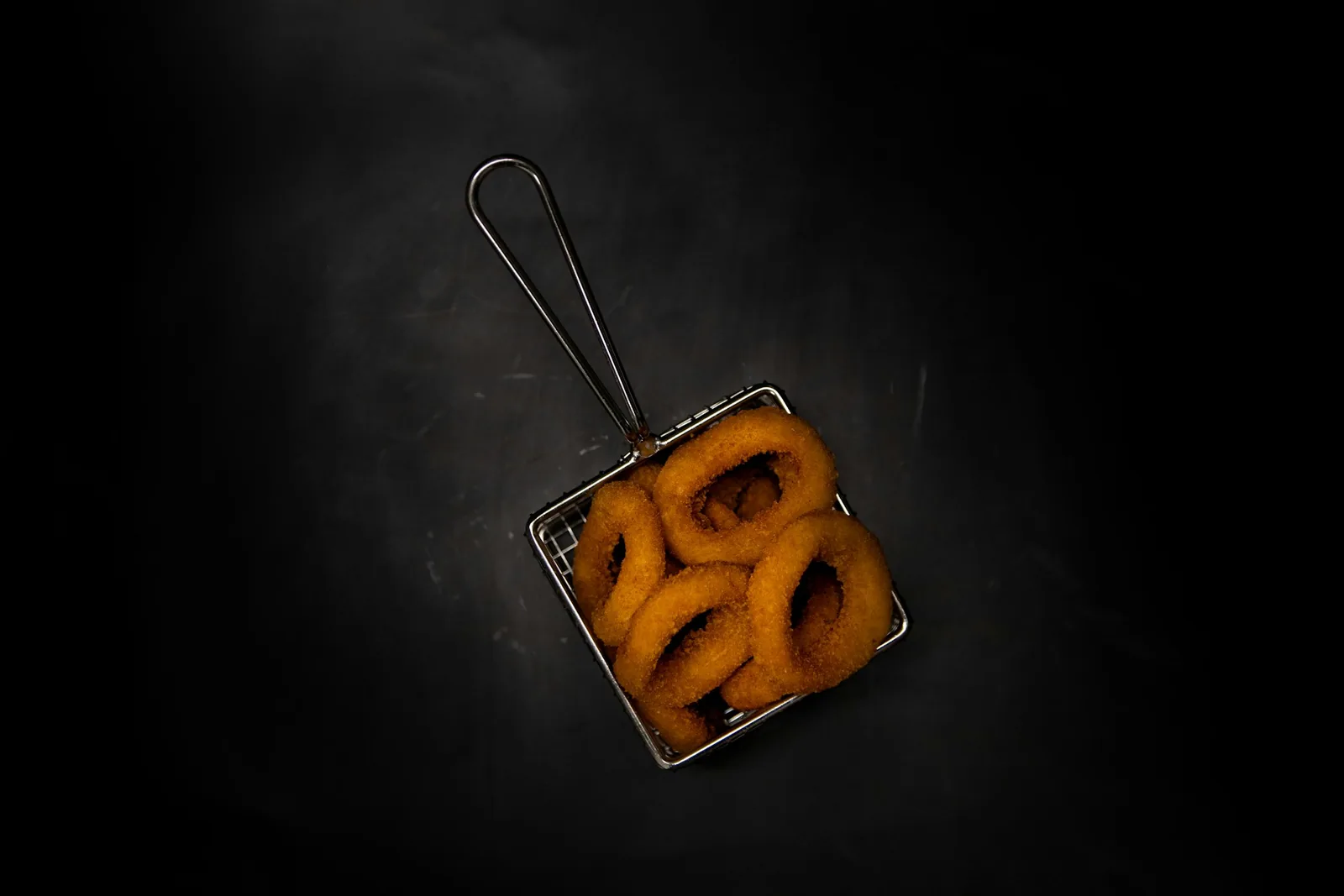
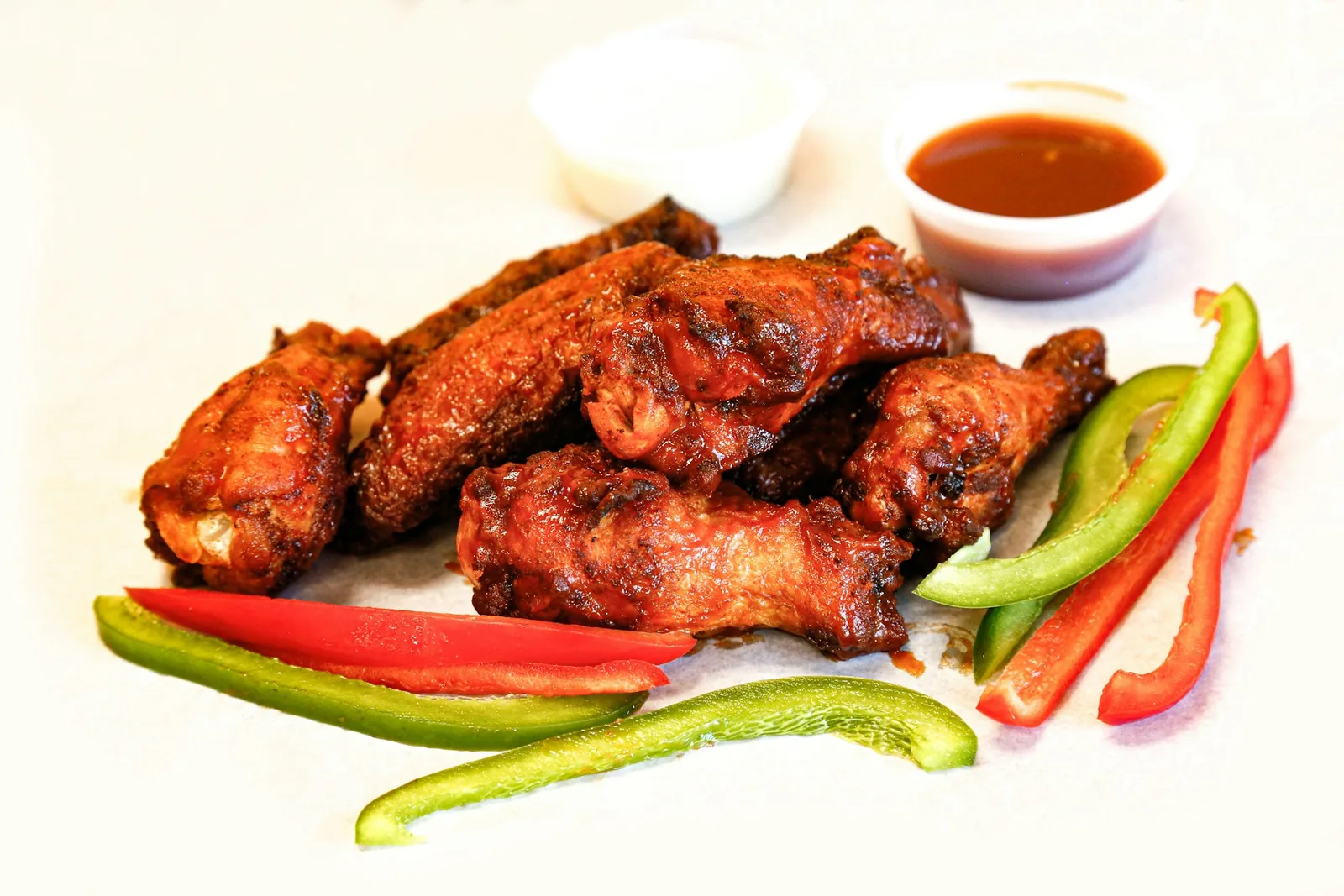
Mozzarella Sticks, Poppers and Chicken Fingers
Three starters built on the same trick: a coating rigid enough to hold while something soft melts inside it.
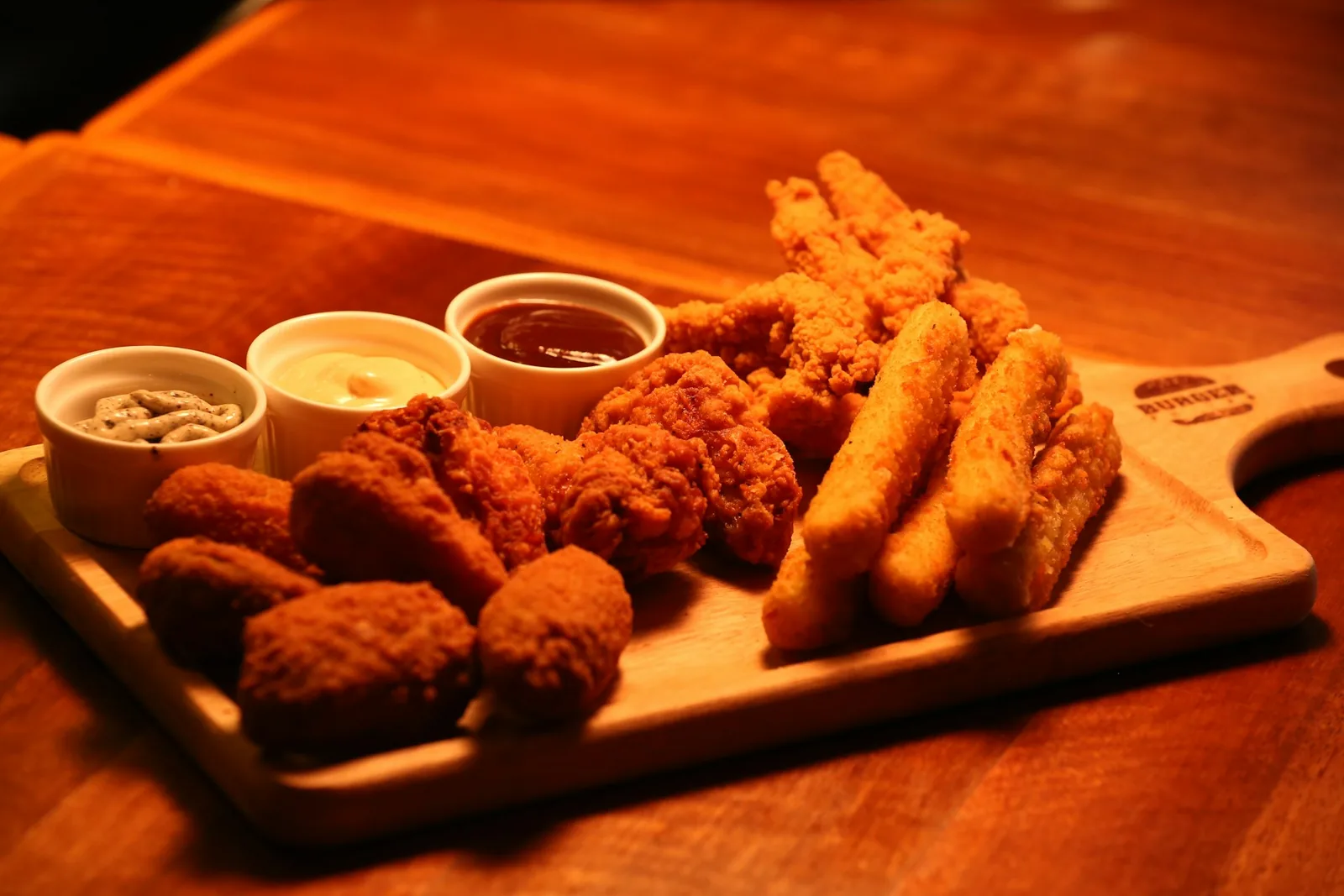
Mozzarella sticks, poppers and chicken fingers look like three different things and are variations on one idea: put a coating around something, fry it, and let the coating do the structural work while the inside softens or melts.
Understanding that explains both why they are good and how they fail.
| Inside | Fails by | |
|---|---|---|
| Mozzarella sticks | Cheese that melts to liquid | Leaking |
| Poppers | Cheese in a pepper shell | Splitting |
| Chicken fingers | Meat that stays solid | Drying out |
Why the coating matters more than the filling
The coating is not there for texture alone. It is a container.
Frying is fast and very hot. The coating sets almost immediately into a rigid shell, and everything inside then cooks in the steam trapped within it. That is why the inside comes out molten rather than fried, and why the coating stays crisp rather than going soggy from the inside.
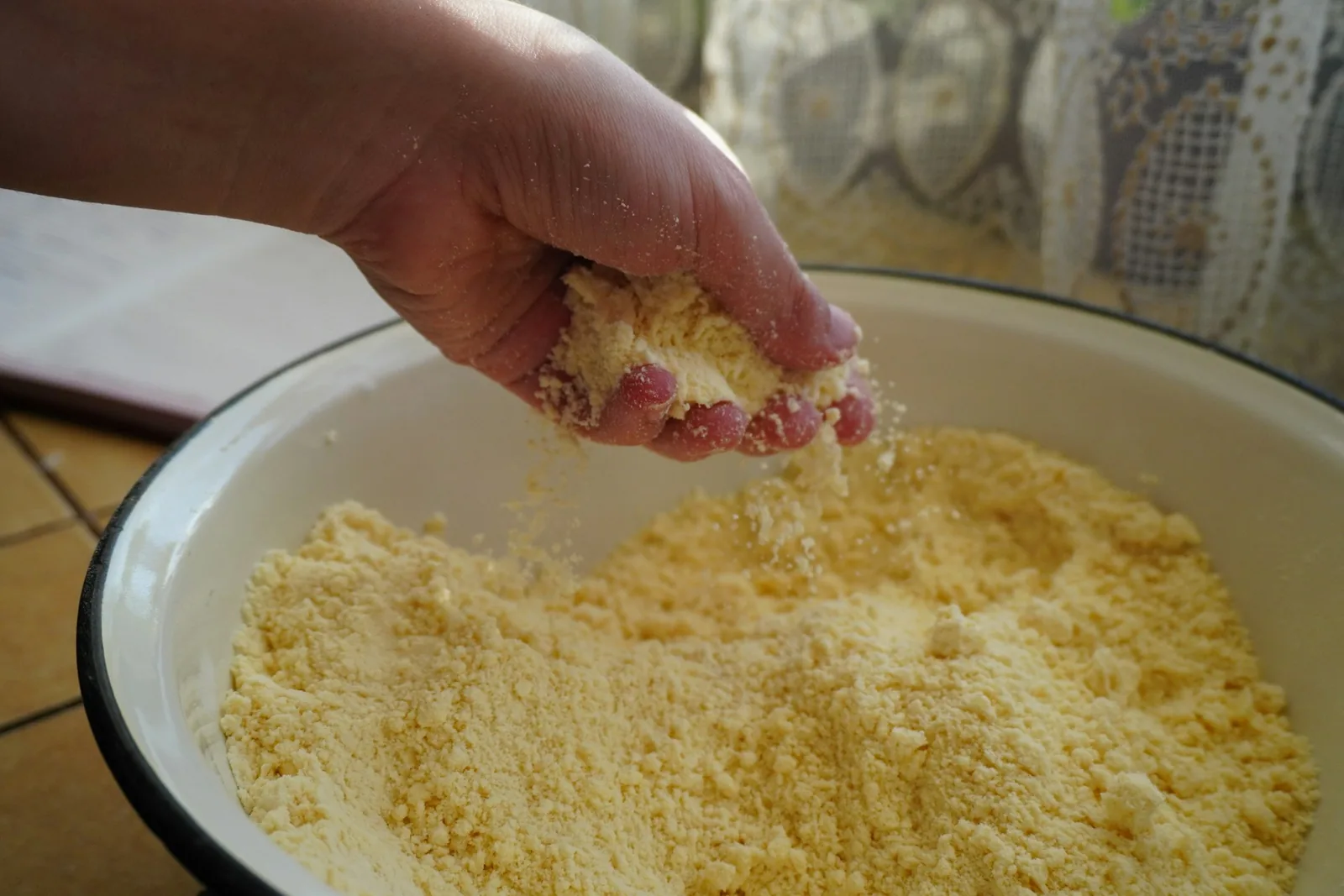
It is also why these are ordered as starters rather than mains. The proposition is textural — crisp outside, molten inside — and it is strongest in the first few minutes.
Mozzarella sticks
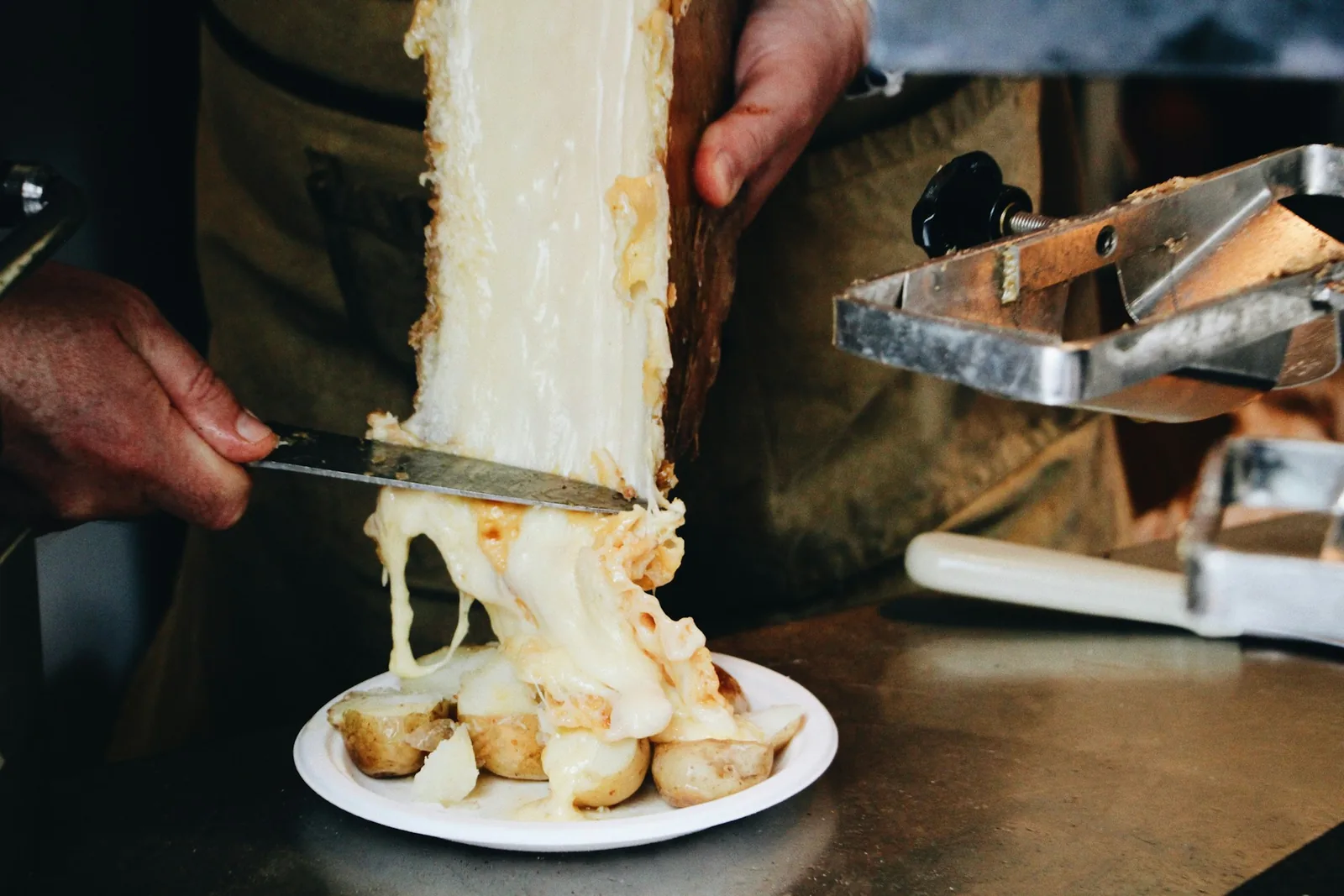
Low-moisture mozzarella, cut into batons, breaded and fried. The cheese is chosen precisely because it is the drier version — fresh mozzarella holds far too much water and would burst the coating instantly.
The pull is the point. A good stick produces a long clean stretch, which is a property of mozzarella specifically rather than of cheese generally. Most cheeses would separate into oil instead.
Poppers
A jalapeño, halved and seeded, filled with cream cheese, then breaded and fried. Ray’s lists them as Poppers, Cream Cheese.
The pepper is doing something the other two do not have: it is a second container inside the coating. That is why poppers hold their shape better than mozzarella sticks even though the filling is softer.
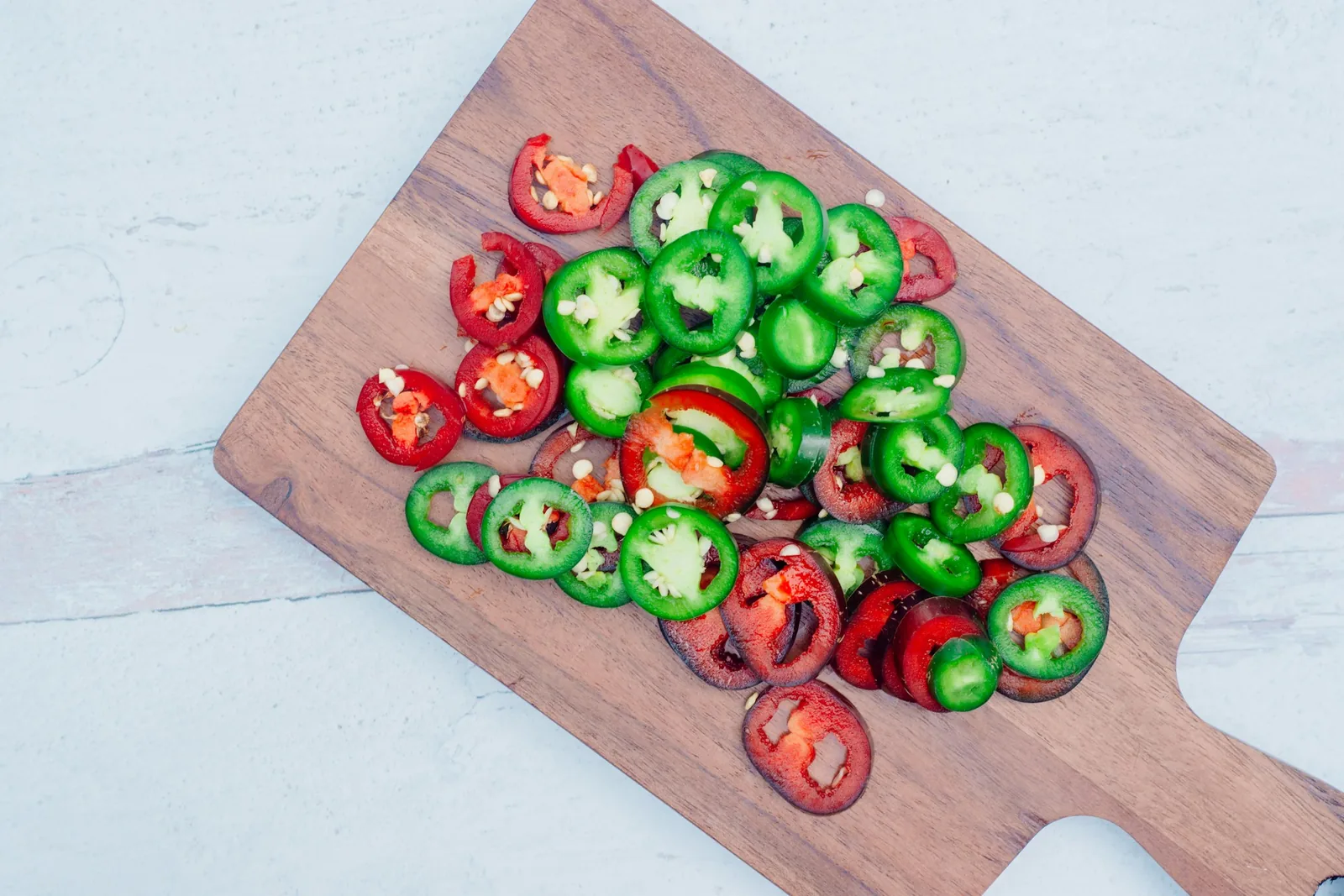
Heat is the variable people worry about. Most of a jalapeño’s heat sits in the seeds and the pale membrane, both of which are removed, and cream cheese blunts what remains. A popper is generally much milder than the raw pepper suggests.
Chicken fingers
The odd one out, because the inside stays solid. Nothing melts, so the coating is doing texture rather than containment.
That changes the failure mode entirely. A mozzarella stick fails by leaking; a chicken finger fails by drying out, because breast meat has little fat and a narrow window between cooked and overcooked.
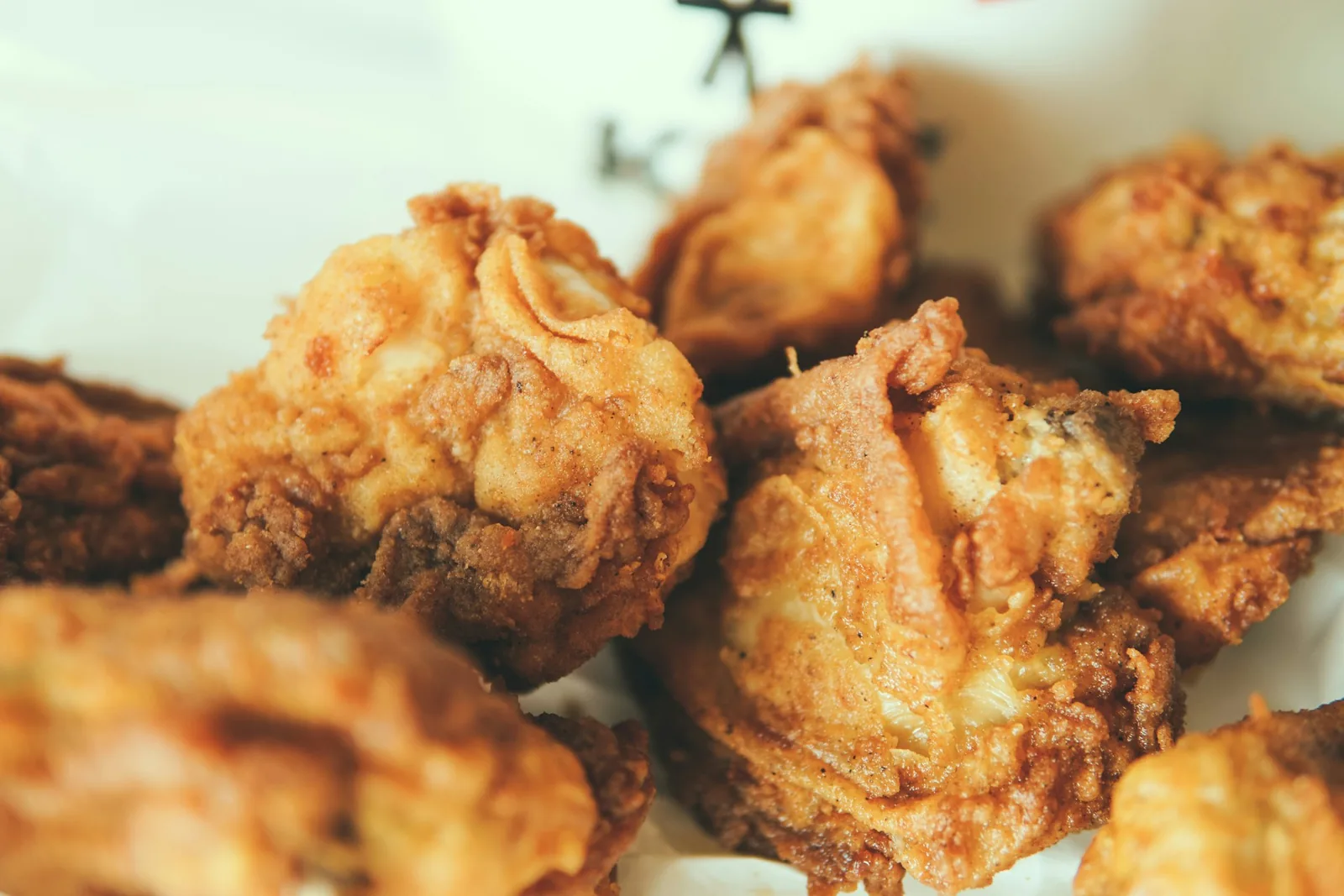
Fingers, tenders and strips get used interchangeably. Strictly, a tender is a specific muscle — the small strip beneath the breast — while fingers and strips are cut from the breast itself. On most menus the words mean the same thing.
Why mozzarella sticks leak
The most common complaint about any of these, and it has a straightforward cause: the coating failed before the cheese finished melting.
Cheese melts to a liquid and expands. If there is a gap in the breading, a thin patch, or a crack from handling, the liquid finds it and the stick empties itself into the fryer.
Two things prevent it. Breading twice, so there are no thin patches. And freezing before frying, so the coating sets hard before the cheese has warmed enough to move.
Why they arrive with dip
Every one of these comes with something to dip it in, and it is not decoration.
Fried food is salt and fat with a dry, crisp exterior. It has no acid and no moisture of its own, and after four or five pieces that becomes tiring — the same palate fatigue that makes the third slice of pizza less interesting than the first.
A dip supplies both. Marinara brings acid and moisture; a creamy dip brings moisture and cools heat. Either resets your palate enough to keep going.
It is also why the pairing is fairly fixed. Mozzarella sticks come with marinara because tomato acid against fried cheese is the sharpest contrast available, and poppers come with something creamy because the job there is cooling rather than cutting.
What actually shares
These behave very differently across a table, and it is worth knowing before ordering for a group.
- Chicken fingers share best. They stay good longest, they are easy to divide, and nobody objects to them.
- Mozzarella sticks share worst. They are best in the first two minutes and count out awkwardly – six between four people is a problem.
- Poppers are polarising. Order them as an addition rather than the main shared plate, because a proportion of any table will not touch them.
All of them want something sharp alongside for the same reason a pizza does — they are salt and fat with nothing cutting through.
Pizza Questions, Answered.
What are mozzarella sticks made of?
Low-moisture mozzarella cut into batons, breaded and fried. The drier cheese is used deliberately – fresh mozzarella holds too much water and bursts the coating.
Why do mozzarella sticks leak?
A gap or thin patch in the breading. The cheese melts to a liquid and escapes through it. Double breading and freezing before frying prevent it.
Are jalapeno poppers very spicy?
Usually much milder than expected. Most of the heat is in the seeds and membrane, which are removed, and cream cheese blunts what is left.
What is the difference between chicken fingers and tenders?
Strictly, a tender is the small muscle beneath the breast, while fingers and strips are cut from the breast itself. On most menus the terms are used interchangeably.
The short version
One idea, three fillings. The coating is a container, not a garnish. Fingers share best, sticks are best immediately, and poppers are milder than they look.
All of them are on the Ray’s menu under Side Orders, open daily 10:30am to 9:00pm.

Ray’s Pizza Team
Ray’s Pizza & Sub Shop is a neighborhood pizzeria at 95 Woodstown Rd, Swedesboro, New Jersey, serving pizza, stromboli, hot and cold subs and dinners seven days a week from 10:30am to 9:00pm. These guides are written by the people behind the counter.
Visit Ray’sMore From Ray’s